


The red, inflamed bumps that once required months of topical creams and oral medications are now clearing in weeks thanks to a surprising addition to dermatology offices: LED light panels. Major dermatology practices across the country are installing professional-grade LED therapy devices, marking a significant shift toward light-based acne treatments that work alongside traditional methods.
Dr. Rachel Chen, a board-certified dermatologist in Los Angeles, reports seeing 70% of her acne patients achieve clearer skin when LED therapy is combined with standard treatments. “We’re not replacing proven methods like retinoids or benzoyl peroxide,” she explains. “We’re enhancing them with targeted light wavelengths that reduce inflammation and kill acne bacteria more effectively.”
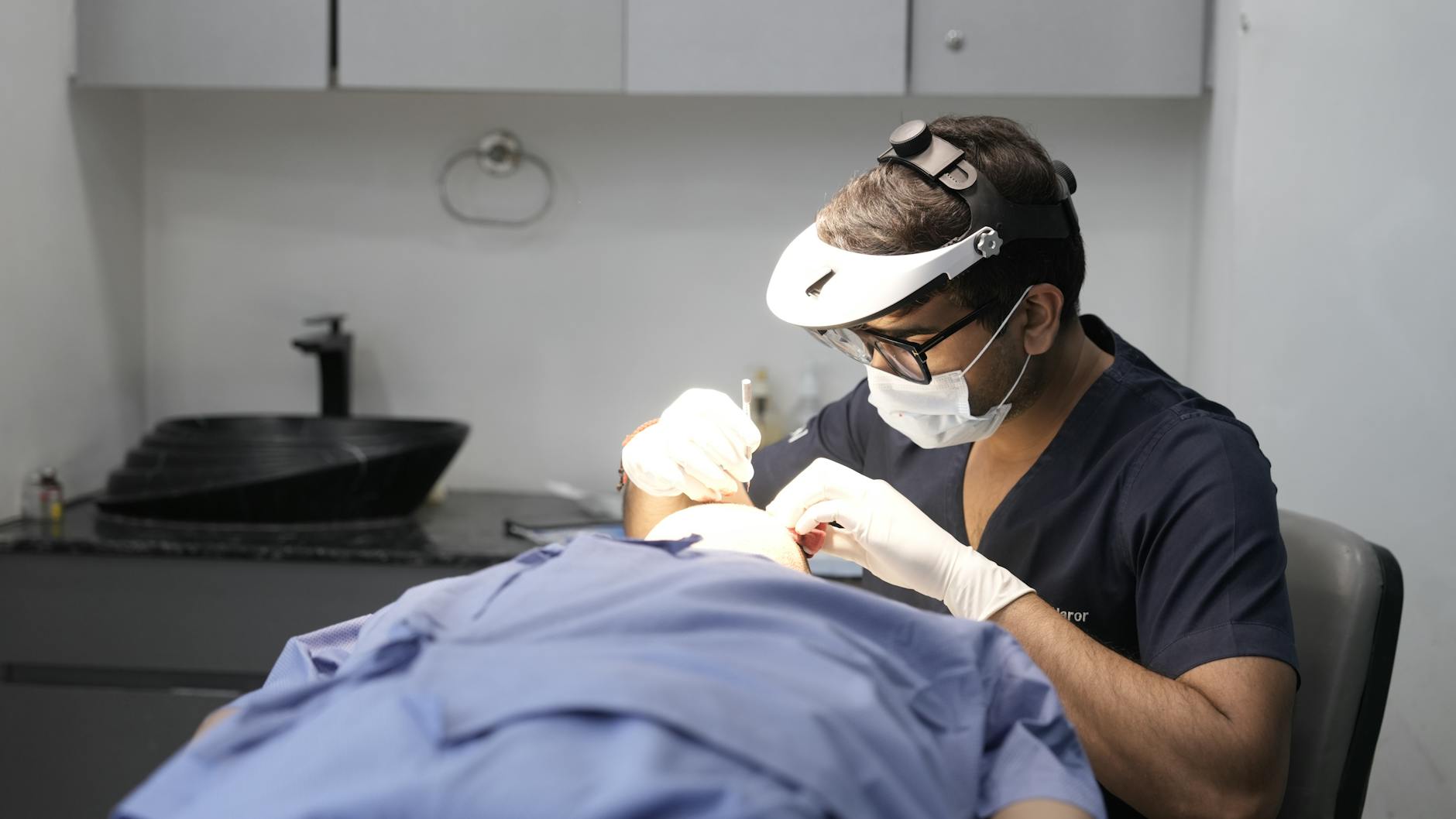
The Science Behind LED Acne Treatment
LED light therapy uses specific wavelengths to target the root causes of acne breakouts. Blue light, typically around 415 nanometers, penetrates the skin to destroy Propionibacterium acnes, the bacteria responsible for inflammatory acne lesions. Red light, usually 660-670 nanometers, reduces inflammation and promotes faster healing of existing breakouts.
Clinical studies published in the Journal of Clinical Medicine show that patients receiving combined blue and red light therapy experienced a 76% reduction in inflammatory acne lesions after 12 weeks of treatment. The therapy works by generating reactive oxygen species within bacterial cells, effectively destroying them without damaging surrounding healthy tissue.
Unlike harsh chemical treatments that can cause dryness and irritation, LED therapy produces minimal side effects. Patients typically experience only mild redness immediately following treatment, which resolves within hours. This gentler approach appeals particularly to those with sensitive skin who struggle with traditional acne medications.
Dr. Michael Torres, a dermatologist in Miami, has incorporated LED panels into 80% of his acne treatment plans over the past two years. “The results speak for themselves,” he notes. “Patients see improvement faster, and we can often reduce the strength of topical medications they need, minimizing irritation.”
Professional vs. At-Home LED Devices
The LED devices appearing in dermatology offices differ significantly from consumer versions sold online. Professional panels deliver higher light intensity and cover larger treatment areas, providing more consistent results. Medical-grade devices typically emit 50-100 milliwatts per square centimeter, compared to 5-20 milliwatts for home devices.
Treatment protocols in professional settings are also more sophisticated. Dermatologists adjust exposure times, light intensity, and wavelength combinations based on individual skin types and acne severity. A typical in-office session lasts 15-20 minutes and costs between $50-$150, with most patients requiring 8-12 sessions over three months.
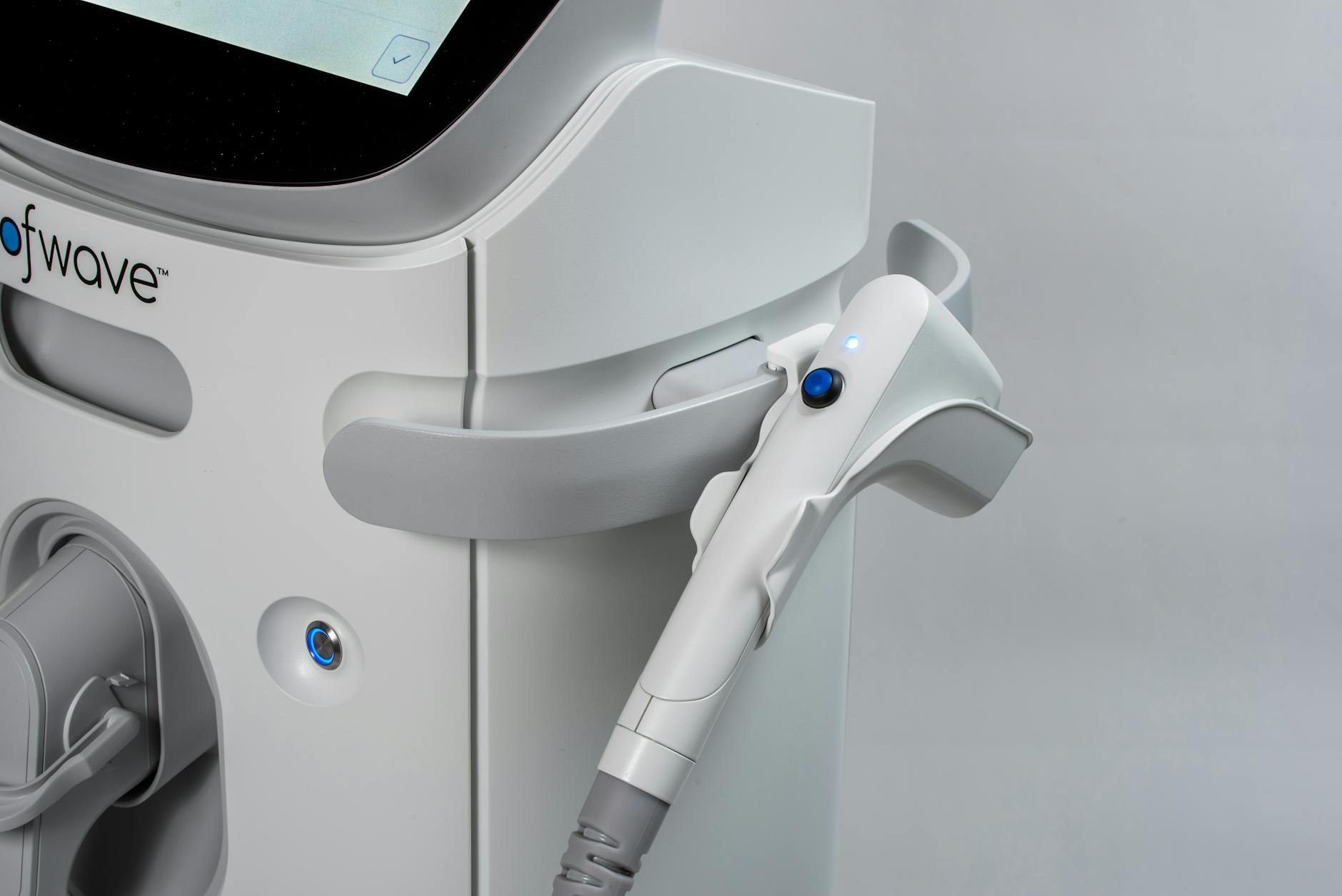
Home LED devices, while less powerful, offer convenience for maintenance treatments. Many dermatologists recommend professional sessions to achieve initial clearing, followed by at-home devices to maintain results. Popular consumer brands like LightStim and Dr. Dennis Gross produce handheld devices that patients can use 3-4 times weekly.
The key difference lies in penetration depth and bacterial kill rates. Professional devices can reach deeper into hair follicles where acne bacteria thrive, while home devices primarily address surface-level inflammation. This explains why dermatologist-supervised treatments typically produce faster, more dramatic results.
Integration with Traditional Acne Therapies
Rather than replacing established acne treatments, LED therapy works synergistically with proven medications. Dermatologists commonly combine light therapy with topical retinoids, which increase skin cell turnover and prevent pore blockages. The anti-inflammatory effects of red light help counteract the irritation that retinoids can cause during the initial adjustment period.
Patients using benzoyl peroxide or salicylic acid also benefit from LED therapy’s ability to reduce the overall bacterial load on the skin. This combination approach allows dermatologists to use lower concentrations of potentially irritating active ingredients while maintaining effectiveness.
The timing of LED treatments within a comprehensive acne regimen matters significantly. Most dermatologists schedule light therapy sessions before applying topical medications, as the increased blood flow from red light can enhance product absorption. Some practices offer LED therapy immediately after chemical peels or microdermabrasion to accelerate healing.
Dr. Sarah Kim, who practices in New York, has observed that patients combining LED therapy with professional facials experience fewer post-treatment breakouts. “The anti-inflammatory effects seem to prevent the temporary flare-ups we sometimes see after deep-cleaning treatments,” she explains. This integration approach aligns with the broader trend toward gentler, multi-modal skincare treatments that address multiple skin concerns simultaneously.
Patient Demographics and Treatment Preferences
The demographic embracing LED acne therapy extends beyond teenagers traditionally associated with acne treatment. Adult women, particularly those in their 30s and 40s experiencing hormonal acne, represent a growing portion of LED therapy patients. These women often prefer light-based treatments over oral antibiotics due to concerns about gut health and antibiotic resistance.
Male patients, influenced by the rise of sophisticated men’s grooming routines, increasingly seek professional acne treatments. LED therapy appeals to men who want effective results without the daily application of multiple topical products.

Treatment preferences also vary by age group. Younger patients often gravitate toward the technology aspect of LED therapy, viewing it as more advanced than traditional creams. Older patients appreciate the minimal downtime and lack of sun sensitivity that comes with light-based treatments, unlike some prescription acne medications.
Cost considerations play a significant role in patient acceptance. While individual LED sessions are moderately priced, the cumulative cost of a full treatment course can reach $800-$1,500. Many dermatology practices now offer package deals or payment plans to make the therapy more accessible.
Looking Ahead: The Future of Light-Based Dermatology
The integration of LED therapy into mainstream dermatology practice represents a broader shift toward evidence-based alternative treatments. As more clinical data emerges supporting light therapy’s effectiveness, insurance coverage may expand beyond current limitations.
Emerging research explores combining LED therapy with other innovative approaches, including oxygen infusion and targeted nutrient delivery. Some practices are experimenting with customized light wavelength combinations based on individual skin analysis, potentially offering even more personalized treatment outcomes.
The success of LED acne therapy also paves the way for light-based treatments addressing other skin concerns, from anti-aging to rosacea management. As dermatologists become more comfortable with light therapy protocols, patients can expect to see expanded applications and improved treatment efficiency in the coming years.
Frequently Asked Questions
How effective is LED light therapy for acne treatment?
Clinical studies show 76% reduction in inflammatory acne lesions after 12 weeks when combined with traditional treatments.
What’s the difference between professional and home LED devices?
Professional devices deliver 50-100 milliwatts per square centimeter compared to 5-20 milliwatts for home devices, providing deeper penetration and faster results.