


The microneedling boom just got an upgrade. Dermatologists across the country are pairing the popular collagen-stimulating treatment with targeted peptide infusions, creating what many call the most effective anti-aging combination they’ve seen in years. This isn’t just another skincare trend – it’s a scientific approach that’s delivering visible results patients couldn’t achieve with either treatment alone.
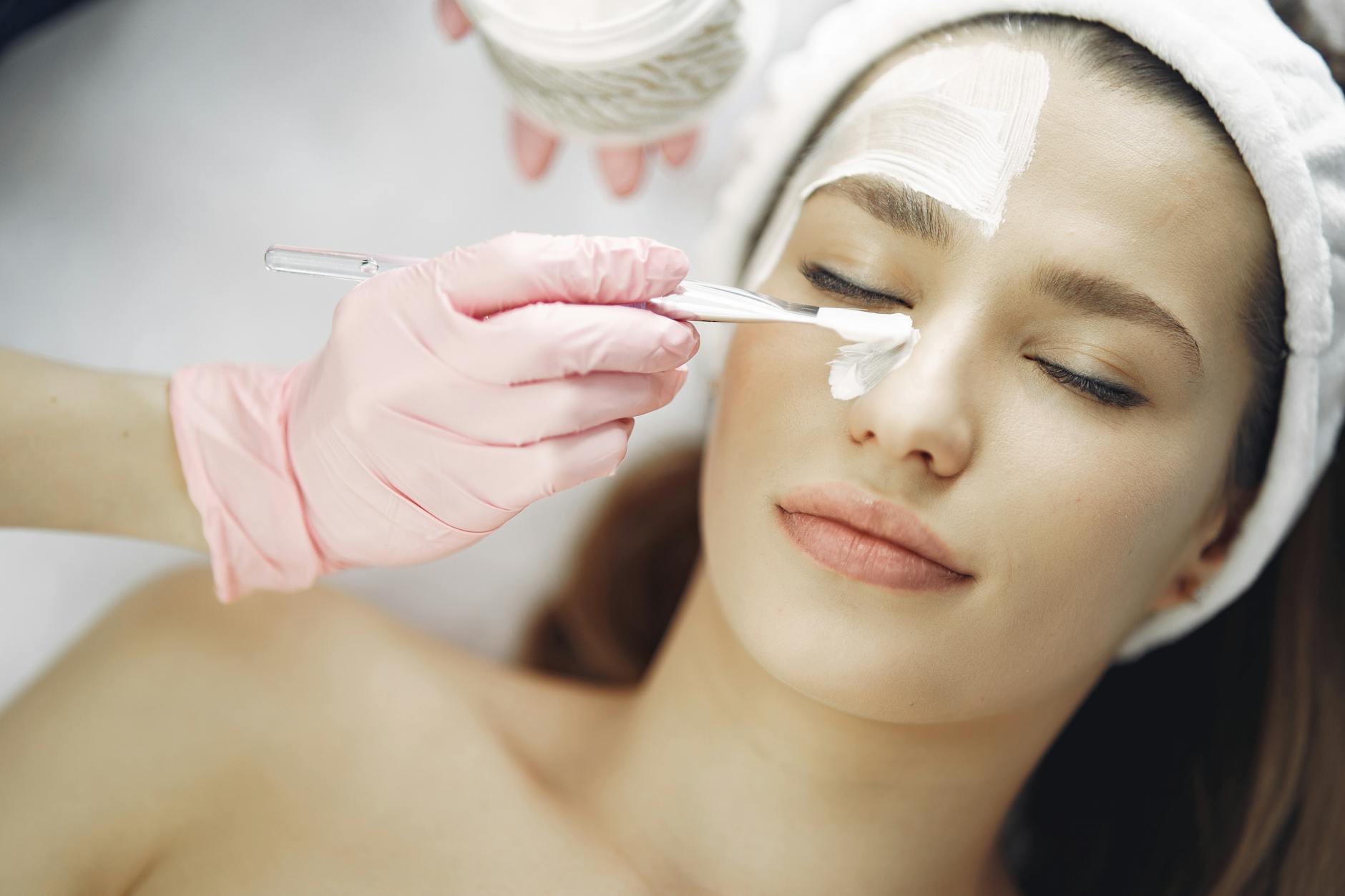
Traditional microneedling creates thousands of microscopic channels in the skin, triggering natural healing responses that boost collagen production. But dermatologists discovered these tiny channels also create the perfect pathway for active ingredients to penetrate deeper than topical applications ever could. Enter peptides – the signaling molecules that tell skin cells exactly what to do.
The Science Behind the Combination Treatment
Peptides are short chains of amino acids that function as cellular messengers. When applied topically, most peptides struggle to penetrate the skin’s protective barrier. The average peptide molecule is simply too large to move through intact skin effectively.
Microneedling changes this equation entirely. The controlled micro-injuries create temporary channels that allow peptides to reach the deeper dermis where collagen and elastin production actually occurs. Dr. Dennis Gross, a board-certified dermatologist in New York, explains that this combination delivers peptides directly to the cellular level where they can signal fibroblasts to increase collagen synthesis.
The timing is crucial. Immediately after microneedling, the skin enters a heightened state of repair. Peptides introduced during this window can amplify the natural healing response, potentially doubling or tripling the collagen-boosting effects of microneedling alone.
Different peptides target specific skin concerns. Copper peptides promote wound healing and collagen production. Palmitoyl pentapeptide-4 stimulates collagen, elastin, and hyaluronic acid production. Acetyl hexapeptide-8, known as “Botox in a bottle,” helps relax facial muscles to reduce expression lines.
Clinical Results Driving Dermatologist Adoption
The combination treatment is gaining traction because patients are seeing measurable improvements in skin texture, firmness, and fine lines within four to six weeks. Traditional microneedling typically requires three months to show significant results.
Several dermatology practices report that patients who previously plateaued with standard microneedling are experiencing renewed improvements when peptides are added to their protocol. The synergistic effect appears to reset the skin’s aging clock more effectively than either treatment performed separately.
Board-certified dermatologist Dr. Shereene Idriss notes that the combination particularly benefits patients with mature skin who need more than surface-level improvements. The peptides help recruit dormant fibroblasts back into active collagen production, while the microneedling provides the delivery mechanism and healing stimulus.
Patient satisfaction rates for the combined treatment consistently exceed 85% across multiple practices, compared to 60-70% for traditional microneedling alone. The key difference appears to be the speed and visibility of results, which helps patients stay committed to their treatment plans.
Treatment Protocol and Safety Considerations
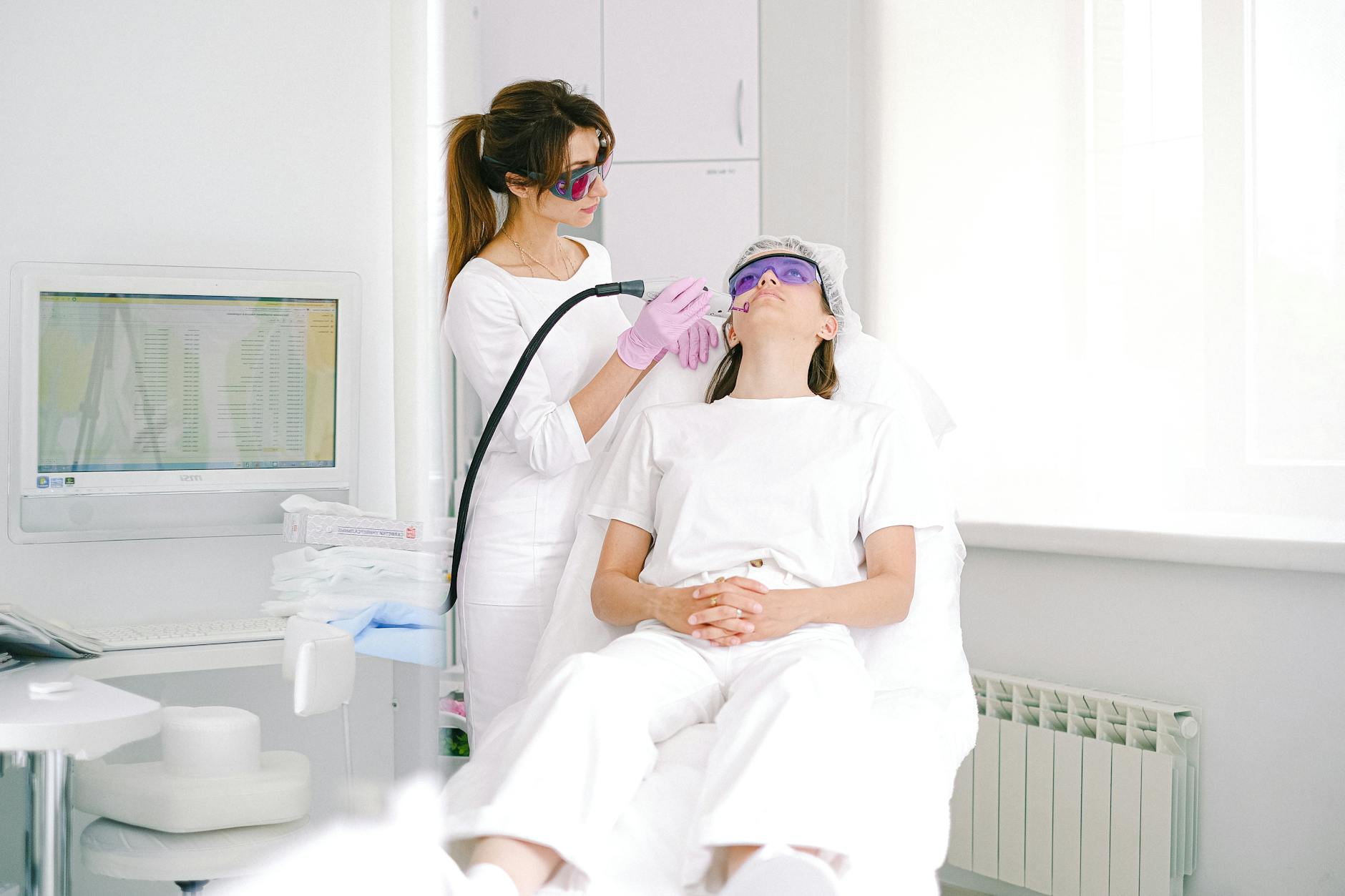
The protocol typically involves a series of treatments spaced four to six weeks apart. During each session, dermatologists perform microneedling using professional-grade devices with needles ranging from 0.5mm to 2.5mm in depth, depending on the treatment area and skin thickness.
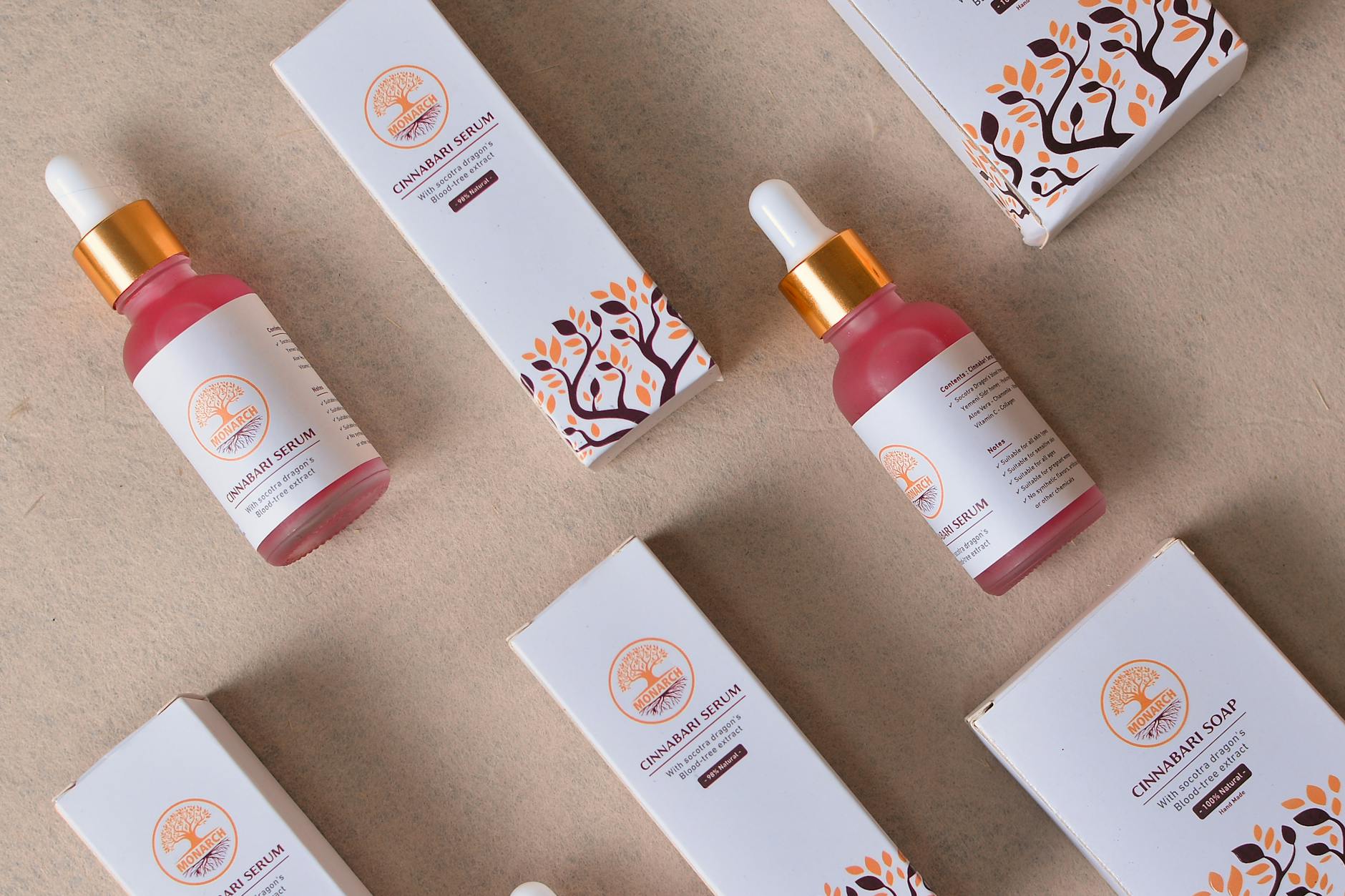
Immediately following microneedling, specific peptide serums are applied and gently pressed into the skin. The selection of peptides depends on individual skin concerns and goals. Some practitioners use cocktails of multiple peptides to address various aging concerns simultaneously.
Safety profiles remain similar to traditional microneedling, with temporary redness and mild swelling that typically resolves within 24-48 hours. The addition of peptides doesn’t increase side effects, though practitioners emphasize the importance of using medical-grade peptide formulations rather than over-the-counter versions.
Post-treatment care focuses on supporting the healing process with gentle cleansing, broad-spectrum sunscreen, and avoiding active ingredients like retinoids for several days. Many dermatologists provide patients with peptide-infused post-care products to extend the treatment benefits at home.
The treatment isn’t suitable for everyone. Patients with active acne, rosacea flares, or certain autoimmune conditions may need alternative approaches. As with pregnancy-safe retinol alternatives that are delivering results for expectant mothers, dermatologists are developing modified protocols for patients with specific contraindications.
Cost Considerations and Market Trends
The combined treatment typically costs 30-50% more than traditional microneedling, reflecting both the additional peptide ingredients and the specialized expertise required. Most practices offer package deals for series treatments, making the investment more accessible for patients committed to long-term skin improvement.
Insurance doesn’t cover cosmetic treatments, but many practices offer financing options or membership programs that reduce per-treatment costs. The value proposition centers on achieving better results in fewer sessions compared to traditional approaches.
Market demand is driving innovation in peptide formulations specifically designed for post-microneedling application. Several medical-grade skincare companies are developing proprietary peptide blends optimized for enhanced penetration and stability.
Training requirements for practitioners are evolving as well. While traditional microneedling could be performed by various skincare professionals, the peptide combination treatments require deeper understanding of skin physiology and peptide interactions, leading many practices to restrict these advanced treatments to dermatologists and physician assistants.
The trend reflects a broader shift in aesthetic dermatology toward combination treatments that address multiple aspects of skin aging simultaneously. Similar to how male grooming clinics are expanding services to meet evolving patient needs, dermatology practices are innovating to provide more comprehensive anti-aging solutions.
Looking ahead, researchers are investigating even more targeted peptide applications, including growth factor peptides and stem cell-derived peptides that could further enhance the microneedling combination. The next evolution may involve customizing peptide cocktails based on individual genetic markers and skin analysis, moving toward truly personalized anti-aging medicine.
Frequently Asked Questions
How does microneedling help peptides work better?
Microneedling creates temporary channels that allow peptides to penetrate deeper into the skin where they can effectively signal collagen production.
Is the combined treatment safe?
Yes, the safety profile is similar to traditional microneedling with temporary redness and mild swelling that resolves within 24-48 hours.