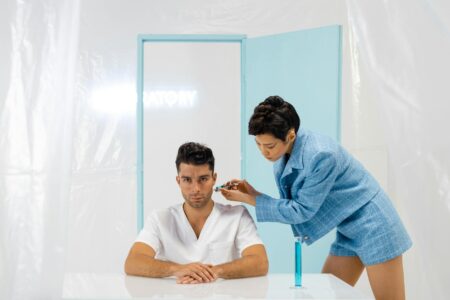


Dr. Sarah Chen has seen it all in her 15 years as a dermatologist in Manhattan. But lately, she’s been writing prescriptions that would have seemed unthinkable just five years ago: treatments containing reishi mushrooms, cordyceps extracts, and shiitake-derived compounds. “My patients were initially skeptical,” Chen admits. “But the clinical results speak for themselves.”
The rise of mycology-based skincare represents a dramatic shift in dermatological practice. Once dismissed as alternative medicine, fungal extracts are now earning recognition from medical professionals for their scientifically proven benefits. Major dermatology practices across the country are integrating mushroom-derived treatments into their arsenals, moving beyond traditional retinoids and acids to embrace what researchers call “fungal pharmaceuticals.”
This trend parallels the broader movement toward natural ingredients in beauty, similar to how makeup artists are now using food-grade ingredients only, seeking safer alternatives to synthetic compounds.

The Science Behind Fungal Medicine
The therapeutic properties of mushrooms aren’t new – Traditional Chinese Medicine has utilized fungi for thousands of years. What’s changed is our understanding of the specific compounds responsible for their effects. Beta-glucans found in reishi mushrooms demonstrate powerful anti-inflammatory properties, while kojic acid naturally occurring in certain fungi provides gentle yet effective skin lightening.
Dr. Michael Rodriguez, a dermatopathologist at UCLA Medical Center, explains the mechanism: “Mushroom extracts work at the cellular level to regulate immune responses and promote healing. They’re particularly effective for conditions like eczema, psoriasis, and hyperpigmentation because they address root causes rather than just symptoms.”
Research published in the Journal of Dermatological Science shows that topical applications of cordyceps extract can increase skin hydration by up to 40% while reducing inflammatory markers. Similarly, studies on shiitake-derived compounds reveal significant improvements in skin texture and elasticity over 12-week treatment periods.
The appeal extends beyond efficacy. Unlike harsh chemical treatments that can cause irritation and photosensitivity, mushroom-based therapies tend to be gentler on the skin. This makes them suitable for patients with sensitive skin who previously had limited treatment options.
From Forest Floor to Medical Practice
The journey from foraged fungi to FDA-approved treatments involves rigorous testing and standardization. Companies like Fungi Perfecti and MycoMedica have developed pharmaceutical-grade extraction processes that ensure consistency and potency in their products.
Dr. Lisa Thompson, who runs a dermatology clinic in Portland, Oregon, was among the early adopters. “I started incorporating mushroom-based treatments three years ago after seeing promising research from Japanese dermatologists,” she explains. “Now they comprise about 30% of my treatment protocols.”
The most commonly prescribed mushroom-derived treatments include:
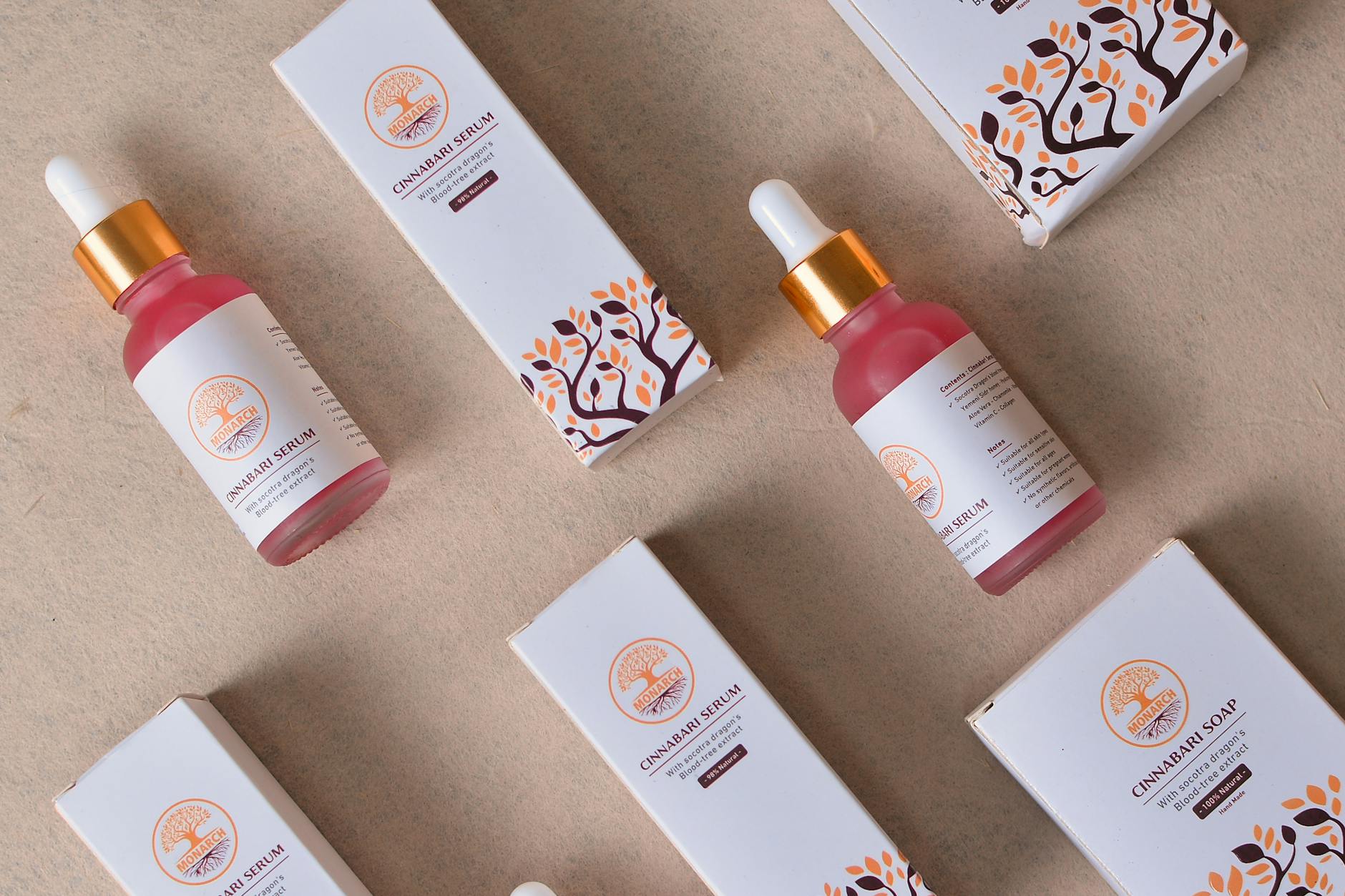
- Reishi extract serums for anti-aging and inflammation reduction
- Cordyceps-based moisturizers for deep hydration and barrier repair
- Shiitake compound peels for gentle exfoliation and brightening
- Chaga-infused treatments for antioxidant protection and healing
Patient acceptance has been surprisingly high. “Once people see the results, they become believers,” notes Dr. Chen. “The stigma around ‘mushroom medicine’ is fading as more mainstream medical professionals embrace these treatments.”
Clinical Results and Patient Outcomes
The real-world effectiveness of mushroom-based skincare is documented through extensive patient case studies. Dr. Rodriguez tracks treatment outcomes meticulously, noting that fungal-derived therapies show particular promise for chronic conditions that resist conventional treatment.
“I had a patient with severe eczema who had tried every topical steroid and immunosuppressant available,” he recounts. “After six weeks on a reishi-based treatment protocol, her lesions were 80% cleared. That’s when I knew we were dealing with something significant.”
The anti-aging applications are equally impressive. Cordyceps extracts stimulate natural collagen production without the irritation associated with retinoids. Patients report improvements in fine lines, skin elasticity, and overall radiance within 8-12 weeks of treatment.
For hyperpigmentation, koji acid derived from Aspergillus oryzae mushrooms offers a gentler alternative to hydroquinone. Clinical trials show comparable results with significantly fewer side effects, making it suitable for long-term use.
The trend reflects a broader shift toward evidence-based natural medicine, reminiscent of how medieval skincare ingredients are making scientific comebacks as researchers validate traditional remedies through modern testing methods.
The Future of Fungal Dermatology
As research expands, dermatologists are exploring more specialized applications. Researchers at Stanford University are investigating turkey tail mushrooms for their potential in treating skin cancer lesions, while teams in South Korea are developing cordyceps-based treatments for alopecia.
The regulatory landscape is evolving to accommodate these innovations. The FDA has created new pathways for botanical and fungal-derived treatments, recognizing their unique properties and therapeutic potential. This regulatory support is accelerating research and development in the field.
Training programs for dermatologists now include modules on mycology and fungal therapeutics. Medical schools are updating their curricula to reflect this expanding field, ensuring that new physicians understand both the science and applications of mushroom-based medicine.
The market response has been overwhelming. Major pharmaceutical companies are investing heavily in fungal research, with some establishing dedicated mycology divisions. This institutional support suggests that mushroom-based treatments will become increasingly mainstream over the next decade.
Dr. Chen sees this as just the beginning: “We’re at the same point with mushroom medicine that we were with probiotics twenty years ago. The science is solid, the results are compelling, and patient acceptance is growing. I expect fungal-derived treatments to become standard practice within five years.”
The integration of mushroom-based skincare into mainstream dermatology represents more than a trend – it’s a fundamental shift toward gentler, more effective treatments that work with the skin’s natural processes rather than against them.
Frequently Asked Questions
Are mushroom-based skincare treatments FDA approved?
Many mushroom-derived compounds used in dermatology are FDA-regulated and approved for topical use, with new pathways being developed for botanical treatments.
What skin conditions respond best to mushroom treatments?
Eczema, psoriasis, hyperpigmentation, and signs of aging show particularly strong responses to mushroom-based therapies according to clinical studies.