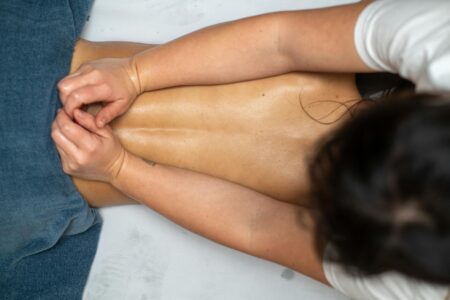


The beauty industry’s latest obsession isn’t a new serum or high-tech device-it’s a gentle massage technique that’s been practiced for centuries. Dermatologists across the country are now recommending lymphatic drainage massages to their patients, marking a significant shift from purely topical treatments to holistic wellness approaches that target skin health from within.
This manual therapy, which involves light, rhythmic strokes designed to stimulate the lymphatic system, has moved from spa luxury to medical recommendation. Leading dermatologists report seeing dramatic improvements in their patients’ skin texture, tone, and overall appearance when lymphatic drainage becomes part of their routine skincare regimen.
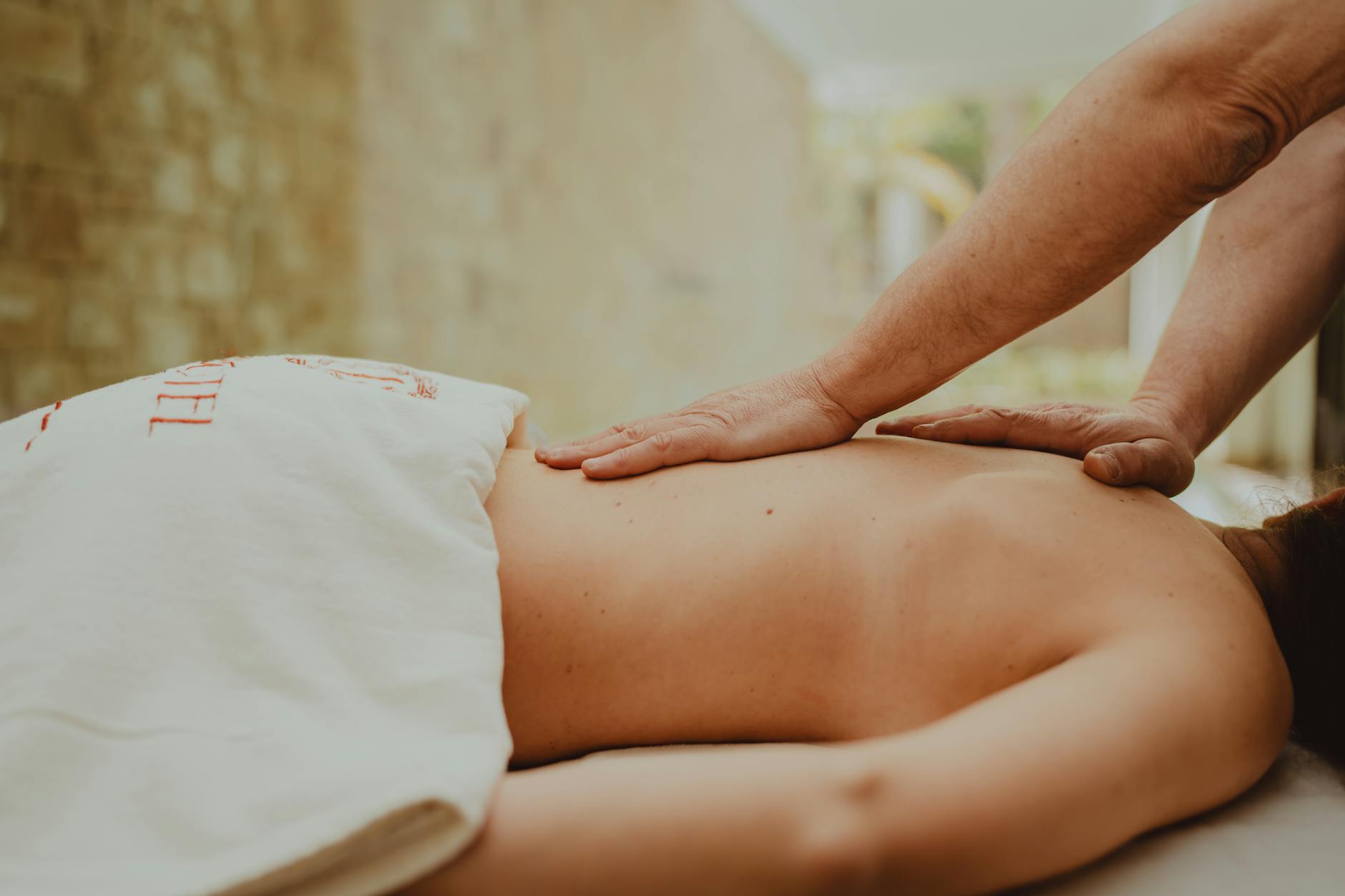
The Science Behind Lymphatic System and Skin Health
The lymphatic system serves as the body’s natural detoxification network, removing waste products and excess fluid from tissues. When this system becomes sluggish-whether due to stress, poor diet, lack of movement, or environmental factors-the effects become visible on the skin almost immediately.
Dr. Patricia Farris, a board-certified dermatologist and clinical associate professor at Tulane University School of Medicine, explains that lymphatic congestion directly impacts skin appearance. “When lymphatic flow is compromised, we see increased puffiness, dullness, and even accelerated signs of aging,” she notes. “The skin loses its natural radiance because cellular waste isn’t being efficiently removed.”
Recent research has shown that the lymphatic system plays a crucial role in maintaining skin barrier function. A study published in the Journal of Investigative Dermatology found that proper lymphatic drainage helps maintain optimal hydration levels and supports the skin’s natural repair processes. When lymphatic vessels function efficiently, they transport immune cells that help fight inflammation and promote healing.
The connection becomes even more compelling when considering that approximately 70% of lymphatic vessels are located just beneath the skin’s surface. This proximity means that targeted massage techniques can directly influence lymphatic flow, creating visible improvements in skin appearance within days of consistent treatment.
Why Medical Professionals Are Embracing Manual Lymphatic Drainage
The shift toward recommending lymphatic drainage reflects a broader trend in dermatology toward treating the whole person rather than just surface symptoms. Dr. Rachel Nazarian, a Manhattan-based dermatologist, has integrated lymphatic drainage recommendations into her practice after observing consistent results in patients dealing with chronic puffiness, post-procedure recovery, and general skin dullness.
“We’re seeing patients who have tried every cream and serum on the market but still struggle with lackluster skin,” Dr. Nazarian explains. “When we address the underlying lymphatic function, the results are often more dramatic than what we achieve with topical treatments alone.”
The technique has proven particularly effective for post-surgical and post-injection recovery. Patients who undergo cosmetic procedures like facelifts, fillers, or laser treatments are now routinely advised to incorporate lymphatic drainage into their recovery protocol. The massage helps reduce swelling more quickly and can minimize bruising duration by up to 40%.
Dermatologists also recommend lymphatic drainage for patients with chronic inflammatory conditions like rosacea or eczema. While not a cure, the improved circulation and waste removal can help reduce flare-ups and support the skin’s natural healing mechanisms. The gentle nature of the massage makes it suitable even for sensitive skin types that might react poorly to other treatments.

Professional Treatment vs. Self-Massage Techniques
While professional lymphatic drainage massage provides the most comprehensive benefits, dermatologists are also teaching patients simplified techniques for home use. The key lies in understanding proper pressure and direction-lymphatic massage requires much lighter touch than traditional massage therapy.
Professional treatments typically last 60-90 minutes and follow specific pathways that correspond to the body’s lymphatic map. Certified lymphatic drainage therapists use techniques developed by Dr. Emil Vodder, which involve gentle, wave-like motions that encourage lymph flow toward drainage points near the collarbone and behind the ears.
For at-home maintenance, dermatologists recommend focusing on the face and neck area using clean hands or specialized tools like gua sha stones or jade rollers. The technique involves starting at the center of the face and working outward toward the ears, always moving in the direction of lymphatic flow. Sessions should last 5-10 minutes and can be performed daily.
Dr. Dendy Engelman, a dermatologist at Shafer Clinic in New York, emphasizes the importance of proper technique. “Many people press too hard, thinking more pressure equals better results,” she explains. “Lymphatic vessels are delicate and respond better to light, consistent pressure that follows the natural flow patterns.”
The timing of self-massage also matters. Morning sessions help reduce overnight fluid accumulation, while evening treatments can help process the day’s environmental stressors. Patients often report that incorporating lymphatic massage into their routine helps their skincare products absorb better, creating a synergistic effect.
Integration with Modern Beauty Trends
The rise of lymphatic drainage massage aligns perfectly with other wellness-focused beauty trends gaining mainstream acceptance. Similar to how ancient Chinese cupping therapy becomes mainstream anti-aging treatment, lymphatic drainage represents a shift toward time-tested techniques backed by modern understanding.
This holistic approach resonates with consumers increasingly skeptical of harsh chemical treatments and invasive procedures. The gentle, natural aspect of lymphatic drainage appeals to those seeking effective results without potential side effects or recovery time.
Beauty brands have responded by developing tools specifically designed for lymphatic drainage. From vibrating facial massagers to temperature-controlled rollers, the market now offers numerous options for maintaining lymphatic health at home. However, dermatologists stress that tools are supplements to, not replacements for, proper technique.
The integration extends beyond skincare into overall wellness routines. Many patients combine lymphatic drainage with other recovery-focused treatments, creating comprehensive regimens that address multiple aspects of health and appearance simultaneously.

The medical endorsement of lymphatic drainage massage represents more than just another beauty trend-it signals a fundamental shift toward preventive, holistic skincare approaches. As dermatologists continue to recognize the connection between internal wellness and external appearance, patients can expect to see more recommendations that address root causes rather than just symptoms.
The future likely holds even more integration between traditional wellness practices and modern dermatology. With growing research supporting the skin-lymphatic system connection, lymphatic drainage may soon become as routine as daily moisturizer in comprehensive skincare regimens. For now, the technique offers a gentle, effective way to enhance skin health while supporting overall wellness-a combination that’s proving irresistible to both medical professionals and beauty enthusiasts alike.
Frequently Asked Questions
How often should you get lymphatic drainage massage?
Professional treatments are recommended 1-2 times monthly, with daily 5-10 minute self-massage for maintenance.
Can lymphatic drainage help with acne?
While not a direct acne treatment, improved lymphatic flow can reduce inflammation and support skin’s natural healing processes.