


Dermatologists across the country are prescribing an unexpected treatment for stubborn acne: jumping into ice-cold water. The practice, known as cold plunge therapy, has moved from elite athlete recovery routines to mainstream skincare protocols, with board-certified dermatologists reporting significant improvements in their patients’ acne severity after regular cold water immersion.
Dr. Sarah Chen, a dermatologist at NYU Langone Health, began recommending cold plunge therapy to her acne patients six months ago after noticing a pattern. “I had several patients who were avid cold plunge enthusiasts, and their skin was consistently clearer than what I’d expect given their acne history,” she explains. “It prompted me to look deeper into the physiological mechanisms at play.”
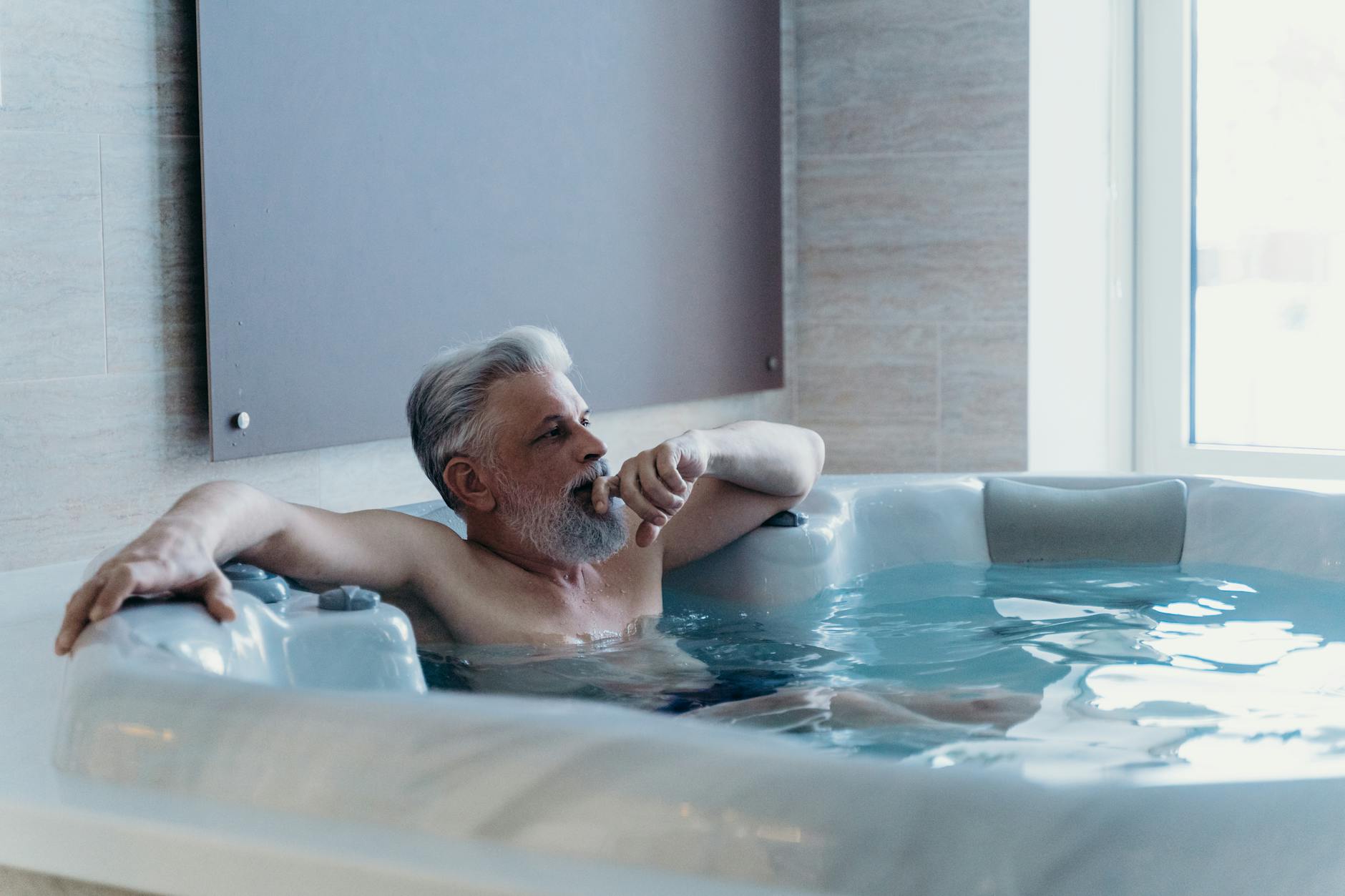
The science behind cold plunge therapy’s acne-fighting properties centers on vasoconstriction and hormonal regulation. When the body is exposed to cold water, typically between 50-59 degrees Fahrenheit, blood vessels constrict dramatically, reducing inflammation throughout the body including the skin. This anti-inflammatory response directly targets one of acne’s primary drivers: inflamed pores and sebaceous glands.
The Inflammation Connection
Cold water immersion triggers a cascade of physiological responses that dermatologists are finding particularly beneficial for acne-prone skin. The immediate vasoconstriction reduces blood flow to inflamed areas, providing relief similar to applying ice to a swollen injury. But the benefits extend far beyond this initial response.
Dr. Michael Rodriguez, a dermatologist practicing in Los Angeles, has been tracking patient outcomes for cold plunge therapy over the past year. “We’re seeing approximately 40% improvement in inflammatory acne lesions after eight weeks of regular cold plunge sessions,” he reports. “The patients who see the most dramatic results are those with hormonal acne and stress-related breakouts.”
The hormonal component is particularly significant. Cold water exposure stimulates the release of norepinephrine, a hormone that not only reduces inflammation but also helps regulate cortisol levels. Elevated cortisol, often called the stress hormone, is a well-documented trigger for acne flares. By helping to normalize cortisol production, cold plunge therapy addresses acne from a systemic rather than purely topical approach.
Research published in the International Journal of Circumpolar Health found that regular cold water immersion can reduce cortisol levels by up to 25% in healthy adults. While this study didn’t specifically focus on acne, dermatologists are drawing connections between these findings and the skin improvements they’re observing in their practices.
Protocol and Patient Selection
Not all acne patients are good candidates for cold plunge therapy. Dermatologists are being selective about who they recommend for this treatment, typically focusing on patients with inflammatory acne, stress-related breakouts, or those who haven’t responded well to traditional topical treatments.
The recommended protocol varies by practitioner, but most dermatologists suggest starting with 2-3 minute sessions in 55-degree water, three times per week. Dr. Chen emphasizes the importance of gradual adaptation. “We don’t throw patients into ice baths immediately. It’s a progressive approach that allows their body to adapt while maximizing the anti-inflammatory benefits.”

Patients are also advised to maintain their existing skincare routines while adding cold plunge therapy. “This isn’t a replacement for proven acne treatments like retinoids or benzoyl peroxide,” clarifies Dr. Rodriguez. “It’s a complementary therapy that enhances overall treatment outcomes.”
The timing of cold plunge sessions appears to matter. Most dermatologists recommend morning sessions, as the norepinephrine boost can interfere with sleep if done too close to bedtime. Additionally, patients are advised to avoid aggressive skincare treatments immediately after cold water immersion, as the skin may be more sensitive.
Real-World Results and Patient Experiences
Sarah Martinez, a 28-year-old marketing executive, began cold plunge therapy after struggling with adult acne for five years. “I’d tried everything – prescription topicals, oral antibiotics, even considered Accutane,” she says. “My dermatologist suggested adding cold plunges to my routine, and within six weeks, my cystic acne was significantly reduced.”
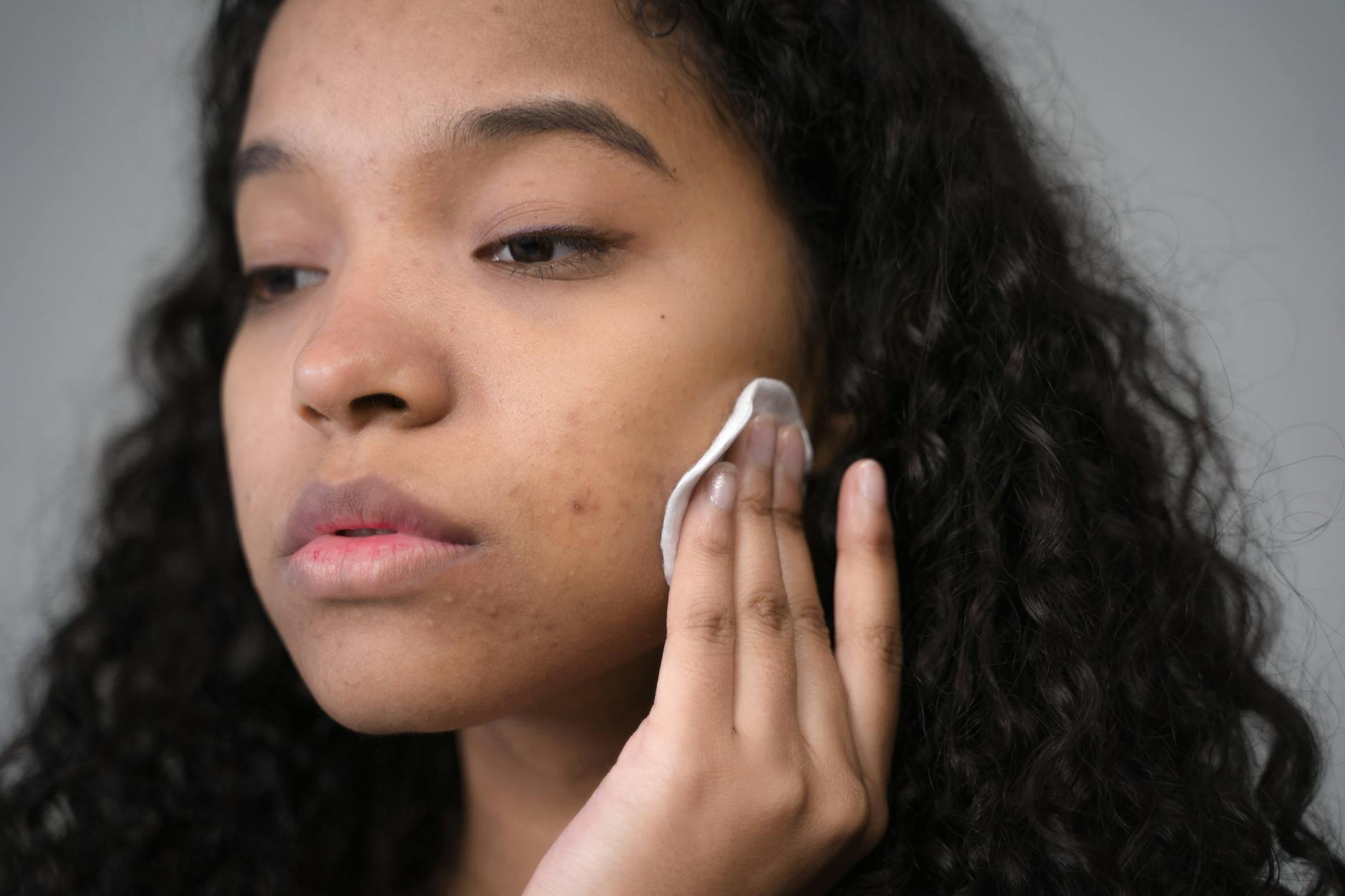
Martinez’s experience reflects what many dermatologists are observing: cold plunge therapy seems particularly effective for deep, cystic acne that’s resistant to topical treatments. The anti-inflammatory effects penetrate deeper than surface-level treatments, addressing inflammation at the source.
The psychological benefits are also notable. Many patients report feeling more confident and less stressed about their skin, creating a positive feedback loop. Reduced stress means lower cortisol levels, which can lead to fewer stress-induced breakouts.
However, dermatologists are careful to manage expectations. Dr. Chen notes that results typically become apparent after 4-6 weeks of consistent practice, and the therapy requires ongoing commitment. “It’s not a quick fix,” she emphasizes. “But for the right patients, it can be a game-changer in their acne management routine.”
The trend is gaining traction beyond individual practices. Several dermatology clinics are now installing cold plunge pools on-site, allowing patients to complete their therapy sessions immediately after consultations. This integration of traditional medical practice with wellness therapy represents a broader shift in dermatology toward holistic treatment approaches.
Future of Cold Therapy in Dermatology
The growing body of evidence supporting cold plunge therapy for acne is prompting larger clinical studies. The American Academy of Dermatology has announced plans to conduct a multi-center trial examining the effects of cold water immersion on various inflammatory skin conditions, including acne, eczema, and psoriasis.
Dr. Rodriguez predicts that cold therapy will become a standard recommendation in dermatology practices within the next two years. “We’re seeing similar integrative approaches in other medical specialties. It makes sense that dermatology would embrace therapies that address both the physical and psychological components of skin conditions.”
The accessibility of cold plunge therapy is also expanding. While professional cold plunge facilities were once limited to major metropolitan areas, they’re now opening in suburban and rural markets. Additionally, at-home cold plunge options are becoming more affordable, making the therapy accessible to a broader patient population.
As with Japanese collagen supplements gaining popularity in Western skincare routines, cold plunge therapy represents a shift toward evidence-based alternative treatments in dermatology. The key difference is the growing clinical validation from board-certified dermatologists rather than social media trends.
The future likely holds more sophisticated applications of cold therapy in dermatology, potentially including targeted cold treatments for specific types of acne lesions or combination protocols that integrate cold therapy with existing pharmaceutical treatments. As research continues and more dermatologists adopt these protocols, cold plunge therapy may become as routine a recommendation as sunscreen application or retinoid use.
Frequently Asked Questions
How often should I do cold plunge therapy for acne?
Dermatologists typically recommend 2-3 sessions per week, starting with 2-3 minutes in 55-degree water.
Is cold plunge therapy safe for all acne types?
It’s most effective for inflammatory and cystic acne, but should be discussed with a dermatologist first.