

The cobblestones of Milan’s Quadrilatero della Moda tell no lies. After four days of Fashion Week, even the most seasoned editors limp from show to show, their designer heels abandoned in hotel rooms. But this season, a quiet revolution is taking place on the front rows. Fashion’s most influential voices are trading stilettos for support, choosing orthopedic shoes that promise comfort without sacrificing style.
The shift represents more than personal preference. It signals a fundamental change in how the fashion industry approaches both functionality and wellness. As sustainability conversations reshape luxury brands and workplace wellness becomes paramount, even fashion’s most traditional spaces are embracing practical innovation.
The Front Row Comfort Revolution
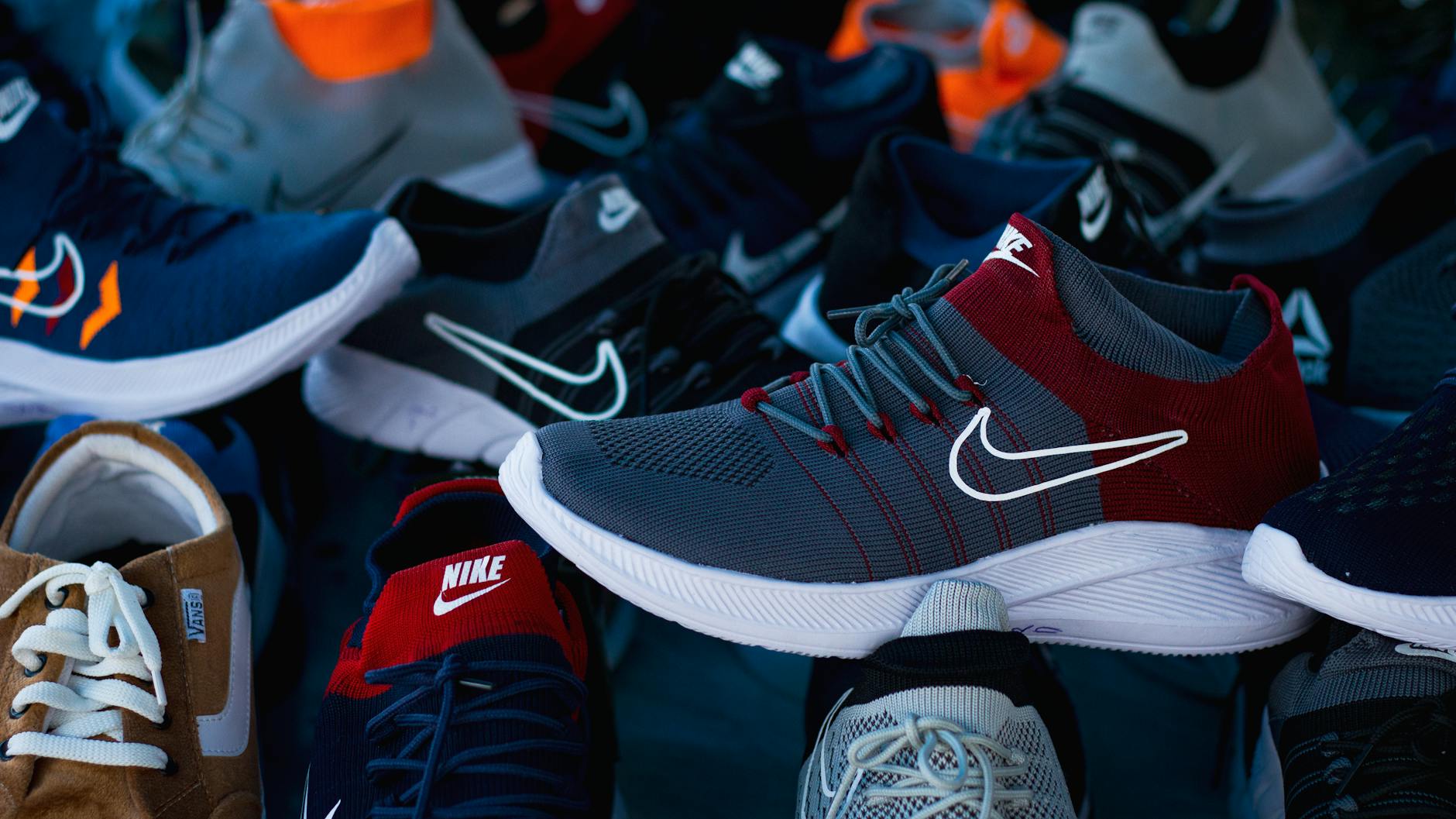
Fashion editors have always been pragmatic beneath their polished exteriors. Anna Dello Russo reportedly carries flat shoes in her bag, switching between heels for photos and comfort for walking. But today’s editors are making different choices entirely, openly wearing supportive footwear from the moment they leave their hotels.
The numbers support this shift. Orthopedic shoe brands report significant growth in their fashion-forward lines. Companies like Vionic, which combines podiatrist-designed support with contemporary styling, have expanded into European markets specifically to serve fashion professionals. Their collaborations with designers now appear regularly on fashion week street style blogs.
Behind this movement lies simple mathematics. Fashion Week attendees walk an average of eight miles daily across shows, presentations, and parties. Traditional fashion footwear wasn’t designed for this reality. The industry’s acknowledgment of this disconnect reflects broader conversations about sustainable work practices and employee wellness that have gained momentum across creative industries.
Younger fashion editors, influenced by wellness culture and comfortable with challenging traditional dress codes, lead this change. They’re the same demographic embracing vintage eyewear over designer frames, prioritizing personal expression and practical considerations over conventional luxury signals.
Designer Brands Respond to Demand
Luxury fashion houses have taken notice. Prada’s recent collaboration with Adidas brought athletic comfort technology into high fashion. Bottega Veneta’s “puddle boots” combine orthopedic principles with avant-garde design. These aren’t compromises – they’re intentional design statements that acknowledge modern life’s realities.
The trend extends beyond footwear giants. Independent designers specializing in comfortable luxury have gained fashion credibility. Brands like Rothy’s, known for washable flats made from recycled materials, now appear in Vogue editorials alongside traditional luxury brands. Their success proves that sustainability and comfort can coexist with high fashion aesthetics.

Fashion buyers report increased interest in comfort-focused collections. Department stores now dedicate significant floor space to “comfort luxury” – a category that didn’t exist five years ago. This shift reflects changing consumer priorities, where traditional status symbols compete with wellness-focused purchases.
The economic impact is substantial. Comfortable luxury shoes often cost less than traditional designer heels, making fashion more accessible while maintaining quality. This democratization aligns with fashion’s broader movement toward inclusivity and practical luxury that serves diverse body types and lifestyles.
Health Meets High Fashion
Orthopedic principles in fashion shoes address real medical concerns. Plantar fasciitis, common among fashion professionals who spend long hours on hard surfaces, requires proper arch support that traditional fashion footwear rarely provides. Bunions, another occupational hazard, benefit from wider toe boxes and flexible materials.
Fashion week’s demanding schedule exacerbates these issues. Shows run from early morning through late evening, with minimal rest between venues. Comfortable footwear isn’t just preference – it’s occupational necessity that allows professionals to perform their jobs effectively.
The medical fashion intersection has gained credibility through celebrity endorsements. Sarah Jessica Parker’s SJP collection includes shoes designed with podiatrist input. Her public discussions about foot health and fashion have helped normalize conversations about comfortable luxury that were once considered unfashionable.
Professional stylists now routinely recommend supportive shoes to celebrity clients for long events. The 2023 Met Gala saw several attendees in custom orthopedic footwear designed to complement their avant-garde looks. This high-profile adoption has filtered down to fashion week attendees and everyday consumers.
Street Style Evolution
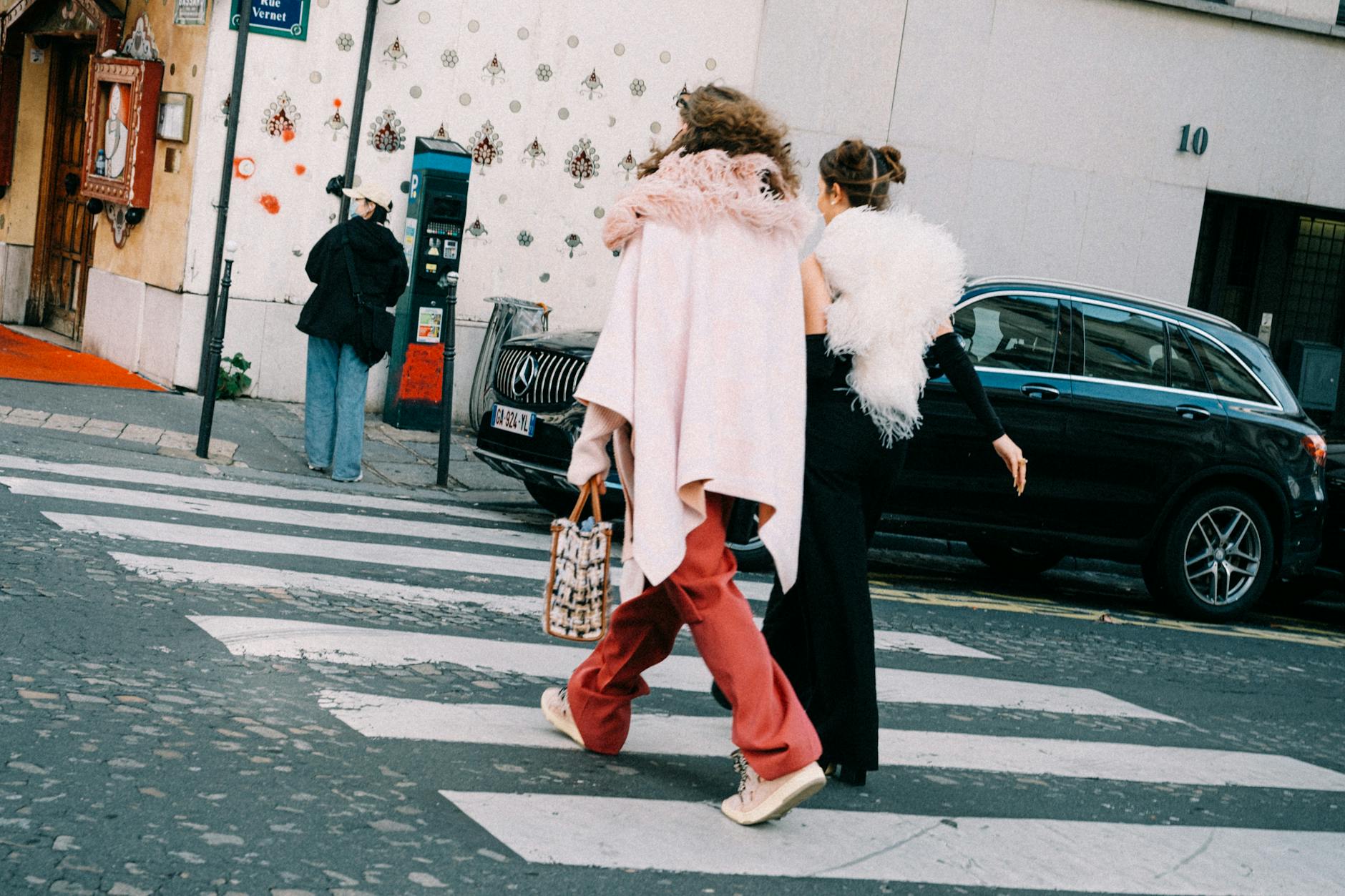
Fashion week street style photography has documented this evolution. Comfort-focused footwear now appears regularly in style roundups that once exclusively featured sky-high heels. Photographers actively seek diverse shoe choices that reflect changing fashion attitudes.
The aesthetic impact extends beyond individual choices. When fashion’s tastemakers embrace functional design, it influences broader style conversations. The same professionals who championed monastery-inspired minimalist wardrobes now advocate for footwear that prioritizes long-term foot health over temporary visual impact.
Social media has amplified this shift. Fashion editors openly discuss foot comfort on Instagram, sharing behind-the-scenes content that humanizes the glamorous industry facade. This transparency has encouraged followers to prioritize comfort in their own fashion choices, creating a feedback loop that reinforces the trend.
The ripple effects extend to fashion education. Design schools now include ergonomic principles in footwear design courses. Students learn to balance aesthetic innovation with human comfort – a shift that will influence fashion design for decades to come.
The orthopedic fashion movement represents more than temporary comfort seeking. It signals fashion’s maturation into an industry that acknowledges the human cost of beauty and actively seeks solutions. As fashion weeks worldwide adapt to this new reality, the conversation has moved from whether comfort belongs in high fashion to how quickly the industry can innovate to meet evolving needs. The cobblestones will remain unforgiving, but fashion’s relationship with them has fundamentally changed.
Frequently Asked Questions
Why are fashion editors choosing orthopedic shoes?
Fashion Week requires walking 8+ miles daily on hard surfaces, making supportive footwear essential for foot health and job performance.
Do orthopedic shoes look fashionable enough for Fashion Week?
Modern orthopedic shoes combine medical support with contemporary design, appearing regularly in street style coverage and luxury collections.