

Designer Rebecca Minkoff scrolls through images of firefighters battling California wildfires, but she’s not watching the news. She’s studying their gear. The reflective strips, reinforced seams, and multi-pocket utility vests worn by first responders have caught the attention of luxury fashion houses worldwide. What started as functional workwear designed to save lives is now inspiring collections that command four-figure price tags on runways from Milan to New York.
The crossover began quietly in 2023 when Balenciaga introduced reflective tape detailing on their fall collection. Soon after, Prada showcased oversized utility jackets with firefighter-inspired chest pockets and radio loops. The trend has accelerated through 2024, with brands like Stone Island, Canada Goose, and emerging labels incorporating elements directly lifted from emergency responder uniforms into their high-end offerings.
The Science Behind the Style
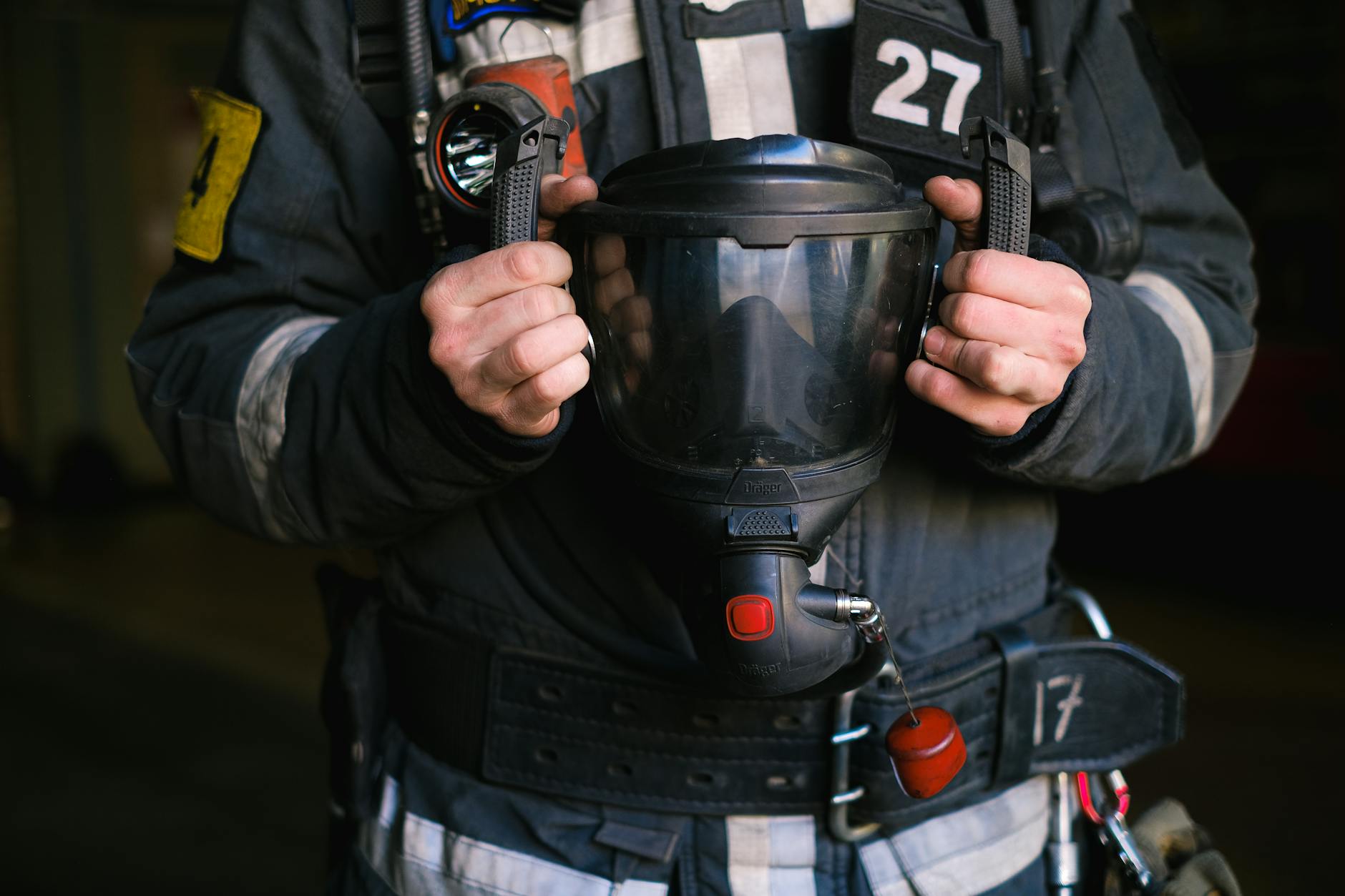
Firefighter gear represents the pinnacle of protective textile engineering. Their turnout coats feature three-layer construction: an outer shell resistant to heat and flames, a moisture barrier that blocks water while allowing vapor to escape, and a thermal liner for insulation. This technology, refined over decades of life-or-death testing, offers fashion designers a blueprint for garments that are both highly functional and visually striking.
Luxury brands are particularly drawn to the reflective materials used in emergency gear. 3M Scotchlite, the retroreflective tape that makes firefighters visible in smoke-filled environments, has appeared on everything from Off-White sneakers to Bottega Veneta handbags. The material’s ability to catch and redirect light creates a futuristic aesthetic that photographs beautifully under fashion show lighting.
The color palette of firefighter gear has also influenced recent collections. The high-visibility yellow found on structural firefighting equipment has emerged in luxury pieces from Jacquemus and Ganni. Meanwhile, the deep navy and black combinations standard in fire department uniforms are being reinterpreted in premium materials like cashmere and Italian wool.
Stone Island, known for their technical outerwear, collaborated directly with manufacturers of emergency response gear to develop their “Ghost Piece” collection. The line features jackets with reflective treatments that completely change color under different lighting conditions, technology borrowed directly from firefighter visibility requirements.
From Station House to Runway
The influence extends beyond materials to silhouettes and functionality. Firefighter turnout gear emphasizes mobility and tool accessibility, principles that translate surprisingly well to urban fashion. The oversized fit allows for layering and movement, while the abundance of pockets serves the modern consumer’s need to carry devices, keys, and other daily essentials.
Designer brands are incorporating specific elements like radio straps, which firefighters use to secure communication devices. These now appear as decorative details on jackets from brands like A-Cold-Wall and 1017 ALYX 9SM. Tool loops, originally designed to hold axes and flashlights, have been adapted as attachment points for accessories in streetwear collections.
The trend mirrors the broader fashion industry’s fascination with workwear aesthetics. Similar to how nurse scrubs are inspiring high-end athleisure collections, firefighter gear represents authentic functionality that consumers find appealing in an era of Instagram-ready fashion that often prioritizes appearance over practicality.
Luxury brands are charging premium prices for these firefighter-inspired pieces. A Prada technical jacket featuring reflective detailing retails for over $3,000, while Stone Island’s emergency-inspired outerwear commands similar prices. The markup reflects not just the cost of technical materials, but the cultural cachet of wearing gear inspired by heroes.
The Technology Transfer
Fashion’s adoption of firefighter technology extends to manufacturing processes. Brands are investing in flame-resistant treatments, moisture-wicking fabrics, and reinforced construction techniques originally developed for emergency responders. These innovations are being applied to everyday garments, creating clothing that performs better in urban environments.
Gore-Tex, initially developed for outdoor gear and later adopted by fire departments, has become standard in luxury outerwear. The membrane’s ability to repel water while allowing perspiration to escape makes it ideal for high-end urban jackets. Brands like Arc’teryx and The North Face Purple Label have built entire collections around this technology.
Heat-resistant materials used in firefighter gloves are inspiring luxury leather goods. Italian leather manufacturers are experimenting with treatments that provide temperature protection while maintaining the supple feel expected in premium accessories. These innovations are appearing in motorcycle jackets and technical accessories from heritage brands.
The durability standards required for emergency gear are also influencing luxury fashion’s approach to construction. Firefighter equipment must withstand extreme conditions and repeated washing, requirements that align with the luxury market’s emphasis on longevity and investment pieces.
Cultural Impact and Consumer Response
The firefighter aesthetic resonates with consumers seeking authenticity in their fashion choices. In an era of fast fashion and disposable trends, clothing inspired by life-saving equipment carries inherent meaning and purpose. The visible utility elements serve as a counterpoint to purely decorative fashion, offering wearers a sense of preparedness and capability.
Street style photographers have documented the trend’s adoption among fashion influencers and celebrities. The utilitarian aesthetic photographs well for social media, where the reflective elements create dramatic lighting effects. Fashion weeks in major cities now regularly feature attendees wearing firefighter-inspired pieces as statement outerwear.
The trend has also sparked conversations about appropriation and respect for essential workers. Some critics argue that luxury brands are profiting from the aesthetic of underpaid public servants. However, supporters point out that the visibility helps highlight the sophisticated technology and design thinking that goes into protective equipment.
Fashion brands are beginning to acknowledge this tension through partnerships and donations. Several companies have pledged portions of profits from firefighter-inspired collections to fire safety organizations and equipment funds for volunteer departments.
The Future of Functional Fashion
The influence of firefighter gear on luxury fashion shows no signs of slowing. Emerging designers are exploring more subtle incorporations of emergency response elements, moving beyond obvious reflective tape to integrate advanced textiles and construction techniques. The focus is shifting from copying the aesthetic to understanding and applying the underlying functionality.
As climate change increases the frequency of extreme weather events, the protective technologies developed for firefighters become more relevant to everyday consumers. Fashion brands are positioning themselves to offer not just style, but genuine protection against environmental challenges.
The crossover between emergency gear and luxury fashion represents a broader trend toward purposeful design. Consumers increasingly expect their clothing to perform multiple functions, and the rigorous testing standards of firefighter equipment provide a benchmark for quality and durability that fashion brands are eager to meet.
Frequently Asked Questions
Why are luxury brands using firefighter gear design elements?
The advanced materials, functional design, and heroic associations of firefighter gear offer authentic utility and visual impact that appeals to luxury consumers.
Which luxury brands have incorporated firefighter-inspired elements?
Major brands including Balenciaga, Prada, Stone Island, and Canada Goose have featured reflective materials, utility pockets, and protective textiles in recent collections.