

Fashion weeks from Milan to New York showcase designer bags worth thousands, yet Gen Z influencers are carrying something entirely different: vintage Polaroid cameras. These boxy instant cameras from the 1970s and 80s have become the unexpected “it” accessory of 2024, transforming from forgotten photography equipment into coveted fashion statements.
The trend exploded when TikTok creator Emma Chamberlain was spotted at Coachella with a mint-green Polaroid OneStep camera slung across her vintage band tee. Within weeks, #PolaroidFashion videos accumulated over 50 million views, with young creators styling their cameras as handbags, incorporating them into outfit grids, and treating them as essential accessories rather than functional devices.
Unlike the polished smartphone photography that dominates social media, Polaroid cameras offer something radically different: imperfection as luxury. The grainy textures, light leaks, and unpredictable color shifts that plagued instant photography in its heyday now represent authenticity in a filtered world.
The Aesthetic Revolution Against Digital Perfection
Gen Z’s embrace of Polaroid cameras reflects a broader rejection of digital perfection. While millennials perfected the art of Instagram curation, Gen Z craves the uncontrollable nature of instant film. Each shot costs money, forces intentionality, and produces unique results that cannot be replicated or edited.
“There’s something magical about not knowing what you’re going to get,” says 22-year-old fashion student Maya Rodriguez, who carries her grandmother’s 1970s Polaroid SX-70 to every social event. “When everyone else is taking 50 iPhone photos to get the perfect shot, I take one Polaroid and whatever happens, happens.”
The cameras themselves have become fashion objects. The chunky, geometric designs of models like the Polaroid OneStep, SX-70, and Sun 600 offer striking visual contrast to today’s sleek technology. Fashion stylists report increased requests to incorporate vintage cameras into editorial shoots, not as functional tools but as props that communicate a specific aesthetic philosophy.
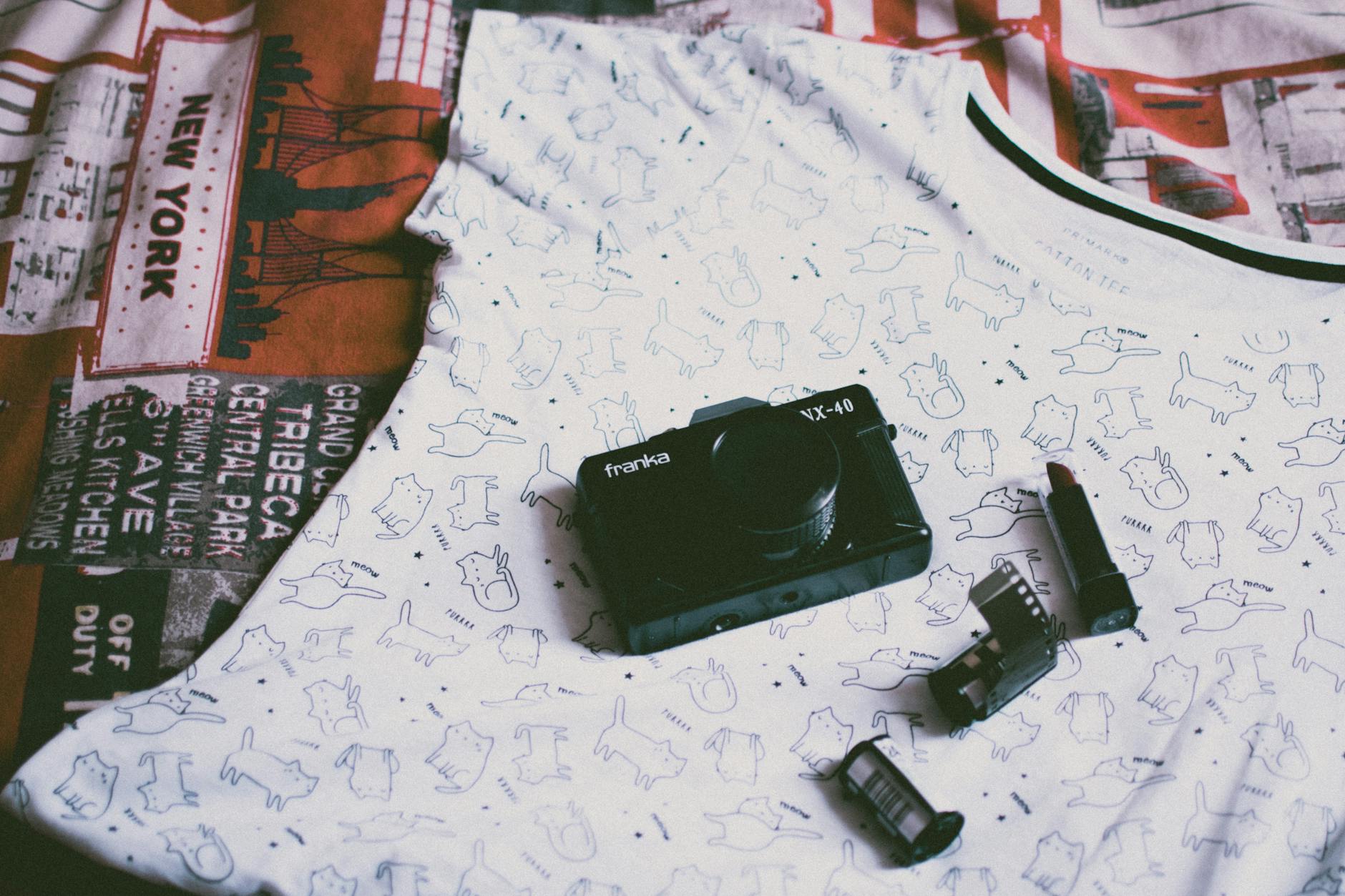
Social media has amplified this trend beyond individual use. Fashion brands like Urban Outfitters and & Other Stories now prominently feature Polaroid cameras in their campaign imagery, positioning them alongside vintage clothing and retro accessories. The cameras appear in outfit flatlays, street style photography, and even as decorative elements in carefully curated bedroom aesthetics.
Status Symbol Meets Sustainable Fashion
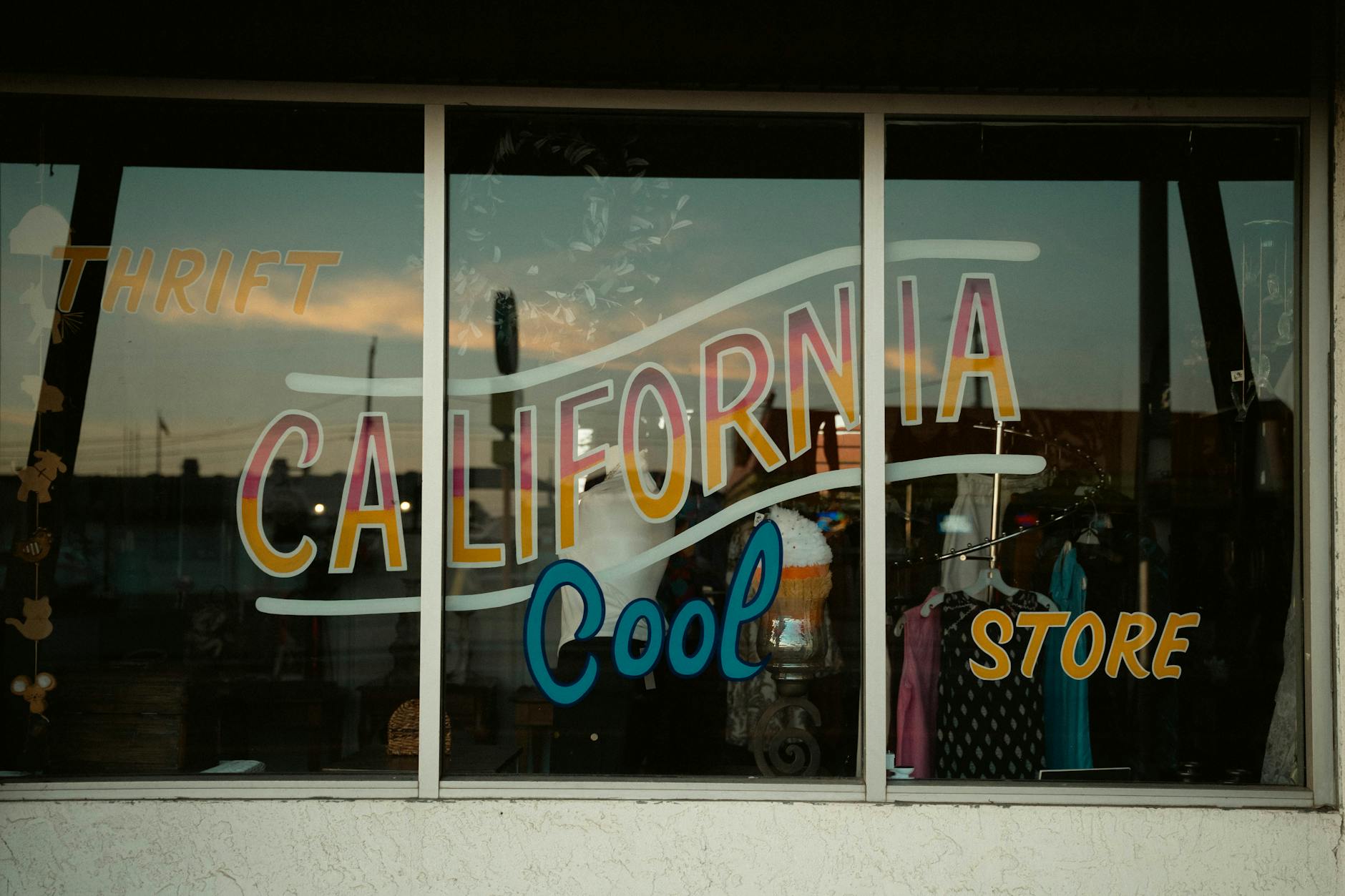
The vintage camera trend aligns perfectly with Gen Z’s commitment to sustainable fashion. Rather than purchasing new accessories, young consumers are scouring thrift stores, estate sales, and online marketplaces for authentic vintage Polaroid models. This secondary market has exploded, with working vintage cameras commanding premium prices.
Etsy reports a 300% increase in searches for “vintage Polaroid camera” over the past year, while Facebook Marketplace and Depop overflow with carefully restored instant cameras. The hunt for the perfect vintage model has become part of the appeal, with collectors sharing their finds and restoration projects across social platforms.
This trend mirrors the broader vintage accessories movement, similar to why Gen Z is choosing vintage hair clips over modern accessories. Both trends represent a rejection of fast fashion in favor of unique, historically significant pieces that carry stories and character.
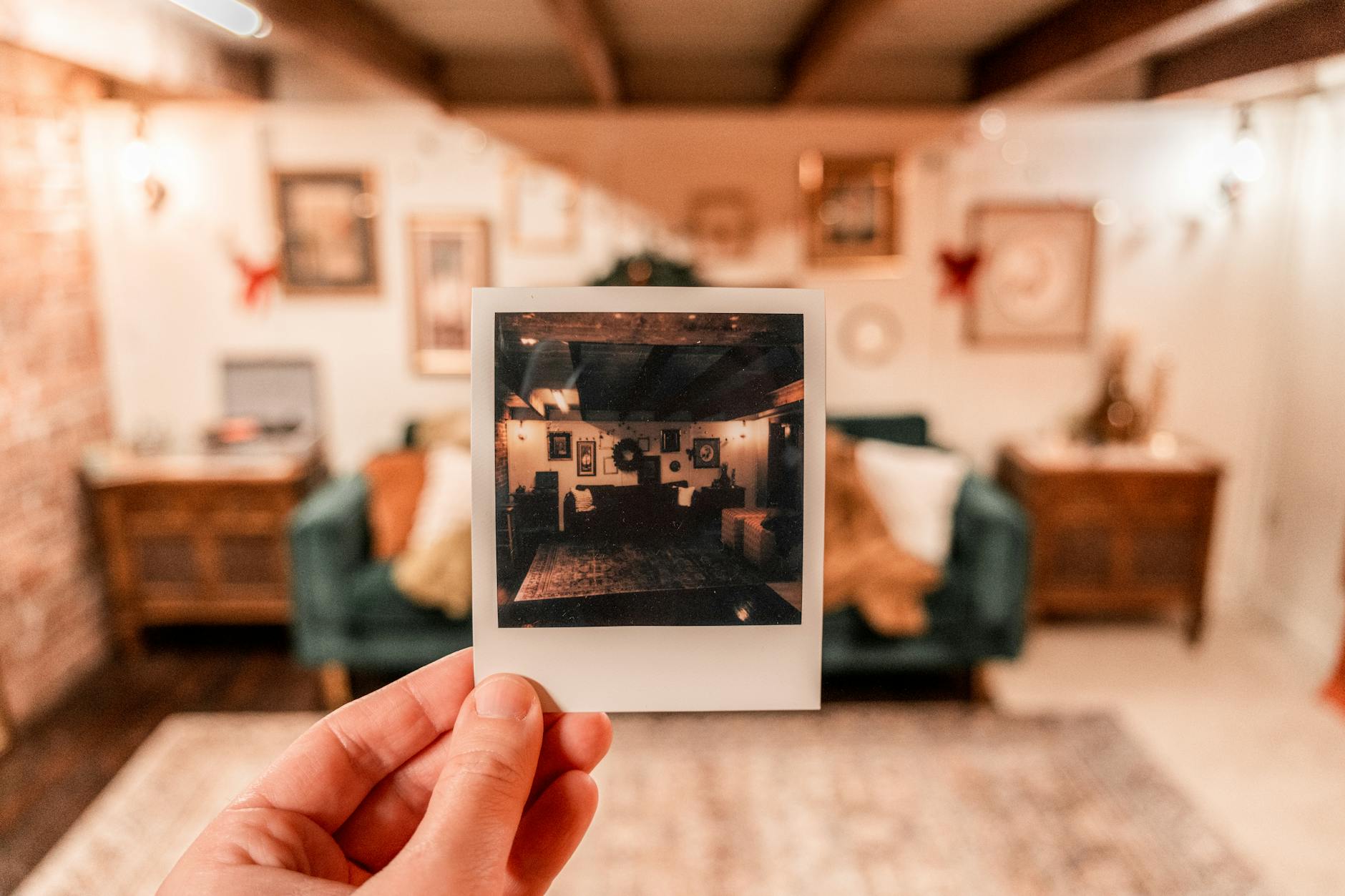
The sustainability angle extends beyond the cameras themselves. Instant film photography encourages mindful consumption – each shot costs approximately $2, making every frame precious. This forced scarcity creates a more intentional relationship with image-making, contrasting sharply with the endless digital photos stored in smartphone galleries.
From Function to Fashion Statement
Fashion stylists and personal shoppers report that clients increasingly request vintage cameras as accessories for special events, photoshoots, and even wedding parties. The cameras serve multiple functions: conversation starters, aesthetic elements, and functional devices that create instant keepsakes.
“I see girls carrying Polaroid cameras to music festivals, gallery openings, and even casual brunches,” observes celebrity stylist Rachel Kim. “They’re treating them like statement handbags – the camera becomes part of the outfit narrative.”
The styling possibilities are endless. Smaller models like the Polaroid SX-70 can be worn crossbody with vintage leather straps, while larger cameras like the OneStep create bold statement pieces that anchor entire outfits. Fashion enthusiasts coordinate camera colors with their clothing palettes, treat weathered cameras as distressed luxury goods, and incorporate the devices into seasonal styling themes.
Fashion weeks have embraced this trend, with attendees carrying vintage cameras as both functional tools and fashion accessories. Street style photographers now regularly capture influencers posing with their Polaroid cameras, creating meta-images that blur the lines between photographer and subject, function and form.
The trend has also influenced contemporary fashion design. Several emerging designers have created camera-inspired bags and accessories that capture the geometric aesthetic of vintage Polaroid cameras without the functionality, catering to consumers who want the look without the commitment to film photography.
The Community Behind the Cameras
Beyond individual styling choices, vintage Polaroid cameras have fostered vibrant communities of young photographers and fashion enthusiasts. Instagram accounts dedicated to instant film photography showcase not just the images produced but the cameras themselves as objects of beauty and cultural significance.
These communities organize “photo walks” where participants carry vintage cameras through urban environments, combining fashion, photography, and social connection. The events often emphasize styling the cameras as accessories, with participants coordinating their outfits around their chosen vintage models.
YouTube channels dedicated to vintage camera restoration and styling have gained substantial followings, with young creators demonstrating how to incorporate instant cameras into modern wardrobes. These videos often feature thrift store hunting, camera restoration techniques, and styling tutorials that treat the cameras primarily as fashion accessories.
The community aspect extends to film swaps, where users trade instant photos taken with their vintage cameras. These exchanges prioritize the aesthetic and emotional value of the physical prints over the technical quality, reinforcing the cameras’ role as lifestyle accessories rather than precision instruments.
As vintage Polaroid cameras cement their status as fashion accessories, their influence extends far beyond individual styling choices. They represent a generational shift toward valuing authenticity, sustainability, and intentional consumption in both fashion and technology. The trend suggests that Gen Z’s relationship with accessories will increasingly prioritize objects with history, character, and the ability to create genuine experiences over polished perfection.
The vintage camera fashion trend shows no signs of slowing, with new converts discovering the joy of carrying these distinctive accessories daily. As more young consumers embrace the intersection of fashion and functional vintage items, Polaroid cameras stand as powerful symbols of a generation that values substance, sustainability, and style in equal measure.
Frequently Asked Questions
Why are vintage Polaroid cameras becoming fashion accessories?
Gen Z values authenticity and sustainability, making vintage cameras perfect statement pieces that reject digital perfection while promoting mindful consumption.
Where can I buy vintage Polaroid cameras for fashion?
Check Etsy, Facebook Marketplace, Depop, thrift stores, and estate sales for authentic vintage models that work as both accessories and functional cameras.