

Walk into any trendy neighborhood coffee shop and you’ll spot them instantly: young professionals sporting perfectly round John Lennon-style glasses, thick-framed tortoiseshell specs that could have belonged to a 1970s librarian, or wire-rimmed aviators straight out of the 1980s. Gen Z has declared war on contemporary designer eyewear, choosing instead to raid vintage collections and thrift stores for frames that tell a story.
This shift represents more than just another fashion cycle. While millennials obsessed over the latest Warby Parker drops and designer collaborations, their younger counterparts are hunting for authentic vintage pieces from decades past. The result? A generation that sees eyewear not as a medical necessity to hide, but as the centerpiece of their personal brand.
The Thrill of the Hunt Drives Vintage Appeal
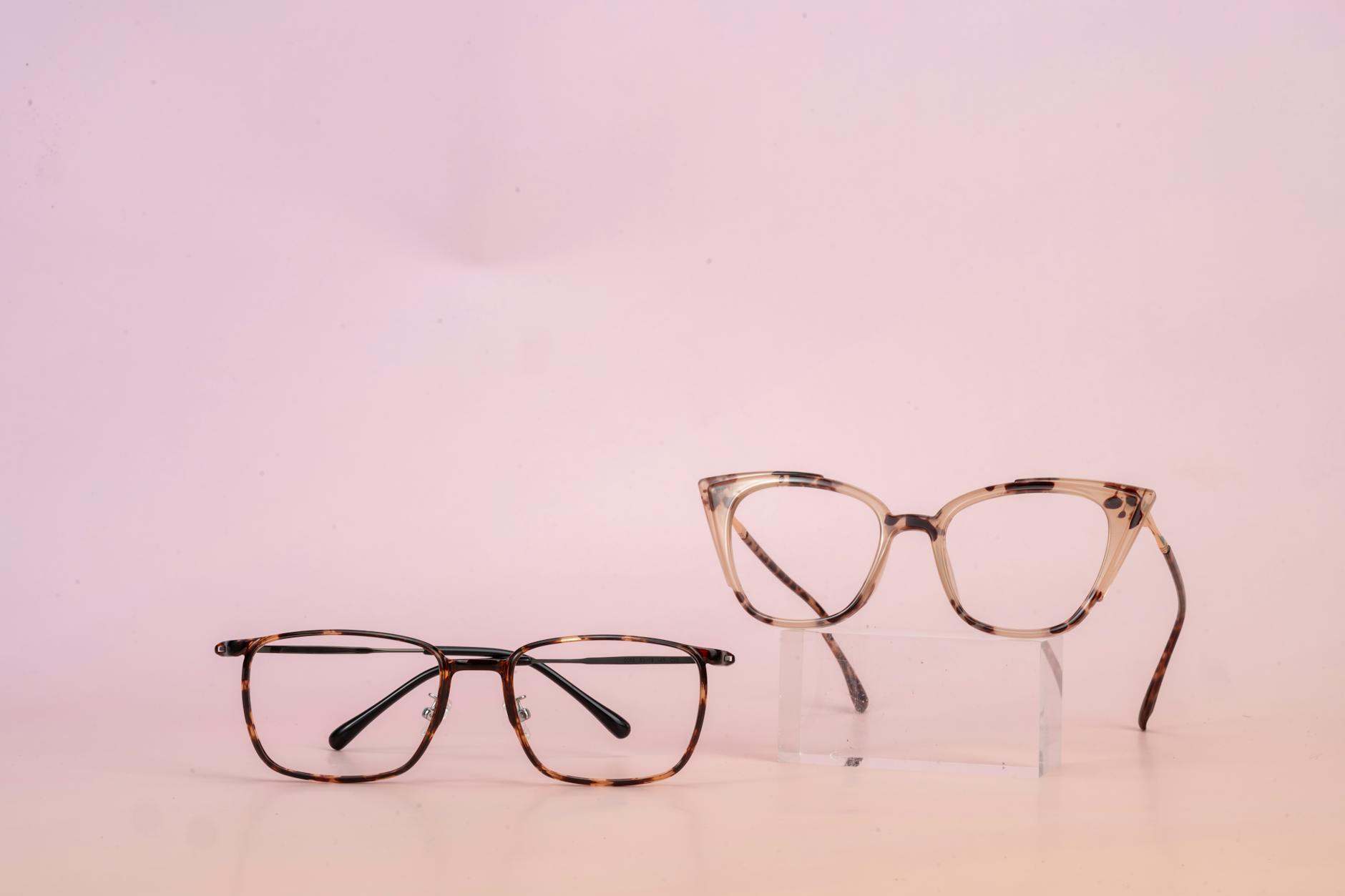
Unlike clicking “add to cart” on a brand’s website, finding the perfect vintage frames requires dedication, patience, and a bit of luck. Gen Z thrives on this treasure hunt mentality, spending hours combing through estate sales, vintage shops, and online marketplaces like Etsy and Depop to uncover hidden gems.
“I found these incredible 1960s cat-eye glasses at an estate sale for fifteen dollars,” says Maria Rodriguez, a 22-year-old graphic designer from Austin. “They belonged to someone’s grandmother, and now they’re part of my story too. You can’t get that connection from buying mass-produced frames at the mall.”
This generation grew up with fast fashion and instant gratification, making the slow, deliberate process of vintage hunting feel refreshingly authentic. Each pair of vintage frames carries history – scratches that tell stories, slight warping from decades of wear, and craftsmanship details that modern manufacturing often overlooks.
The hunt itself has become social media content. TikTok users document their thrifting adventures, sharing before-and-after videos of vintage frame discoveries and styling tips for incorporating retro eyewear into modern outfits. Hashtags like #vintagefinds and #thriftedglasses generate millions of views, creating a community around the shared experience of discovery.
Sustainability Meets Style Philosophy
Environmental consciousness drives many Gen Z purchasing decisions, and eyewear is no exception. The fashion industry’s environmental impact weighs heavily on this generation’s minds, and choosing vintage frames aligns with their values of reducing waste and consumption.
New eyeglass frames require raw materials, manufacturing processes, and packaging that contribute to environmental degradation. By choosing vintage, Gen Z consumers extend the lifecycle of existing products while avoiding the carbon footprint of new manufacturing. This philosophy extends beyond eyewear – it’s the same mindset driving the popularity of thrifted clothing and vintage furniture among young consumers.
The durability of vintage frames also appeals to a generation tired of planned obsolescence. Many vintage glasses were built to last decades, featuring solid metal construction and quality materials that modern budget frames often lack. Gen Z appreciates this longevity, viewing their vintage finds as investments rather than disposable accessories.
This sustainable approach to fashion reflects a broader rejection of throwaway culture. The Rise of Monastery-Inspired Minimalist Wardrobe Movements demonstrates how young consumers increasingly prefer meaningful, lasting pieces over trend-driven purchases.
Identity Expression Through Historical Reference
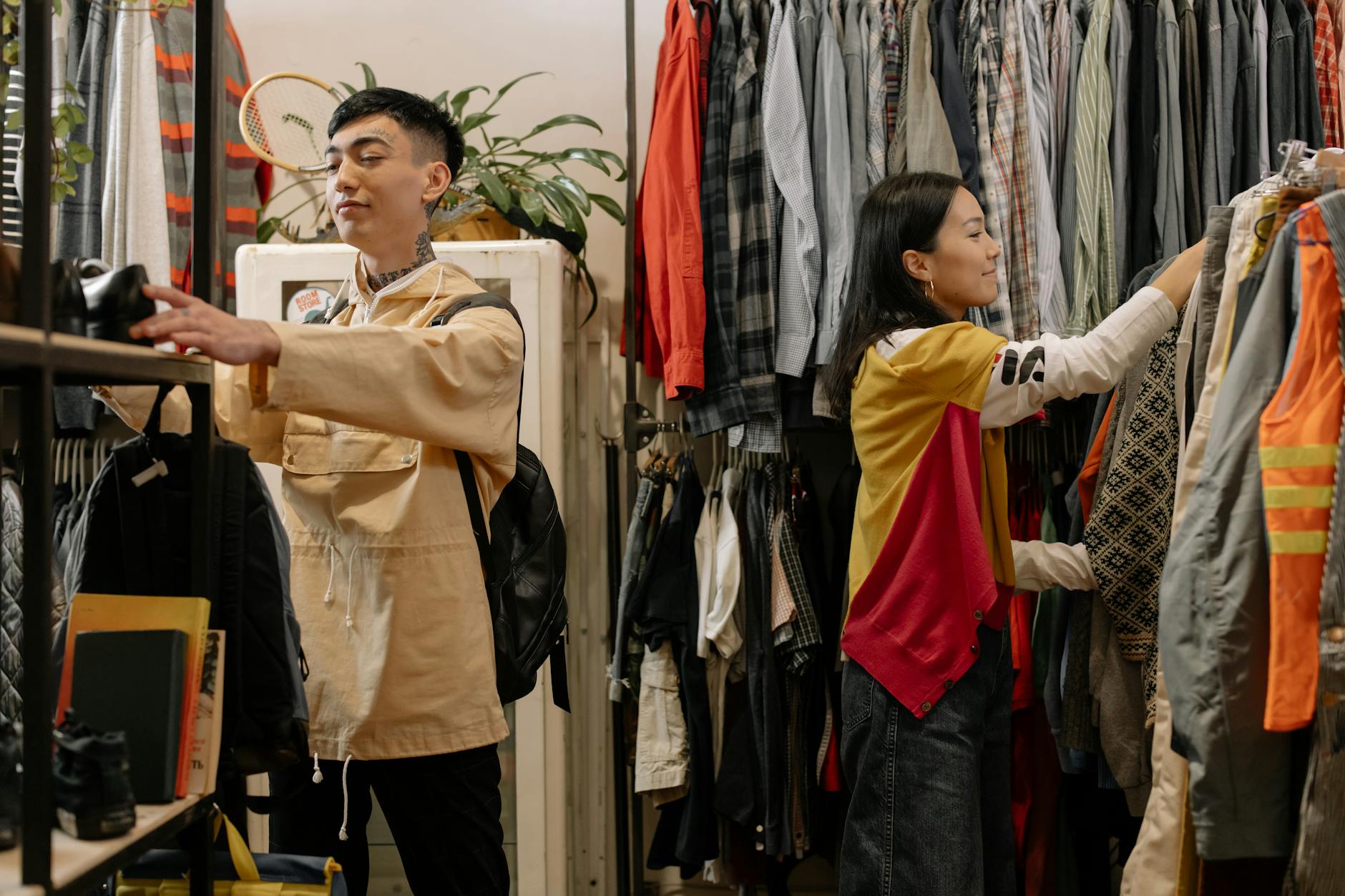
Gen Z uses vintage eyewear as a form of identity curation, borrowing aesthetic elements from different decades to craft their personal narrative. Unlike previous generations who might have felt constrained by contemporary options, these young consumers treat fashion history as an open buffet of inspiration.
The psychology behind this choice runs deeper than simple aesthetic preference. Vintage frames allow wearers to embody different personas and time periods, from 1950s intellectual to 1990s grunge musician. This flexibility appeals to a generation that views identity as fluid rather than fixed.
“My glasses change how people perceive me and how I feel about myself,” explains Jake Chen, a 24-year-old teacher who owns seven pairs of vintage frames from different decades. “When I wear my 1980s wire-rims, I feel more serious and academic. My oversized 1970s frames make me feel creative and artistic.”
Social media amplifies this identity play. Instagram and TikTok reward visual distinctiveness, and vintage eyewear provides an instant conversation starter and memorable visual element. Young influencers have built entire personal brands around their signature vintage frames, understanding that eyewear can become as recognizable as a trademark.
The historical reference aspect also provides intellectual satisfaction. Wearing frames from a specific era demonstrates knowledge of fashion history and cultural movements. Gen Z appreciates this educational component, viewing their vintage choices as wearable culture rather than mere accessories.
Economic Practicality Meets Unique Style
Despite growing up in relative prosperity compared to previous generations, many Gen Z consumers face economic pressures from student loans, housing costs, and an uncertain job market. Vintage frames offer a practical solution that doesn’t compromise on style or quality.
A pair of designer frames from a contemporary brand can easily cost $200-500, while vintage alternatives often range from $20-100. This price difference allows young consumers to build diverse eyewear collections without breaking their budgets. Many Gen Z glasses wearers own multiple vintage pairs, switching between styles based on mood, outfit, or occasion.
The uniqueness factor adds value beyond the price point. While everyone at the office might sport similar contemporary frames from popular direct-to-consumer brands, vintage wearers enjoy the confidence of knowing their glasses are one-of-a-kind finds. This exclusivity appeals to a generation that values individual expression over conformity.
Prescription vintage frames present additional challenges, as lenses must be custom-fitted to older frame styles. However, many young consumers view this extra step as worthwhile for the final result. Local optical shops report increased requests for vintage frame restoration and lens fitting, indicating this trend’s staying power.
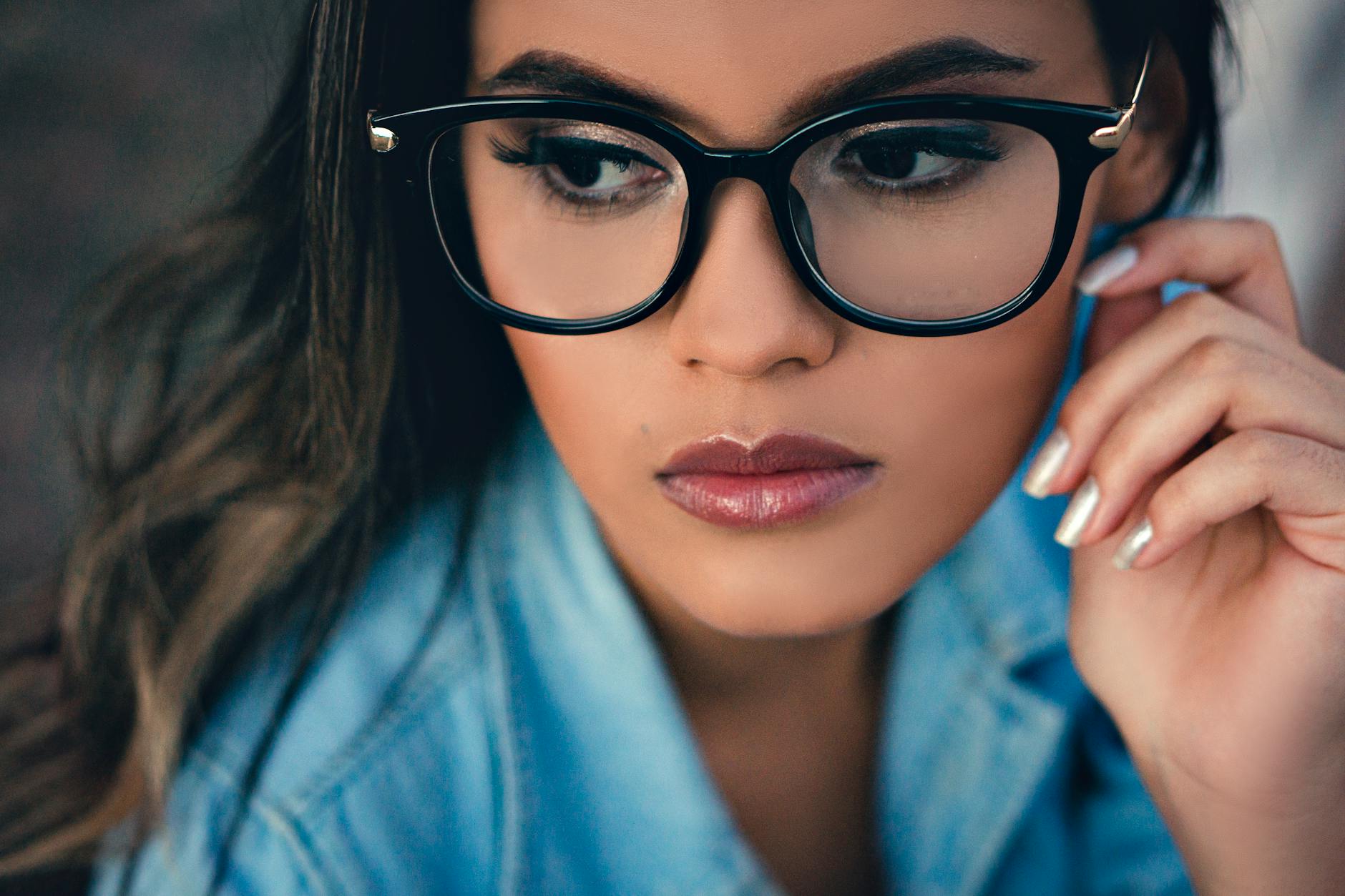
The vintage eyewear movement shows no signs of slowing down. As Gen Z ages into their prime earning years, their influence on fashion trends will only strengthen. Eyewear brands are already responding, creating “vintage-inspired” collections that attempt to capture authentic retro aesthetics with modern manufacturing.
However, true vintage enthusiasts remain skeptical of these reproductions. The appeal lies not just in the aesthetic but in the authenticity – the knowledge that these frames lived through history and carry stories from previous owners. This emotional connection cannot be manufactured or mass-produced.
The trend also reflects broader cultural shifts toward sustainability, individuality, and historical appreciation. As environmental concerns intensify and consumers become more conscious of their purchasing decisions, vintage shopping will likely expand beyond eyewear to other fashion categories. Gen Z’s embrace of vintage frames signals a fundamental change in how young consumers approach style – prioritizing story over status, sustainability over novelty, and personal expression over popular trends.
Frequently Asked Questions
Why do Gen Z consumers prefer vintage eyewear over new designer frames?
Gen Z chooses vintage frames for sustainability, uniqueness, affordability, and the authentic history each piece carries.
Where does Gen Z find vintage eyewear?
Popular sources include thrift stores, estate sales, Etsy, Depop, and specialty vintage shops both online and offline.