


Manhattan’s financial district has always been a laboratory for power dressing, but something unexpected is happening in the elevator banks of Goldman Sachs and J.P. Morgan. Investment bankers, traditionally bound to navy and charcoal pinstripes, are quietly embracing a new uniform: Scandinavian minimalist suits that strip away excess in favor of clean lines and understated luxury.
This shift isn’t just about fashion. It reflects a broader transformation in how Wall Street’s most demanding professionals think about success, sustainability, and personal brand in an increasingly complex global market.

The Nordic Philosophy Meets Wall Street Pressure
Scandinavian design principles center on functionality, quality materials, and timeless aesthetics. Brands like COS, Arket, and higher-end labels such as Acne Studios and Our Legacy have gained traction among finance professionals who appreciate garments that perform under pressure while maintaining a refined appearance.
“The traditional Wall Street suit was about displaying wealth and authority through obvious signals,” explains menswear consultant Robert Chen, who works with financial executives. “Scandinavian minimalism achieves the same goal through restraint and quality rather than flash.”
This philosophy aligns with the current generation of investment bankers who came of age during economic uncertainty. Many entered the industry post-2008, bringing different values about consumption and professional presentation. They’re drawn to suits that emphasize craftsmanship over conspicuous branding, subtle details over bold statements.
Nordic brands excel at creating garments with exceptional tailoring that doesn’t announce itself. The cuts tend to be slightly more relaxed than traditional investment banking attire, with softer shoulders and cleaner silhouettes. Colors remain conservative but often include variations of gray, deep navy, and occasionally muted earth tones that would have been unthinkable in traditional Wall Street wardrobes.
Quality Over Quantity in High-Stress Careers
Investment banking’s notorious work culture demands clothing that can transition seamlessly from morning client meetings to late-night deal negotiations. Scandinavian minimalist suits deliver this versatility through superior construction and fabric choices.
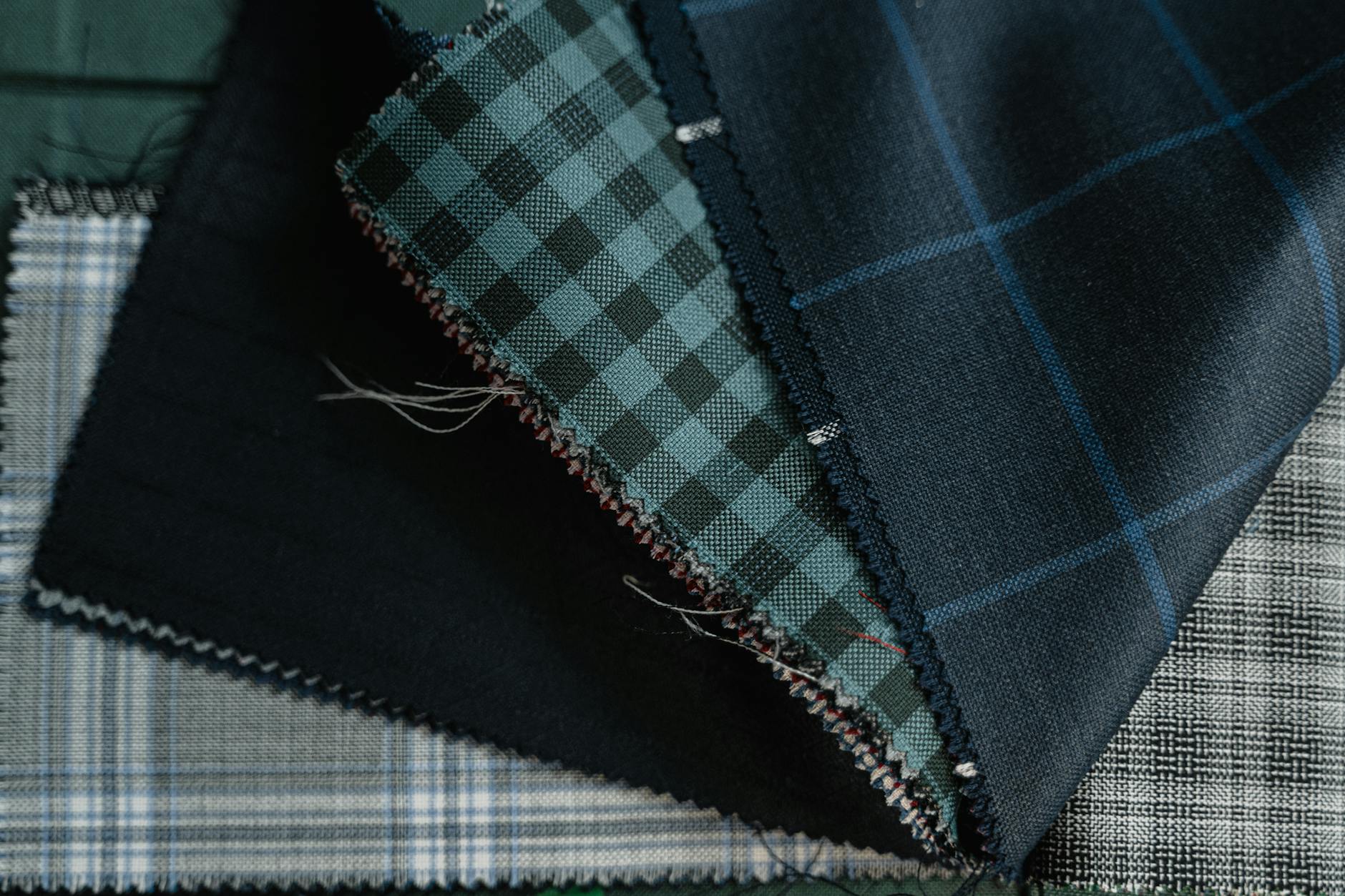
These garments typically feature wrinkle-resistant wool blends, reinforced stress points, and construction techniques that maintain shape despite extended wear. The minimalist aesthetic means fewer visual elements that can show wear or become dated, making each piece a longer-term investment.
“I used to own twelve suits and constantly worried about dry cleaning schedules and whether my lapel width was current,” says Marcus Rodriguez, a managing director at a major investment bank. “Now I have six pieces from Swedish and Danish brands that work in any combination and still look fresh after two years of heavy use.”

The economic logic appeals to professionals who understand value calculations. While a Scandinavian minimalist suit might cost more upfront than department store alternatives, the cost-per-wear often proves superior due to durability and timeless styling. This mirrors investment principles these professionals apply in their work: seeking quality assets that appreciate rather than depreciate over time.
Many Nordic brands also emphasize sustainable production methods and ethical labor practices, appealing to younger bankers who increasingly consider environmental and social impact in their personal choices. This consciousness extends beyond clothing to other lifestyle decisions, reflecting broader generational shifts in professional culture.
The Psychology of Understated Authority
The move toward Scandinavian minimalism represents more than aesthetic preference; it signals a different approach to professional power dynamics. Traditional Wall Street dressing was often about intimidation and obvious hierarchy markers. Minimalist styling achieves authority through confidence and competence rather than display.
This shift coincides with changing client expectations and global business culture. International clients, particularly from markets where ostentation is viewed negatively, often respond better to understated professionalism. Scandinavian minimalist suits help American bankers navigate these cultural nuances more effectively.
The psychological impact on wearers themselves proves equally significant. Many report feeling more focused and authentic in clothing that doesn’t require constant adjustment or self-consciousness about appearance details. The simplified visual palette allows greater mental energy for complex financial work.
“There’s something liberating about knowing your appearance is handled,” explains Dr. Sarah Kim, who studies professional psychology. “When clothing decisions become automatic because everything works together, cognitive resources can focus on higher-level challenges.”
This principle extends to the broader minimalist movement among executives across industries, where simplified decision-making in personal areas enables greater focus on professional responsibilities.
Market Forces and Future Implications
The adoption of Scandinavian minimalist suits reflects broader changes in financial industry culture. Younger clients expect their advisors to understand contemporary values around sustainability, authenticity, and global awareness. Traditional power dressing can signal disconnect from these priorities.
Major investment firms have noticed this trend. Some have quietly relaxed dress codes to accommodate more varied interpretations of professional attire, while others actively encourage sustainable fashion choices through internal communications and policy adjustments.
The influence extends beyond individual wardrobe choices to broader professional culture shifts. Investment banking firms increasingly compete for talent based on workplace culture and values alignment, not just compensation packages. Fashion choices become signals about institutional character and future direction.
Retail data supports this trend’s staying power. Sales of minimalist professional wear have grown consistently over the past three years, with Nordic brands expanding their North American presence specifically to serve professional markets. This growth suggests the shift represents structural change rather than temporary fashion cycle.
Looking ahead, this movement may accelerate as climate consciousness and sustainable investing principles become more central to financial industry identity. The alignment between personal fashion choices and professional values creates reinforcing feedback loops that could make minimalist aesthetics the new Wall Street standard.
The transformation from pinstripe power suits to Scandinavian minimalism represents more than clothing evolution-it signals a fundamental shift in how financial professionals understand success, authority, and professional identity in an interconnected global economy.
Frequently Asked Questions
What makes Scandinavian suits different from traditional business suits?
They emphasize clean lines, quality materials, and timeless design over flashy details or obvious branding.
Are minimalist suits appropriate for traditional banking environments?
Yes, they maintain professional standards while offering superior versatility and durability for demanding work schedules.