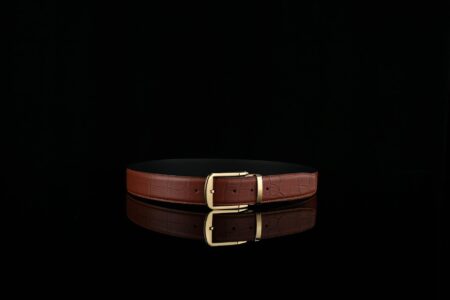


The crisp white shirt hangs unworn in Manhattan closets as a quiet revolution unfolds across Wall Street. Investment bankers, traditionally bound by rigid dress codes requiring $500 suits and Italian leather shoes, are increasingly embracing Japanese workwear brands like Engineered Garments, Kapital, and Needles. This shift represents more than fashion – it signals a fundamental change in how finance professionals view comfort, authenticity, and personal expression in high-stakes environments.
The movement started subtly in 2022 when several prominent analysts began wearing Japanese-inspired pieces to client meetings. Unlike the sharp-shouldered power suits that dominated finance for decades, these garments emphasize function, comfort, and understated craftsmanship. The trend accelerated through 2023 as remote work normalized casual dress, but what’s surprising is how it’s persisted even as offices reopened.
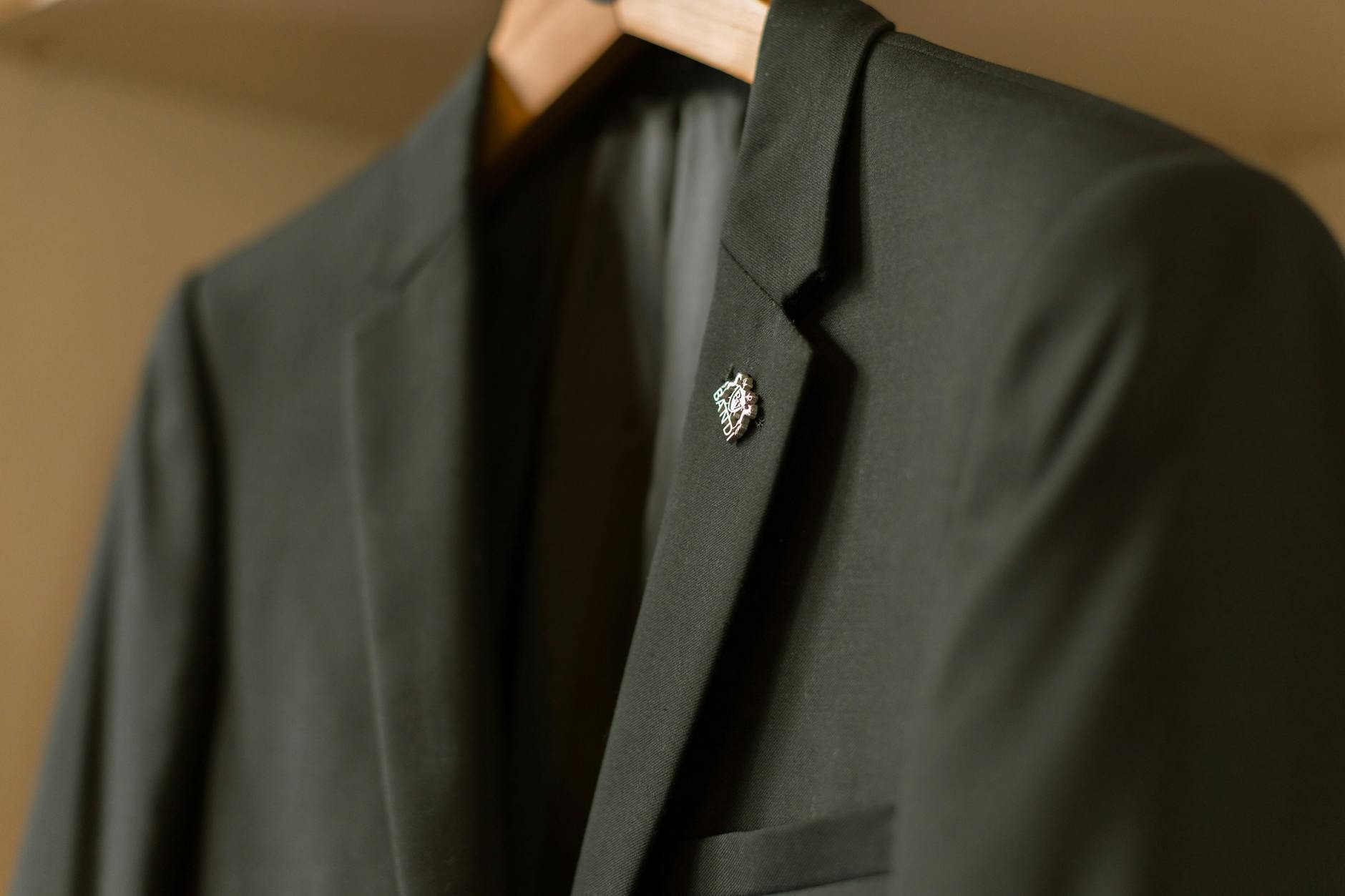
The Appeal of Japanese Workwear Aesthetics
Japanese workwear philosophy centers on “sashiko” – visible mending that celebrates repair over replacement – and “mono no aware” – finding beauty in impermanence. These concepts resonate with younger finance professionals who increasingly question traditional corporate culture’s emphasis on disposable luxury.
Brands like Engineered Garments, founded by designer Daiki Suzuki, create pieces inspired by American military surplus but filtered through Japanese sensibilities. Their blazers feature unconventional pocket placements and relaxed silhouettes that work equally well in boardrooms and coffee shops. Visvim’s artisanal approach to denim and outerwear appeals to bankers seeking authenticity in an industry often criticized for superficiality.
The aesthetic shift reflects broader cultural changes. Where previous generations of bankers wore suits as armor – projecting authority through rigid formality – today’s professionals prefer clothes that suggest competence without discomfort. Japanese workwear achieves this balance through superior construction, natural fabrics, and designs that improve with wear rather than deteriorate.
“The old model was about intimidation through presentation,” explains one managing director at a major investment firm who requested anonymity. “Now it’s about competence through comfort. When you’re not constantly adjusting your tie or worrying about wrinkles, you perform better.”
Practical Benefits in High-Pressure Environments
The practical advantages become clear during 14-hour workdays that define investment banking culture. Traditional suits, while impressive, weren’t designed for the physical demands of modern finance work – hunching over multiple monitors, frequent travel between client meetings, and the constant stress of market volatility.
Japanese workwear excels in these conditions. Brands like Kapital create pants with hidden stretch panels and reinforced stress points. Their fabrics, often indigo-dyed using traditional methods, actually improve with repeated washing rather than requiring expensive dry cleaning. The loose-fitting silhouettes accommodate the sedentary nature of analytical work while maintaining professional appearance.

Temperature regulation represents another crucial factor. Modern office buildings with inconsistent climate control make layering essential. Japanese brands like Snow Peak and Goldwin (which also produces technical wear for athletic brands) create pieces that function as sophisticated layering systems. A banker might wear a lightweight merino base layer, add a structured cotton overshirt, and top it with a technical blazer that works equally well in air-conditioned conference rooms and humid summer streets.
The durability factor appeals to professionals who travel frequently. A quality Japanese workwear piece can withstand constant packing, unpacking, and wearing without losing shape or developing the shiny wear patterns that plague traditional suiting. This reliability matters when your appearance affects client confidence and deal outcomes.
Cultural Shift Toward Authenticity
The embrace of Japanese workwear reflects a broader generational shift in professional values. Millennials and Gen Z bankers, having witnessed the 2008 financial crisis and its aftermath, approach traditional corporate symbolism with skepticism. They prefer brands with authentic craftsmanship stories over luxury labels that primarily signal status.
This mirrors trends in other traditionally formal industries. Fashion editors are prioritizing comfort over glamour, choosing orthopedic shoes for long days at fashion shows. The pattern suggests professionals across creative and financial sectors are redefining what workplace appropriate means.
Japanese brands benefit from their reputation for quality without ostentation. Where European luxury brands often emphasize heritage and exclusivity, Japanese workwear focuses on continuous improvement and attention to detail. This appeals to professionals who want their clothes to reflect their work ethic rather than their expense account.
The influence extends beyond individual choices to company culture. Several boutique investment firms now explicitly encourage casual dress codes, recognizing that relaxed employees often produce better work. Some recruit specifically mention flexible dress policies as competitive advantages in attracting top talent.
Impact on Traditional Menswear Industry
This shift poses challenges for traditional suiting manufacturers who built businesses around finance industry demand. Companies like Brooks Brothers and Jos. A. Bank, which relied heavily on young banker customers, have struggled as this demographic explores alternatives.
Savvy traditional brands are adapting. Some now offer “performance suiting” with technical fabrics and athletic-inspired cuts. Others have partnered with Japanese manufacturers to create hybrid pieces that blend formal structure with workwear comfort.
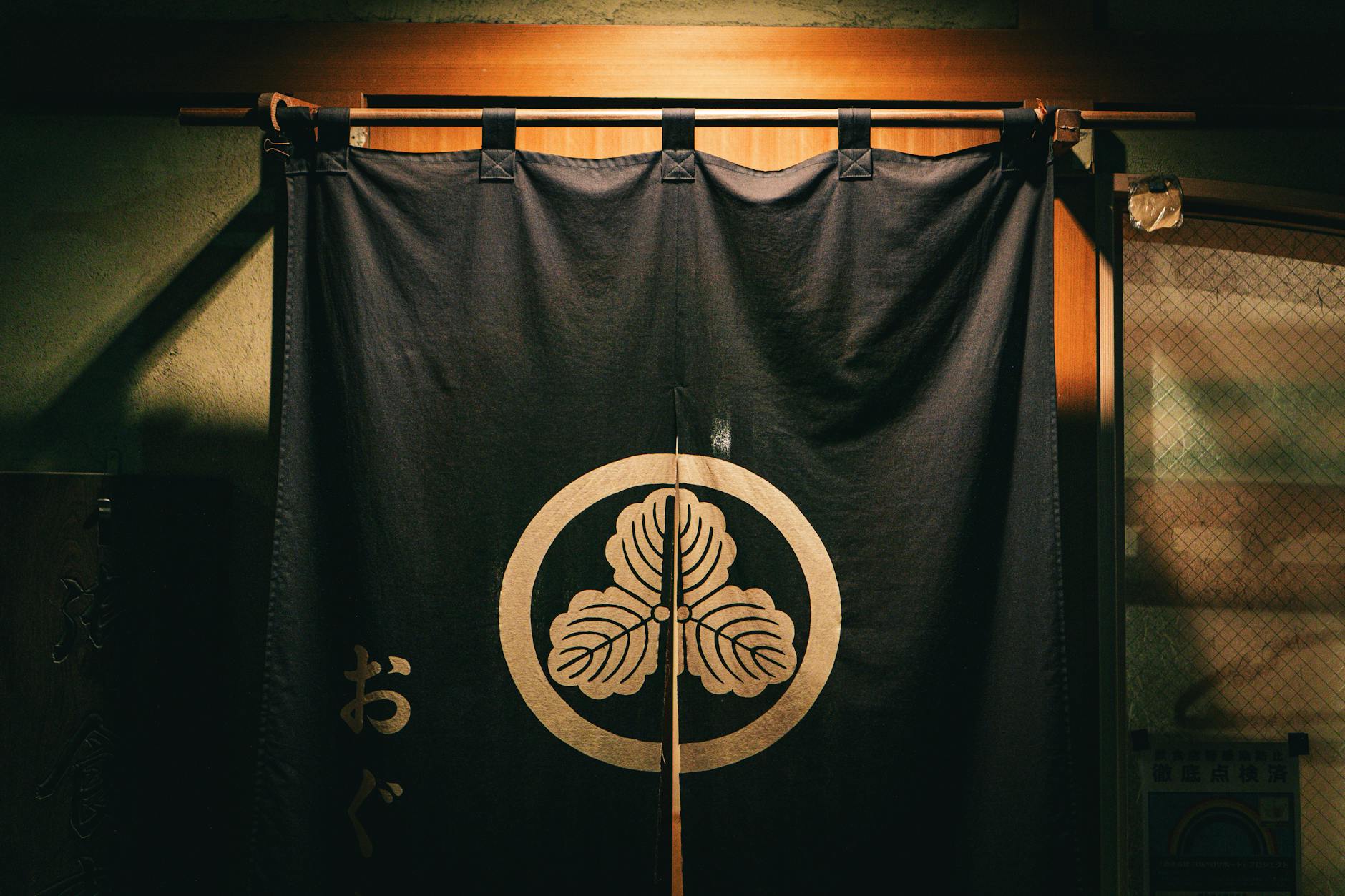
The change isn’t limited to men’s fashion. Women in finance are also embracing Japanese-influenced brands like Comme des Garcons and Issey Miyake for their architectural silhouettes and comfortable constructions. These brands offer professional polish without the restrictive fit of traditional women’s business wear.
Luxury retailers have noticed the trend, dedicating more floor space to Japanese workwear brands and hosting exclusive events featuring designers like Junya Watanabe and Yohji Yamamoto. This mainstream recognition suggests the shift from suits to workwear represents a permanent change rather than a temporary trend.
The transformation reflects finance’s evolution from an industry defined by rigid hierarchy and tradition to one that increasingly values innovation, adaptability, and individual expression. As markets become more complex and work styles more fluid, the clothes that professionals choose to wear are evolving accordingly.
Investment bankers trading suits for Japanese workwear signals more than a fashion trend – it represents a fundamental shift in how the next generation of financial professionals wants to present themselves to the world. Comfort, authenticity, and quality craftsmanship are replacing status symbols and rigid formality as the new markers of professional competence.
Frequently Asked Questions
Why are investment bankers choosing Japanese workwear over suits?
They prioritize comfort during long work hours and prefer authentic craftsmanship over traditional status symbols.
Which Japanese workwear brands are popular with bankers?
Engineered Garments, Kapital, Needles, and Visvim are leading choices for their quality and professional appearance.