


Major fashion houses are quietly partnering with correctional facilities across the United States, turning prison workshops into unexpected sources of luxury craftsmanship. This emerging trend represents more than corporate social responsibility-it’s reshaping how high-end brands think about production, authenticity, and second chances.
The movement gained momentum when several European luxury brands began exploring alternatives to traditional manufacturing amid supply chain disruptions and rising labor costs. What they discovered were skilled artisans behind bars, many with decades of experience in textile work, leathercraft, and metalworking-talents that align perfectly with luxury goods production.
Prison textile programs have existed for over a century, primarily focused on basic uniforms and institutional supplies. Today’s partnerships represent a dramatic evolution, with inmates creating components for handbags retailing for thousands of dollars and contributing to limited-edition collections that sell out within hours.
The Business Case for Prison Partnerships
The economics driving these collaborations extend beyond simple cost savings. Prison labor costs significantly less than traditional manufacturing, but luxury brands emphasize the quality and attention to detail that comes from inmates who view this work as both skill development and pathway to employment after release.
“These partnerships offer something money can’t typically buy-time and focus,” explains a manufacturing consultant who has facilitated several brand-prison collaborations. “When you’re working with someone who has eight hours a day to perfect a single craft technique, the results often exceed what you get from fast-paced factory environments.”
Several brands report that prison-made components require fewer quality control interventions than products from traditional suppliers. The combination of skilled hands and unlimited time creates conditions ideal for luxury goods production, where precision matters more than speed.
The partnerships also address growing consumer demand for transparency in luxury supply chains. Brands can market these products as made by people earning legitimate wages while developing marketable skills-a narrative that resonates with socially conscious consumers willing to pay premium prices.
Changing Lives Through Luxury Craftsmanship
The human impact of these programs often surprises participating brands. Many inmates bring years of experience from pre-incarceration careers in construction, automotive work, or other trades that translate directly to luxury goods production. Others develop new skills that become pathways to employment after release.
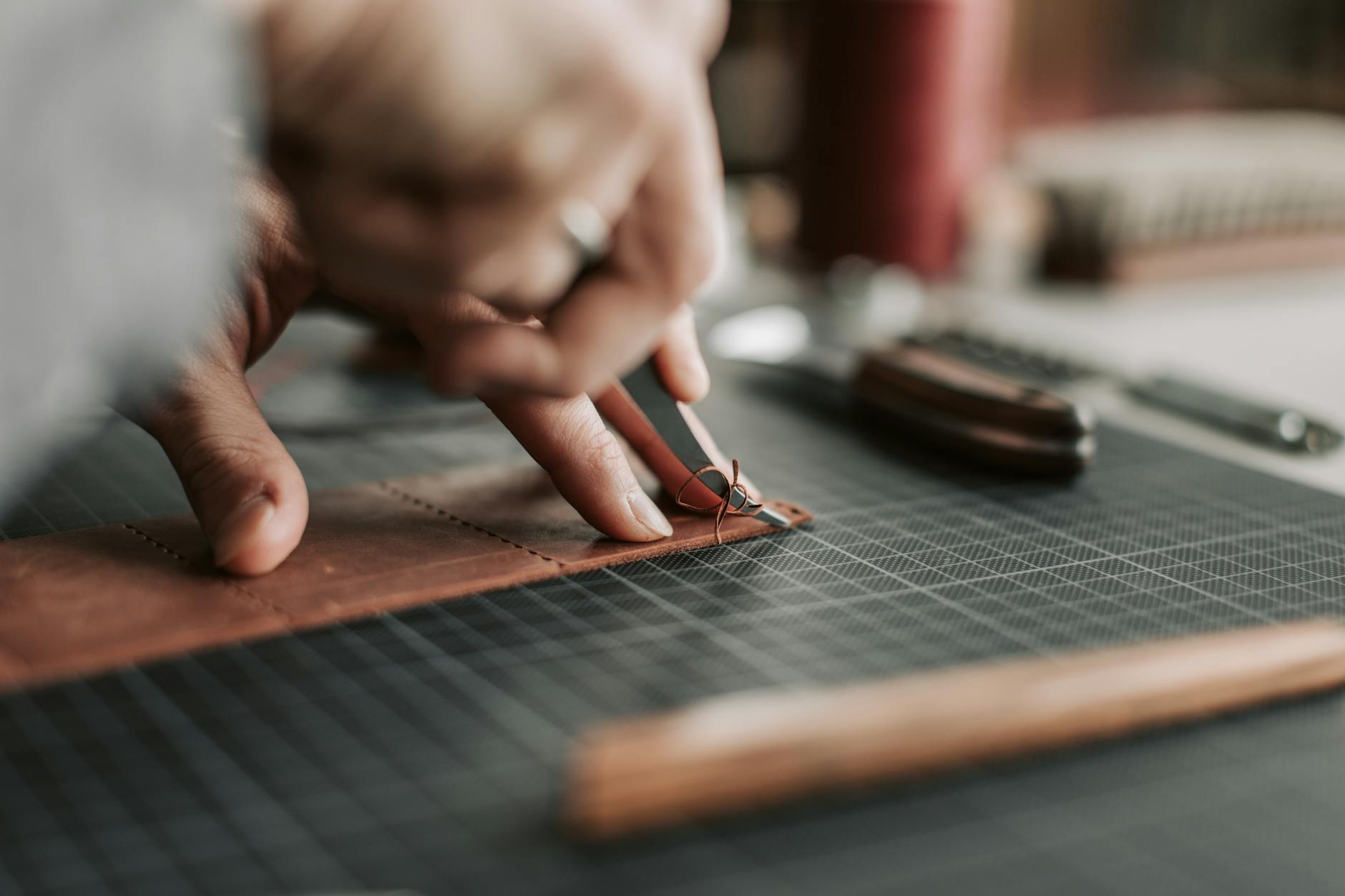
One program in California trains inmates in leatherworking techniques used by Italian luxury brands. Participants earn industry certifications while creating components for handbags and accessories. Several program graduates have found employment with partner brands or launched their own leather goods businesses after release.
Similar programs focus on jewelry making, textile weaving, and metalworking. The precision required for luxury goods production teaches valuable skills while providing structure and purpose that many inmates report as transformative.
The psychological benefits extend beyond skill development. Inmates describe pride in creating products that people cherish rather than the utilitarian items traditionally produced in prison workshops. This shift from institutional manufacturing to luxury craftsmanship changes how participants view their work and themselves.
Some brands maintain relationships with program graduates, offering apprenticeships or entry-level positions after release. This continuity helps address the high recidivism rates often associated with lack of employment opportunities post-incarceration.
Industry Resistance and Ethical Considerations
Not all luxury brands embrace prison partnerships. Critics within the industry argue that using incarcerated labor, regardless of wages or working conditions, exploits vulnerable populations and undermines fair labor practices.
Labor advocacy groups have raised concerns about wages in prison manufacturing programs, which typically pay far below minimum wage rates. While supporters argue that any income helps inmates prepare for release, critics contend that luxury brands profit significantly while paying minimal wages.
The debate intensifies around marketing and disclosure. Some brands openly promote their prison partnerships as social responsibility initiatives, while others keep these relationships private to avoid potential backlash from consumers or activists.
Fashion industry publications have begun scrutinizing luxury brands’ labor practices more closely, including prison partnerships. This increased attention has led some companies to develop more comprehensive programs that include higher wages, post-release employment assistance, and family support services.
The rise of unconventional material sourcing in fashion reflects broader industry trends toward sustainability and social impact, with prison partnerships representing one controversial approach to ethical manufacturing.
The Future of Correctional Couture
Several major luxury conglomerates are reportedly developing comprehensive prison partnership programs scheduled to launch within the next two years. These initiatives would create dedicated training facilities within correctional institutions, offering industry-standard equipment and professional instruction.
Technology integration represents the next frontier for these programs. Some facilities are introducing computer-aided design software and precision manufacturing equipment that mirrors what inmates might encounter in post-release employment. This technological access helps bridge the gap between prison workshops and modern manufacturing environments.
The model is expanding internationally, with European and Asian brands exploring similar partnerships in their domestic markets. Each region faces unique regulatory and cultural considerations, but the core concept of combining luxury craftsmanship with correctional rehabilitation appears to be gaining global traction.
Consumer acceptance will ultimately determine the long-term viability of prison-luxury brand partnerships. Early indicators suggest that transparency and authentic commitment to inmate welfare resonate with luxury consumers, particularly younger demographics who prioritize social impact in their purchasing decisions.
As supply chain volatility continues affecting global manufacturing, these partnerships offer luxury brands a domestic alternative with built-in social impact messaging. The challenge lies in scaling these programs while maintaining the quality and ethical standards that make them appealing to both brands and consumers.
The convergence of luxury fashion and correctional rehabilitation may seem unlikely, but it reflects broader shifts toward purpose-driven business models. As more brands seek authentic ways to combine profit with social impact, prison textile programs offer a complex but potentially transformative approach to both luxury manufacturing and criminal justice reform.
Frequently Asked Questions
Do luxury brands pay fair wages in prison partnerships?
Prison wages typically fall below minimum wage, though some brands are developing higher-wage programs with post-release employment assistance.
Which luxury brands work with prisons?
Several European luxury houses have established partnerships, though many companies keep these relationships private to avoid potential controversy.