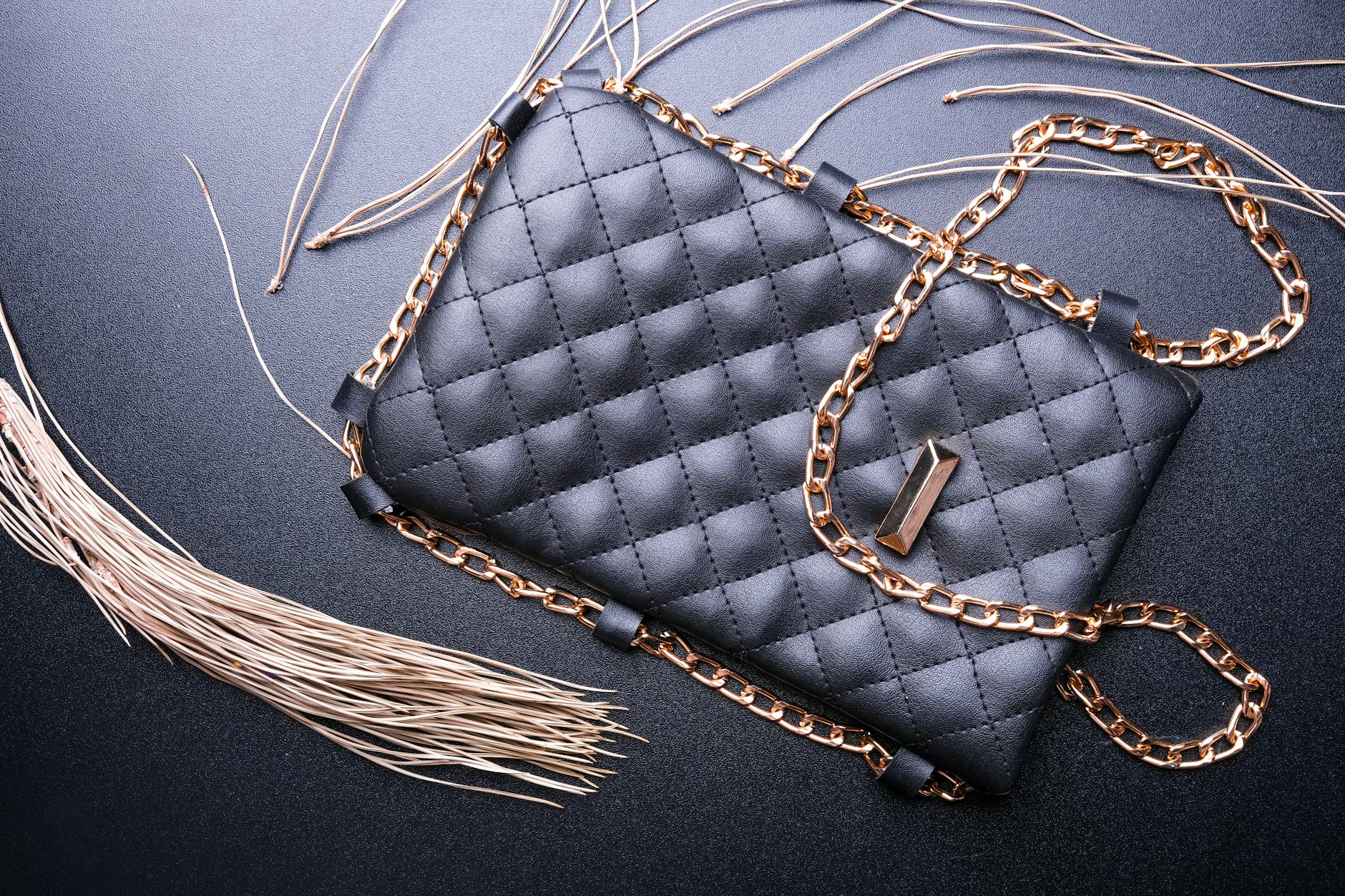
Louis Vuitton shocked the fashion world last month when they announced their first rental-only handbag collection would never hit retail shelves. The limited-edition pieces, crafted exclusively for their subscription service, represent a seismic shift in how luxury brands think about ownership, exclusivity, and consumer access.
This move follows similar announcements from Chanel, Hermès, and Bottega Veneta, all launching rental-exclusive lines in 2024. These aren’t leftover inventory or second-tier products – they’re specially designed pieces that exist solely within the rental ecosystem, challenging the fundamental assumption that luxury goods must be owned to be coveted.
The Economics Behind Rental-Only Strategy
Luxury rental platforms like Rent the Runway, HURR, and The RealReal have proven that consumers will pay premium prices for temporary access to high-end fashion. The numbers tell the story: luxury rental markets grew 87% in 2023, reaching over $2.8 billion globally according to GlobalData research.
For brands, rental-only collections solve several business challenges simultaneously. They create artificial scarcity while maximizing revenue per piece through multiple rental cycles. A single Chanel jacket that might sell once for $4,000 can generate $15,000 or more through repeated rentals over its lifecycle.
More importantly, these collections allow brands to experiment with bolder designs and limited production runs without the risk of unsold inventory. Bottega Veneta’s rental-only leather goods feature experimental textures and unconventional shapes that might not appeal to traditional buyers but generate significant buzz on social media when worn by renters.
The strategy also addresses sustainability concerns that increasingly matter to luxury consumers. By designing pieces specifically for sharing rather than individual ownership, brands can justify using premium materials while reducing overall production volumes.
Exclusivity Redefined for the Digital Age
Traditional luxury exclusivity relied on high prices and limited availability. Rental-only collections flip this model, creating exclusivity through access rather than ownership. Only subscribers to specific rental services can wear these pieces, making them more exclusive than items available for purchase.
This shift particularly resonates with younger consumers who view fashion as experience rather than accumulation. Gen Z and millennial luxury consumers increasingly prefer access over ownership across categories, from cars to fashion. How Vintage Designer Handbags Became Currency for Gen Z explores this changing relationship with luxury goods.
Instagram and TikTok amplify the appeal of rental-only pieces. When fashion influencers post wearing these exclusive items, the “outfit details” inevitably include rental platform tags rather than purchase links, creating a new form of aspirational content that drives rental subscriptions rather than direct sales.
The rental-only model also creates ongoing relationships with customers rather than single transactions. Luxury brands traditionally struggled to maintain engagement after a purchase, but rental subscriptions provide continuous touchpoints and data about consumer preferences.
Production and Design Innovation
Rental-only collections require fundamentally different design approaches. These pieces must withstand multiple wearers while maintaining their luxury appeal, pushing brands to innovate in materials and construction techniques.
Hermès developed new leather treatments specifically for their rental line that resist wear while developing attractive patina. The pieces actually improve with use, contradicting traditional luxury concerns about maintaining pristine condition.
Construction details change too. Reinforced seams, antimicrobial linings, and modular components that can be easily replaced or refreshed become standard features. These innovations often filter back into the brands’ traditional retail collections, improving overall product quality.
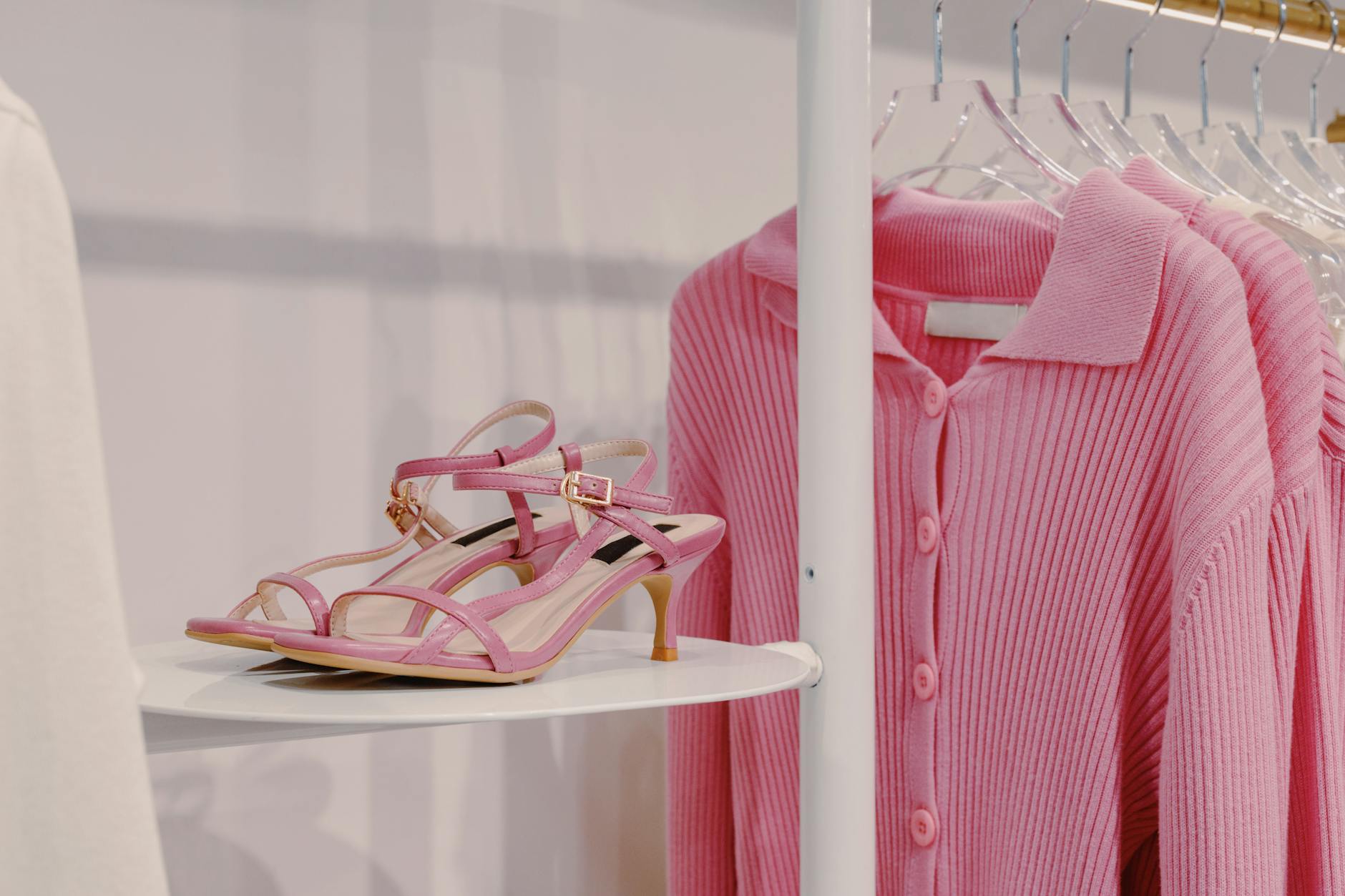
Color and pattern choices also shift for rental-focused designs. Brands favor bold, photographable pieces that create social media moments over subtle luxury traditionally preferred by purchasers. This leads to more experimental aesthetics and trend-forward designs that might seem risky for permanent ownership but perfect for temporary wear.
Quality control processes expand to include testing for multiple cleaning cycles and wear patterns. Each piece must maintain luxury standards through dozens of rental cycles, requiring more rigorous material testing and finishing techniques.
The Cultural Impact on Fashion Consumption
Rental-only collections represent more than business model innovation – they’re reshaping how consumers relate to luxury fashion. The concept of “forever pieces” gives way to “experience pieces” designed for specific moments rather than long-term wardrobes.
This shift influences broader fashion trends, accelerating the pace of change as consumers can experiment with avant-garde styles without long-term commitment. Rental platforms report that their most popular rental-only pieces often feature bold colors, unusual silhouettes, or statement details that traditional buyers might find too risky.
The model also democratizes access to ultra-luxury items. Pieces that would cost $10,000 to purchase become accessible for special occasions at rental prices under $500. This accessibility creates new customer segments for luxury brands while maintaining exclusivity through limited rental availability.
Professional wardrobes particularly benefit from this model. Business professionals can access rotating selections of high-end pieces for important meetings or events without the expense of building comprehensive luxury wardrobes. The Return of Shoulder Pads in Modern Professional Wear highlights how rental access influences workplace fashion choices.

The Future of Luxury Fashion Access
As rental-only collections prove successful, expect more brands to embrace this model. Industry insiders predict that by 2026, most major luxury houses will offer rental-exclusive lines alongside traditional retail collections.
Technology integration will deepen this trend. RFID tags and blockchain authentication already track rental pieces, but future developments may include smart fabrics that monitor wear patterns and automatically schedule maintenance. Virtual try-on technology using AI and AR will help consumers select rental pieces without physical fitting sessions.
The rental-only model may eventually influence how we think about all luxury goods. If the most exclusive pieces exist only in rental networks, traditional ownership might begin to seem less desirable than access to constantly rotating collections of the latest designs.
This transformation reflects broader shifts toward subscription-based consumption across industries. Just as streaming services changed entertainment consumption, rental-only fashion collections may fundamentally alter luxury market dynamics, prioritizing access and experience over ownership and accumulation.
Frequently Asked Questions
Why are luxury brands creating rental-only collections?
Brands maximize revenue per piece through multiple rentals while creating new forms of exclusivity based on access rather than ownership.
How do rental-only collections differ from regular luxury items?
These pieces are designed specifically for sharing, with reinforced construction and bold designs that photograph well for social media.