


Rolex just announced a partnership with Garmin. TAG Heuer is working with Fitbit. Omega has teamed up with Polar. The world’s most prestigious watchmakers are suddenly embracing the fitness tracker revolution, and it’s reshaping both industries in unexpected ways.
This trend represents a fundamental shift in luxury watchmaking strategy. For decades, Swiss manufacturers dismissed smartwatches and fitness trackers as threats to traditional craftsmanship. Now they’re actively collaborating with tech companies, creating hybrid products that merge centuries-old horological expertise with cutting-edge health monitoring technology.
The partnerships signal more than just business diversification. They reflect changing consumer expectations about what a luxury timepiece should offer in 2024, where wellness tracking has become as important as telling time.
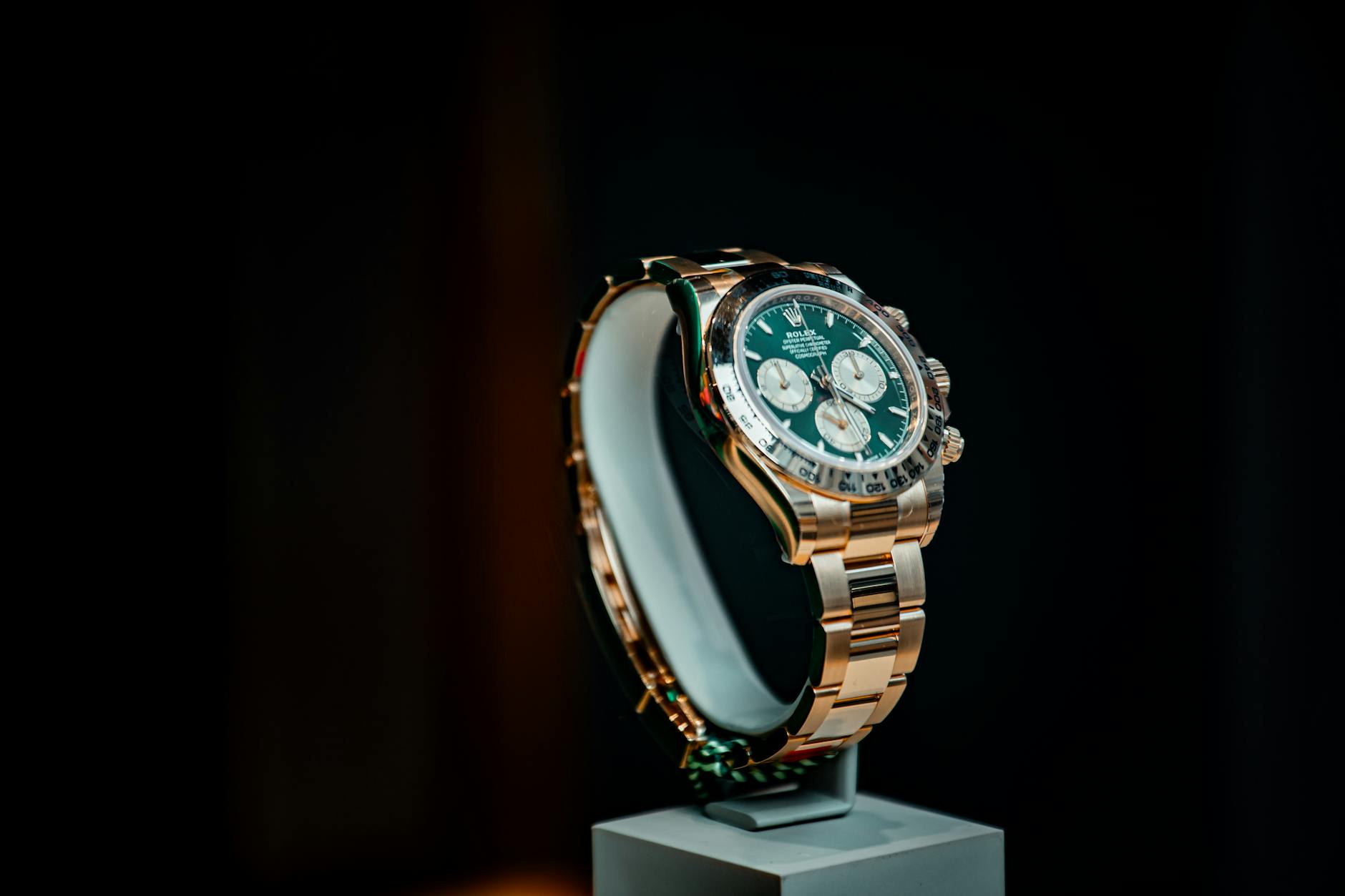
Traditional Watchmaking Meets Modern Health Tech
The collaboration model varies significantly across brands. TAG Heuer’s partnership with Fitbit focuses on creating limited-edition Connected watches that feature traditional Swiss case construction with Google’s Wear OS and Fitbit’s health algorithms. The result combines the brand’s motorsport heritage with advanced heart rate monitoring and GPS tracking.
Rolex’s approach with Garmin takes a different direction. Rather than creating hybrid smartwatches, they’re developing mechanical timepieces with integrated fitness sensors that sync with Garmin’s ecosystem. The collaboration preserves Rolex’s commitment to mechanical movements while adding discrete health monitoring capabilities.
Omega’s partnership with Polar emphasizes precision timing for professional athletes. Their co-developed pieces feature Omega’s Master Chronometer movements alongside Polar’s training analysis software, targeting serious fitness enthusiasts who demand both horological excellence and detailed performance metrics.
These collaborations represent a strategic response to market research showing that 78% of luxury watch buyers under 40 also own fitness trackers. Rather than compete directly with Apple Watch or Samsung Galaxy Watch, traditional brands are creating products that complement existing tech ecosystems.
The Wellness Culture Impact on Luxury Goods
The fitness tracker collaborations reflect broader cultural shifts around health and wellness. Luxury consumers increasingly view wellness as a status symbol, making health monitoring features desirable additions to high-end timepieces.
Patek Philippe recently surveyed their customers and found that 65% regularly use fitness tracking apps, despite owning mechanical watches worth tens of thousands of dollars. This data influenced their decision to explore partnerships with health tech companies, though they remain committed to traditional mechanical movements.
The wellness trend extends beyond functionality to aesthetics. Luxury sports watches now incorporate design elements inspired by fitness trackers: brighter colored straps, easier-to-read displays during exercise, and cases designed to accommodate heart rate sensors without compromising water resistance.
Social media has amplified this trend. Instagram fitness influencers frequently showcase luxury watches during workouts, creating demand for timepieces that look appropriate in both boardrooms and gyms. This mirrors how professional athletes are incorporating technical gear into everyday fashion, blending performance and style across lifestyle categories.

Technology Integration Without Compromising Heritage
The biggest challenge facing luxury watchmakers is maintaining brand heritage while incorporating modern technology. Each collaboration approaches this balance differently, but all prioritize preserving traditional craftsmanship values.
Breitling’s partnership with Suunto exemplifies this approach. Their collaborative pieces feature traditional Swiss movements as the primary timekeeping mechanism, with fitness tracking handled by discrete modules that don’t interfere with the watch’s core mechanical function. The design maintains Breitling’s aviation heritage while adding altimeter and GPS functions valued by outdoor enthusiasts.
Zenith’s collaboration with Coros focuses on precision timing for professional sports. Their pieces combine Zenith’s El Primero chronograph movement with Coros’s race analytics software, creating timepieces that serve both as luxury accessories and professional training tools.
The integration challenges extend to manufacturing. Luxury watchmakers must adapt centuries-old production processes to accommodate modern sensors and connectivity components. This requires significant investment in new equipment and training, but brands view it as essential for long-term relevance.
Quality control standards also present unique challenges. Traditional Swiss watches undergo extensive testing for accuracy and durability, but adding electronic components introduces new variables. Brands are developing hybrid testing protocols that ensure both mechanical reliability and electronic performance meet luxury standards.
Market Response and Consumer Adoption
Early sales data suggests strong consumer interest in these hybrid offerings. TAG Heuer reports that their Fitbit collaboration watches sell out within hours of release, despite price points starting around $2,000. The success indicates that luxury consumers are willing to pay premium prices for products that combine traditional craftsmanship with modern functionality.
The collaborations are also attracting new customers to luxury watchmaking. Fitness enthusiasts who previously only considered Apple Watch or Garmin devices are now exploring Swiss alternatives that offer similar functionality with superior build quality and design prestige.
Retail partnerships have expanded beyond traditional jewelry stores. Luxury watch collaborations are now sold through fitness retailers and sporting goods stores, exposing traditional brands to entirely new customer bases. This distribution strategy helps normalize luxury watches as fitness accessories rather than purely formal timepieces.
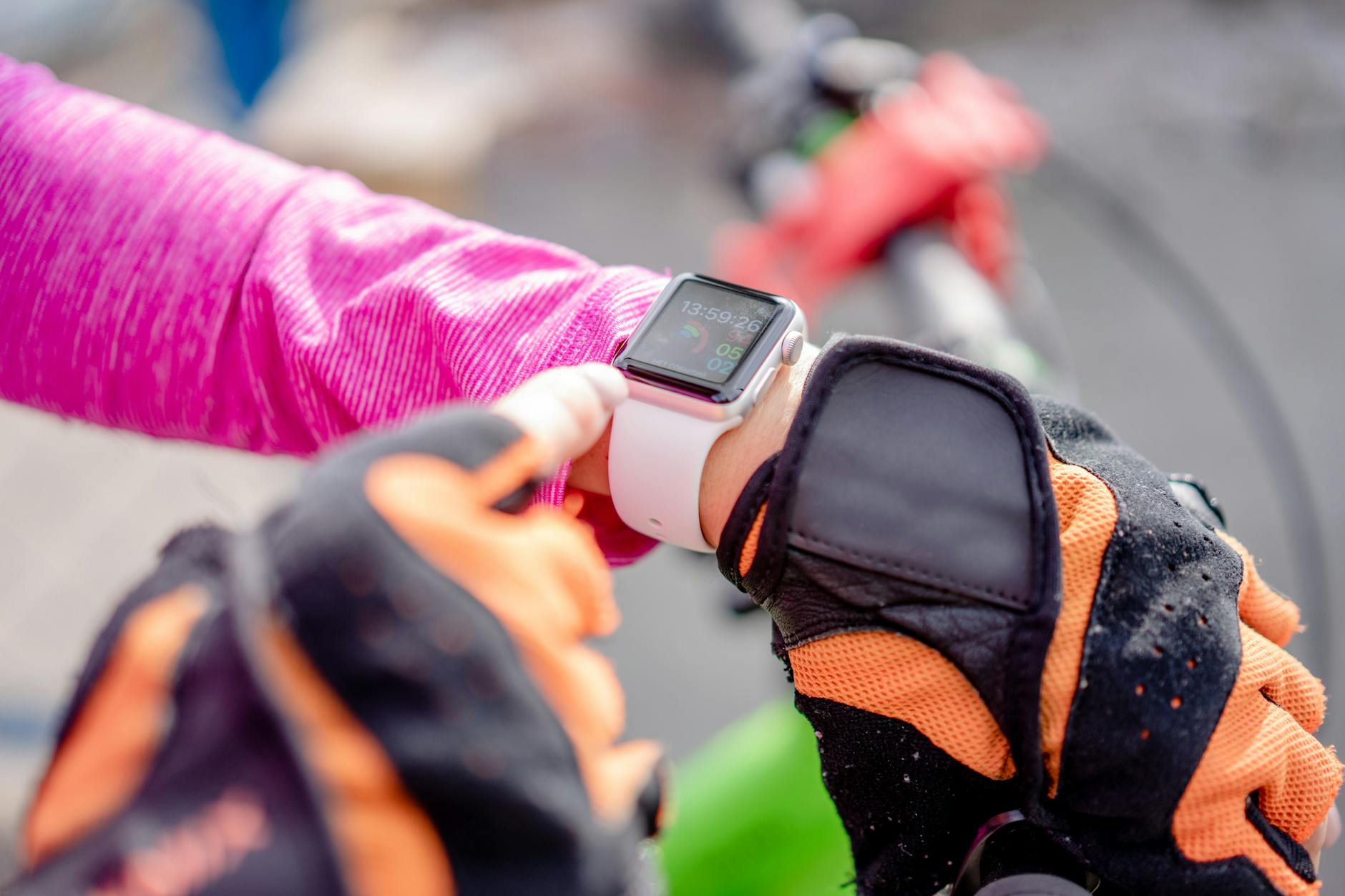
The trend is reshaping how younger consumers perceive luxury watches. Rather than viewing them as outdated status symbols, millennials and Gen Z buyers increasingly see them as sophisticated tools that enhance their wellness routines while making fashion statements.
Looking ahead, these collaborations represent just the beginning of luxury watchmaking’s technological evolution. As health monitoring becomes more sophisticated and consumers expect seamless integration between all their devices, traditional watchmakers must continue innovating while preserving the craftsmanship values that define their brands.
The success of current partnerships will likely inspire more collaborations across the luxury goods sector, as brands realize that embracing complementary technologies can strengthen rather than diminish their core value propositions. The future of luxury timekeeping appears to be both traditional and technological, honoring heritage while embracing innovation.
Frequently Asked Questions
Why are luxury watch brands partnering with fitness tracker companies?
They’re responding to consumer demand for health monitoring features while preserving traditional craftsmanship and attracting younger buyers.
Do these collaborations compromise traditional watchmaking quality?
No, brands maintain Swiss manufacturing standards while adding discrete fitness technology that complements rather than replaces mechanical movements.