The Metropolitan Museum of Art’s Contemporary Wing buzzed with unexpected energy last month as curator Dr. Sarah Chen glided through the galleries wearing a vibrant emerald blazer paired with coral trousers. Her bold color choices weren’t a fashion misstep – they represented a seismic shift happening across museums worldwide. After decades of adhering to an unspoken black dress code, museum professionals are embracing colorful wardrobes that reflect the vibrancy of the art they protect and present.
This transformation extends far beyond personal style preferences. Museum curators, conservators, and directors are recognizing that their professional appearance directly impacts how visitors perceive both the institution and the art itself. The traditional black uniform, once seen as sophisticated and non-distracting, is being reconsidered as potentially intimidating and disconnected from contemporary museum experiences that prioritize accessibility and engagement.
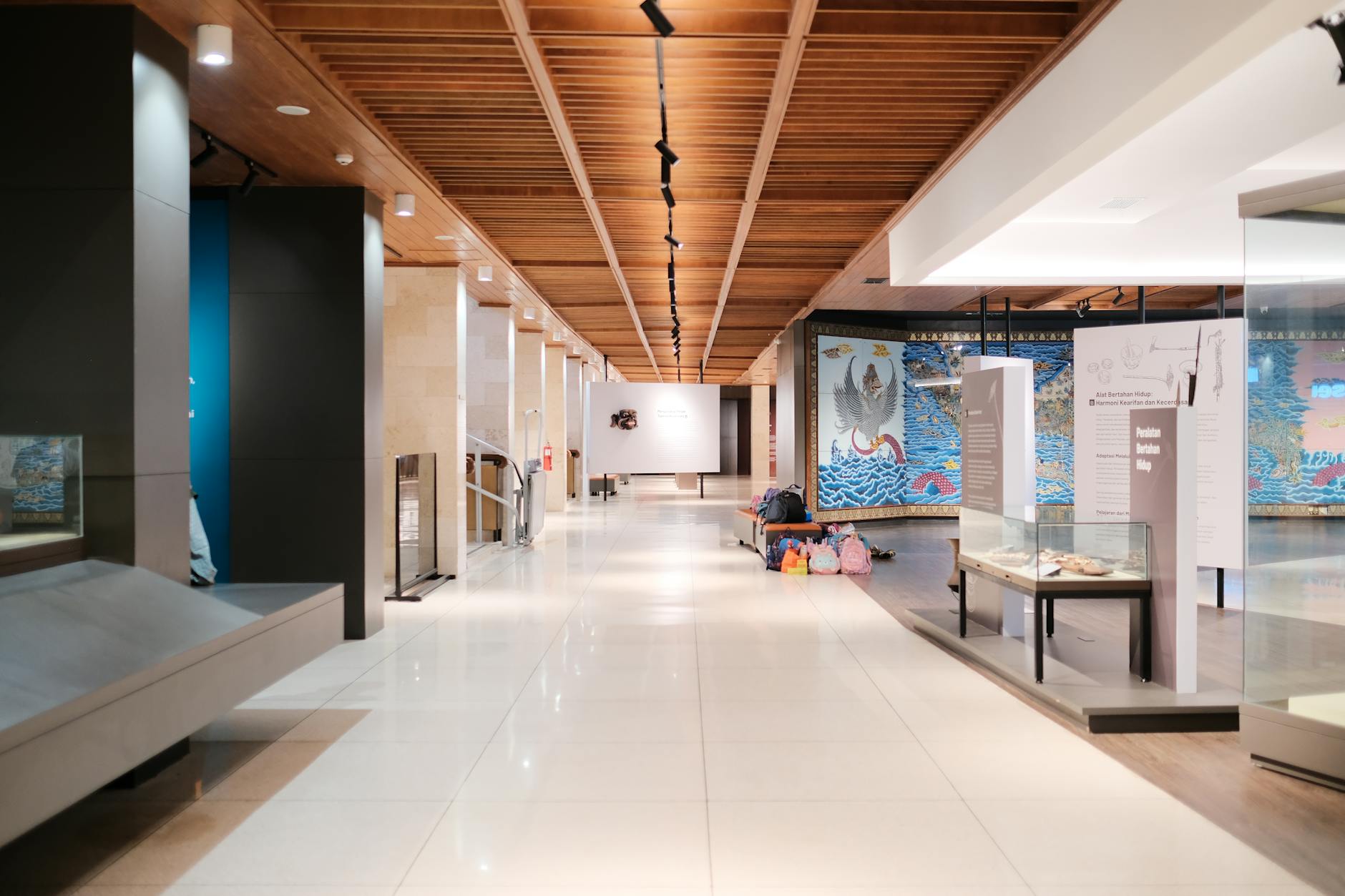
The Psychology Behind the Color Revolution
The shift toward colorful professional wear in museums stems from extensive research on visitor psychology and institutional accessibility. Dr. Maria Rodriguez, a visitor experience researcher at the Smithsonian Institution, explains that traditional all-black attire can create psychological barriers between museum staff and the public. “When staff dress exclusively in black, visitors often perceive them as intimidating or unapproachable,” Rodriguez notes. “Color creates warmth and signals openness to interaction.”
Museums are increasingly prioritizing visitor engagement, particularly among younger demographics and diverse communities. The Brooklyn Museum’s recent visitor surveys revealed that 67% of first-time visitors felt more comfortable approaching staff members who wore colors rather than traditional black attire. This data has prompted many institutions to formally revise their dress codes, encouraging staff to incorporate thoughtful color choices that complement rather than compete with the artwork.
The psychological impact extends to the staff themselves. Curators report feeling more energetic and creative when wearing colors, leading to more dynamic gallery talks and increased enthusiasm for their work. The Museum of Contemporary Art Chicago documented a 23% increase in spontaneous visitor-staff interactions after implementing their “Color Forward” dress code initiative in 2023.
Breaking Traditional Boundaries
The museum world’s color revolution challenges decades of established protocol. Traditionally, museum professionals dressed in black to remain invisible while allowing the art to take center stage. This approach, rooted in 20th-century museum philosophy, assumed that any visual distraction from staff would diminish the visitor experience. However, contemporary museum theory emphasizes the importance of human connection in art appreciation.
Leading institutions are now developing sophisticated color guidelines that maintain professionalism while embracing vibrancy. The Tate Modern’s updated dress code specifies “museum-appropriate colors” that avoid neon or overly saturated hues while encouraging jewel tones, earth colors, and classic brights. Staff members receive training on color coordination that considers the specific exhibitions they’ll be working with, ensuring their attire enhances rather than clashes with the artistic environment.
The change isn’t uniform across all museum roles. Conservators working directly with artworks often maintain more subdued color palettes to avoid any potential impact on their work, while public-facing staff have greater freedom to experiment. Security personnel at several major museums now wear navy blue or burgundy uniforms instead of traditional black, creating a more welcoming atmosphere while maintaining authority.

Industry Leaders Embrace the Trend
Prominent museum directors are leading by example in this sartorial evolution. The Whitney Museum’s director has been photographed at recent openings wearing striking purple and teal combinations, while the chief curator at the Los Angeles County Museum of Art regularly appears in bold patterns and saturated colors during media appearances. These visible leaders are normalizing colorful professional attire across the museum hierarchy.
Fashion-forward museum professionals are drawing inspiration from various sources, including the flight attendant uniform renaissance that has influenced business casual wear across industries. Like airlines updating their staff presentation to reflect modern service approaches, museums are recognizing that professional appearance should evolve with institutional values and visitor expectations.
The trend has gained momentum through social media, where museum professionals share their colorful outfits using hashtags like #MuseumStyle and #CuratorFashion. These online communities provide inspiration and validation for professionals transitioning away from traditional black wardrobes. The visibility of diverse, colorful museum staff on platforms like Instagram has helped normalize this shift for both colleagues and the public.
Some institutions have partnered with local fashion brands to create custom pieces that reflect their collection aesthetics. The Museum of Fine Arts Boston collaborated with regional designers to create a capsule collection for staff that incorporates colors and patterns inspired by their permanent collection, creating a unique visual identity that connects staff appearance to institutional character.
Practical Considerations and Implementation
The transition to colorful professional wear requires careful consideration of practical factors beyond aesthetics. Museums must balance creative expression with conservation requirements, visitor experience goals, and professional standards. Many institutions have developed detailed guidelines that specify appropriate colors, patterns, and styling choices for different roles and gallery environments.
Lighting considerations play a crucial role in color selection. Museum professionals working in galleries with specific lighting conditions must choose colors that appear consistent under various illumination types. The Getty Center provides staff with color charts showing how different hues appear under their specialized gallery lighting, ensuring professional appearance remains polished throughout the workday.
Budget concerns have prompted creative solutions. Some museums offer staff color consultation services to help employees build versatile, colorful wardrobes without overspending. Others have established clothing swap programs where staff members can exchange pieces, promoting sustainable fashion practices while supporting the color transition.
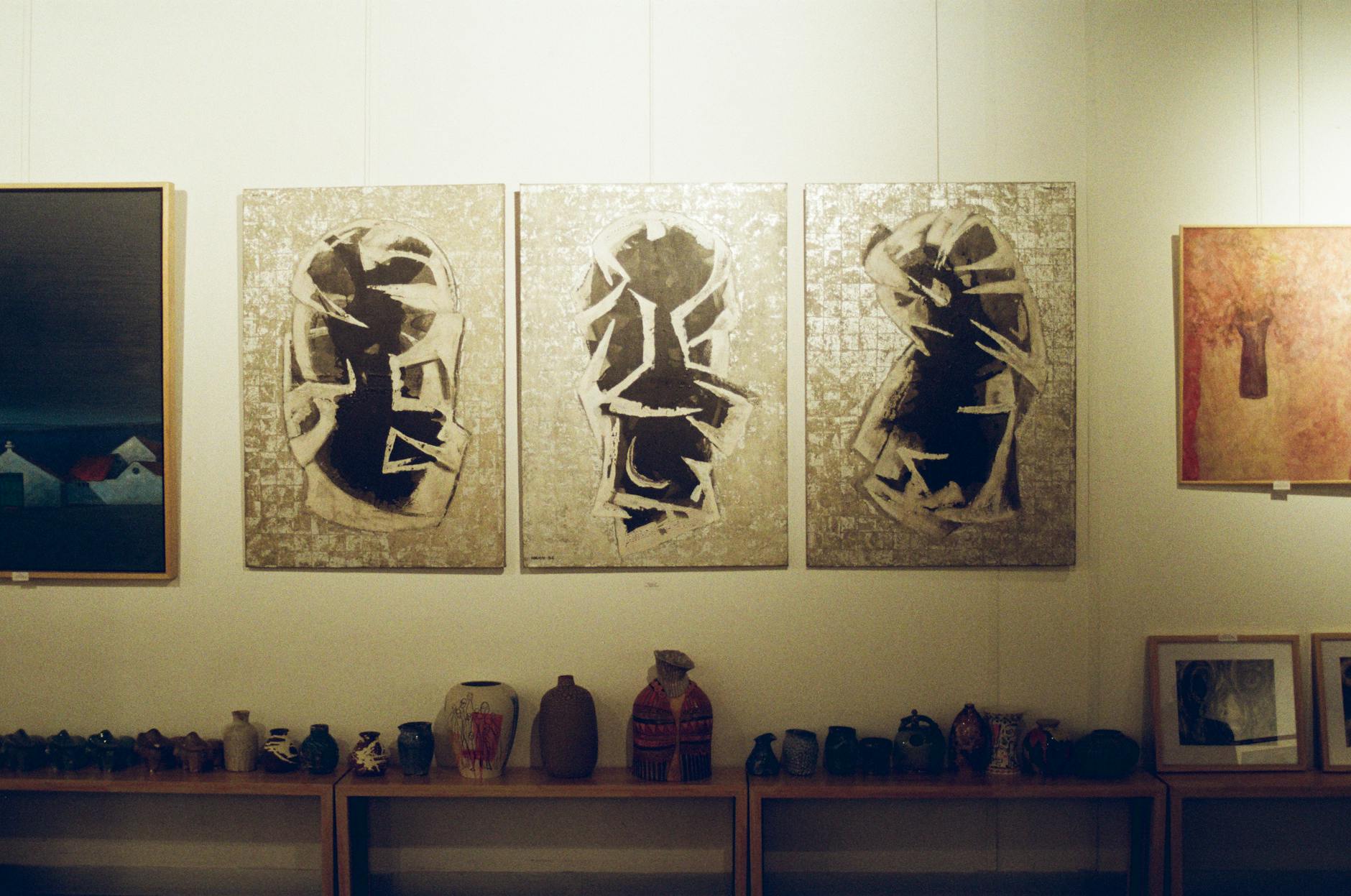
The movement toward colorful museum attire reflects broader cultural shifts toward authenticity, accessibility, and human connection in cultural institutions. As museums continue evolving from elite repositories to community gathering spaces, staff presentation naturally adapts to support these changing roles. The black-clad curator may soon become as antiquated as the rope-off gallery or the “do not touch” sign.
Forward-thinking museums are already planning the next phase of this evolution, exploring how staff appearance can further enhance visitor engagement while maintaining professional standards. The future of museum fashion appears bright – literally and figuratively – as institutions embrace color as a tool for connection, creativity, and cultural relevance.
Frequently Asked Questions
Why are museum curators changing from black to colorful clothing?
Research shows colorful attire makes staff more approachable and increases visitor engagement while creating a more welcoming museum atmosphere.
Do all museum staff wear colors now?
The change varies by role and institution, with public-facing staff having more freedom while conservators maintain subdued palettes for practical reasons.