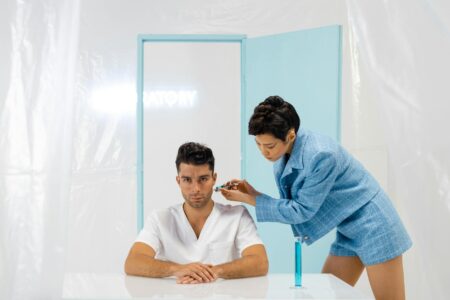


Celebrities from Kim Kardashian to Gwyneth Paltrow have openly discussed their Botox routines, but now the neurotoxin is moving beyond facial wrinkles to target an unexpected area: the scalp. Dermatologists are reporting a surge in patients requesting scalp Botox injections specifically for hair loss prevention, marking a significant shift in how we approach thinning hair and male pattern baldness.
The treatment, which involves injecting small amounts of botulinum toxin into the scalp muscles, works on a completely different principle than traditional hair loss treatments like finasteride or minoxidil. Instead of targeting hormones or blood flow, scalp Botox addresses the mechanical tension theory of hair loss – the idea that tight scalp muscles contribute to follicle miniaturization and eventual hair loss.
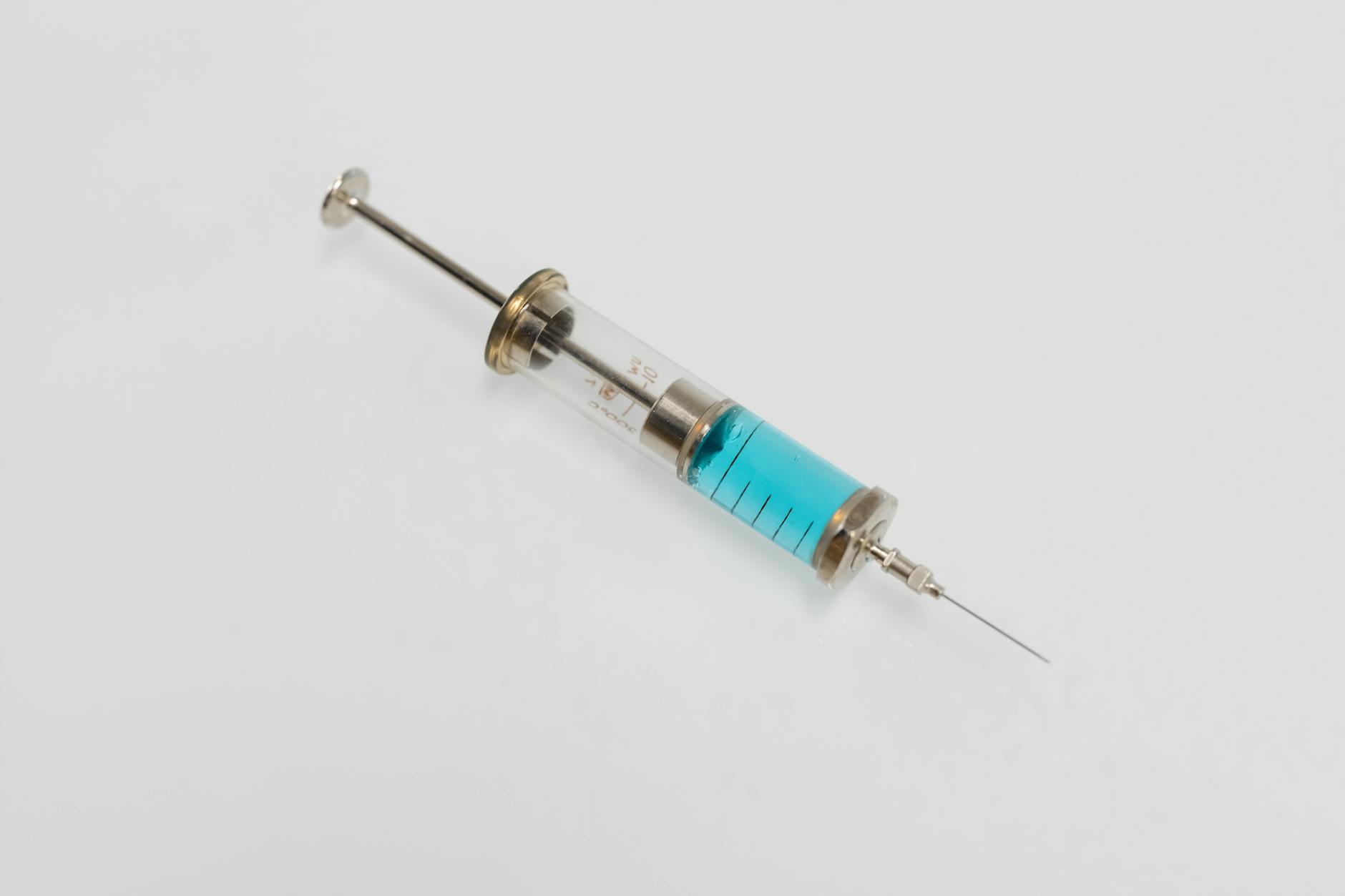
The Science Behind Scalp Muscle Tension and Hair Loss
Hair loss researchers have long studied the connection between scalp tension and follicle health. The theory suggests that chronically contracted scalp muscles create sustained pressure on hair follicles, reducing blood flow and nutrient delivery to the roots. This mechanical stress, combined with hormonal factors like DHT (dihydrotestosterone), may accelerate the hair loss process.
Dr. Sarah Chen, a board-certified dermatologist practicing in Beverly Hills, explains the mechanism: “When scalp muscles remain in a state of chronic tension, they compress the tiny blood vessels that feed hair follicles. By relaxing these muscles with Botox, we potentially restore better circulation to the scalp.”
The treatment targets specific muscle groups including the frontalis, temporalis, and occipitalis muscles. These muscles naturally contract throughout the day due to facial expressions, stress, and even sleep positions. Over time, this constant tension may contribute to the characteristic pattern of male and female pattern baldness.
Clinical observations suggest that areas of the scalp with the most muscle tension – typically the crown and hairline – correspond closely with common hair loss patterns. This correlation has led some practitioners to explore Botox as a preventive measure rather than waiting for significant hair loss to occur.
Treatment Protocol and Patient Experience
The scalp Botox procedure differs significantly from facial Botox treatments. Practitioners use smaller amounts of the neurotoxin spread across multiple injection sites throughout the scalp. The treatment typically involves 50-100 units of Botox distributed across 20-30 injection points, compared to the 20-50 units commonly used for facial wrinkles.
Patients report minimal discomfort during the procedure, which takes approximately 30-45 minutes. Unlike facial Botox, which can temporarily affect expressions, scalp Botox doesn’t impact facial movement or appearance. The injections target deeper muscle layers that don’t affect surface expressions.
Results begin appearing 2-4 weeks after treatment as the muscles gradually relax. Patients often notice their scalp feels less tight, and some report reduced tension headaches – an unexpected bonus of the treatment. The effects typically last 4-6 months, similar to facial Botox treatments.
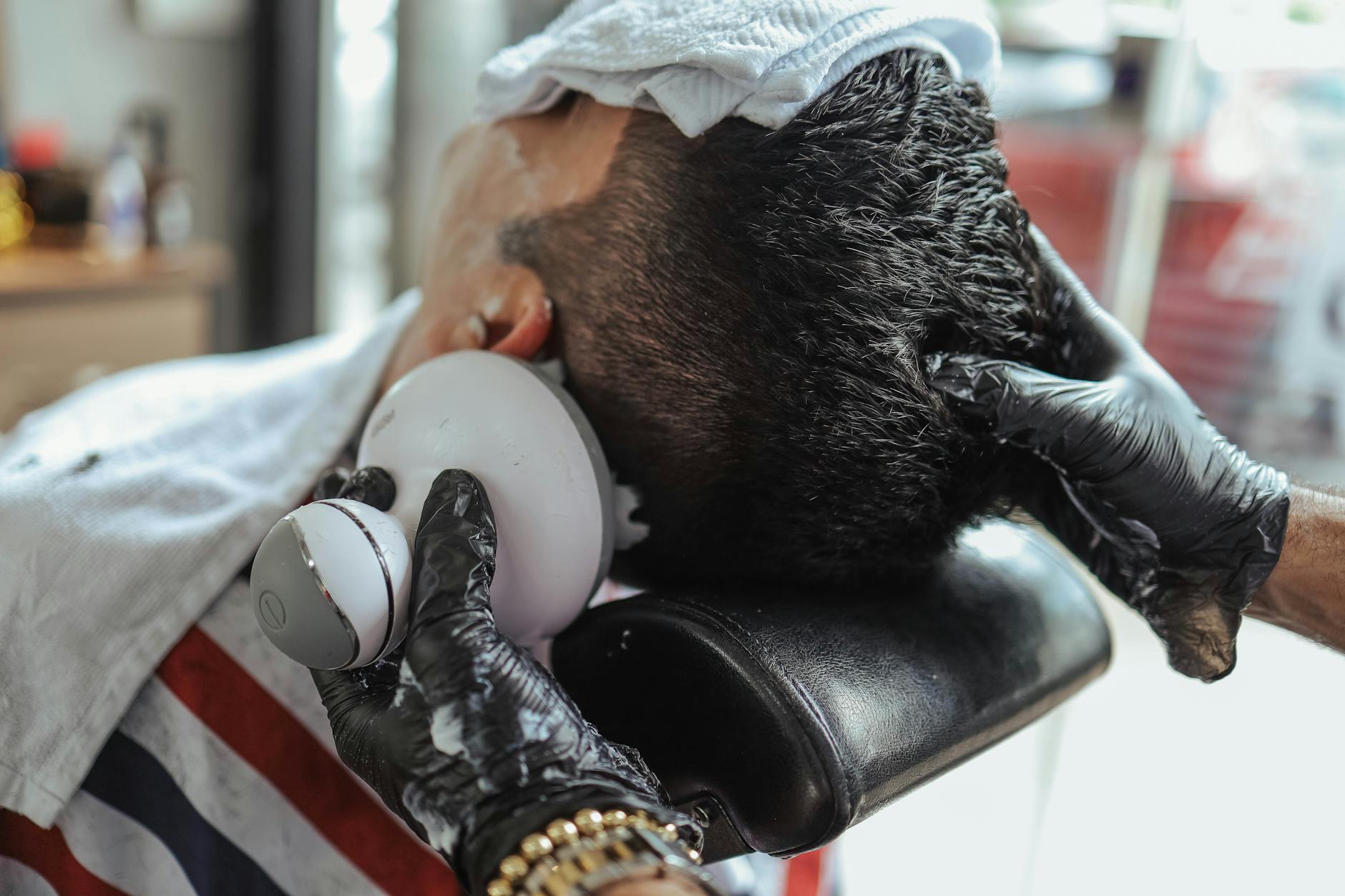
Many practitioners combine scalp Botox with other hair restoration treatments. Platelet-rich plasma (PRP) therapy, low-level laser therapy, and topical treatments like minoxidil work synergistically with the muscle relaxation effects of Botox. This comprehensive approach addresses multiple factors contributing to hair loss.
Early Results and Patient Reports
While large-scale clinical trials are still ongoing, early patient reports and practitioner observations show promising results. Patients frequently report improved scalp flexibility and reduced hair shedding within the first few months of treatment. Some notice new hair growth in areas that had shown early signs of thinning.
The treatment appears most effective for patients in the early stages of hair loss or those with a family history of pattern baldness seeking prevention. Patients with advanced hair loss may see stabilization of existing hair but shouldn’t expect dramatic regrowth from scalp Botox alone.
Dr. Michael Torres, a hair restoration specialist in Miami, has been offering scalp Botox for two years. “We’re seeing about 70% of patients report reduced hair shedding and improved hair quality. The key is managing expectations – this is primarily a preventive treatment, not a cure for advanced baldness.”
Patient testimonials highlight improved scalp comfort and reduced hair fall during washing and styling. Many report their hair feels fuller and stronger, though individual results vary significantly based on genetics, age, and the extent of existing hair loss.
The treatment has gained popularity among younger patients in their twenties and thirties who notice early signs of hair thinning. This demographic often seeks proactive treatments to prevent progression rather than waiting for significant hair loss to develop.
Considerations and Future Outlook
Cost remains a significant factor for many patients. Scalp Botox treatments typically range from $800 to $1,500 per session, with most patients requiring treatments every 4-6 months for maintenance. Insurance doesn’t cover the procedure since it’s considered cosmetic, making it a long-term financial commitment.
Side effects are generally minimal but can include temporary scalp tenderness, headaches, or minor swelling at injection sites. Serious complications are rare when performed by experienced practitioners, but patients should choose board-certified dermatologists or plastic surgeons familiar with scalp anatomy.

The beauty industry continues evolving with innovative approaches to traditional concerns. Just as professional estheticians are embracing sound therapy during facials, hair loss treatment is expanding beyond conventional methods to include neurotoxin therapy.
Research into scalp Botox continues with several clinical trials currently underway. These studies aim to establish standardized protocols, identify ideal candidates, and measure long-term effectiveness. Preliminary data suggests the treatment may be most beneficial when started early, before significant hair loss occurs.
The future of hair loss prevention likely involves combination therapies addressing multiple contributing factors. Scalp Botox represents one piece of this puzzle, potentially working alongside hormonal treatments, growth factors, and regenerative therapies to provide comprehensive hair preservation strategies for both men and women seeking to maintain their natural hairline.
Frequently Asked Questions
How does scalp Botox prevent hair loss?
Scalp Botox relaxes tight scalp muscles, potentially improving blood circulation to hair follicles and reducing mechanical stress that contributes to hair loss.
How long do scalp Botox results last?
Results typically last 4-6 months, similar to facial Botox treatments, requiring regular maintenance sessions for continued benefits.