


When Utility Becomes the New Luxury
The motorcycle dispatch rider jacket – heavy-duty, armor-paneled, built for hours on a bike in city traffic – is showing up in places it was never designed to reach. Fashion weeks, luxury retail floors, and the carefully curated wardrobes of people who have never once ridden a motorcycle. It carries abrasion-resistant panels, reinforced shoulders, and the kind of no-nonsense construction that screams function over form. That tension between industrial purpose and high-fashion context is precisely what makes it irresistible to designers right now.
This is not the first time workwear has crossed into luxury territory – construction vests had their moment, as did the boiler suit – but the dispatch rider jacket arrives with a particular kind of credibility. It is worn by real people doing physically demanding, often invisible urban labor. That groundedness gives it a weight that purely decorative outerwear simply cannot manufacture.

The Silhouette That Started It
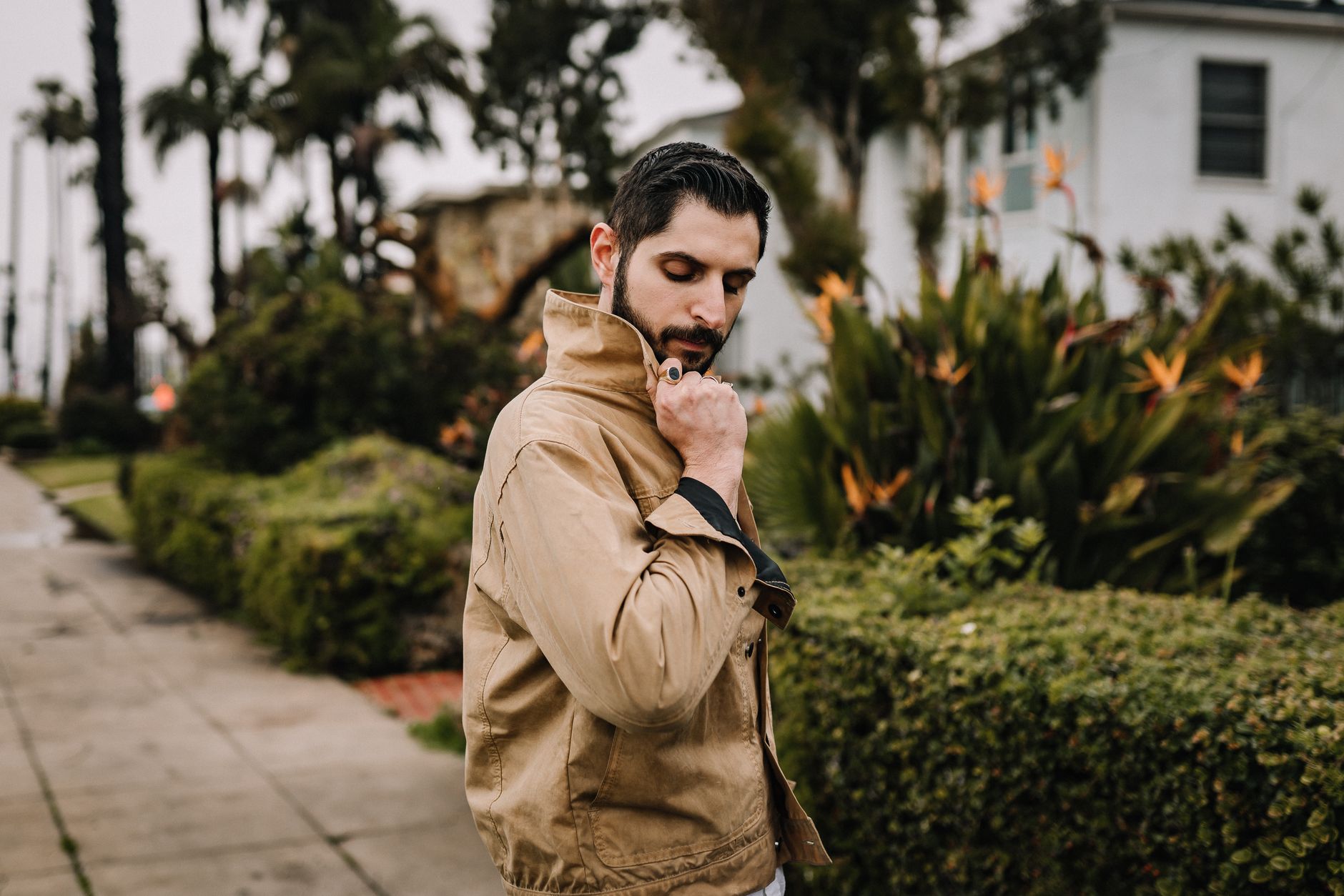
The classic dispatch rider jacket sits somewhere between a military field coat and a traditional biker jacket. It runs longer than most moto styles, often hitting mid-thigh, with a straight cut that accommodates body armor inserts and multiple zippered pockets designed for quick document retrieval. The shoulders are wide, the collar high, and the fabric – usually waxed cotton, heavy nylon, or technical canvas – holds structure even when worn open. That silhouette, it turns out, translates directly into what luxury outerwear has been chasing for several seasons: an oversized, utilitarian shell that looks deliberate rather than casual.
Waxed cotton in particular has become a flashpoint. The material weathers beautifully, darkening with wear and developing a patina that synthetic fabrics cannot replicate. Luxury houses that have built entire marketing identities around heritage and craft find the material easy to fold into their existing narratives. The dispatch jacket gives them that material in a shape that feels current rather than archival.
The pocket architecture deserves its own mention. Luxury outerwear has struggled for years with the pocket question – decorative pockets feel out of step with a fashion moment that values function, while purely utilitarian pockets can look clunky on a refined silhouette. The dispatch jacket solves this by treating pocket placement as a design feature rather than an afterthought. Chest pockets sit high and structured. Lower pockets flare slightly for ease of access. The zipper pulls are oversized and intentional. The result is a jacket that looks considered precisely because every detail has a reason to exist.
Where Luxury Outerwear Was Already Heading
High-end outerwear had been moving toward technical construction for several years before the dispatch jacket arrived as an influence. Brands already invested in Gore-Tex partnerships, bonded seam technology, and weather-ready fabrications found themselves with the manufacturing vocabulary to execute a dispatch-inspired silhouette at a luxury price point. The jacket did not require them to rebuild their supply chains – it just gave them a new reference point with stronger cultural currency than the anorak or the cagoule.
The timing also aligns with a broader appetite for clothing that signals effort and durability rather than fragility and exclusivity. A jacket that looks like it could survive a rainstorm, a courier shift, and a dinner reservation reads as confident in a way that a thin cashmere topcoat does not. Luxury buyers increasingly want their outerwear to communicate resilience, and the dispatch jacket’s entire design philosophy is built on exactly that.
What the Crossover Actually Looks Like
In practice, the luxury interpretation of the dispatch jacket retains the silhouette and material logic while removing the functional armor panels and replacing utilitarian hardware with refined versions of the same components. Zipper pulls become machined brass. Waxed cotton gets a higher thread count and a cleaner finish. The lining shifts from fleece to quilted silk or technical satin. The result is a jacket that reads as dispatch-inspired rather than dispatch-sourced – the visual language is intact, but the material hierarchy has been adjusted upward.
Styling in this context leans hard into the contrast. The jacket appears over tailored trousers and leather oxford shoes, or worn with wide-leg denim and clean white shirting. The point is never to suggest the wearer is actually a courier – it is to borrow the jacket’s associations with purpose and urban mobility while anchoring it in an obviously elevated context. That kind of deliberate friction is a reliable engine for fashion interest, and it is why this particular crossover has staying power beyond a single season.
The color story has also been refined in transit. Working dispatch jackets favor high visibility – olive, navy, and black dominate for practical reasons, with reflective tape as a safety feature. Luxury translations have taken the black and the olive as a foundation but introduced warmer tones: tobacco, dark amber, and a particular shade of clay that photographs well and ages interestingly in waxed materials. The reflective tape has either been dropped entirely or repositioned as a graphic detail rather than a safety measure, which says something honest about the priorities of the fashion adaptation.
This is also where the pattern of functional gear crossing into luxury streetwear holds a consistent internal logic: the original object’s visual identity does most of the work, while the luxury version changes the material register without changing the silhouette. The dispatch jacket follows that formula closely – and the formula keeps working because it gives buyers something they can explain. It is not just an expensive jacket; it is a jacket with a reference point, a history, and a reason for every design decision it contains.
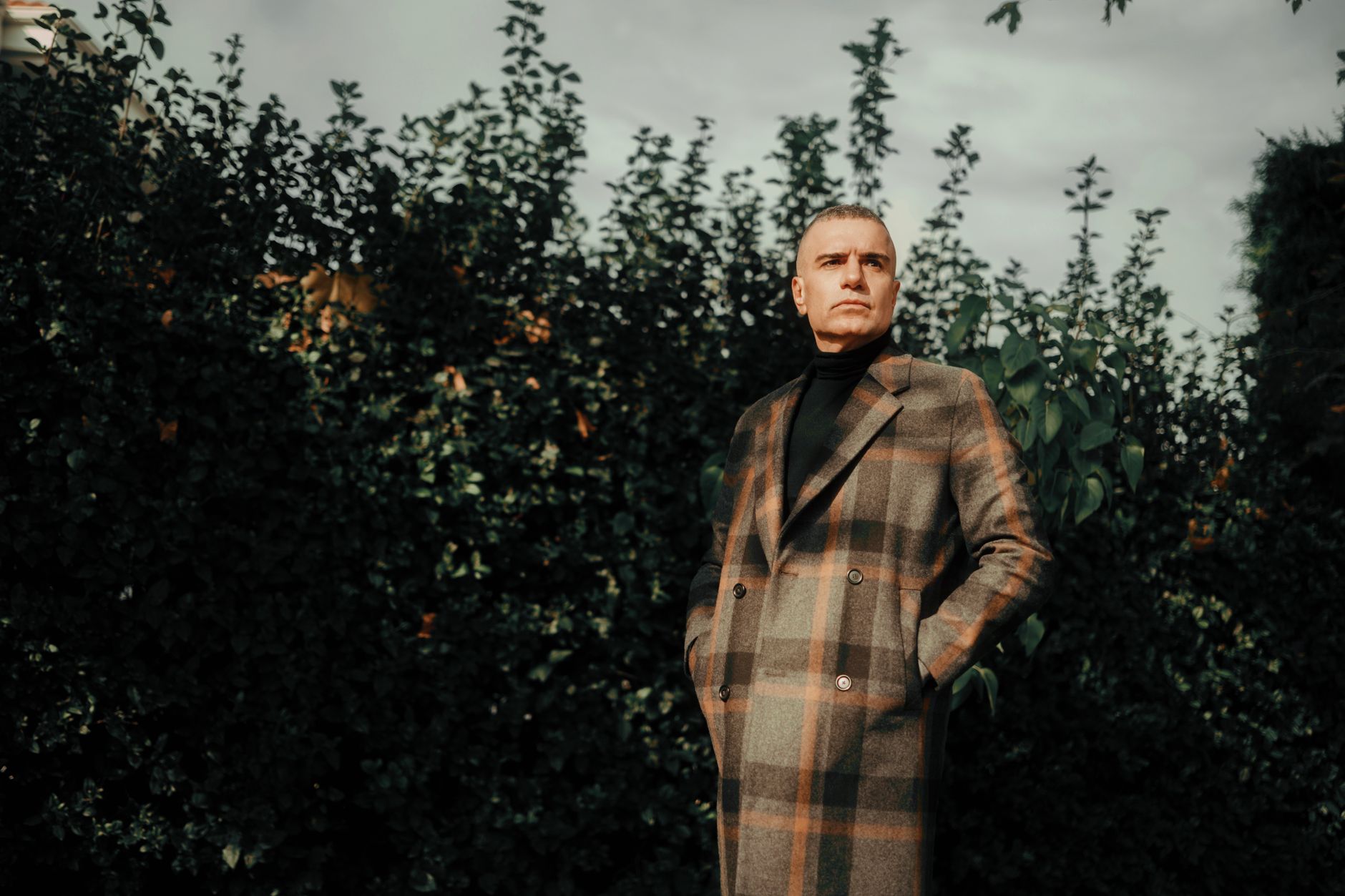
The unresolved question is whether the dispatch jacket can survive what comes next. Workwear crossovers tend to peak quickly once they reach the luxury mainstream, and the dispatch jacket is now visible enough that its moment of maximum fashion attention is probably somewhere in the next twelve months. The original jacket, of course, will keep doing exactly what it was always doing – on a bike, in the rain, somewhere in city traffic, entirely unaware of the conversation happening about it in boutiques charging sixteen times its original price.