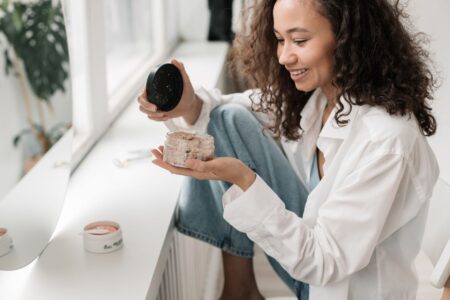


Walk down the body care aisle and the same ingredient keeps turning up on the front of the jar. Shea butter is anchoring whipped body butters, dense creams for elbows and heels, solid lotion bars, and even lightweight lotions that once relied on a long list of synthetic emollients. It sits near the top of ingredient lists rather than buried below the fragrance, and brands are printing the word in large type on the packaging. For shoppers who spent years reaching for gel creams and fast-absorbing lotions, the shift is obvious the moment you pick up a tub and feel how substantial it is.
The ingredient never went away; what changed is how confidently brands lead with it.
Part of the pull is sensory. Shea butter is solid in the jar and melts almost on contact with warm skin, which gives body products the slow, cushioned glide people associate with a spa treatment. Part of it is practical, because dry skin in cold months, or after a long hot shower, rarely responds to a thin lotion alone. And part of it is that body care has become a category people shop with more attention, reading labels the way they once did only with face serums. Shea fits that habit neatly. It is a single, recognizable plant ingredient that does one clear job, and that job is keeping skin from drying out.

Why an Old Ingredient Suits the Label Readers
Shea butter is the fat pressed from the nuts of the shea tree, which grows across the savanna belt of West Africa and stretches into parts of East Africa. Its makeup is dominated by oleic and stearic acids, and that balance explains the texture: firm enough to hold its shape in a tub, soft enough to spread without tugging. It also contains a fraction of compounds that do not turn into soap, which is part of why it has a long reputation for calming rough, tight skin. Unlike many light plant oils that sink in and disappear, shea sits at the surface and slows water loss, acting as an emollient and an occlusive at once. That dual action is why it keeps appearing in products aimed at cracked heels, chapped hands, and winter legs. The explanation for its long track record is a simple one.
Simplicity is also the selling point right now. A shopper scanning a jar can recognize shea butter, understand what it is, and trace it to a tree, which is more than can be said for a paragraph of polymers and silicones. Brands have noticed. Shorter ingredient lists with shea in the first few positions read as honest, even when the formula underneath is more complicated than the front label suggests. That deserves some skepticism, because a tub can proudly name shea and still be mostly water, fragrance, and filler. The word on the front is a starting point, and the back of the jar is where the real information sits.
Refined and unrefined shea complicate the picture further. Unrefined butter is ivory to yellowish, with a nutty, faintly smoky scent that some people love