

The logo-free cream sweater once did all the talking, and it said one thing: I do not need to prove anything. Lately, closets have started saying a lot more.

Why the Beige Uniform Stopped Working
Quiet luxury was always a code, and codes only function when the audience can read them. The appeal was in the subtraction: no visible branding, a muted palette, fabrics that reward a closer look. A well-cut camel coat signaled taste and money to people who knew how to spot the difference between a good drape and a decent imitation. Everyone else saw a plain coat.
That is also the weakness. Once the look became a mainstream aesthetic, every price tier produced its own version of the oatmeal knit, the pleated trouser and the soft-shouldered blazer. At a glance, the genuine article and the convincing copy became hard to tell apart, and a signal that cannot be told from its imitation stops functioning as a signal. What remained was a uniform, and a rather anonymous one.
There is a creative cost, too. A wardrobe engineered to avoid mistakes also avoids personality, and the safest outfit in the room is rarely the one anyone remembers. Many people who bought into the neutral capsule found themselves dressing for an imagined observer who was assessing their restraint, rather than for themselves. That gets tiring faster than any trend cycle.
Then there is the practical matter of how clothes are seen now. A gray-on-gray outfit does not stop a thumb mid-scroll.
What Louder, More Personal Dressing Looks Like
This is not a simple return to logomania. The loud dressing of earlier eras announced the brand, and the version taking hold now announces the wearer. Volume, color and pattern are tools, but the point is authorship: an outfit that could only belong to one person, assembled from choices that are visibly deliberate. A big logo says where you shopped. A mismatched, joyful, slightly eccentric outfit says who you are, and that is much harder to copy.
In practice, it starts with color used without apology. Saturated cobalt, tomato red and acid green are replacing the safe taupe, and clashing is treated as a skill rather than a risk. Prints are being layered on purpose, such as a striped shirt under a floral jacket, and proportions are getting exaggerated: wide trousers, sculptural shoulders, skirts with real volume. Jewelry has changed too. Instead of a single discreet gold chain, think stacked rings, oversized brooches pinned where no rulebook says they belong, and heirloom pieces worn without any attempt to match.
Customization is the quieter engine behind the louder look. Embroidered initials, hand-painted denim, patches collected from trips and visible mending turn a garment into a diary. A jacket with a repaired sleeve in contrasting thread carries a story that no new purchase can, and it is a story other people tend to ask about. That conversation is the real status symbol here, because it cannot be bought off a rack in someone else’s size.
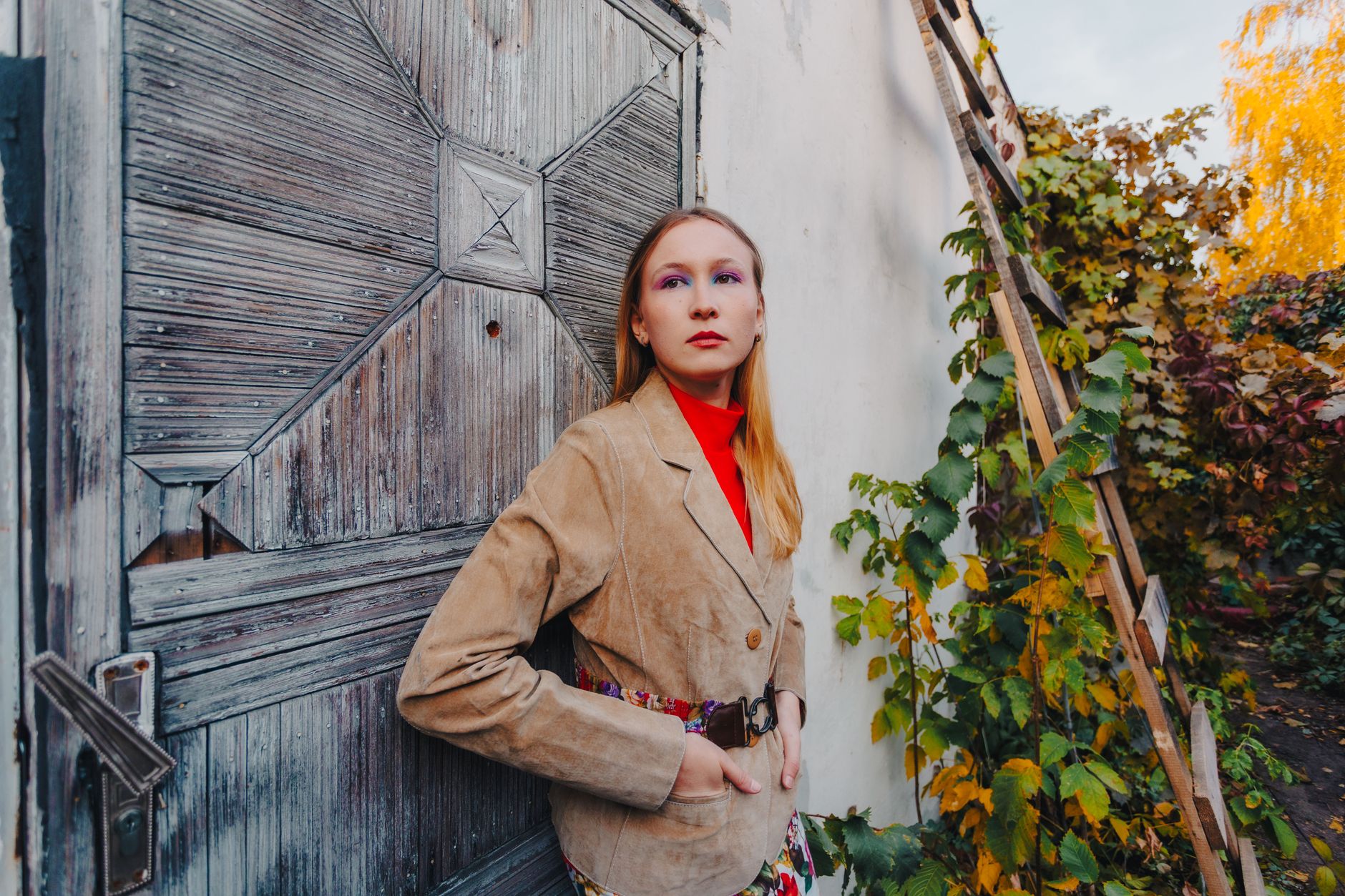
Secondhand and vintage shopping fuel the same impulse. Quiet luxury rewarded buying the correct thing, while personal dressing rewards finding the odd thing, the beaded cardigan from a flea market or the tailored 1980s blazer that fits as if it were made for you. The hunt itself produces uniqueness, since no two people walk out of the same thrift store with the same haul. It also lowers the cost of experimenting, which matters when the goal is to try bolder looks without a luxury-sized commitment.
Doing this well is less chaotic than it sounds. Start with one anchor piece that carries the volume, such as a vivid coat, a heavily patterned skirt or an embroidered jacket, and let everything else support it. Repeat one of its colors in a small accessory, like a bag, a scarf or a pair of socks, so the outfit reads as intentional rather than random. Keep the fit sharp even when the styling is loud, because a well-hemmed neon trouser looks confident while a sloppy one looks like a costume. Edit ruthlessly at the door: if an outfit has three competing focal points, remove one. The goal is a look that feels like a point of view, not a pileup.
What Survives From the Quiet Years
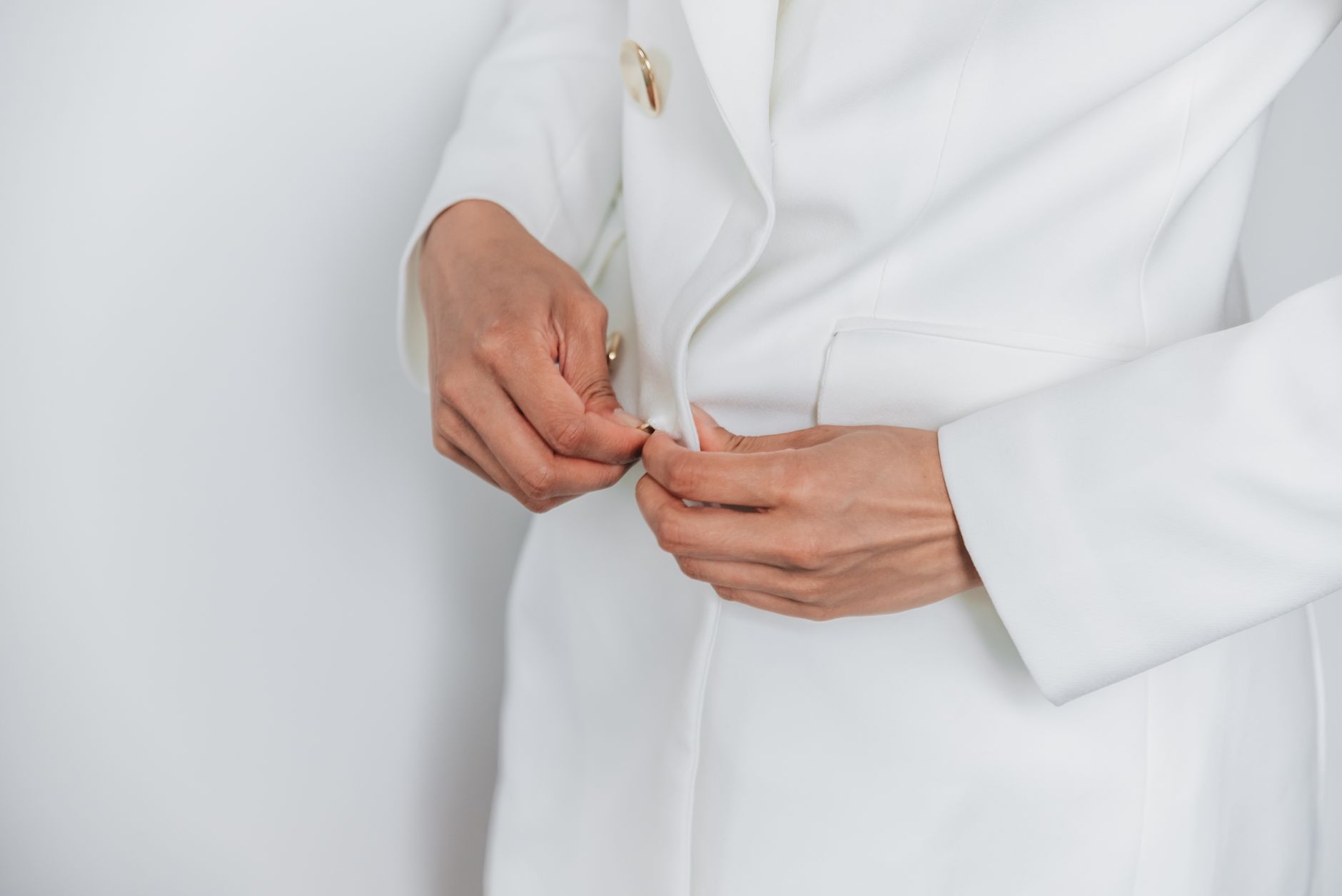
Not everything about quiet luxury is being discarded, and the good parts are worth keeping. The emphasis on fabric quality, clean tailoring and clothes that last has carried over into the louder wardrobe, because a bold piece only works if it is well made. A crisp collar, a considered hem and a coat that holds its shape still separate a styled outfit from a chaotic one. The difference is that craftsmanship now supports personality rather than replacing it.
There is a catch, though. Maximalist, thrifted, heavily accessorized dressing can harden into a uniform of its own, with the same chunky rings, the same clashing prints and the same carefully “random” brooch showing up on every feed. If individuality becomes a template, the loud look will wear out the same way the beige one did, which raises an uncomfortable question: how long can a wardrobe stay personal once everyone is copying the idea of personal?
Frequently Asked Questions
Is quiet luxury over?
Not entirely. Its focus on quality fabrics and clean tailoring remains, but the head-to-toe neutral uniform is giving way to bolder color, pattern and personal styling.
What is personal dressing in fashion?
Personal dressing is an approach where outfits reflect the wearer’s own taste, history and humor through color, vintage finds, customization and layered accessories, rather than through visible brand names.
How can I wear bold style without looking chaotic?
Choose one loud anchor piece, echo one of its colors in a small accessory, keep the fit sharp, and limit the outfit to a single main focal point.