

For a decade, the athletic wall anchored every department store shoe floor. Now the traffic is gathering somewhere else. Ballet flats, once written off as the shoe your aunt wore to the office, are reportedly moving faster than sneakers at a number of major retailers. The reasons have less to do with nostalgia than with how people dress now.
No single trend explains it. A handful of small ones have stacked up: tailoring creeping back into daily wardrobes, sneaker silhouettes that all look alike, and a new generation of flats built with the cushioning the old versions never had. Each factor alone would nudge sales. Together, they have changed what a shopper reaches for when she needs a pair of shoes she will actually wear on Tuesday.
Sneaker Fatigue Has a Look
Walk through any sneaker section and the sameness is hard to miss. The white leather low-top, the chunky platform runner and the retro court shoe in muted pastels have circulated for so long that they read as a uniform rather than a choice. Limited drops and resale hype once made sneakers feel like collectibles. Now that nearly everyone owns three versions of the same shoe, the thrill has drained out of the category.
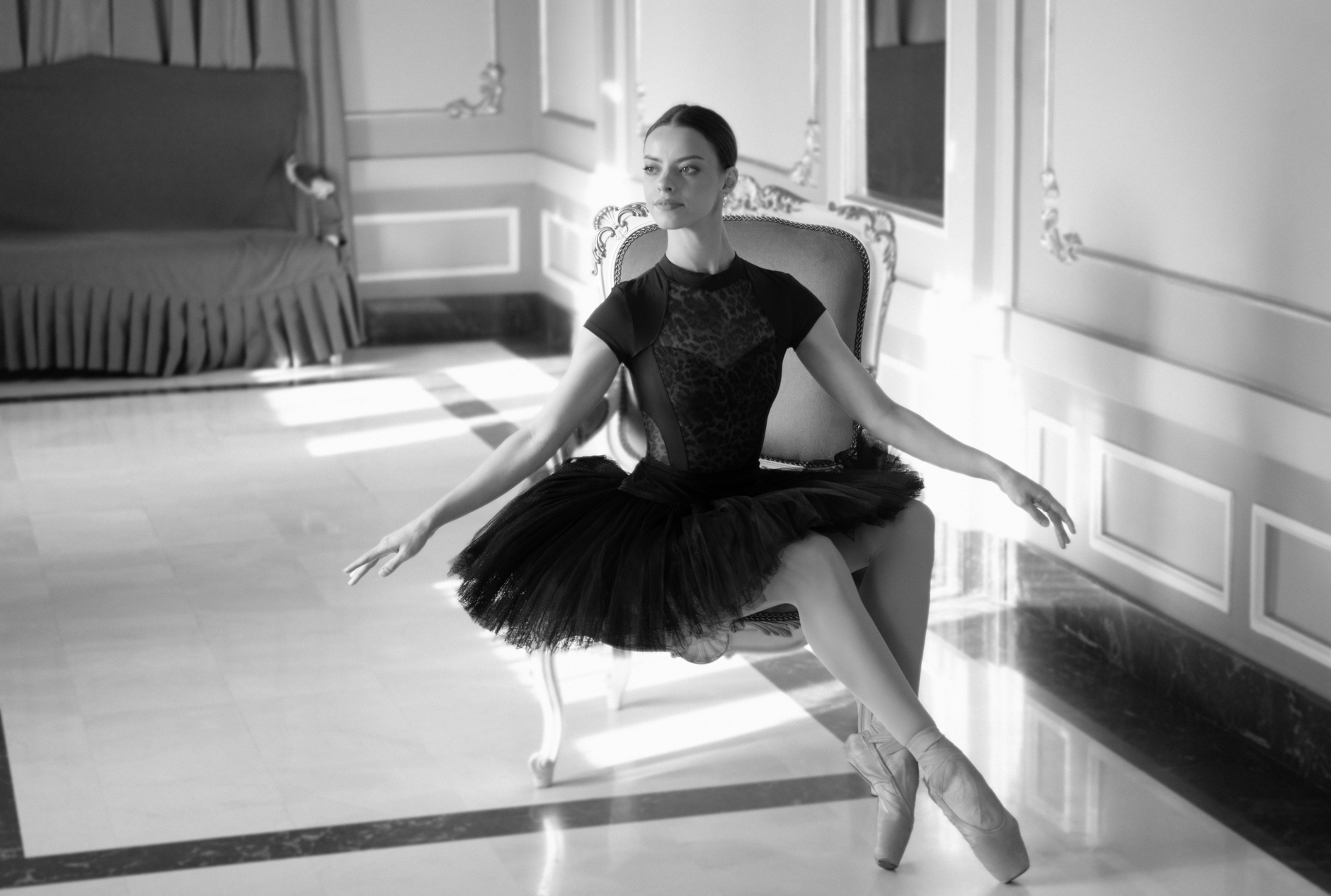
Clothing has also moved on, and sneakers have not kept up. Wide-leg trousers, bias-cut skirts, slim knit dresses and cropped tailoring all depend on a clean line from hem to foot. A bulky sole interrupts that line, and a ballet flat finishes it. Shoppers who spent years forcing sneakers into outfits they were never designed for are discovering how much easier it is to start with a shoe that disappears under the hem and lets the clothes carry the look.
Price and replacement cycles matter too. Flats usually carry a lower entry price than a fashion sneaker, which makes them an easier yes on a shopping trip that began with a different errand. They also wear out faster, particularly the thin-soled styles, so a loyal customer returns more often. A sneaker can last for years of rotation. A flat worn three days a week asks to be replaced, and that rhythm is good for any sales floor. It helps that the shoe photographs well, comes in a long list of colors, and rarely needs a second thought about sizing up for socks.
Comfort Finally Caught Up
The old objection to ballet flats was simple: they hurt. Paper-thin soles, stiff leather and heels that slipped off with every step made them a shoe for sitting. The current generation answers that complaint directly, with memory-foam footbeds, flexible rubber outsoles, elasticized topline edges that grip the heel, and softer linings that cut down on blisters. Many styles now borrow construction ideas from athletic footwear while keeping the slim profile that made flats appealing in the first place.
That upgrade removed the one real reason to choose a sneaker for a long day on foot.
What the Shoe Floor Reveals
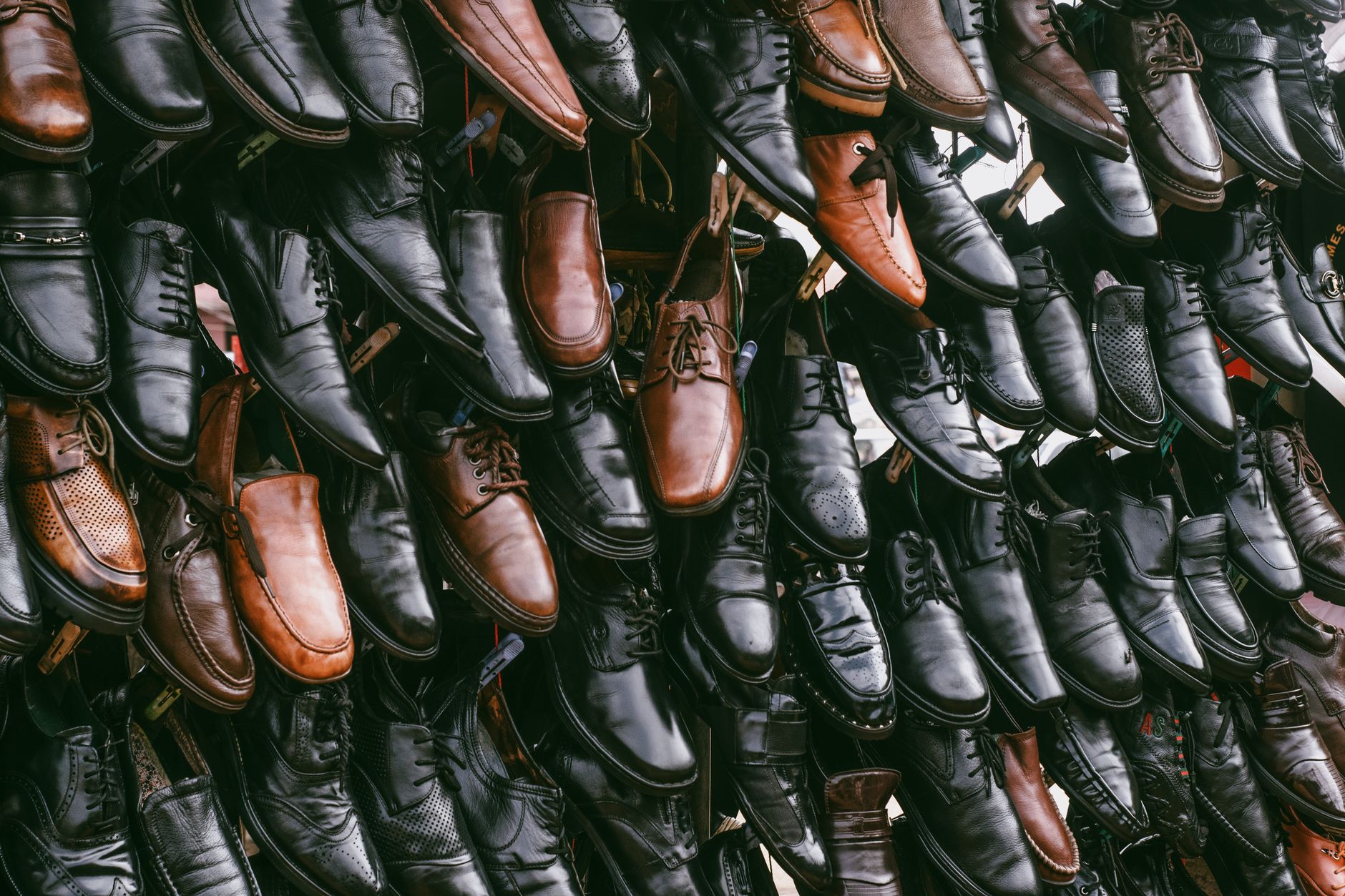
Department stores have always used shoe departments as a barometer, because shoppers try on in person and the sell-through is visible to anyone watching the stockroom. The growing shelf space given to flats, from classic leather to mesh, patent, bow-trimmed and Mary Jane variations, signals that buyers see durable demand rather than a passing social media moment. Placement tells the same story. Flats that once lived in a back corner now sit near the entrance, styled with trousers and skirts on nearby mannequins.
The customer base has widened as well. A shopper in her twenties who found the silhouette through balletcore content may stand beside her mother, who never stopped wearing flats and is delighted that the shelves are full again. That crossover is rare in fashion, where a trend usually belongs to one age group. Gifting adds another layer: a flat in a neutral shade is an easy present, and it needs no deep knowledge of the recipient’s taste.
The shoe also earns its place through sheer practicality. Commuters who wear sneakers for the walk and change at the office now have an alternative that looks finished without being formal. Weddings, dinners and travel days are easier with a pair that packs flat and survives a long evening. Retailers understand this, which is why flats are increasingly merchandised as an everyday shoe instead of an occasion shoe, and that framing quietly pulls shoppers away from the sneaker wall.

None of this means sneakers are finished. They still own the gym, the airport and the weekend errand run. But a flat that weighs a few ounces and slips into a work bag has found a job sneakers never wanted: being the second pair.