

The Jacket That Prep Schools Forgot – And Fashion Remembered
The bumfreezer jacket has one of the most descriptive names in tailoring history. Short enough to expose the seat of the trousers, cropped at the hip with a clean, boxy finish, the style was standard uniform issue at Eton College for generations – a rigid silhouette associated more with tradition and punishment than with runway aspiration. Yet that same architectural shortness is now appearing across collections from London to Milan, not as costume or homage, but as a quietly credible alternative to the longer blazer.
Cropped tailoring has cycled through fashion repeatedly, but this particular iteration carries something different: it borrows the structural severity of the Eton cut rather than the relaxed nonchalance of, say, a cropped linen blazer. Where many cropped jackets soften their proportions with oversized lapels or unstructured shoulders, the bumfreezer-influenced styles hold their line. The shoulder sits precisely. The hem falls with intention. The whole garment reads as formal even at a shortened length.
That tension between formality and proportion is exactly what makes it interesting right now.

Why the Silhouette Works on a Modern Body
The cropped tailoring market has been dominated for several seasons by the oversized-shoulder, dropped-hem hybrid – a jacket that reads deliberately unfinished, worn with wide trousers to create a boxy, elongated column. The bumfreezer approach inverts that logic entirely. By cropping at the true hip rather than mid-torso and keeping the shoulder structured, it creates a strong visual break that actually lengthens the leg line when worn with high-waisted trousers or a long skirt. The body reads as longer even though the jacket is shorter.
The proportional math works because the eye follows the vertical line of the trouser or skirt uninterrupted from waist down. A longer blazer would cut that line somewhere around the thigh or knee, fragmenting the silhouette. The bumfreezer lets the bottom half of the outfit carry the length, which suits the current appetite for high-waisted, wide-leg trousers that already do a lot of visual work below the belt. You are essentially wearing two separate, strong proportional statements rather than one ambiguous middle ground.
There is also a posture element worth considering. The short, structured jacket encourages – or rather, requires – an upright stance. Slouching inside a bumfreezer-cut jacket looks immediately wrong because the fit is calibrated for a straight back. Some designers working in this silhouette have noted that the jacket functions almost like a wearable reminder to carry yourself differently, which feeds into the broader appetite for clothing that feels purposeful and slightly demanding rather than purely forgiving.
How Designers Are Updating the Reference
The raw Eton original was built for adolescent boys in school uniform wool – hard-wearing, deliberately unflattering, with no particular interest in elegance. Contemporary designers translating the silhouette are making entirely different material choices. Structured crepe, double-faced wool, technical cotton with a subtle sheen, and even leather have appeared in bumfreezer-proportioned cuts, each material shifting the mood considerably. The leather version reads as aggressive and directional. The double-faced wool version lands somewhere between boardroom and heritage weekend. The crepe version flirts with evening wear.
Lapel treatment is the other area where the modern versions diverge sharply from the school uniform source. The original Eton jacket used a narrow notch lapel with no particular ambition. Current iterations are appearing with peaked lapels that add visual height, with oversized shawl collars that create a deliberate contrast to the short body, and with no lapel at all – a collarless, officer-collar finish that strips the jacket down to its most architectural form. That collarless version is proving particularly versatile because it layers cleanly under coats and sits flush against the neck without competing with jewelry or necklines.
Pocket placement has become a quiet design conversation within the silhouette. Because the jacket is so short, there is limited real estate for the traditional flap pocket at hip level – it would sit almost at the hem and look awkward. Designers are solving this with chest pockets only, with side seam pockets that keep the line clean, or with no functional pockets at all and decorative stitching instead. That last choice is a deliberate signal: a jacket with no pockets is a jacket that prioritizes form over function, which positions the bumfreezer cut firmly in dressier, occasion-focused territory rather than everyday wear. It’s a natural companion piece to the kind of structured accessories explored in structured tote design, where silhouette discipline takes precedence over casual utility.
Styling the Cut Without Looking Costumed
The main styling risk with any jacket that carries a strong institutional reference is ending up in costume territory – wearing a bumfreezer-proportioned jacket with the wrong pieces and looking like you raided an actual school uniform cupboard. The way around this is straightforward: let the jacket be the most formal element and build everything else away from that register. Wear it with wide, unpleated trousers in a contrasting fabric rather than a matching trouser. Wear it with a long bias-cut skirt. Wear it over a simple fitted turtleneck rather than a dress shirt with a collar that competes with the jacket’s neckline. The jacket announces itself; the rest of the outfit does not need to match its formality or repeat its institutional energy.
Color is doing significant work in making these jackets feel modern rather than archaic. The Eton original was black, occasionally charcoal. Contemporary versions are appearing in camel, ivory, forest green, and deep burgundy – colors that immediately distance the garment from any uniform association while keeping the silhouette intact. A bumfreezer jacket in camel double-faced wool with wide cream trousers reads as polished European tailoring with an interesting proportion, not as borrowed schoolwear.
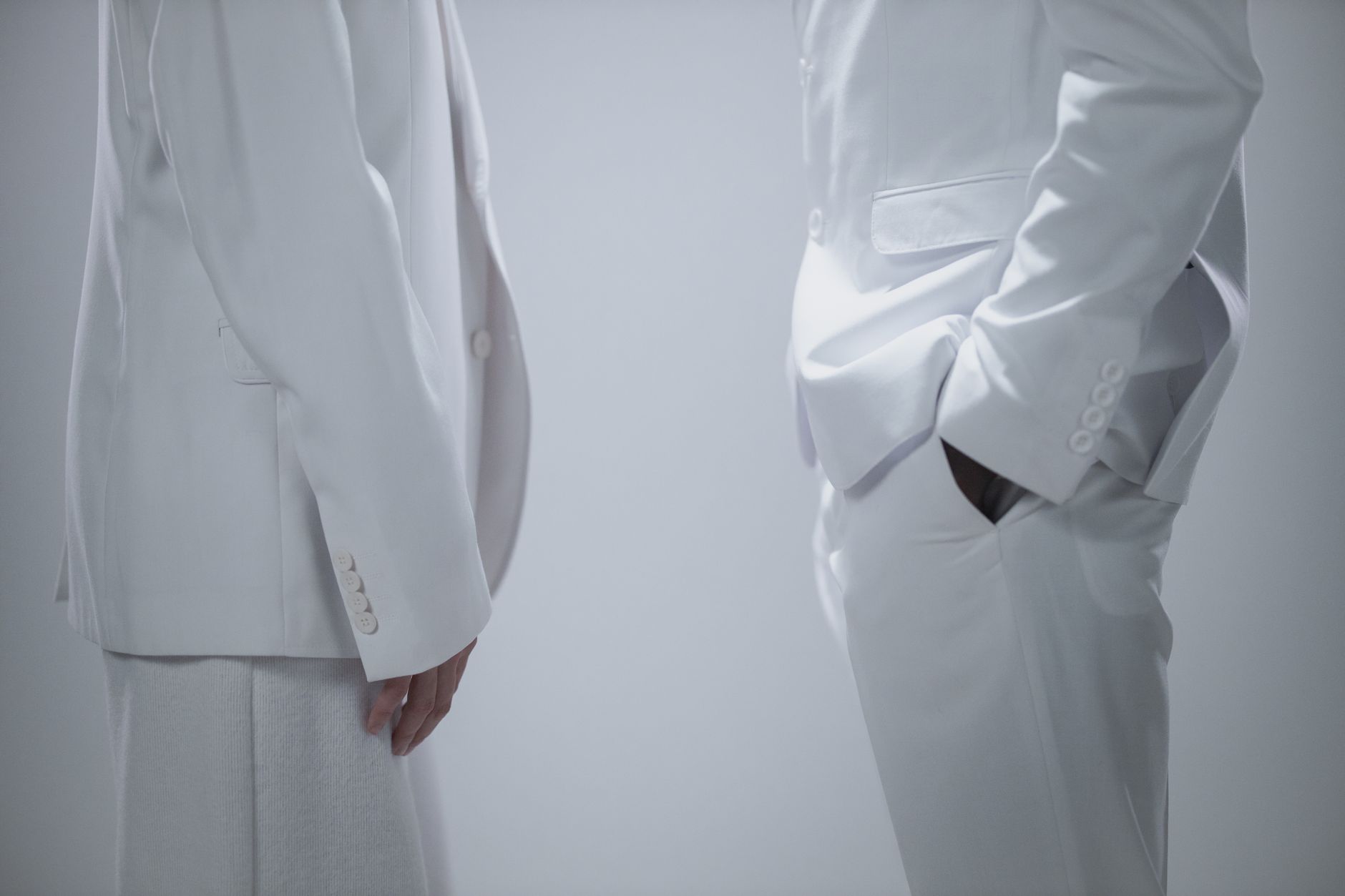
The question sitting underneath all of this is whether the silhouette can sustain interest beyond a directional moment – whether it builds a genuine wardrobe foothold the way the oversized blazer did through multiple seasons of sustained adoption. The oversized blazer succeeded partly because it was forgiving, worked across body types, and required almost no styling precision. The bumfreezer asks more of the wearer: it demands the right trouser rise, a clean underlying layer, and a willingness to hold your posture. That narrower margin for error may limit its reach – or it may be exactly what keeps it desirable.