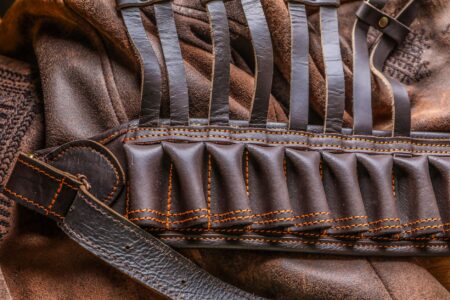


The leather piping that wraps a polo saddle’s cantle – that raised rear ridge built to keep a rider seated during a canter – has found a second life on the fashion circuit. Tailors and designers are lifting this utilitarian binding detail off equestrian equipment and stitching it directly onto blazer hems, turning a functional stable element into a structural finishing statement.
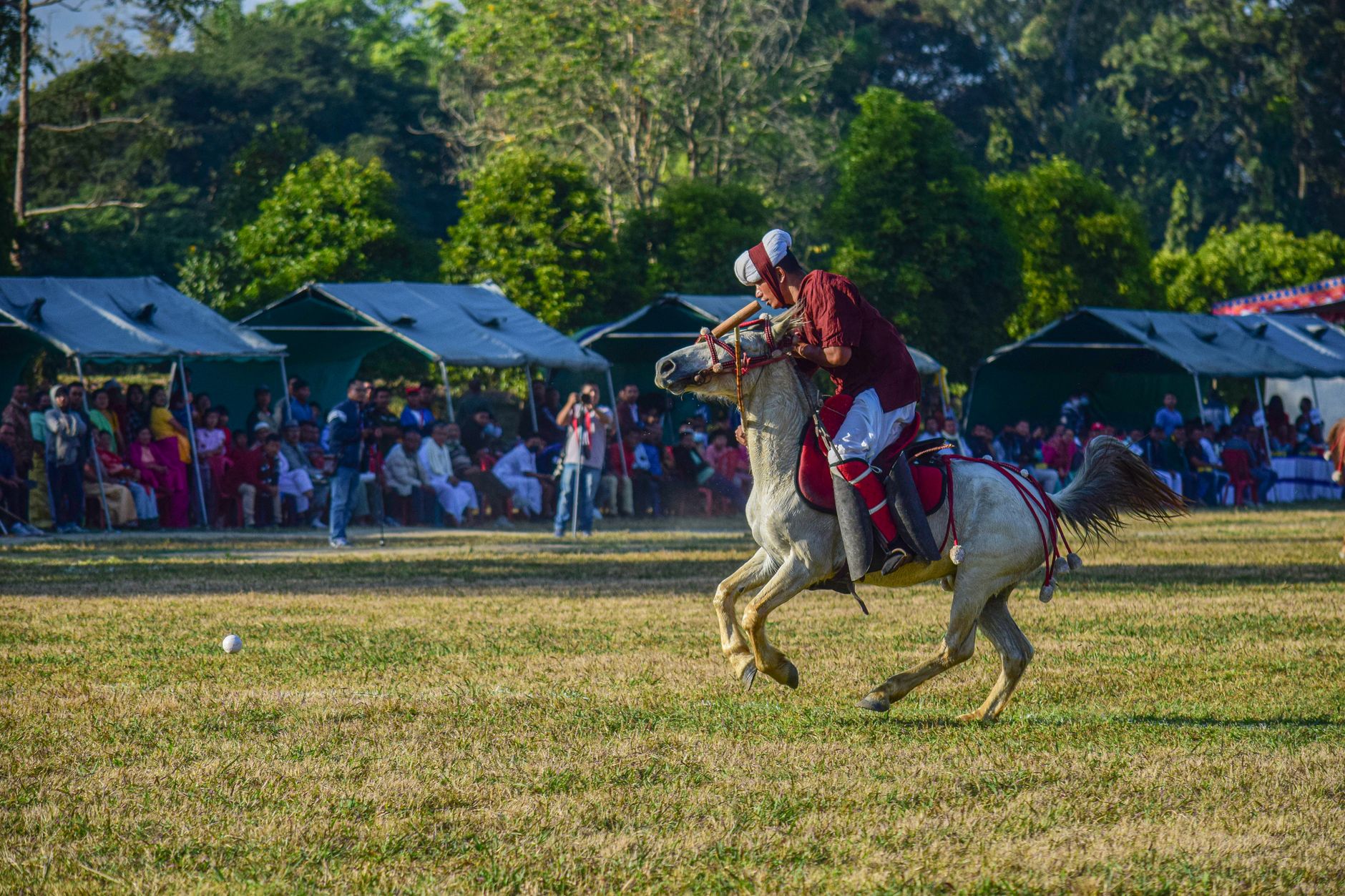
Where the Detail Comes From
Polo saddles are built for movement and pressure. The cantle, the curved back of the seat, takes the most stress during play, so its leather binding is thick, tight, and double-stitched – designed to hold its shape under force rather than decoration. That binding creates a clean, raised edge that visually defines the saddle’s silhouette in a way that standard stitching never could. It is a detail born from necessity, which is precisely why it translates so well to structured garments.
Equestrian dressing has cycled through fashion for decades, but the influence has historically stayed surface-level – jodhpur trousers, riding boots, the occasional hacking jacket. What is different about this current wave is the specificity of the reference. Rather than lifting a broad equestrian aesthetic, designers are reaching for exact hardware and construction details from polo equipment itself. The cantle binding is narrow enough to read as sophisticated refinement rather than costume.
Leather binding on blazer hems is not, by itself, a new concept. It has appeared in couture workrooms for years as a way to weight a hem and prevent rolling. But the polo saddle interpretation carries a particular character – the binding is applied with visible tension, sitting slightly proud of the fabric surface, creating a ridge rather than a flat border. That raised quality is what makes it read differently from standard leather trim, and it is what connects the garment explicitly to its equestrian source.
The silhouette this creates suits a very specific kind of blazer: single-breasted, structured through the shoulder, with a relatively short hem. The leather cantle binding adds visual weight at the bottom edge without adding bulk to the body of the jacket. It anchors the garment’s silhouette the way a heavy hem tape would, but with enough visual presence to function as an intentional design element rather than a construction solution.

How Designers Are Working With the Detail
The execution varies considerably depending on the design house’s relationship to tailoring tradition. Some workrooms are treating the binding almost archaeologically – sourcing the same vegetable-tanned leather strips used by saddlers, applying them with the same tension and double-stitch pattern found on actual polo equipment. The result sits so close to the source material that the connection is immediately legible to anyone who has spent time around horses.
Other designers are loosening the reference, using the binding’s proportions and placement while substituting materials – patent leather for a sharper evening context, suede for a softer daywear reading, or even waxed canvas for a more utilitarian interpretation. The cantle’s binding is characteristically narrow, usually between eight and twelve millimeters, and that proportion is what most versions preserve regardless of material substitution. Go wider and it reads as a statement border; go narrower and it disappears into the hem.
Color is where the detail gets interesting. The traditional polo saddle runs in natural tan, chestnut, or dark chocolate brown, and those shades are carrying directly into the fashion versions as tonal trim on camel, tobacco, and navy blazers. But a growing number of pieces are using the binding as a contrast element – black leather on cream wool, cognac on charcoal, ivory on black – which amplifies the saddle reference by making the binding impossible to overlook. Contrast binding reads more fashion-forward; tonal binding reads more like classic tailoring.
Construction-wise, the binding presents some challenges on woven suiting that it does not on saddle leather. Suiting fabric has give and movement; saddle leather does not. Applying a stiff leather strip to a fabric that breathes and shifts requires either a flexible leather grade or an interfaced hem that can hold the binding without puckering. Workrooms resolving this well are using the binding as the final step after all internal hem structure is complete, so the leather sits on a stable foundation rather than fighting the fabric’s natural movement.
The detail also interacts with structured blazer vents in ways that reward close attention. When the same leather binding that runs the hem continues up into the vent edge, the garment reads as a coherent system rather than a decorated piece. That continuity – binding flowing from hem to vent without interruption – is the difference between a detail that feels applied and one that feels integral to the garment’s construction logic.
Who Is Wearing It and How

The blazers turning up with cantle-binding hems are landing on a specific dresser: someone comfortable in tailoring, drawn to British heritage references, and looking for the kind of quiet distinction that requires knowledge to decode. This is not a trend that announces itself across a room. The binding is subtle enough that most people will register a blazer as unusually sharp without being able to name exactly why. That opacity is part of the appeal – it rewards the wearer’s knowledge and the observer’s curiosity without performing loudly.
Styling has largely kept the rest of the look restrained – well-cut trousers, a plain knit or simple shirt underneath, nothing competing with the hem for attention. The binding works because it is the only eccentric element in an otherwise conventional outfit. The question worth watching is whether the detail holds its specificity as it moves into wider circulation, or whether the polo saddle reference gets diluted into generic leather trim the moment more brands start adding it to their hems without understanding where it came from.
Frequently Asked Questions
What is cantle binding on a polo saddle?
The cantle is the raised rear ridge of a saddle seat. Its leather binding is a tight, double-stitched strip that holds the edge firm under pressure during riding.
How is leather cantle binding applied to a blazer hem?
It is stitched onto the finished hem edge as a narrow strip, usually 8-12mm wide, sitting slightly proud of the fabric to create a visible raised ridge similar to its saddle counterpart.