


Facial skincare has spent a decade teaching people to treat the skin on their faces with targeted, leave-on formulas. The logic was always going to reach the hairline. Scalp serums, lightweight treatments applied directly to the skin beneath the hair, are now showing up in everyday routines alongside shampoo and conditioner rather than on the shelf of a specialist clinic.
The appeal is easy to grasp. Most people already accept that a healthy face starts with a healthy skin barrier, so the idea that healthy hair starts at the scalp barely needs selling.
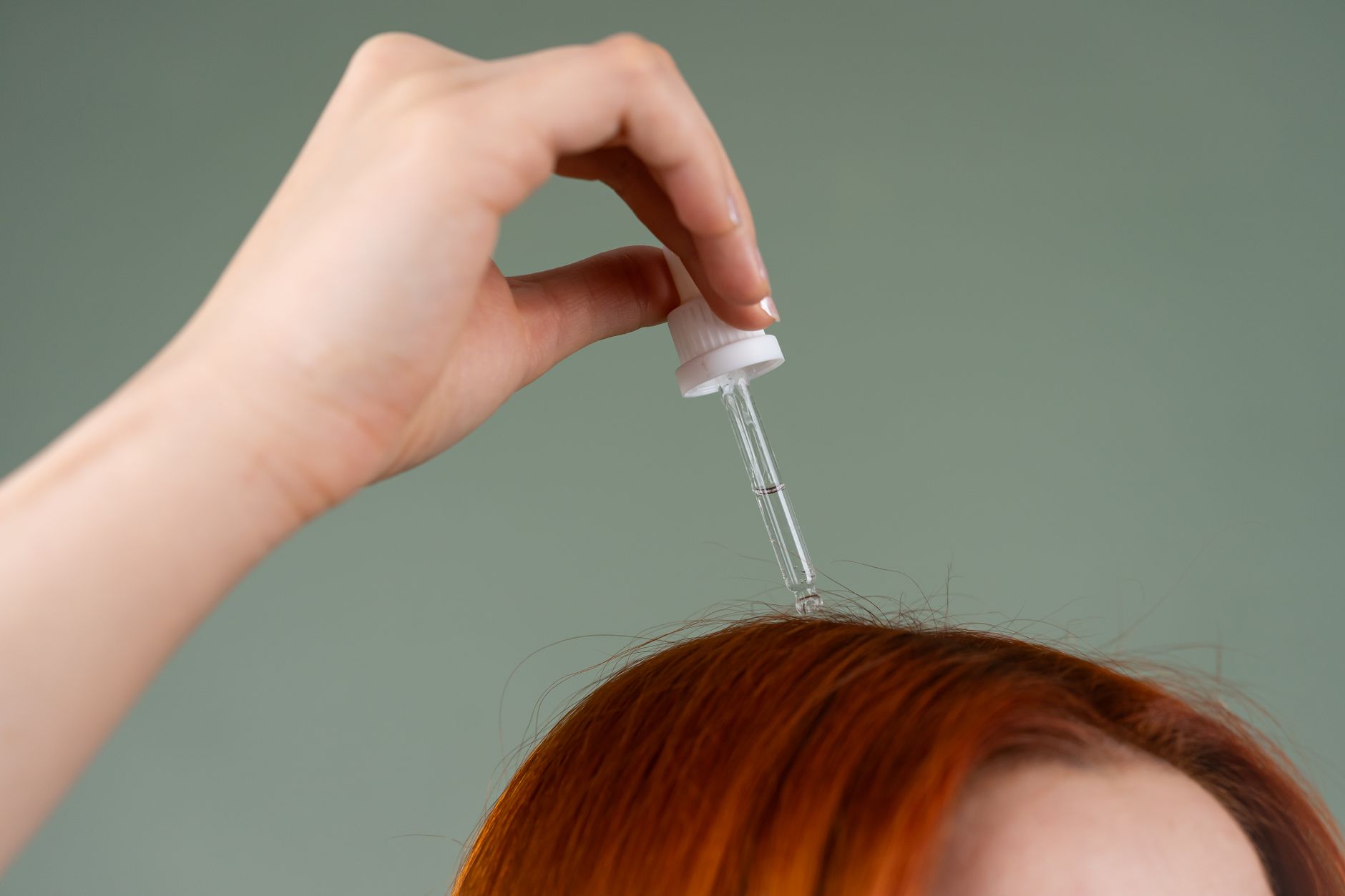
Why the Scalp Finally Got Its Own Product Category
The scalp is skin, and it behaves like skin. It produces oil, it sweats, it collects styling residue and pollution, and it can turn dry, tight, itchy or inflamed. Hair follicles sit within it, which means the environment the follicle lives in matters for how hair looks and feels at the surface. Shampoo does the cleaning, but it is a rinse-off product with a few minutes of contact time. Conditioner is designed for the lengths and ends, and most formulas are deliberately kept away from the roots. That left a gap: nothing in a standard routine was built to stay on the scalp and keep working.
Serums fill that gap by borrowing a format people already trust. A thin, fast-absorbing liquid in a dropper or nozzle bottle can deliver hydrators, gentle exfoliants or soothing agents without weighing down the hair. The vocabulary has traveled too. Words like barrier, microbiome, exfoliation and hydration now appear on hair packaging that once talked only about shine and volume. For anyone who has built a careful face routine, applying a serum at the roots feels like a logical extension rather than a new habit.
What Goes Into the Bottle
Scalp serums are not one formula, and reading the ingredient list matters more than reading the front label. Broadly, most fall into a few families, and each one is aimed at a different complaint.
Hydrating and barrier-supporting formulas lean on ingredients such as glycerin, hyaluronic acid and panthenol. These suit a scalp that feels tight after washing or flakes in dry, small pieces. Soothing formulas often add niacinamide, allantoin or centella asiatica, aimed at redness, sensitivity and that prickly feeling that shows up after heat styling or a harsh clarifying wash.
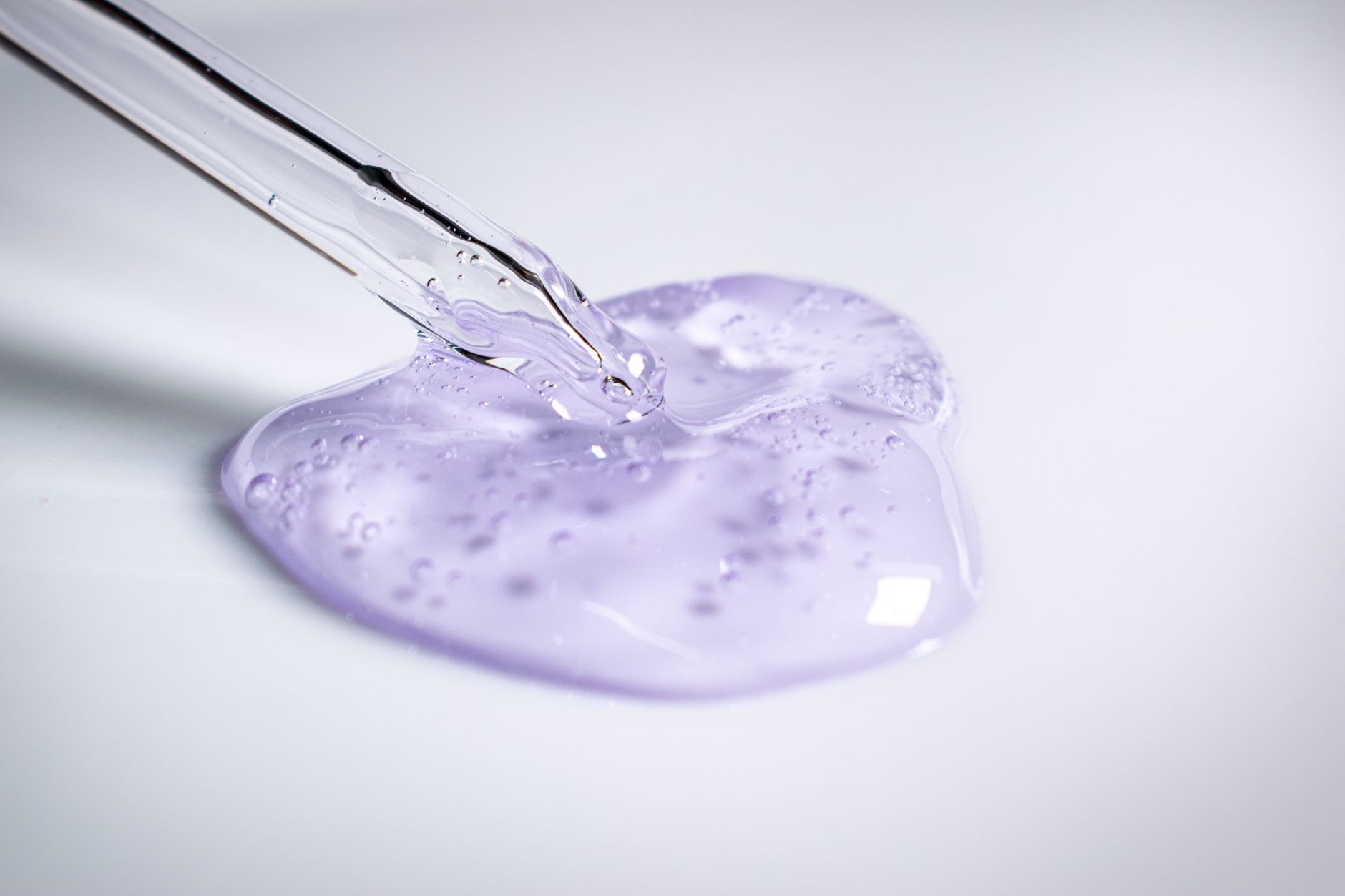
Exfoliating serums use acids like salicylic acid or gentler alternatives to loosen buildup around the follicle opening. They tend to appeal to people with oily scalps who notice roots going flat within a day. The logic mirrors what a chemical exfoliant does on the nose and chin, though a scalp that is already sensitive will not welcome frequent use.
Then there is the densest category in marketing terms: serums that promise fuller-looking hair. These typically combine peptides, caffeine and botanical extracts, with rosemary a popular recent addition. This is the area where claims run well ahead of what a bottle can reliably prove. Some of these ingredients are plausible supporters of a comfortable scalp, but visible changes in thickness, if they come at all, take months of consistent use, and hair has its own growth cycle that no topical product fully controls. Treat the promise of density as a hope, not a guarantee.
How It Slots Into a Routine
The practical routine is simple, which is part of why the category is spreading. Most people apply a serum after washing, once the hair is towel-dried or fully dry, by parting the hair into a few sections and placing the formula directly on the scalp rather than along the lengths. A few drops per section is usually enough. The more important step is the massage that follows: working the product in with the pads of the fingers, not the nails, for a minute or two. Scalp massage has its own following in wellness circles, from at-home tools to cranial massage work that osteopaths are adding to celebrity routines, and a serum gives the ritual a purpose.
Frequency depends on the formula. A hydrating serum may suit daily use, while an exfoliating one might be a once or twice a week step. Layering is where things go wrong. Stacking a leave-in oil, a dry shampoo and a serum full of actives on the same scalp can leave it either congested or irritated, so introducing one new product at a time is the sensible approach. Give each addition a few weeks before judging it.
What to Be Skeptical About
Because the category borrows so heavily from skincare, it also borrows skincare’s habit of overpromising. Phrases like “activates follicles” or “reverses thinning” are marketing language, not clinical outcomes, and a serum that is pleasant to use is not the same as a serum that changes hair density. Cost is another flag. A small bottle used a few drops at a time can look reasonable per application, but a routine built on several scalp products adds up quickly, and a basic gentle shampoo used consistently may do more for a flaking scalp than a premium treatment layered over a harsh cleanser.
Sensitivity deserves more attention than it gets. Fragrance, essential oils and strong acids are common in scalp formulas, and the scalp is a part of the body where a reaction can be hard to spot until it is uncomfortable. Testing a small area first, such as behind the ear, is a low-effort precaution. Anyone who notices persistent shedding, patchy loss, painful bumps or scaling that does not clear should treat a serum as the wrong tool and see a medical professional, since those symptoms can have causes no cosmetic can address.
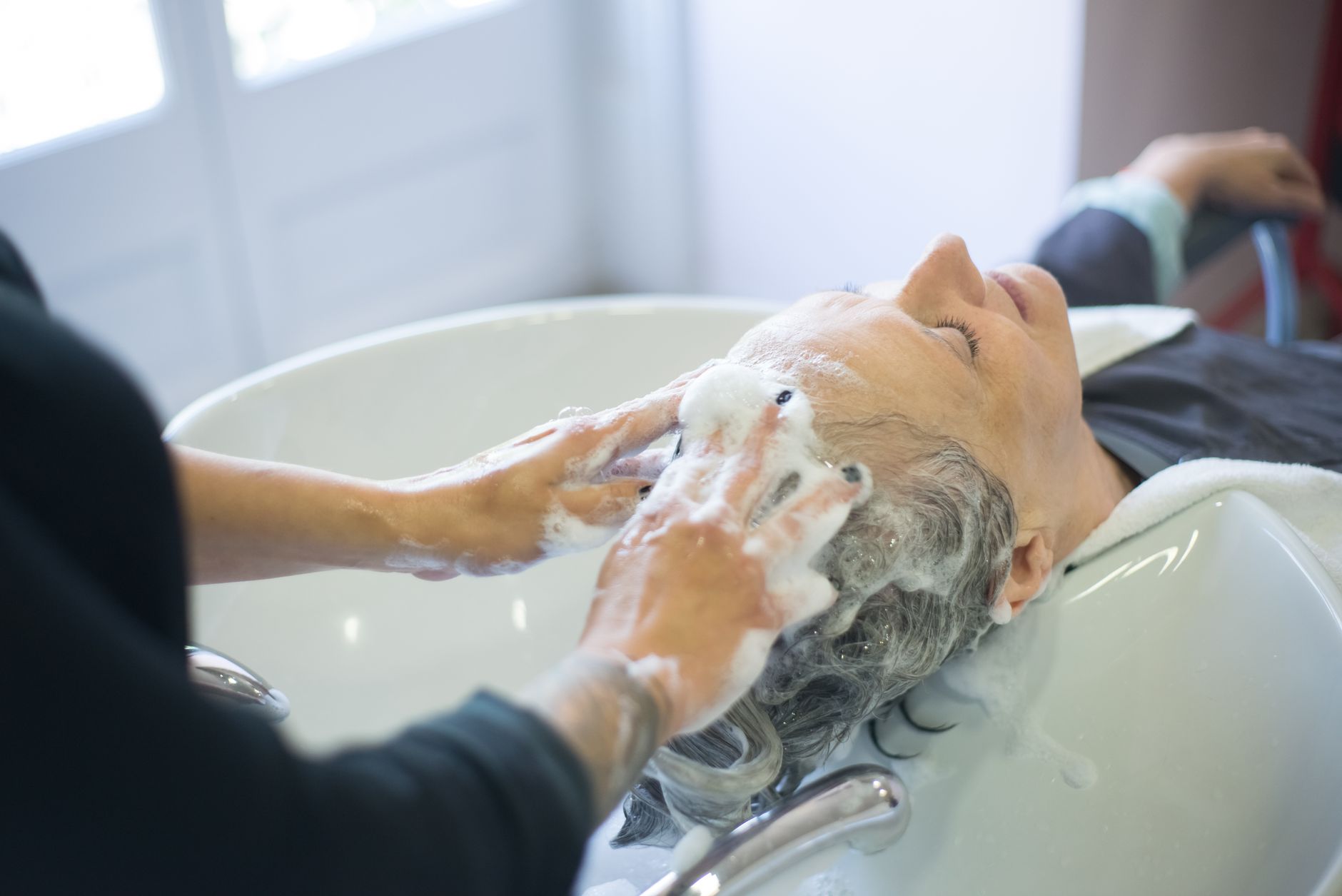
The most useful test of a scalp serum is also the least glamorous: after a month, does the itch ease, does the flaking calm, and does your hair stay fresh a little longer on day three?
Frequently Asked Questions
What does a scalp serum do?
A scalp serum is a leave-on treatment applied to the skin at the roots to hydrate, soothe, gently exfoliate or support scalp comfort, depending on the formula.
How often should you use a scalp serum?
It depends on the formula. Hydrating serums can often be used daily, while exfoliating ones are usually kept to once or twice a week.
Can scalp serums make hair grow?
Some formulas aim at fuller-looking hair, but results are uneven and slow. Persistent shedding or patchy loss is best checked by a medical professional.