

Where the Thames Meets the Fitting Room
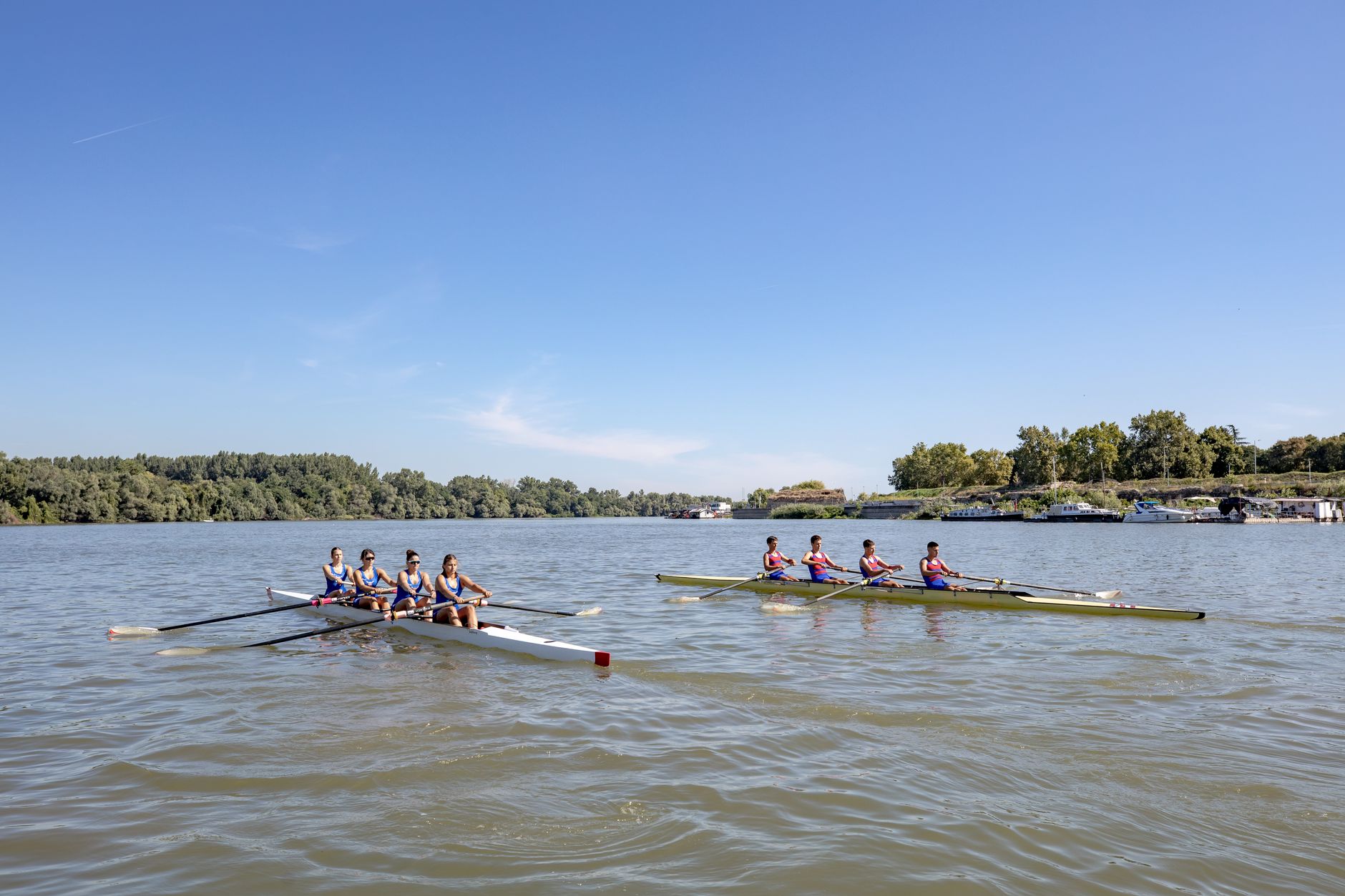
Rowing is one of the most physically demanding sports on the planet, and Eton College has been refining its approach to the water since the 19th century. The school’s rowing program is built around repetition, precision, and endurance – qualities that have quietly started shaping how luxury activewear brands think about compression fit, fabric tension, and the architecture of performance leggings. The connection is not accidental. A growing number of performance-oriented designers are looking at sport-specific garments, the kind worn in pursuit of genuine athletic output, and extracting their construction logic for the wider market.
Eton rowing leggings sit at the intersection of function and institutional identity. They are designed to move with the body during an explosive, full-leg drive, to resist water, manage heat, and hold position without shifting on a sliding seat. Those are not casual requirements. And when you strip away the school crest and the navy colorways, what remains is a compression philosophy that luxury activewear has been circling for years without quite landing on.
The Construction Logic Behind the Garment
The defining characteristic of a rowing-specific legging is its asymmetrical pressure distribution. Unlike running tights, which apply even compression from ankle to waist, rowing leggings concentrate support around the quadriceps and hip flexors – the muscle groups doing the heaviest work during the drive phase. This targeted architecture is the detail that has caught the attention of performance designers outside the sport. It solves a problem that generalist activewear has struggled with: how to build compression that responds to movement pattern rather than just body shape.
The fabrics used in competitive rowing leggings also tell a story. High-twist nylon blends, woven tight enough to resist water absorption on a splash-heavy erg or river session, have a surface quality that reads differently from standard athletic jersey. They have weight without bulk, and they hold their shape through hours of repetitive movement. Luxury activewear brands have been chasing exactly that combination – the kind of fabric that looks expensive at rest and performs without protest in motion.
The seaming is where the real influence becomes visible. Rowing leggings are constructed with flatlock seams positioned to avoid pressure points on a sliding seat, which means every seam placement is a deliberate ergonomic decision rather than a pattern-cutting convenience. That discipline – treating seams as functional architecture rather than structural necessity – is beginning to show up in premium activewear collections where inside-leg seaming and waistband placement are getting the same attention that high-end tailoring gives to jacket construction.
Institutional Sporting Heritage as a Design Reference
Eton’s rowing program carries the kind of cultural weight that luxury brands find useful. It is associated with physical discipline, long-standing tradition, and a very specific aesthetic – one that prioritizes performance without being loud about it. That restraint is exactly the register that premium activewear is trying to hit. The era of logo-heavy, aggressively branded workout gear has softened, and the market is moving toward garments that communicate quality through cut and fabric rather than through graphics and colorways.
The school’s colors – navy, white, and a particular shade of pale blue – have already migrated into activewear palettes that favor institutional tones over streetwear brights. Whether or not designers are consciously referencing Eton specifically, the aesthetic overlap is clear. Rowing as a sport has always had a quietly aristocratic visual grammar, and that grammar is now functioning as a mood board for a sector of the market that wants to sell aspiration without announcing it.
What Luxury Activewear Is Actually Borrowing
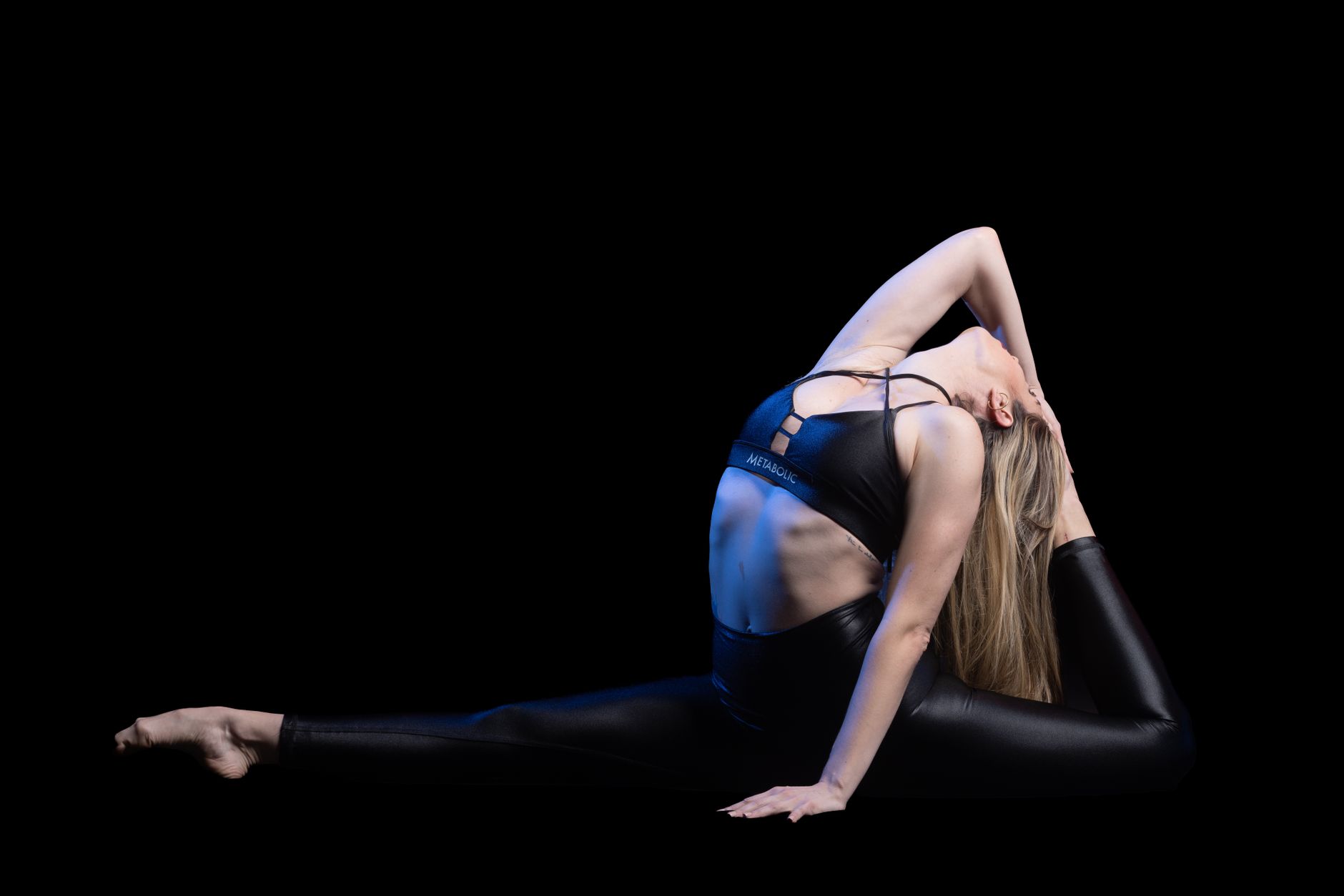
The most direct translation from rowing kit to luxury legging is in the waistband. Rowing leggings use wide, structured waistbands that sit flat against the lower back and resist rolling during repetitive forward-lean movements. This is the same problem that yoga and Pilates-focused activewear has been working to solve for over a decade, mostly through trial and error. The rowing solution – a bonded, multi-layer waistband with internal stabilizing tape – is technically more rigorous than most of what the wider activewear market currently produces at the premium price point.
There is also a color discipline in competitive rowing kit that luxury brands are starting to mirror. Rowing leggings come in a narrow palette because the sport operates within institutional constraints. That limitation produces a kind of visual confidence – the garments do not need to compete for attention because they are worn in a context where everyone is moving toward the same goal. Luxury activewear brands are applying that same restraint intentionally, narrowing seasonal colorways and leaning into tonal dressing as a marker of sophistication rather than a lack of imagination.
The silhouette question is equally interesting. Rowing is performed seated, which means the garment has to look as considered from the back and hip as it does from the front. Most activewear is designed with a standing body in mind, which is why leggings often look slightly off when the wearer is seated – the fabric pulls, the waistband gaps, the proportions shift. Rowing leggings are engineered for the seated position first. That inversion of the design starting point produces a garment that works across postures rather than flattering only one.
The Eton Wall Game collars that have been crossing into sculptural neckwear design follow a similar pattern – institutional sporting items being decoded for their construction value rather than their heritage associations. The rowing legging is a more commercially direct translation because it operates in a category with an established luxury market and an audience already primed to spend on performance. What the Eton reference adds is a tightening of the design logic, a reason to make choices that are harder to justify without the authority of a proven athletic context behind them. That is the quiet influence at work: not branding, not collaboration, but a set of engineering decisions that have been stress-tested on actual water, being borrowed by an industry that is still figuring out how performance and luxury should actually fit together.
Frequently Asked Questions
What makes Eton rowing leggings different from standard athletic leggings?
They use asymmetrical compression targeting quadriceps and hip flexors, flatlock seams positioned for seated movement, and high-twist nylon blends designed to resist water and hold shape through repetitive motion.
Why are luxury activewear brands referencing rowing kit in their designs?
Rowing leggings solve specific performance problems – waistband stability, seam placement, and posture-adaptive fit – that premium brands have been working toward without a precise engineering model to follow.