From the Five-a-Side Pitch to the Street
The five-a-side bib – that mesh training vest pulled over a hoodie before kickoff on a muddy astroturf pitch – has spent decades as strictly functional kit. No branding moment, no style ambition, just a way to tell which team you’re on. That utilitarian reputation is now cracking. A growing number of independent streetwear labels and sport-adjacent drops are lifting the bib format out of the sports hall and placing it directly over layered urban outfits, and the result sits somewhere between workwear, sportswear, and something that doesn’t have a clean category name yet.
The timing connects to a wider appetite for pieces that read as active without committing fully to athletic performance wear. The bib carries visual shorthand that hoodies and cargo trousers alone can’t deliver – mesh paneling, a relaxed over-garment silhouette, and an inherent looseness that works with volume underneath. What’s shifting is the context in which people are choosing to wear it.

Why the Bib Works as a Layering Piece
The structure of a standard fives bib is almost perfectly suited to layering. It sits over the body without adding bulk at the sleeves, it allows whatever is underneath – a long-sleeve technical tee, a zip-neck fleece, an oversized shirt – to show fully at the arms and collar. That openness is the functional reason layering enthusiasts are drawn to it. Most over-garments either add too much material or close off the silhouette; the bib stays architecturally simple.
The mesh fabric itself does specific visual work. Against a heavier base layer like a washed cotton sweatshirt or a thick knit, the contrast in texture creates depth without requiring pattern mixing or color blocking. You get visual interest from materiality alone. That principle is the same one driving demand for sheer outer layers and open-weave knitwear across broader fashion right now – the bib just arrives at that effect from a more unexpected starting point.

How Labels Are Adapting the Format
The original fives bib leaves little room for design intervention – it’s a rectangle of mesh with two shoulder straps and a number. Newer interpretations are keeping that stripped-down quality but adjusting proportions and materials. Longer hems that drop below the hip, slightly structured shoulder seams, and heavier-gauge mesh are the most common modifications appearing in recent drops from smaller labels working in the sport-utility space.
Color choices so far have stayed close to the original palette – high-vis yellow, flat red, washed blue – which maintains the connection to the pitch even when the rest of the outfit is clearly street-oriented. A few drops have moved toward off-white and stone colorways, which soften the athletic read and push the bib closer to something that could sit alongside neutral workwear or minimalist tailoring.
The silhouette also benefits from what’s happening at the base layer level. Oversized long-sleeve tees, fleece quarter-zips worn open at the collar, and wide-leg cargo trousers create a foundation that the bib can anchor without competing. The over-vest format has a natural relationship with volume underneath – it was always designed to be worn over a full kit. That logic translates cleanly when the kit underneath is streetwear.
Some drops are treating the bib as the graphic element of an otherwise text-free outfit. Because the mesh carries a number or a simple team initial in most traditional versions, the typography on a bib reads differently to a slogan on a t-shirt – it feels borrowed rather than designed, which fits the mood of sportswear-influenced fashion right now. The piece looks like it came from somewhere else, which is exactly the aesthetic appeal.
The Athlete Influence Behind the Trend
Five-a-side football has a different cultural register to eleven-a-side. It’s urban, accessible, and almost entirely stripped of the prestige branding associated with professional football kit. There are no major sponsorship deals around fives, no televised leagues, no aspirational imagery attached to the game at the level that drives replica shirt culture. The bib exists entirely outside that commercial framework, which makes it a genuinely neutral object – one that fashion can pick up without carrying the baggage of club loyalty or athlete association.
That neutrality is partly why it translates. A team shirt from a major club carries too much meaning to work as a blank canvas for styling. The fives bib carries almost none – its only cultural reference is a local pitch somewhere, a group of friends, a Wednesday evening. That informality is exactly what makes it feel right worn over a technical fleece on a Saturday afternoon in the city. The connection to sport is present but not specific, which gives the wearer room to own the look rather than reference someone else’s.
Where This Goes in the Seasonal Layering Calendar
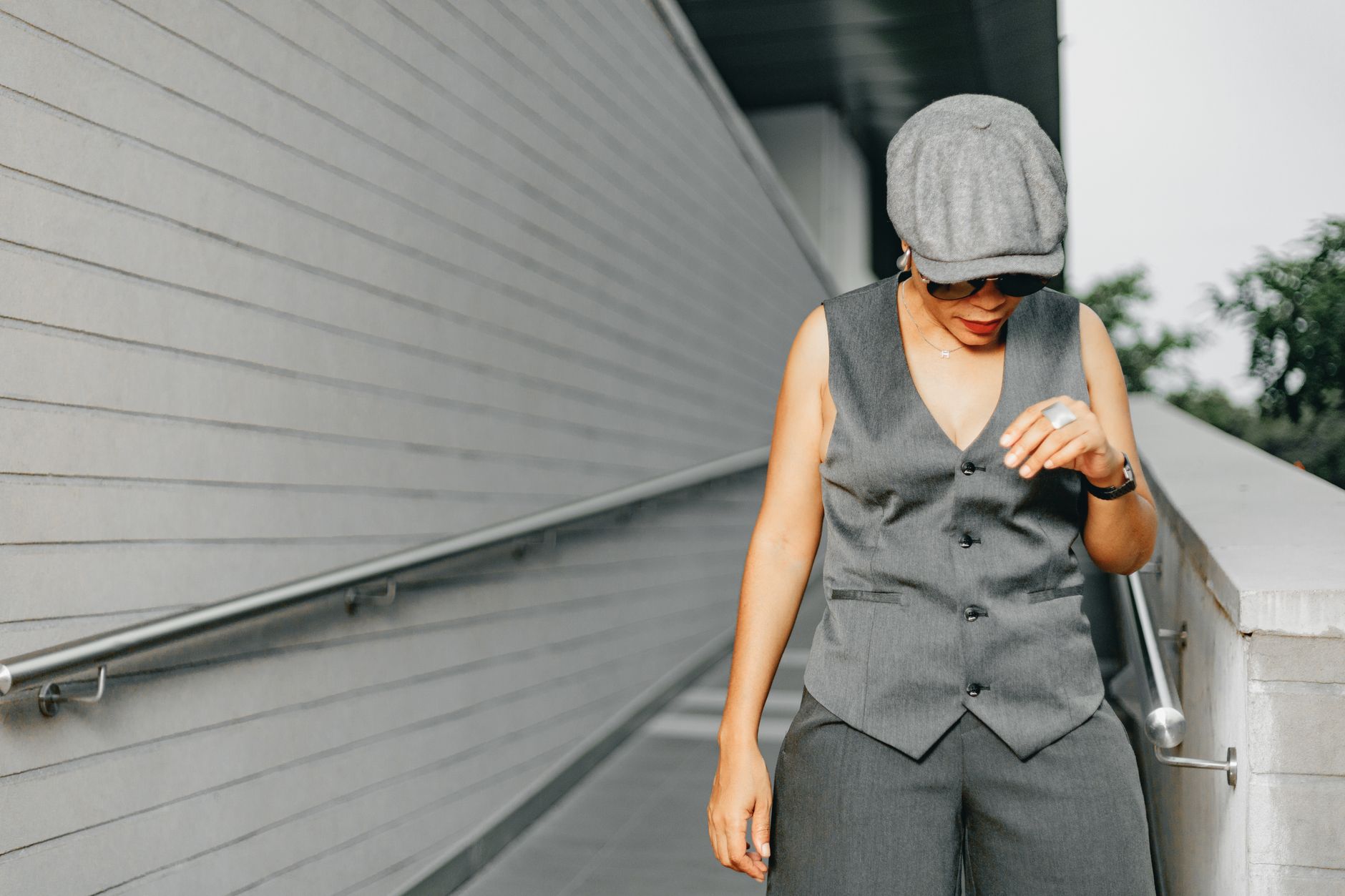
The bib format is strongest as a transitional layer – the kind of piece that works in that ambiguous temperature range between needing a full coat and not needing anything at all. Over a heavyweight hoodie or a fleece with some insulation, it extends the warmth logic without adding a sleeve layer. In that context it functions similarly to a lightweight gilet, except the visual language it speaks is completely different. The gilet reads countryside and technical outdoor; the bib reads street and pitch.
Autumn drops are where this will get tested most directly. Brands working in this space are sitting with a styling challenge: the bib is a warm-weather garment by origin, worn in summer five-a-side leagues and indoor sports halls. Moving it into an autumn layering context requires the base layer to do significant temperature work while the bib handles the visual statement. That’s a workable formula, but it needs the right material combination – which is why heavier-gauge mesh and slightly longer silhouettes are the modifications that make most sense as this crosses seasons.
The most direct competition in the layering market isn’t the gilet or the vest jacket – it’s the open-front overshirt, which has dominated the same styling territory for the past several seasons. The overshirt wins on warmth and versatility but has become visually overexposed. The bib arrives with none of that fatigue, and its structural simplicity means it doesn’t demand the same careful outfit calibration. Whether that freshness holds through multiple seasonal cycles, or whether it peaks quickly and retreats back to the astroturf, depends on how many brands commit to it beyond a single experimental drop.