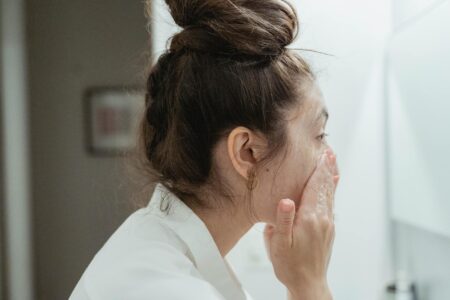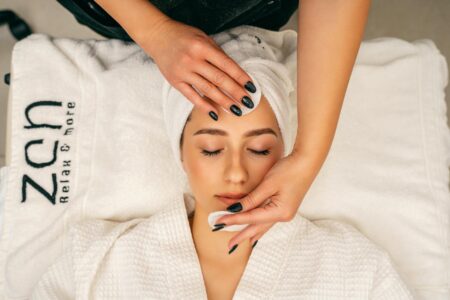


A-list celebrities are quietly adding cranial sacral massage to their wellness routines, seeking relief from tension headaches, better sleep, and improved mental clarity through gentle skull manipulation techniques once limited to specialized osteopathic clinics.
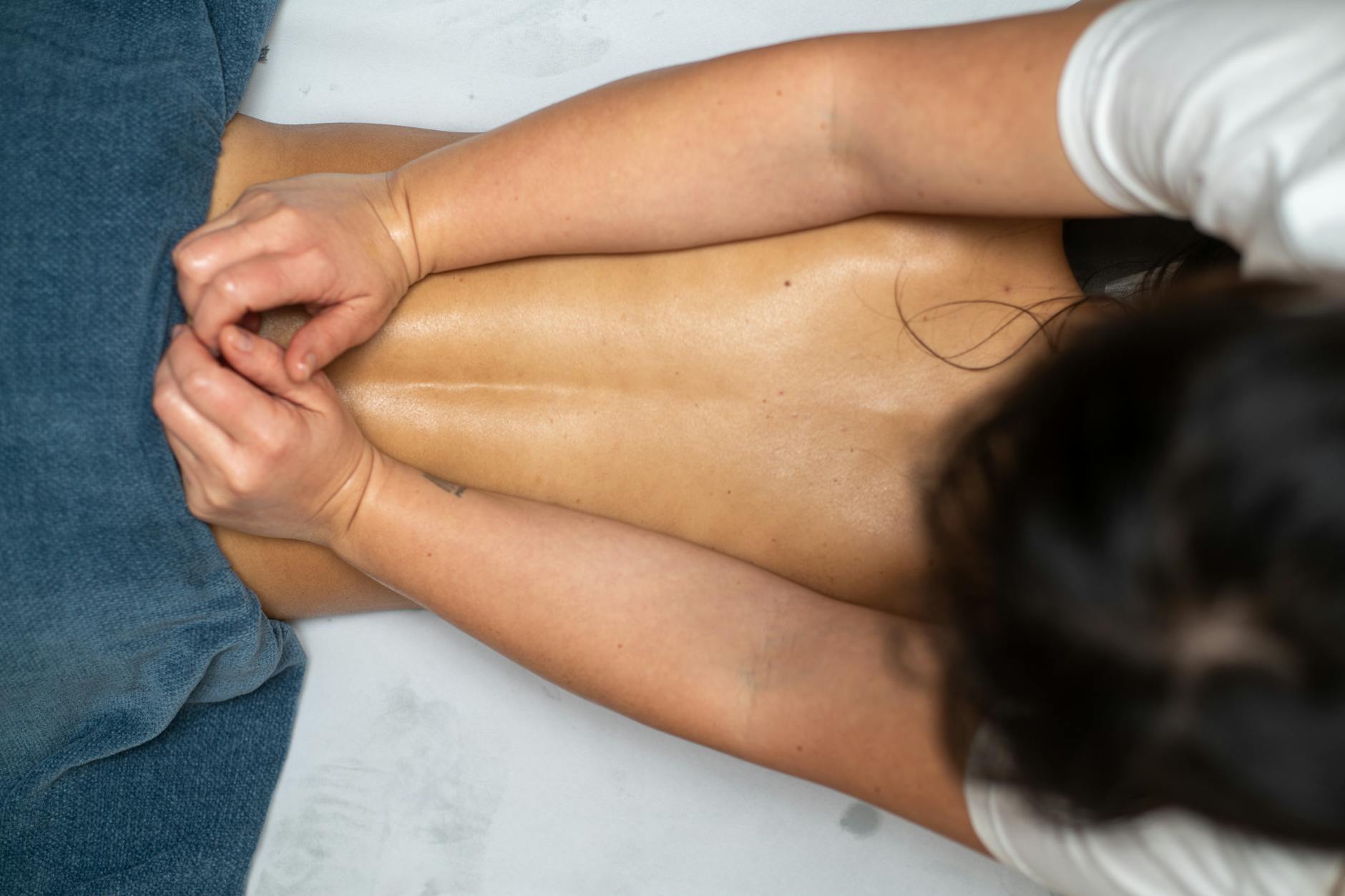
The Science Behind Skull-Based Stress Relief
Cranial sacral therapy targets the membranes and cerebrospinal fluid surrounding the brain and spinal cord. Practitioners use light pressure – typically no more than the weight of a nickel – to manipulate bones of the skull, spine, and pelvis. The approach stems from osteopathic medicine’s founding principle that structure affects function throughout the body.
The technique focuses on detecting and correcting restrictions in the cranial sacral system. Osteopaths believe that trauma, stress, and physical injuries can disrupt the normal flow of cerebrospinal fluid, leading to headaches, neck pain, and cognitive fog. By applying gentle pressure to specific points on the skull, practitioners aim to restore proper fluid movement and reduce tension in surrounding tissues.
Unlike traditional massage therapy that targets muscles, cranial work addresses the fascial system – the connective tissue network that wraps around organs and structures throughout the body. This deeper approach explains why clients often report feeling relaxed for days after a session, rather than the temporary relief typically associated with muscle-focused treatments.
High-profile clients gravitate toward the technique because sessions are performed fully clothed and leave no visible marks or redness. The subtle nature of the work makes it perfect for performers who need to maintain their appearance while addressing chronic stress patterns that accumulate from demanding schedules and constant travel.
Celebrity Wellness Teams Embrace Gentle Touch
Entertainment industry wellness providers are integrating cranial techniques into comprehensive care packages that follow stars between film sets, concert tours, and red carpet events. The portability of cranial work – requiring only a treatment table and skilled hands – makes it practical for hotel suites, backstage areas, and private jets where traditional spa equipment isn’t available.
Performers dealing with vocal strain find particular benefit in cranial massage targeting the temporomandibular joint and surrounding skull structures. The gentle manipulation can reduce tension in jaw muscles that affect vocal projection and clarity. Stage performers and recording artists report improved breath control and reduced throat tightness after regular cranial sessions.
The treatment’s reputation for improving sleep quality attracts clients struggling with jet lag and irregular schedules. Cranial massage appears to activate the parasympathetic nervous system, promoting the relaxation response needed for restorative sleep. This benefit proves especially valuable for performers transitioning between time zones or working night shoots that disrupt natural circadian rhythms.
Mental health support represents another draw for celebrity clients. While cranial massage doesn’t replace therapy or medication, many report feeling more emotionally balanced and less reactive to stress after sessions. The technique’s ability to address physical tension patterns that accompany anxiety and depression makes it a valuable complement to traditional mental health treatments.
Industry wellness coordinators appreciate cranial massage’s discrete nature and lack of contraindications. Unlike deep tissue work that might leave clients sore, or treatments requiring recovery time, cranial sessions allow performers to return immediately to demanding physical activities. This practical advantage has made the technique a standard offering among high-end wellness providers serving entertainment industry clients.
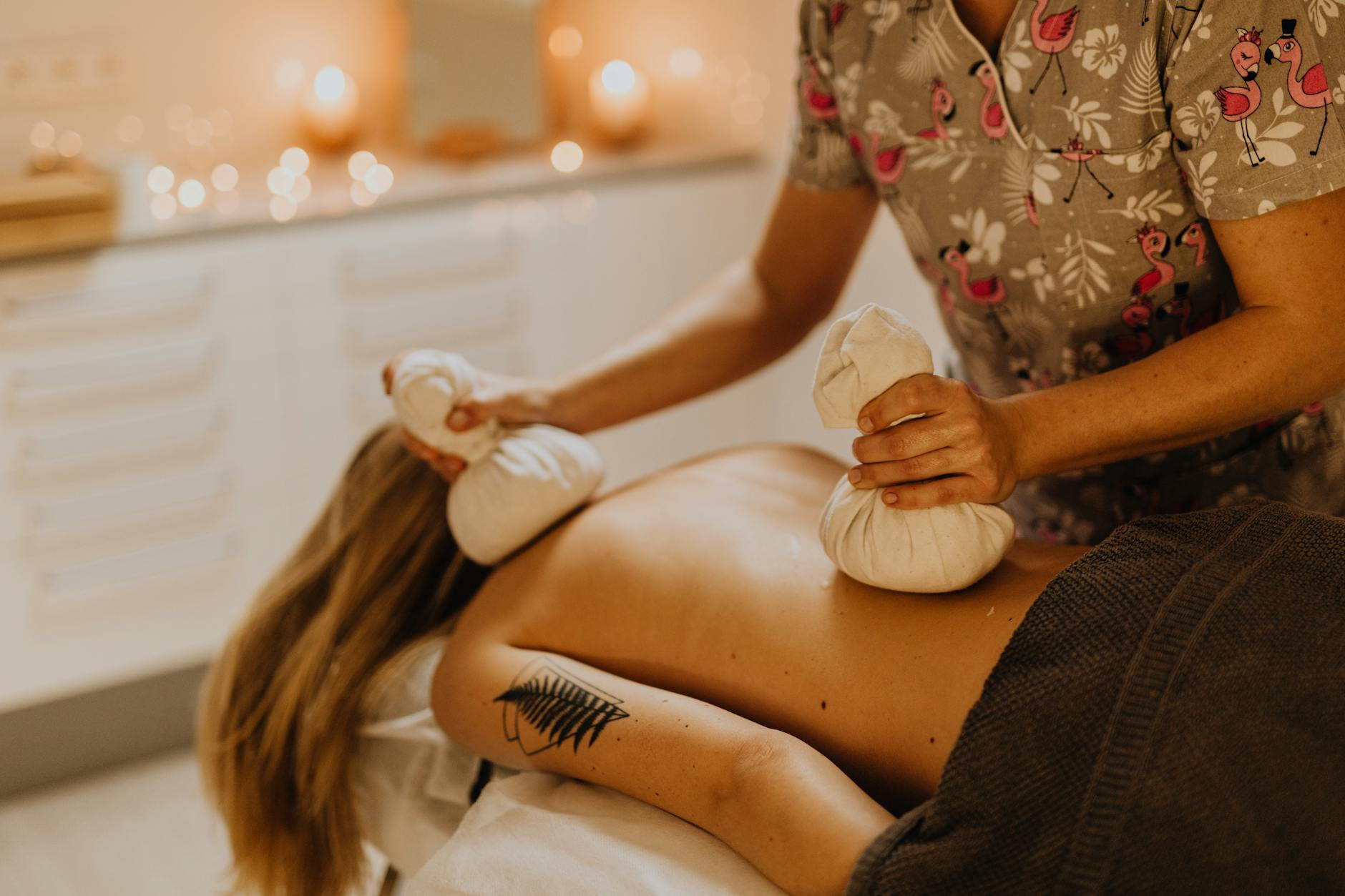
Training Standards and Professional Integration
Osteopathic physicians spend years learning cranial techniques through specialized post-graduate training programs. The Cranial Academy, founded in 1947, maintains rigorous education standards requiring hundreds of hours of hands-on practice before practitioners can offer the treatment professionally. This extensive training requirement has historically limited access to qualified providers, making cranial massage a premium service.
Massage therapists and physical therapists are increasingly pursuing cranial training to expand their high-end client offerings. However, the learning curve proves steeper than traditional massage techniques. Developing the palpation skills needed to detect subtle tissue restrictions and fluid movements requires months of practice under experienced supervision. The investment in training reflects the premium rates that skilled cranial practitioners command in luxury wellness markets.
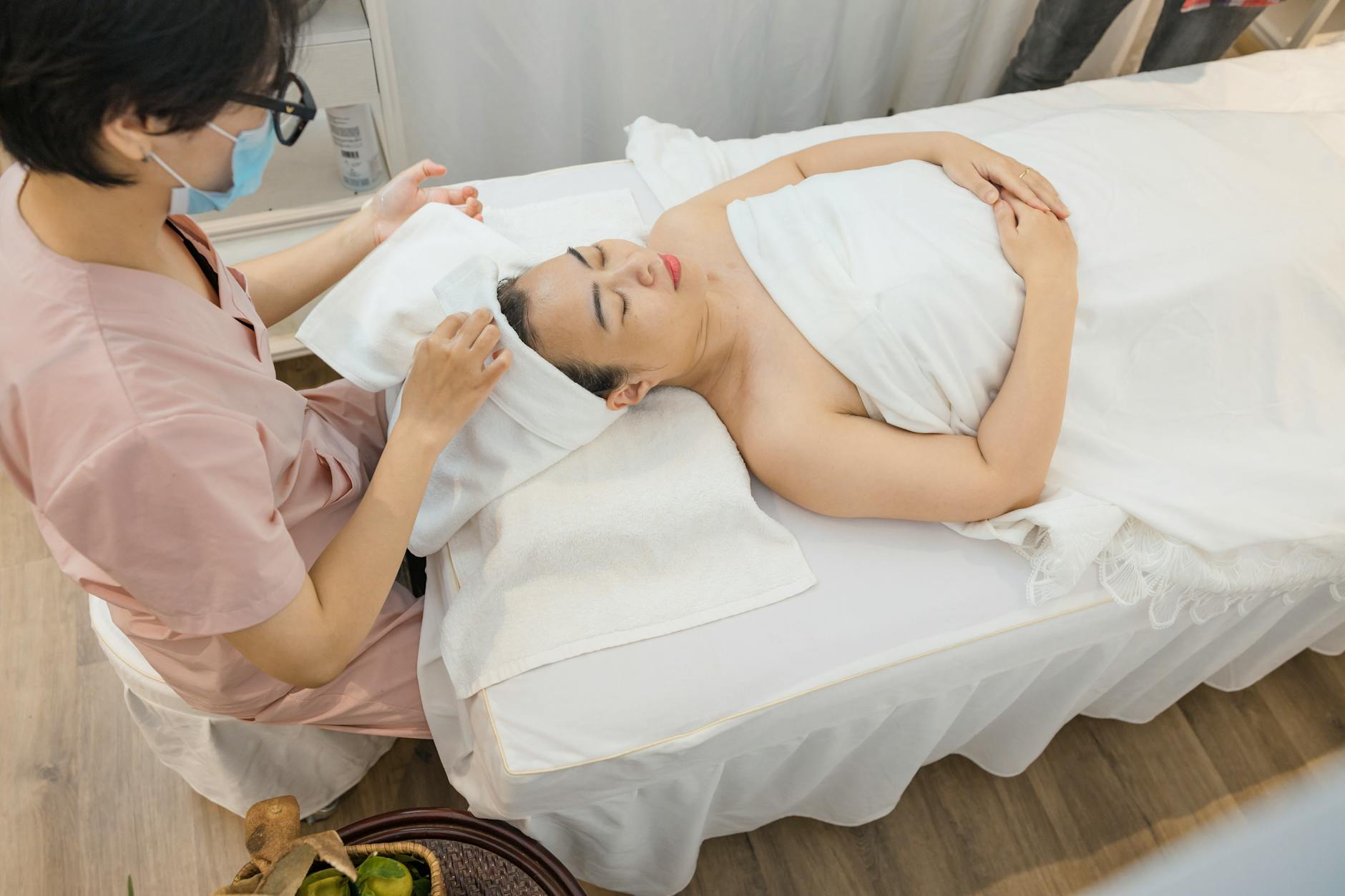
The technique’s growing popularity among celebrity clients has created a ripple effect throughout the wellness industry, with day spas and wellness centers adding cranial specialists to meet demand from clients seeking the same treatments their favorite stars receive. Yet the specialized nature of the work means finding truly skilled practitioners remains a challenge even in major metropolitan areas.
Frequently Asked Questions
What is cranial sacral massage?
A gentle technique using light pressure on skull bones to improve cerebrospinal fluid flow and reduce tension patterns throughout the body.
Why do celebrities choose cranial massage?
It’s discrete, leaves no marks, can be done fully clothed, and helps with stress, sleep issues, and mental clarity without recovery time.