


Facial treatment rooms are getting colder. Massage therapists across the country are incorporating ice sculpting tools into their skincare services, bringing arctic temperatures to a beauty industry already obsessed with temperature therapy. The practice emerged from cryotherapy clinics but has migrated into traditional spa settings with surprising speed.
Ice sculpting implements offer precision that standard ice rollers cannot match. Where traditional tools deliver broad, uniform cooling, sculpted ice pieces can target specific facial contours and pressure points with surgical accuracy.
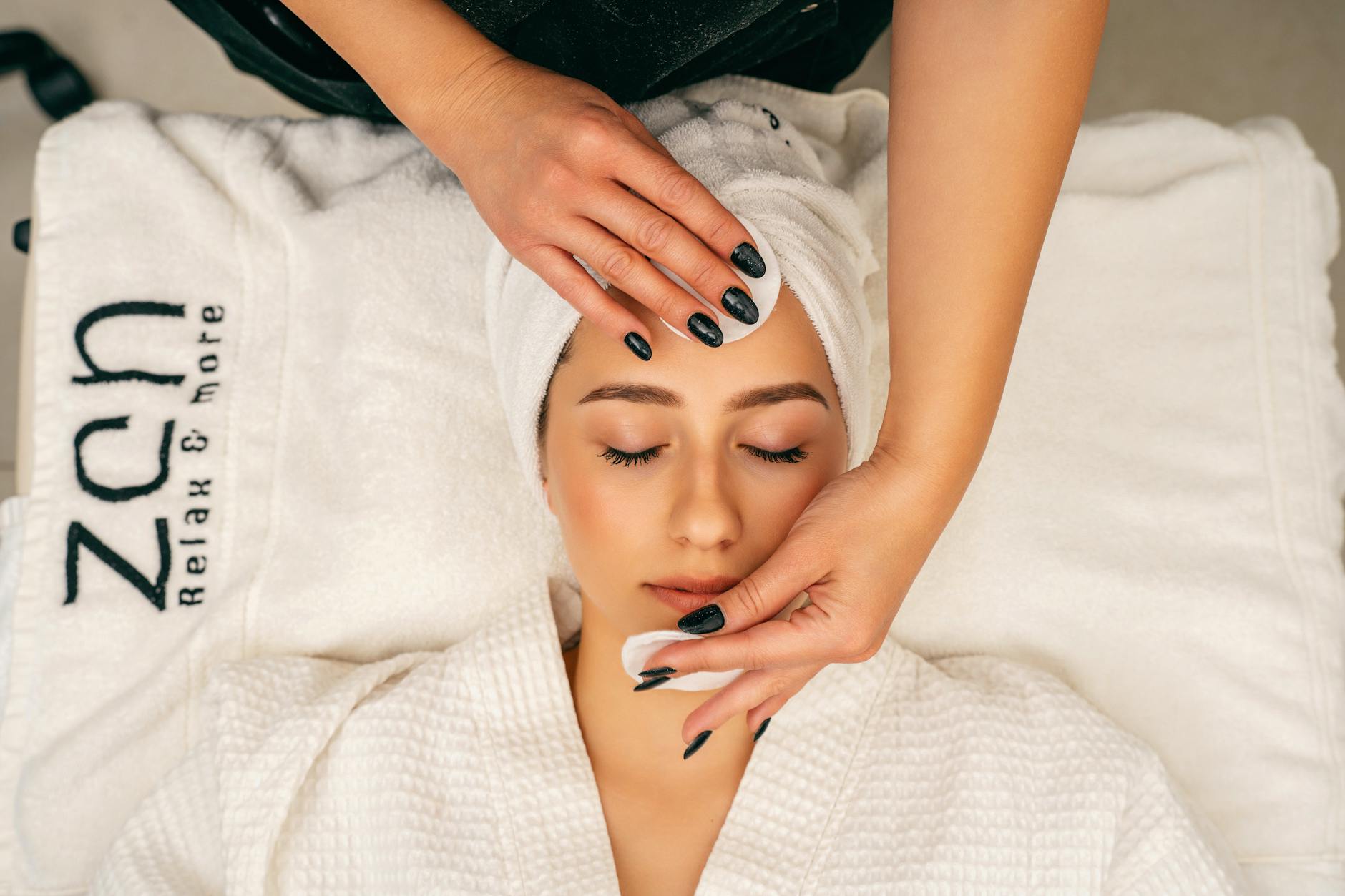
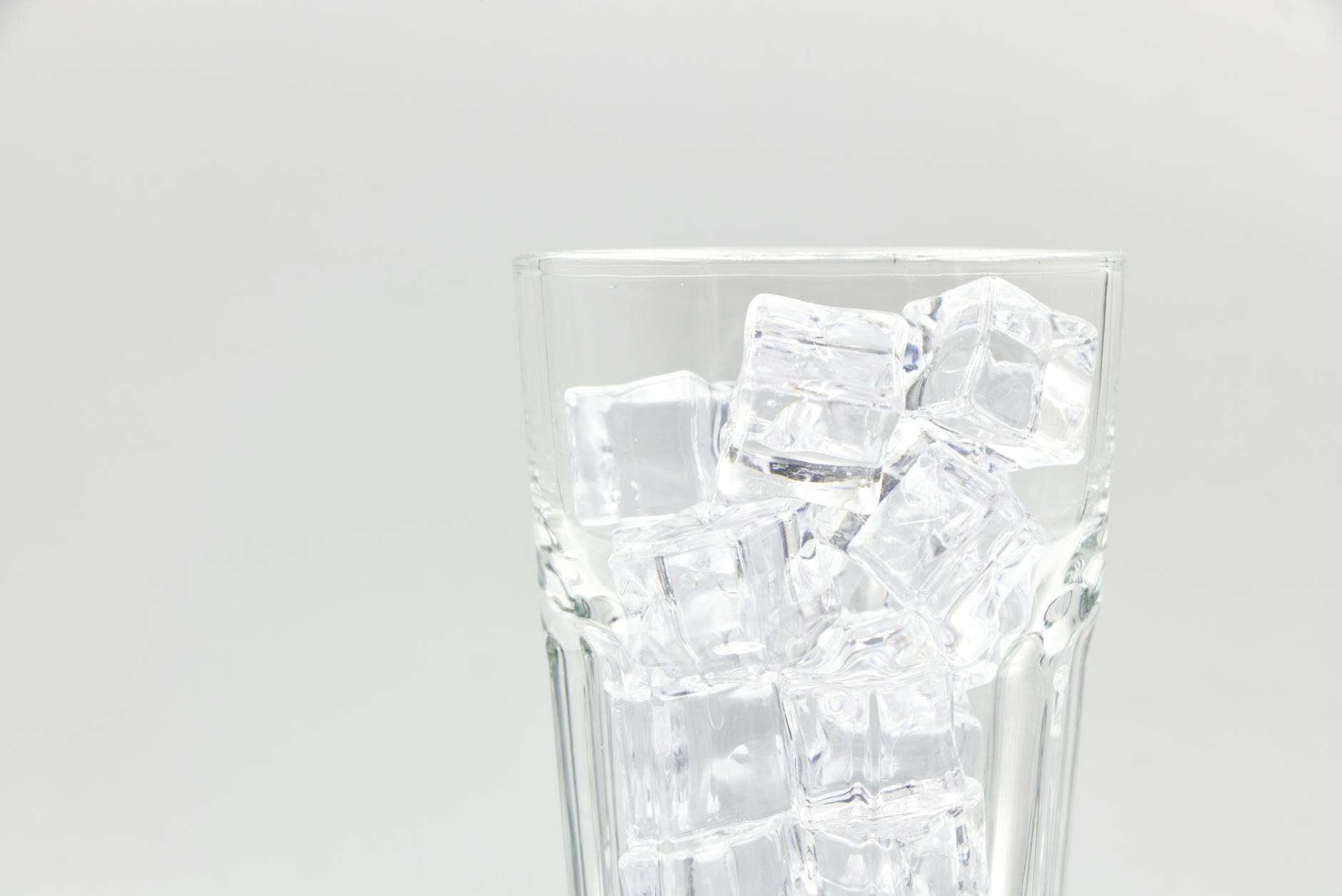
The technique involves custom-formed ice implements shaped like traditional massage tools – rounded edges for cheekbones, pointed tips for temple work, curved surfaces for jaw alignment. Therapists create these tools using silicone molds designed specifically for facial work, freezing purified water mixed with skin-safe additives like rose water or chamomile tea.
The Science Behind Frozen Precision
Cold therapy triggers vasoconstriction followed by vasodilation, a process that increases blood flow once the ice is removed from skin. This vascular response delivers more oxygen and nutrients to facial tissues while simultaneously reducing inflammation and puffiness. The sculpted shapes allow therapists to follow lymphatic drainage pathways with greater accuracy than broad ice packs or rolling tools.
Temperature control becomes critical when working with sculpted ice. Therapists typically allow tools to temper for 30-60 seconds after removal from freezers, preventing tissue damage while maintaining therapeutic benefits. The ice implements are wrapped in thin cotton or silk barriers to prevent direct skin contact while preserving the cooling effect.
Session protocols vary widely depending on skin sensitivity and treatment goals. Some therapists incorporate ice sculpting into 90-minute deep tissue facials, while others offer standalone 30-minute cryo-contouring sessions. The tools typically maintain therapeutic temperature for 15-20 minutes, requiring mid-session replacement for longer treatments.
Equipment and Training Considerations
Professional ice sculpting molds range from basic geometric shapes to complex anatomical forms designed to mirror facial bone structure. Higher-end molds incorporate ergonomic handles that prevent therapist hand fatigue during extended sessions. Some spas invest in specialized freezer units that maintain consistent temperatures and allow for rapid tool production throughout busy treatment days.
Training requirements vary by state, but most massage therapy boards classify ice sculpting as an advanced technique requiring additional certification. Programs typically cover proper tool preparation, temperature safety protocols, and contraindications for clients with conditions like Raynaud’s disease or extreme cold sensitivity. Insurance considerations also factor into implementation decisions, as some carriers require additional coverage for temperature-based treatments.
Client consultation becomes more complex when ice tools enter the equation. Therapists must assess individual cold tolerance, medication interactions that might affect circulation, and skin conditions that could worsen with extreme temperature exposure. Documentation requirements often increase to track client responses and adjust protocols for future sessions. Despite growing popularity, the technique has attracted criticism from some dermatologists who question whether extreme cold exposure offers benefits beyond what gentler cooling methods can achieve. Others worry about potential tissue damage from improper temperature control or excessive treatment duration.

The economics tell a different story entirely – spas report 40-60% higher treatment fees for ice sculpting facials compared to traditional services, with minimal equipment investment required beyond molds and freezer space.