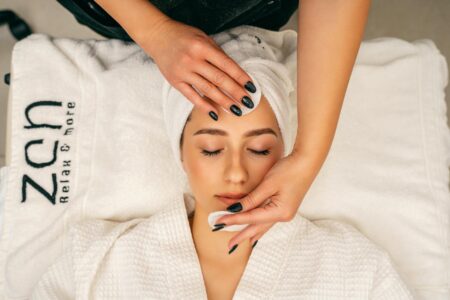


Korean skincare giants are making a calculated move into color cosmetics, challenging the traditional dominance of Western makeup brands. Companies that built empires on serums and sheet masks are now launching full makeup collections, betting that their reputation for innovation and gentle formulations will translate to lipsticks, foundations, and eyeshadows.
The shift represents more than product diversification. These brands recognize that skincare and makeup increasingly blur together, with consumers demanding color products that enhance rather than mask their skin. Where Western brands often separate beauty into distinct categories, Korean companies see an opportunity to offer integrated solutions.
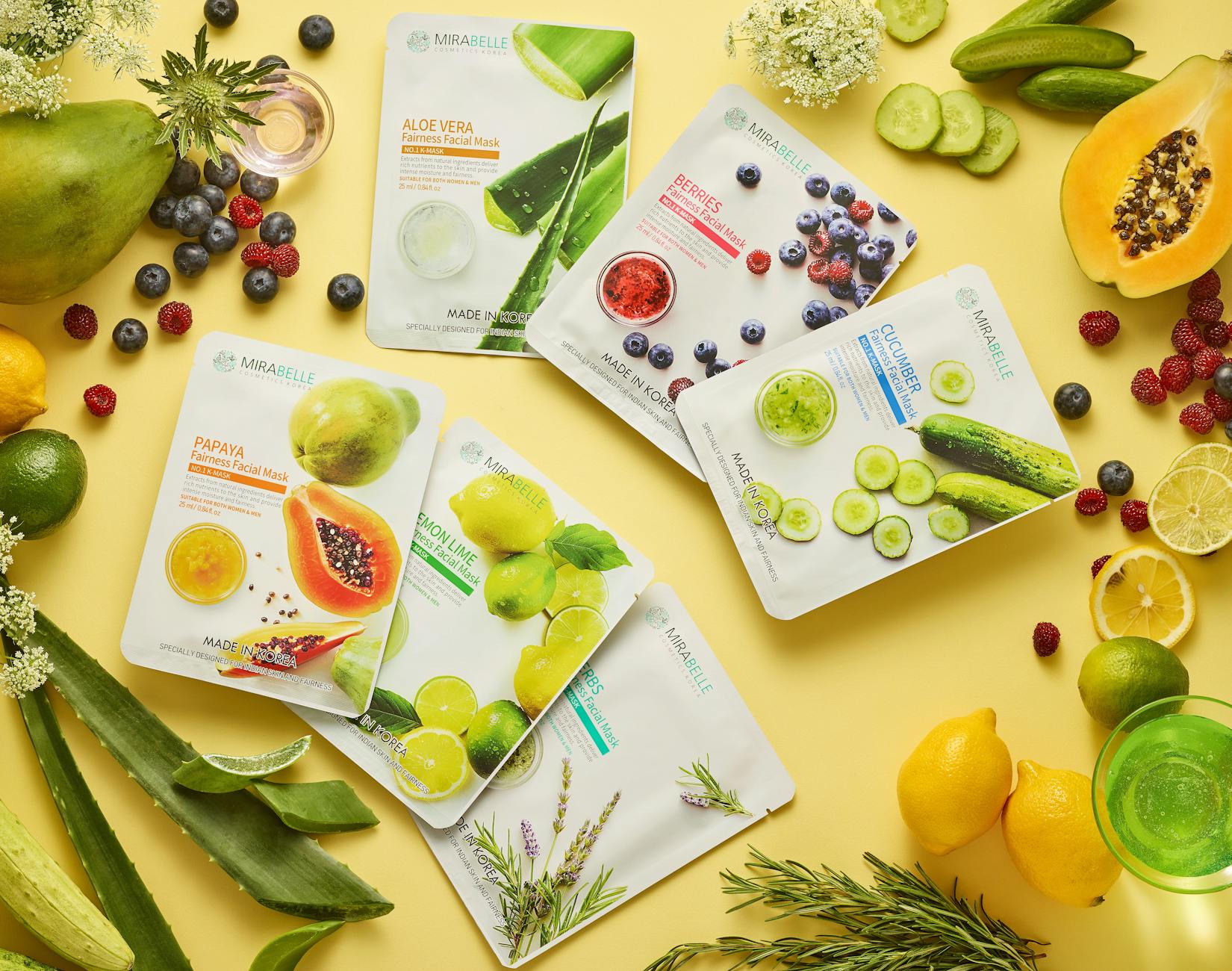
The Science-First Approach to Color
Korean makeup launches prioritize ingredient transparency and skin benefits. Instead of simply adding pigment to traditional formulas, these brands incorporate the same active ingredients found in their skincare lines. Cushion foundations now feature niacinamide and hyaluronic acid, while lip tints include peptides and botanical extracts.
This approach directly challenges Western brands that have historically focused on coverage and longevity over skin health. Korean formulations promise buildable coverage that improves skin condition over time, positioning makeup as an extension of skincare routines rather than a separate step that requires primer barriers and setting products.
Retail Strategy and Consumer Education
The expansion strategy goes beyond product development to reimagine how makeup gets sold and applied. Korean brands are introducing makeup through their existing skincare retail channels, where staff already understand ingredient benefits and can explain how color products work with specific skin concerns.
This educational approach contrasts sharply with traditional makeup retail, where the focus often centers on immediate visual impact rather than long-term skin compatibility. Sales associates trained in skincare science can address questions about ingredient interactions and help customers integrate makeup into their existing routines.

The timing coincides with growing consumer skepticism about heavy makeup looks popularized in the 2010s. Younger consumers particularly gravitate toward products that enhance natural features rather than create dramatic transformations. Korean brands position themselves perfectly for this shift, offering sheer formulations that build gradually and work with various skin tones.
Many of these new makeup collections feature smaller color ranges initially, focusing on universally flattering shades rather than extensive palettes. This strategy reduces decision fatigue while ensuring higher turnover rates for retailers, a lesson learned from observing overwhelmed consumers facing walls of Western makeup options.
Manufacturing and Supply Chain Advantages
Korean companies leverage existing manufacturing relationships and supply chain expertise developed through skincare production. The same facilities that produce advanced serums can adapt to create hybrid makeup formulas, reducing startup costs and time to market compared to Western brands developing new manufacturing partnerships.
The vertical integration many Korean beauty companies maintain gives them flexibility to experiment with unusual textures and delivery systems. Water-based foundations, gel blushes, and balm-to-powder eyeshadows represent innovations that traditional makeup manufacturers might find challenging to execute quickly.
Market Positioning and Price Points
These makeup launches typically price below premium Western brands but above drugstore alternatives, occupying a sweet spot that mirrors their skincare positioning. The value proposition centers on getting skincare benefits while achieving desired color payoff, justifying higher prices than conventional drugstore makeup.
The global success of Korean skincare creates built-in consumer trust for makeup extensions. Customers already familiar with a brand’s serum or moisturizer feel more confident trying their foundation or lip color, reducing the typical barriers new makeup brands face when building consumer loyalty.
Western makeup giants now face competition not just on product quality but on brand philosophy. Korean companies have successfully positioned beauty as holistic wellness rather than temporary enhancement. The makeup launches represent the logical next step in that philosophy, offering color that cares for skin rather than simply covering it. Whether Western brands can adapt their formulations and messaging quickly enough to compete remains the central question shaping the beauty industry’s immediate future.