

When Outdoor Gear Meets the Sneaker World
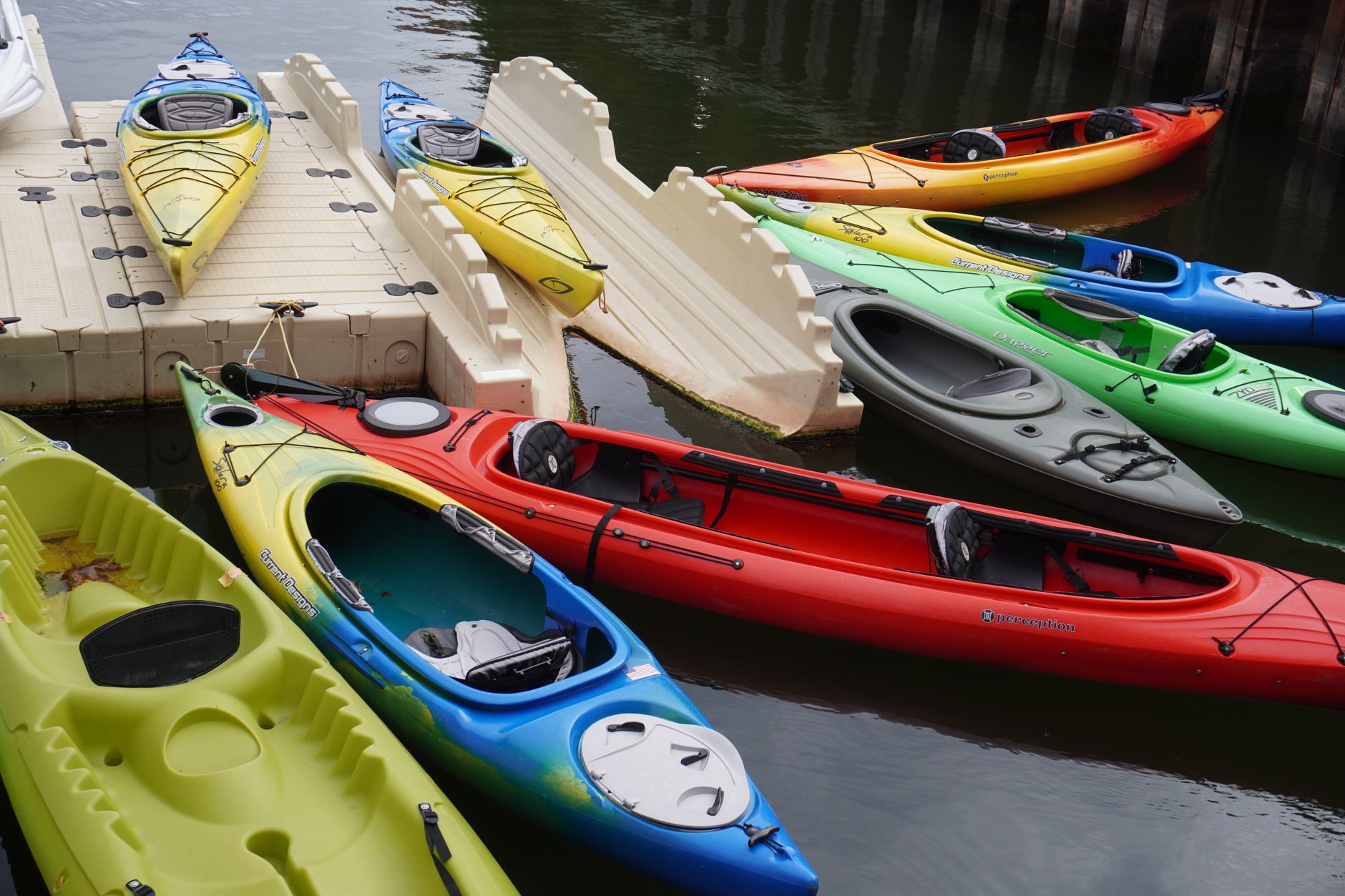
The bungee cord loop system running across the deck of a flat water kayak has one job: keep gear accessible during a paddle stroke without getting in the way. Stretched elastic cord woven through fixed anchor points creates a grid of tension – functional, repetitive, and visually precise. That geometry is now appearing on sneakers, dress shoes, and fashion-forward boots, not as a novelty lacing trick but as a considered structural system that designers are treating with the same seriousness as any traditional closure technique.
The crossover is not random. Outdoor and water sport equipment has fed fashion before – drysuits influenced latex fashion, life vest webbing showed up on luxury harness bags, and neoprene moved from wetsuits to runway bodices. The bungee deck loop, however, brings something different: a tension-based lacing logic that changes how a shoe sits on the foot, how it looks from above, and what the lacing pattern communicates about the wearer’s relationship to utility dressing.
The Structure Behind the Loop System
On a kayak deck, the bungee cord does not simply run point to point. It moves through a series of fixed loops or hooks set at measured intervals, creating a crisscross web that holds its shape under load while remaining elastic enough to slide gear underneath with one hand. The tension is distributed, not concentrated at a single tie point. When footwear designers borrow this logic, they are replacing or supplementing the standard eyelet-and-lace system with a version that behaves the same way – pulling evenly across the upper rather than tightening from a central knot.
What this produces in a shoe is a noticeably different fit profile. The foot is held by distributed pressure rather than the localized tension a traditional lace creates as it cinches through each eyelet pair. Structured shoes – those with rigid heel counters, reinforced toe boxes, or stiff midsoles – benefit most from this, because the upper needs to conform to a foot that the shoe itself is already partially shaping. The bungee deck loop pattern gives the upper material a way to flex and grip without the puckering or gaping that can appear when a stiff shoe is laced the conventional way.
The visual effect is equally deliberate. Where traditional lacing draws the eye upward toward a knot or along a straight ladder of parallel lines, the deck loop configuration creates a surface pattern – an angular web that sits on top of the shoe like a graphic element. Some designers are leaning into this by using contrast-colored cord, making the lacing itself the most prominent design detail on an otherwise minimal shoe. Others are keeping cord and upper in the same tonal family, letting the texture and geometry read as a surface treatment rather than a functional accent.

Why Structured Shoes Specifically
Casual sneakers and soft-soled shoes have absorbed elastic and bungee-style closures before – mostly in the form of single-loop slip-on systems aimed at convenience. The current wave is different because it is focused on structured footwear, the category that has historically been the most resistant to closure innovation. Oxford shoes, derby boots, and rigid athletic trainers have stayed loyal to the eyelet-and-lace system partly because tradition demands it and partly because the structure of the shoe requires a closure that can generate real holding power across a stiff upper.
The deck loop system solves that problem by scaling tension across multiple anchor points. A single elastic cord running through six or eight fixed loops along the vamp generates enough cumulative grip to hold a structured upper firmly without requiring a knot that might loosen during wear. This is exactly how the system works on a kayak in moving water – no single anchor point bears the full load, so the whole system stays secure even as individual sections flex. Translated to footwear, the result is a shoe that stays fitted through the full range of walking motion, which is a genuine performance advantage on a structured last that does not flex with the foot the way a soft sneaker does.
There is also a silhouette argument. Structured shoes have a defined top-of-foot profile, and what happens in the lacing zone either supports or disrupts it. Traditional lacing can create a ridge effect – the cord pulls the two sides of the upper toward each other, creating a slight elevation along the center of the foot. The bungee deck loop distributes that pull laterally, keeping the upper flatter and allowing the shoe’s shape to read as one clean surface rather than a closed seam with a lace running up the center. For designers working with sleek, low-profile lasts, that difference in visual weight matters considerably.
Color and material choices are where the styling decisions get interesting. Elastic bungee cord comes in a narrow range of diameters and finishes compared to traditional flat or round laces, which gives designers a more constrained palette to work with – but that constraint is producing some of the most precise-looking results. A 3mm black bungee cord running through brushed gunmetal anchor loops on a dark leather derby reads as precision engineering rather than sportswear crossover. A thicker neon cord through exposed aluminum anchors on a chunky trainer lands in entirely different territory. The same underlying system produces radically different aesthetic outcomes depending on material choices, and that flexibility is one reason designers are reaching for it rather than inventing new closure methods from scratch.
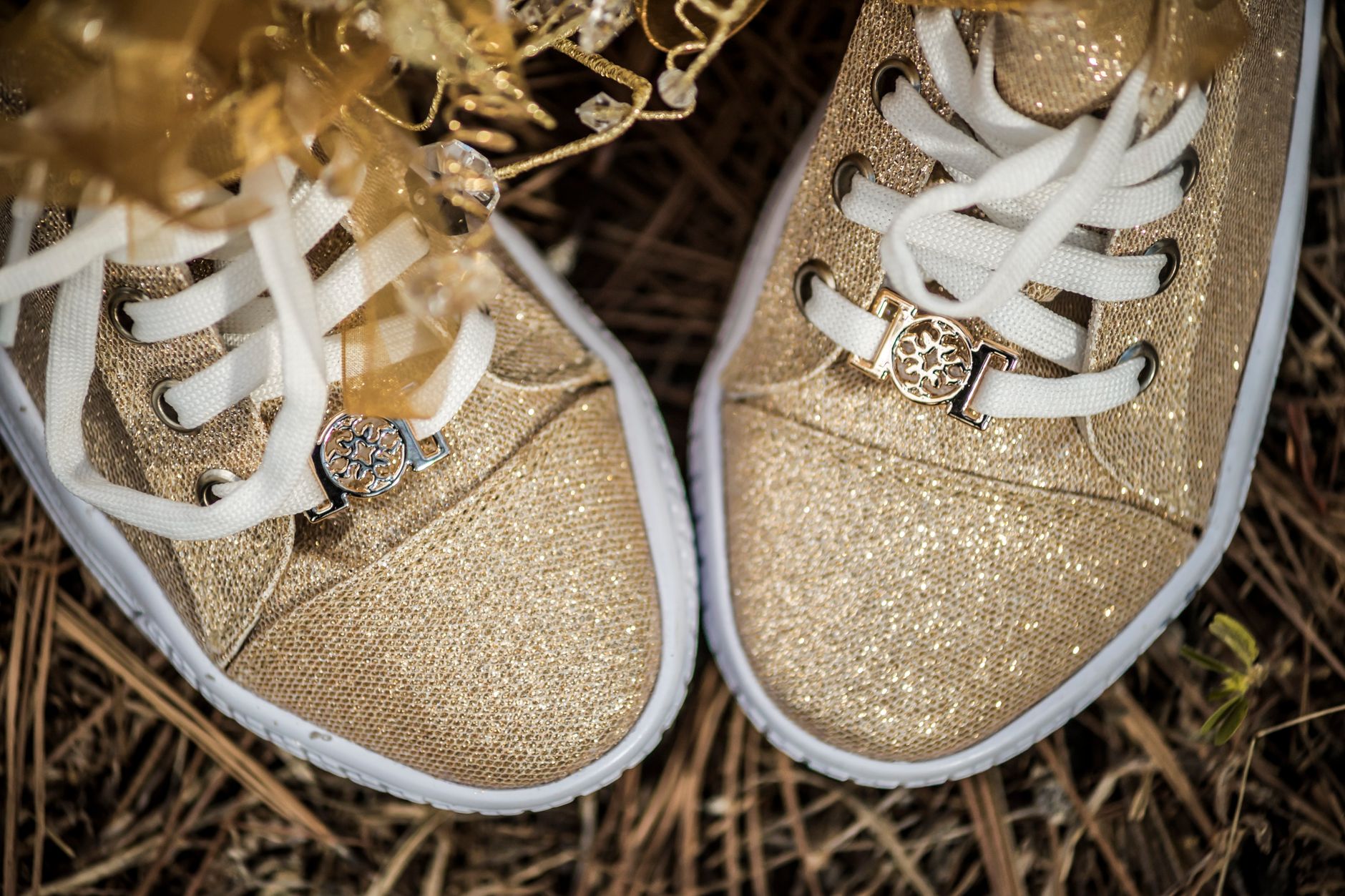
The anchor loop hardware itself is becoming a design element in its own right. Kayak deck systems use simple molded plastic or anodized aluminum loops – inexpensive, durable, unadorned. Fashion footwear is now commissioning versions of these loops in brass, blackened steel, and even resin, treating them as the equivalent of eyelets or aglets in terms of their finishing role. A growing number of independent cordwainers are sourcing modified marine hardware directly and incorporating it into bespoke builds, specifically because the aesthetic of the hardware – utilitarian, slightly industrial, obviously purposeful – reads as more considered than a standard eyelet punched into leather. The loop anchors are visible, they have thickness and dimension, and they tell a story about the shoe’s construction logic that a hidden eyelet simply cannot.
What keeps this trend from tipping into costume is the functional honesty behind it. The deck loop system is not borrowed for its look alone – it works, and the shoes built around it perform better in specific ways than their conventionally laced equivalents. That underlying logic is exactly what separates durable design crossovers from seasonal novelty. The question is whether structured footwear’s traditional consumer base – buyers who have historically resisted deviation from the Oxford lace-to-toe format – will accept a closure system that visually references a kayak rather than a cobbler’s bench.