

Curling irons used to own the hair-tool wall. Now a satin ribbon and a set of foam rods are competing for the same real estate.
Why Heat Is Losing Its Default Status
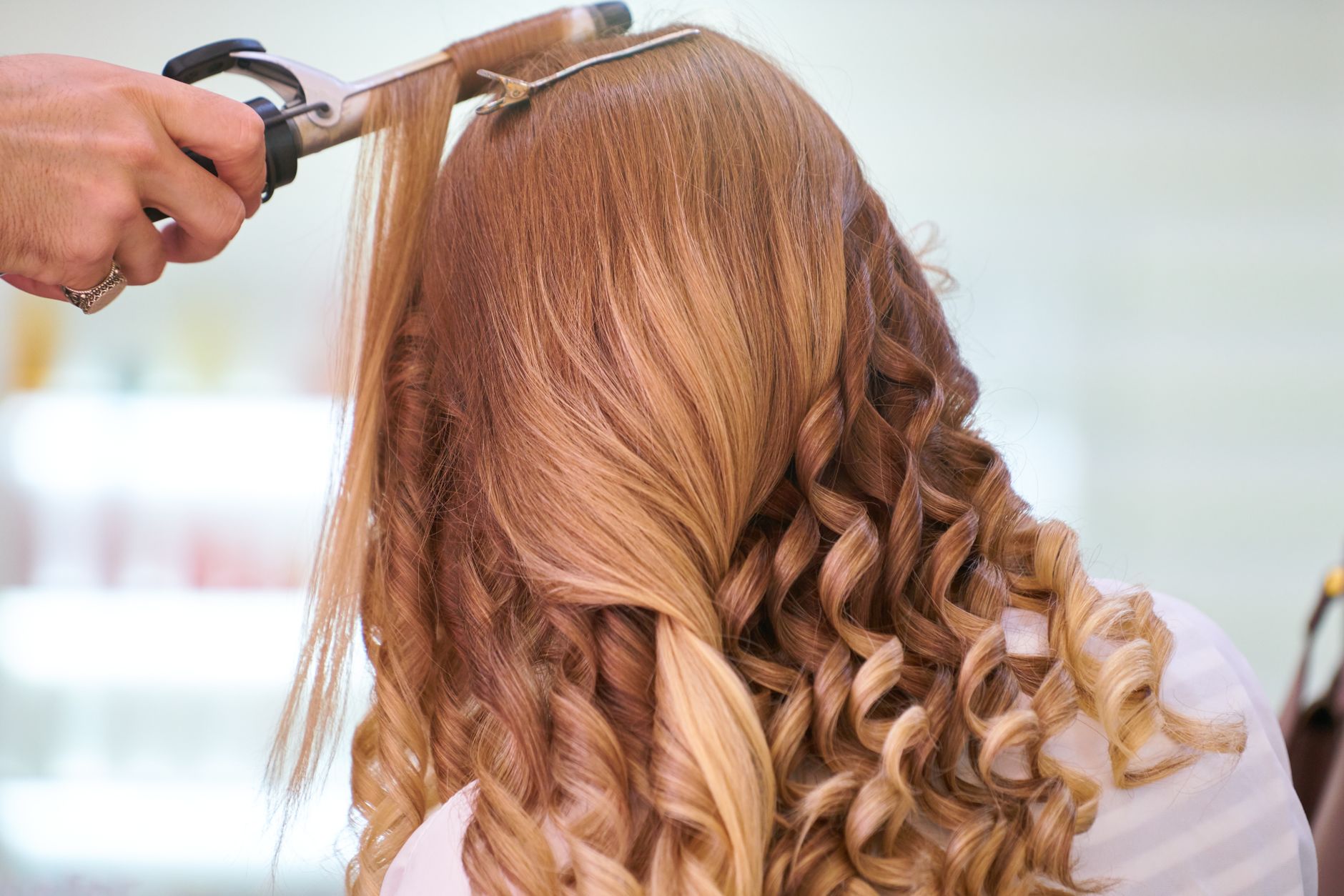
The simplest explanation is also the most practical one: shoppers have grown wary of what daily heat does to their hair. A curling wand run at a high temperature can leave strands dry, rough and prone to snapping, and the damage builds with repeated use. People who once accepted that as the price of a good set of curls now treat it as a choice. Heatless methods offer bends and waves without that trade-off, and the pitch fits in a single sentence. That clarity helps in a category where product claims often get buried in technical language.
Cost plays a part too. A heatless set, whether it’s a ribbon, a flexible rod or a pack of rollers, usually costs far less than a premium styling tool. For someone who curls their hair a few times a month, the math favors the simpler option. Hot tools also wear out, with frayed cords, chipped coatings and heating elements that give up, while a fabric rod goes in the wash and comes back fine.
Then there’s the video factor. Heatless curling is built for short-form video because the transformation happens overnight, which gives creators a tidy before-and-after: wrapped hair at bedtime, loose curls by morning.
Routines have shifted as well. Many people now think about hair the way they think about skin, with an emphasis on protecting what they have rather than repairing it later. Setting curls overnight fits that mindset because it turns styling into a low-effort bedtime step instead of a thirty-minute morning task at the mirror. It also removes the small anxiety of leaving a hot barrel too long on one section. Nobody has ever burned a fingertip on a satin rod.
What Is Taking the Barrel’s Place
The most visible newcomer is the ribbon-style curler, a long satin or fabric tube that hair gets wound around before it’s tied off for sleep. Close relatives include flexible-core rods, foam rollers and headband-style wraps that gather hair into a soft crown of spirals. Each version promises the same thing: set it, sleep, and wake up with shape. The appeal is comfort and low effort, and that combination sells.
None of these ideas are new. Flexi rods, pin curls and foam rollers have been around for decades, and stylists have long used them when they wanted curl without a hot barrel. What has changed is the packaging. Soft-touch fabrics, coordinated color palettes and sets sized by curl diameter make these tools look like accessories rather than salon leftovers. Brands that once treated rollers as a drugstore afterthought are now designing them to be photographed.
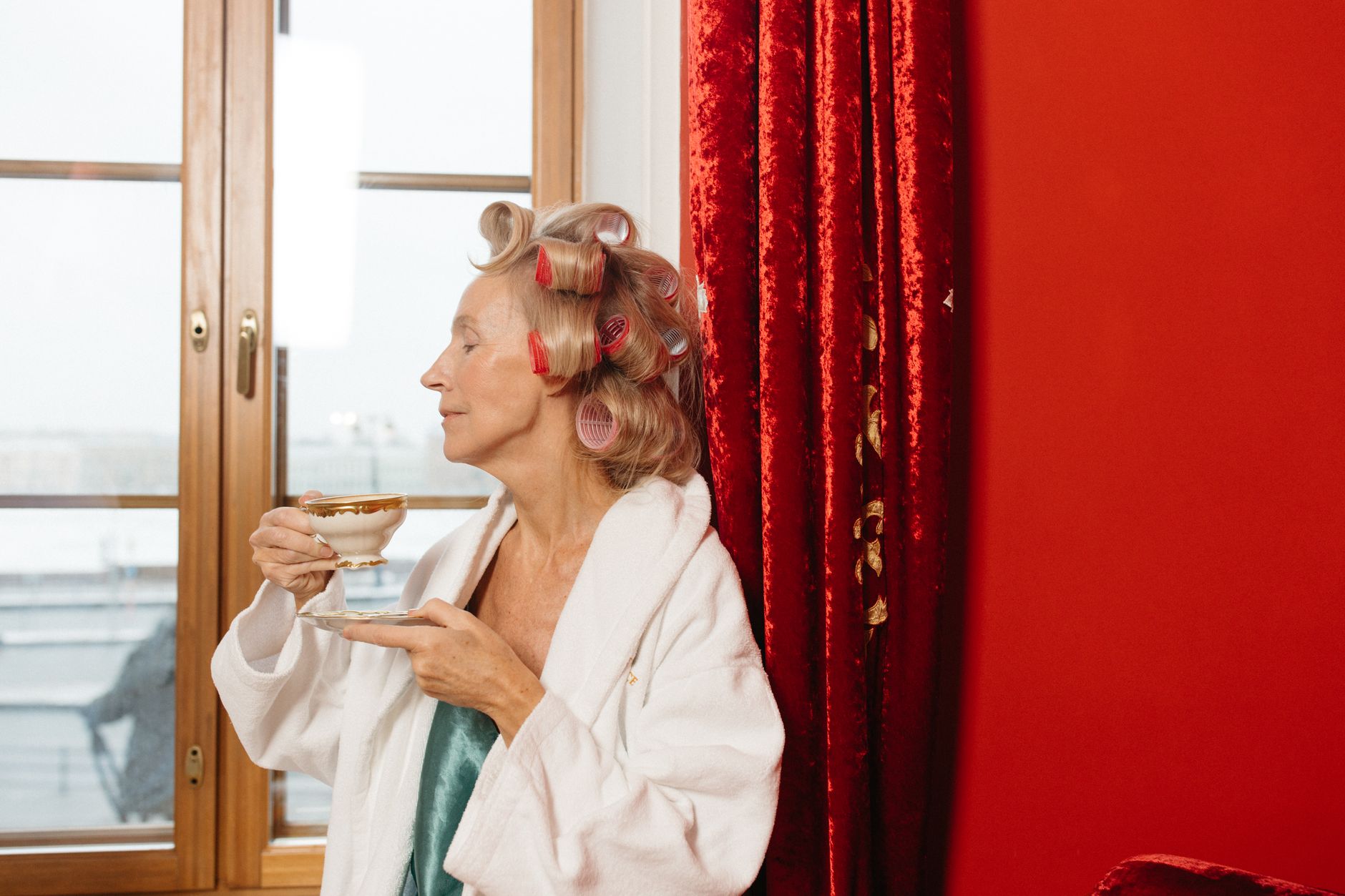
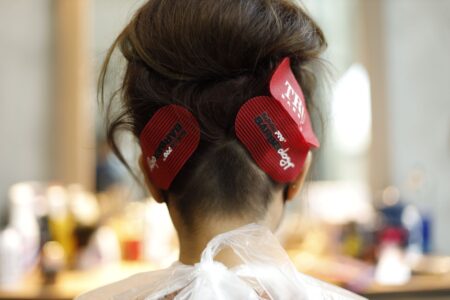
Technique matters more than the tool, and anyone who has tried a heatless set learns that quickly. Clean, even sections determine whether the result looks like a deliberate wave or a tangle. That is part of why claw clips have picked up a second job as a styling aid, holding the top layers out of the way while the lower sections get wrapped.
The shelf itself may be where the shift becomes most obvious. Instead of a wall of barrels sorted by diameter, it’s easy to imagine a display that groups curl-setting mousse, rods, satin pillowcases and sleep bonnets together. That bundling makes sense because a heatless curl depends on its supporting cast. A rod without the right product is just a tube, and a mousse without a rod is just a sticky hope. Retailers that understand this can build a basket instead of selling a single item.
Formulation is adapting alongside the tools. Mousses, setting lotions and light-hold sprays are being pitched as ways to help hair keep a shape without heat, since a heatless curl relies on hair drying fully in its wrapped position. Hair set too wet stays limp, and hair set too dry never takes the bend. Some hot-tool makers are responding with lower-temperature messaging and cooler settings, which suggests they have noticed the change in how shoppers think. The category is not disappearing, but it is being asked to justify itself in a way it hasn’t been before.
Where Heat Still Has the Advantage
Heatless curling has real limits. It takes hours, which doesn’t help anyone who needs a fresh look at noon. Results also depend on hair texture: fine, slippery hair can relax before lunch, while thick hair may stay damp in the center of a wrap and collapse when released. Tight, sculpted ring curls and the polished, bouncy finish associated with a red-carpet blowout are hard to get without heat. A hot tool is still the faster fix when a style needs to be built, finished and photographed in one sitting.

That points to a more useful way to see the competition. Heatless methods win the nightly, low-stakes routine, and heat holds the occasions that need precision and speed. The practical test is simple: if hair still feels cool and slightly damp when the wrap comes off, the curl will likely drop by afternoon. How many shoppers will keep a barrel in the drawer for the days when the ribbon doesn’t deliver?