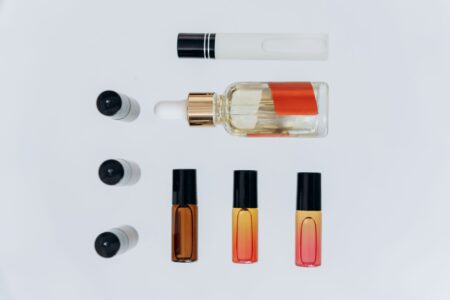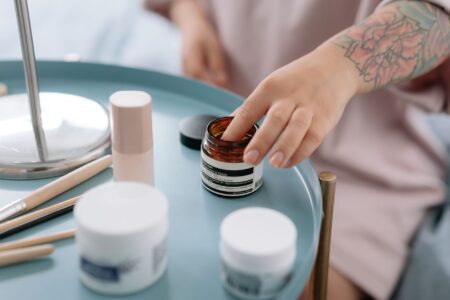


Hair oiling has been a weekly habit in many South Asian homes for generations: warm oil worked into the scalp, a slow massage, a towel wrapped around the head, and a wash the next morning. For most of that history it happened at kitchen tables and bathroom sinks, taught by mothers and grandmothers rather than sold by anyone. Now the practice is showing up on salon menus, listed beside glosses, bond-building treatments and blowouts, often with its own appointment slot and price. Scroll through a few salon booking pages and phrases like “scalp ritual” and “pre-wash oil treatment” appear more often than they did even a short while ago.
The real question is whether a ritual built on repetition can survive being packaged as a single appointment.
The appeal is easy to understand. Clients have spent years learning to treat the scalp as skin, with its own needs for exfoliation, balance and care, and oiling fits that mindset neatly. It is also sensory in a way that few salon services are: warmth, fragrance, pressure, and a few minutes of enforced stillness. In a business where a lot of treatments are invisible until weeks later, a service that feels good the moment it begins has a built-in advantage. Stylists have noticed that clients who might never book a conditioning mask will happily book something that includes a scalp massage.
Why Salons Are Adding It Now
Start with the economics, because they explain much of the speed. An oiling service needs little equipment beyond a towel, a bowl and perhaps a steamer or heated cap, and the product cost per client is modest compared with color or smoothing treatments. It slots in before a shampoo and blowout, which means it can be added to an existing appointment without reorganizing the day. For a salon owner, that is an easy upsell that does not require a new chair or a new license. For clients, it feels like a small indulgence rather than a major commitment.
There is also a demand story. Many clients grew up with oiling and have been doing it at home for years, and they are now asking stylists to include it in services they already book. Others came to it through social media, where a glossy, slow-motion pour of oil over a scalp became one of the more watchable beauty videos. The two groups want slightly different things. One wants a familiar practice done well by a professional, while the other wants a polished introduction to something new. A good salon menu has to speak to both without flattening the tradition into a trend.
That tension matters. Oiling is not a newly discovered technique, and the Ayurvedic roots of the practice, including the traditional massage often called champi, deserve to be named rather than swapped for a vague wellness label. Some salons do this thoughtfully, crediting the origin and working with oils and blends that have long been used, such as coconut, sesame, amla-infused and castor oils. Others borrow the look and skip the history, and clients are increasingly able to tell the difference. Credit is becoming part of the service, not an afterthought on the menu.
What the Appointment Actually Involves
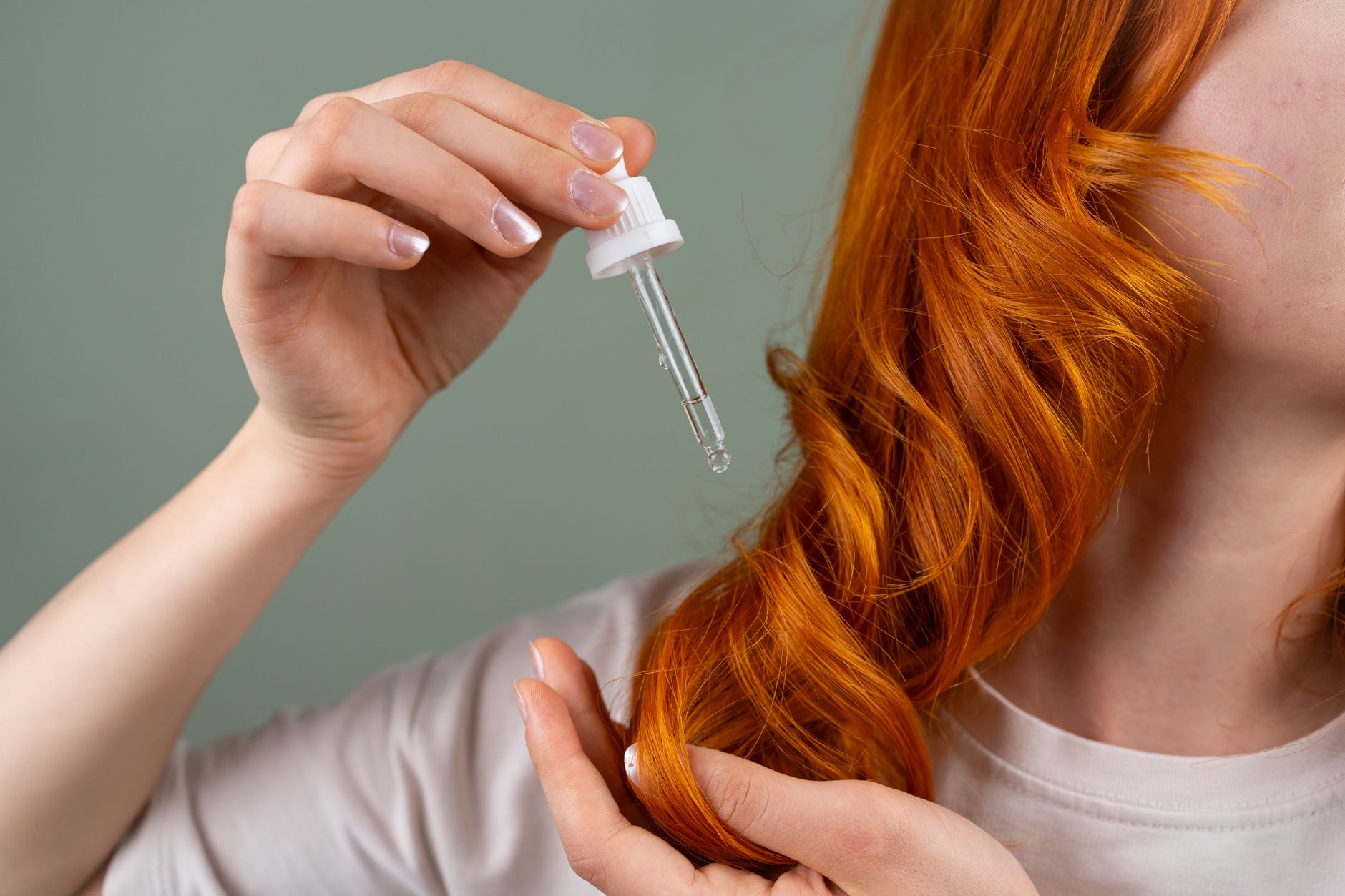
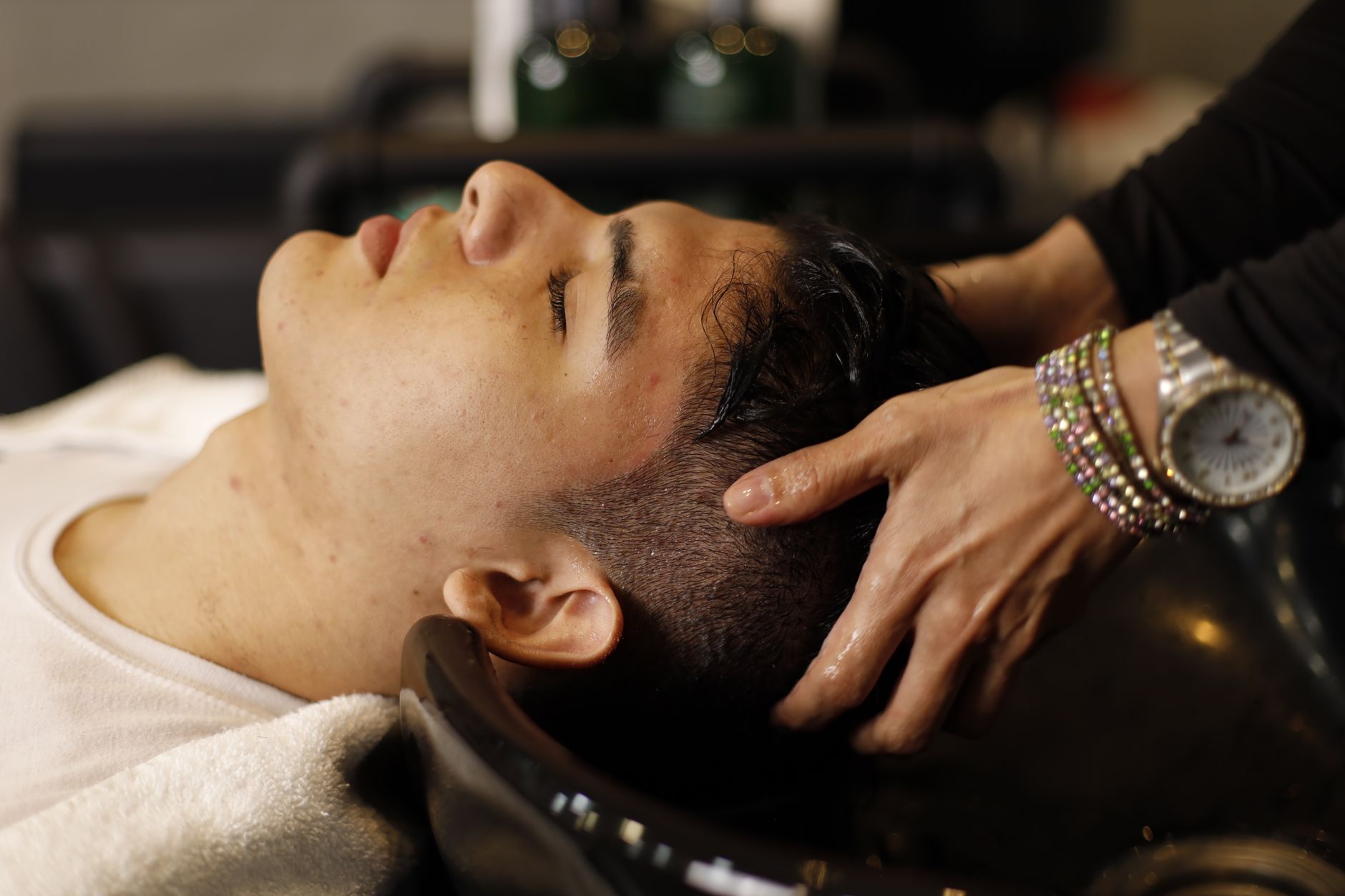
A well-run oiling service usually begins with a short consultation, and that step matters more than it sounds. Hair type, scalp condition and the day’s plans all change what should go on the head. Fine, easily weighed-down hair may do better with a light oil concentrated on the lengths and ends, while thick, coily or very dry hair can take a richer blend applied from root to tip. The oil is typically warmed, worked in with a scalp massage, and left to sit, sometimes under gentle heat, before a thorough shampoo. Done properly, the whole thing takes anywhere from a quarter of an hour to well over half of one, depending on how elaborate the salon makes it.
The logic of the treatment is straightforward. Oil sits on and around the strand, cushioning it against the swelling and friction that come with water and shampoo, which is why it is most often applied before washing rather than after. The massage is not decoration either, since it loosens tight scalp muscles and makes the whole experience feel like care instead of product application. What oil will not do is repair damage that has already happened, and a service that promises to “reverse” breakage is overselling. The honest pitch is protection, softness and a healthier-feeling scalp, not a miracle.
There are limits worth knowing before booking. A heavy oil left on an already oily scalp can feel greasy and may contribute to buildup, and people with flaking or irritation should ask a stylist whether oil is appropriate for them at all. Clients who already use leave-on products like scalp serums can ask how an oil treatment fits around them, because layering too many things on the scalp is a common mistake. A good stylist will explain the plan rather than reaching for the same bottle for everyone. If the consultation is skipped, that alone says something about the service.
The Part a Menu Can’t Sell
A salon can supply the oil, the steam and the massage, but it cannot supply the Sunday night, and that weekly repetition is where oiling has always done its real work.