Ancient healing meets modern beauty as acupuncturists across the country integrate jade rolling into their anti-aging protocols. What started as separate wellness trends has evolved into a powerful combination treatment that clients are booking months in advance.
The integration isn’t happening by accident. Licensed acupuncturists report that jade rolling enhances circulation patterns they’re already targeting with needle placement, creating synergistic effects that neither treatment achieves alone. “When we stimulate specific meridian points and follow with jade rolling along those same pathways, we’re amplifying the lymphatic drainage and blood flow we’ve just activated,” explains Dr. Sarah Chen, a licensed acupuncturist practicing in Los Angeles.
This fusion approach reflects a broader shift in how traditional practitioners are modernizing their offerings while staying true to ancient principles. Rather than viewing jade rolling as a trendy addition, many acupuncturists see it as a natural extension of techniques they’ve used for centuries.
The Science Behind Combined Treatment
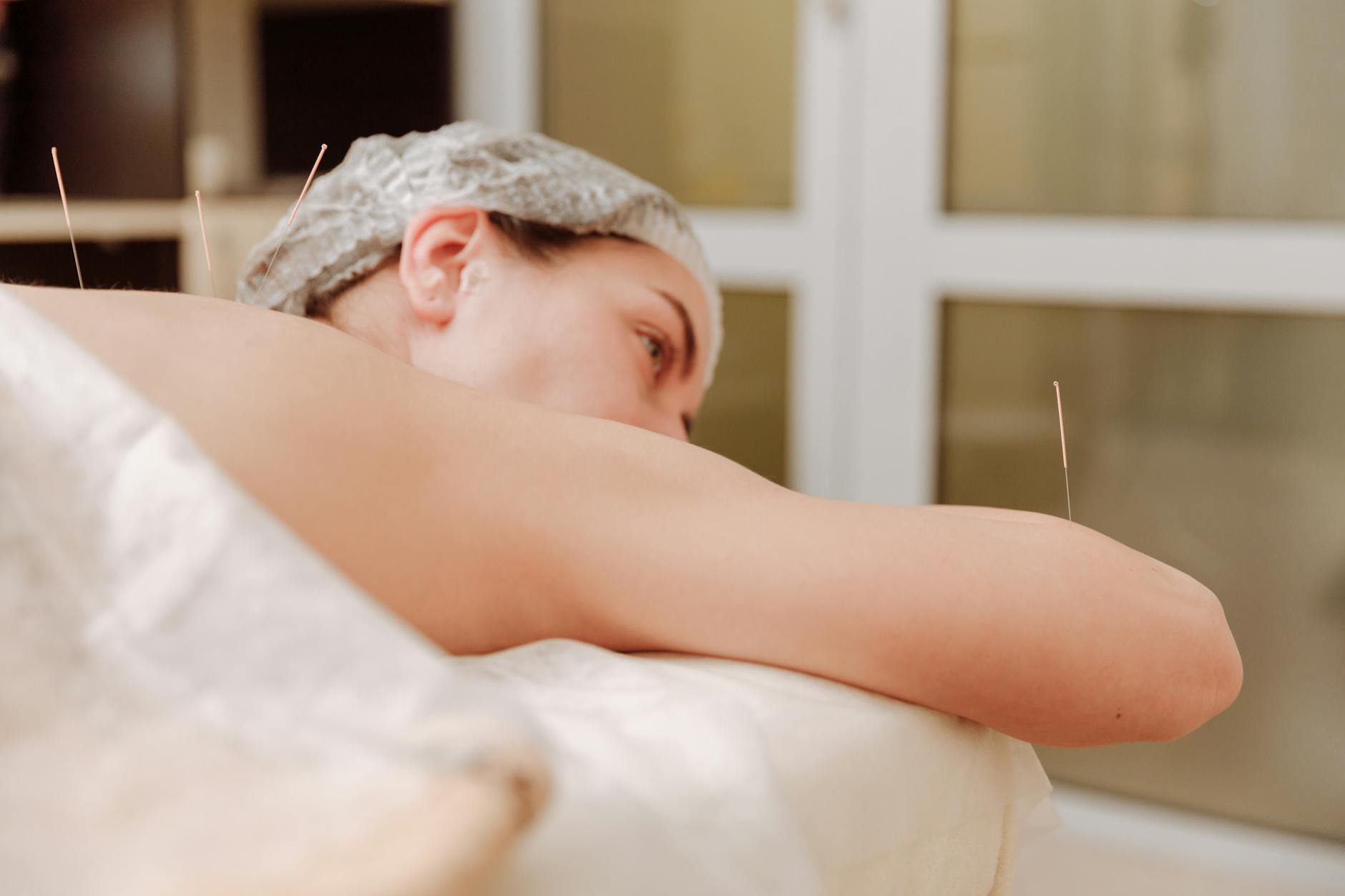
The pairing makes physiological sense when examined through both traditional Chinese medicine and Western scientific frameworks. Acupuncture needles stimulate specific points to promote qi flow and activate the body’s healing response. Following this with jade rolling, which applies gentle pressure and cooling temperature along the same meridian lines, extends and amplifies these effects.
Research published in recent dermatology journals shows that facial massage techniques can increase local blood circulation by up to 25% for several hours post-treatment. When combined with acupuncture’s documented ability to stimulate collagen production and reduce inflammation, the dual approach addresses multiple aging factors simultaneously.
“We’re seeing improvements in skin texture, reduced puffiness, and better muscle tone that surpass what either treatment accomplishes independently,” notes Dr. Michael Wong, who operates a traditional Chinese medicine clinic in San Francisco. His practice now offers 90-minute combination sessions that typically cost between $180-$250, comparable to high-end facial treatments at luxury spas.
The timing of application matters significantly. Most practitioners perform jade rolling immediately after removing acupuncture needles, while the therapeutic effects are still active. The cool temperature of jade stones provides additional benefits, helping to close pores and reduce any minor irritation from needle insertion.
Client Results and Growing Demand
The combined treatment is attracting clients who previously wouldn’t consider either acupuncture or jade rolling alone. Many report visible improvements after three to four sessions, with optimal results appearing after eight to twelve treatments spaced weekly.
Jennifer Martinez, a 45-year-old marketing executive from Chicago, began combination treatments six months ago after researching alternatives to injectable anti-aging procedures. “The first thing I noticed was how much brighter my complexion looked after each session. By the third treatment, my husband was asking what I was doing differently,” she says.
The appeal extends beyond immediate cosmetic results. Unlike more aggressive anti-aging treatments that require downtime, clients can return to work immediately after sessions. The only visible sign is often improved skin radiance that colleagues attribute to “good lighting” or “a great moisturizer.”
Practitioners report that clients appreciate understanding the reasoning behind each step. The educational component distinguishes these treatments from purely cosmetic procedures. “When clients understand how we’re working with their body’s natural healing systems rather than against them, they become more invested in the process,” explains Dr. Lisa Park, who practices in Portland, Oregon.
The demographic spans broader age ranges than traditional anti-aging treatments typically attract. While many clients are in their 40s and 50s, practitioners report growing interest from women in their 30s seeking preventive care, as well as older clients who prefer non-invasive options.
Professional Standards and Training
As demand grows, professional organizations are developing certification programs specifically for combination treatments. The American Association of Acupuncture and Oriental Medicine now offers workshops on integrating facial tools with traditional needle techniques.
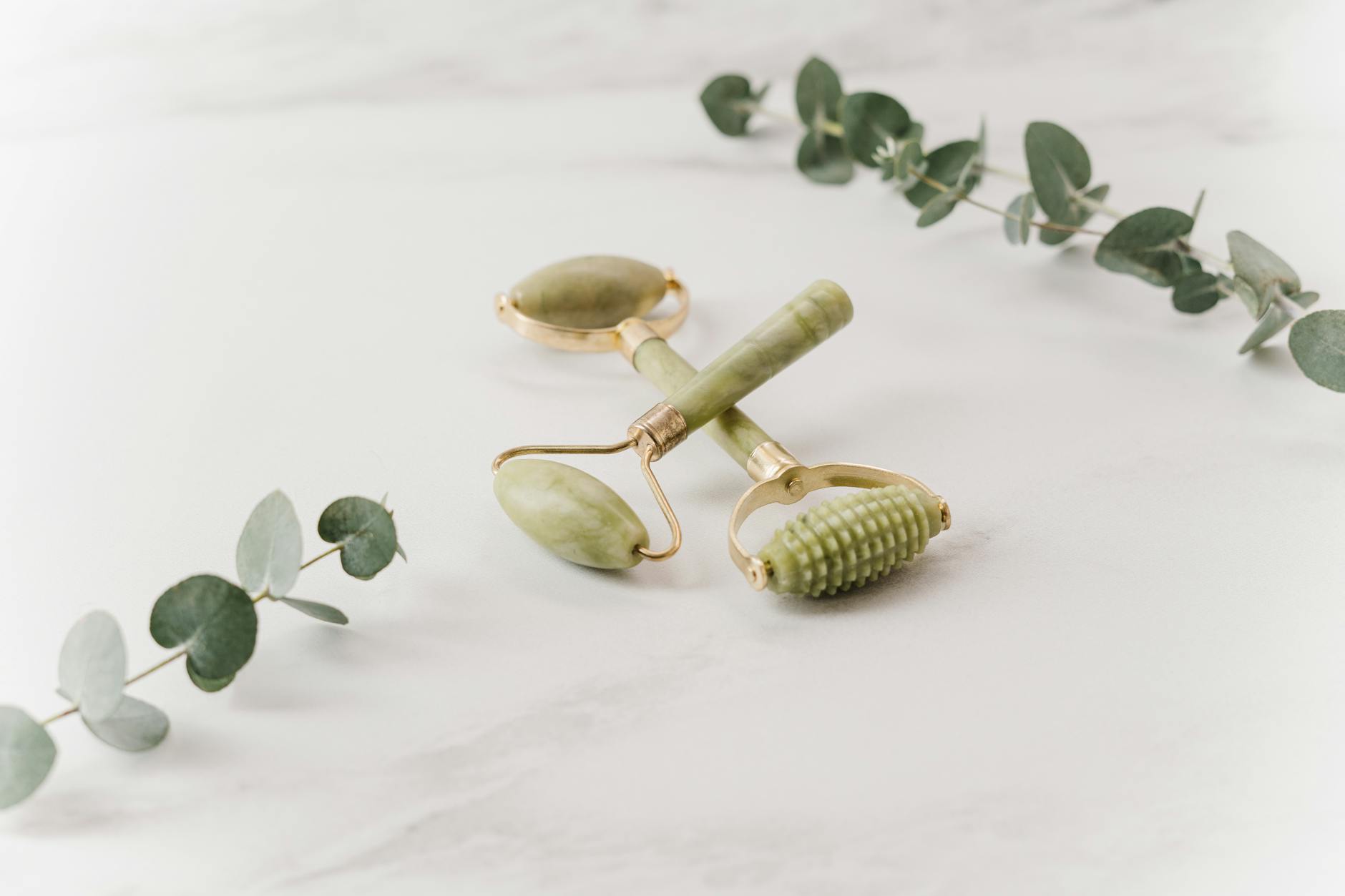
Proper jade tool selection has become crucial. Authentic jade stones maintain temperature longer and provide the mineral content that practitioners believe contributes to therapeutic benefits. However, the market has seen an influx of synthetic alternatives marketed as jade, prompting professional guidelines on tool authentication and safety standards.
Training programs emphasize that jade rolling requires different techniques when combined with acupuncture versus standalone application. The pressure, direction, and duration must complement rather than interfere with needle-stimulated meridian pathways. “It’s not simply adding a massage to an acupuncture session,” clarifies Dr. Chen. “The integration requires understanding how both modalities interact physiologically.”
Insurance coverage remains limited, as most providers classify the treatments as cosmetic rather than medical. However, some practitioners successfully bill acupuncture portions when treating conditions like facial tension or chronic headaches, with jade rolling included as part of the therapeutic protocol.
This trend parallels other integration movements in beauty and wellness, similar to how makeup artists are incorporating probiotic serums into their red carpet preparation routines, blending traditional techniques with modern innovations.
Looking Forward: Expansion and Innovation
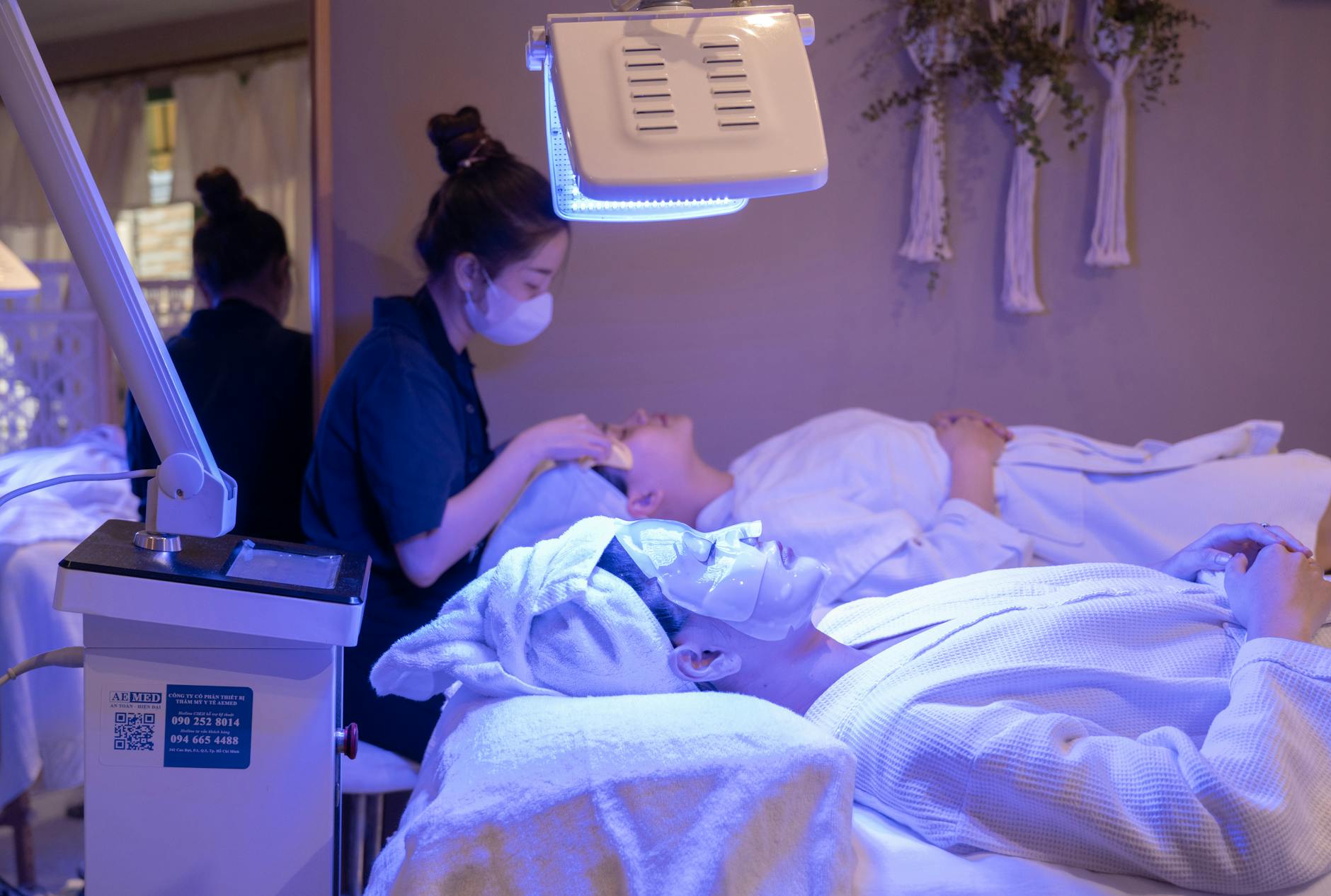
The success of jade rolling integration is encouraging acupuncturists to explore other traditional tool combinations. Gua sha plates, rose quartz rollers, and even modern devices like LED therapy are being tested as complementary treatments. Some practitioners report promising preliminary results combining acupuncture with controlled light therapy protocols, echoing developments where dermatologists are incorporating LED treatments into acne management.
Training institutions are responding by updating curricula to include facial tools and modern integration techniques alongside traditional methods. This educational shift ensures new practitioners enter the field equipped to meet evolving client expectations while maintaining professional standards.
The combination treatment model may influence other aspects of traditional Chinese medicine practice, from herbal consultations paired with nutritional guidance to cupping therapy enhanced with aromatherapy elements. As practitioners document outcomes and refine techniques, this integration approach could reshape how ancient healing arts adapt to contemporary wellness demands.
For clients seeking natural anti-aging alternatives, the acupuncture-jade rolling combination offers a bridge between traditional wisdom and modern beauty expectations, delivered by licensed professionals in clinical settings rather than spa environments.
Frequently Asked Questions
How much do combination acupuncture jade rolling treatments cost?
Most practices charge between $180-$250 for 90-minute sessions combining both treatments, comparable to luxury spa facial pricing.
How many sessions are needed to see anti-aging results?
Most clients report visible improvements after three to four weekly sessions, with optimal results appearing after eight to twelve treatments.