

Professional massage therapists across the country are transforming their facial services by incorporating gua sha, the ancient Chinese healing technique that’s gained massive popularity on social media. What started as a DIY skincare trend has now entered high-end spas and wellness centers, with licensed massage therapists reporting increased client bookings and enhanced treatment results.
The integration represents a significant shift in how massage professionals are expanding their service offerings. Traditional Swedish and deep tissue massage therapists are now training in gua sha techniques specifically for facial applications, combining their existing knowledge of muscle tension and lymphatic drainage with this time-tested practice.
“Clients are coming in asking for gua sha specifically,” says Maria Rodriguez, a licensed massage therapist in Los Angeles who added facial gua sha to her menu six months ago. “They’ve seen it on Instagram and TikTok, but they want the professional experience with proper technique and sanitation.”
The Professional Difference in Gua Sha Application
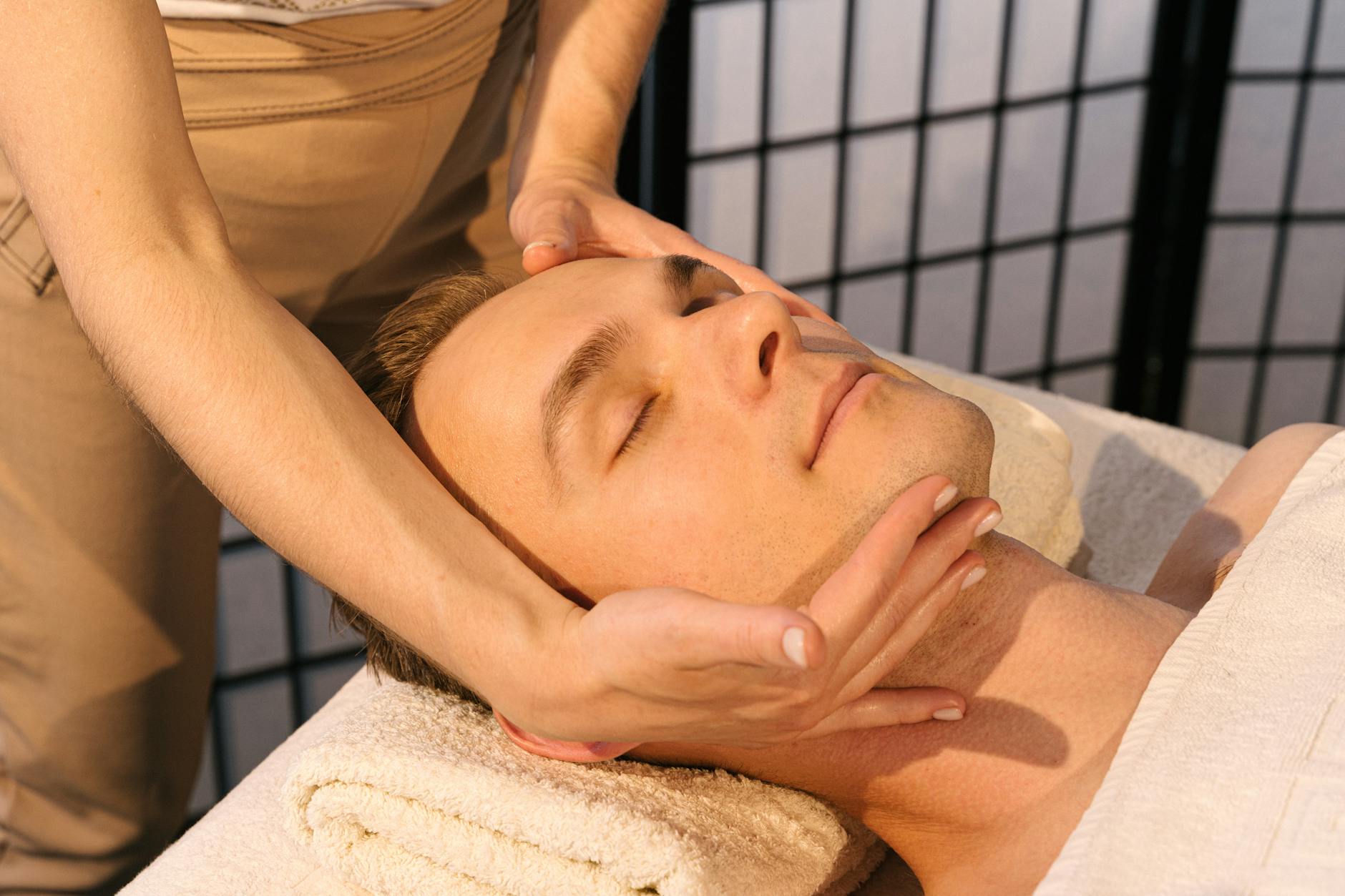
While at-home gua sha tools flood the beauty market, massage therapists bring professional training that elevates the experience beyond what clients can achieve independently. Licensed professionals understand facial anatomy, proper pressure application, and how to customize techniques for individual skin types and concerns.
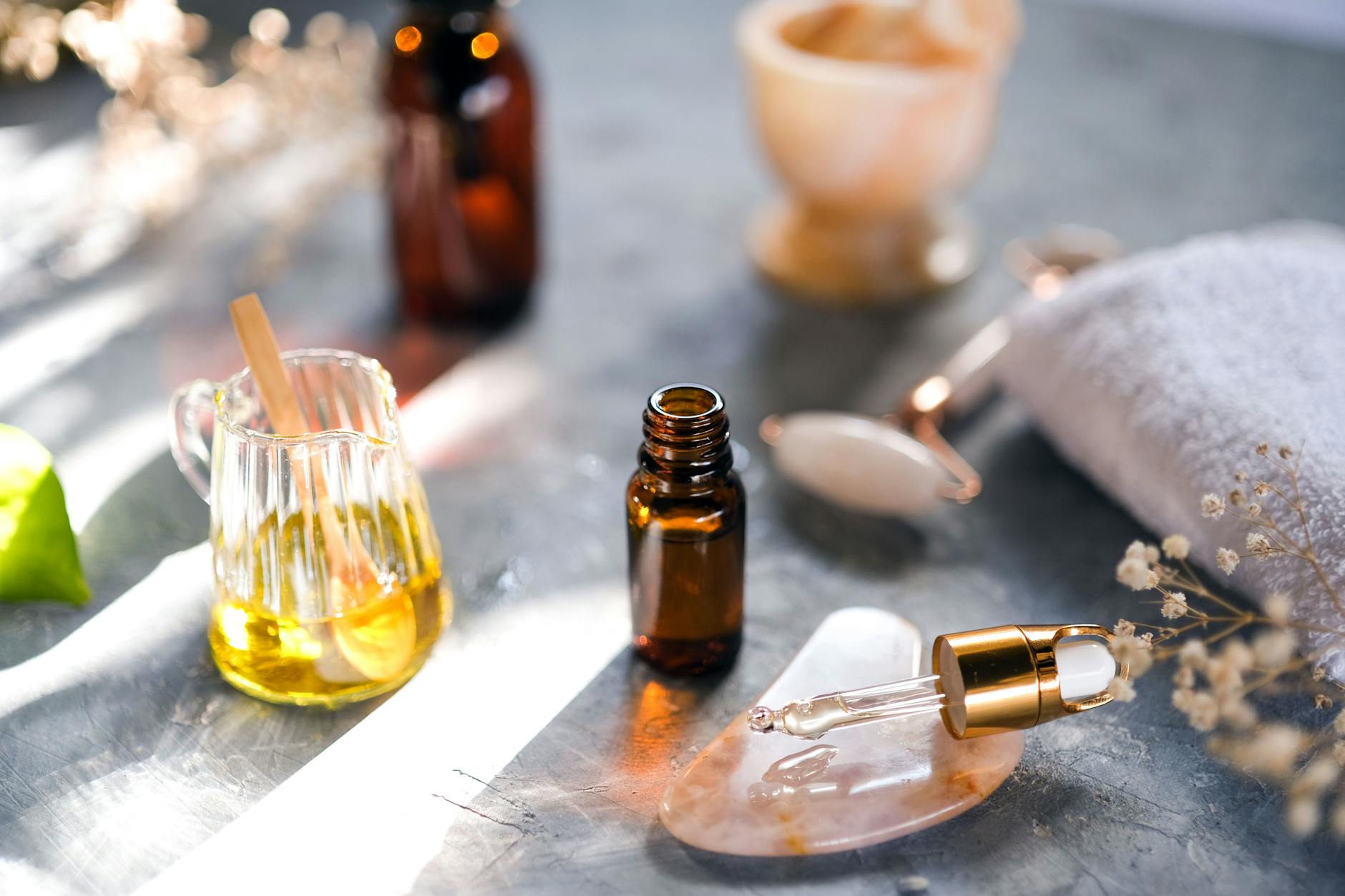
Professional massage therapists use medical-grade stainless steel tools alongside traditional jade and rose quartz stones. The metal options allow for deeper pressure and more precise manipulation of facial muscles, particularly around the jaw and temple areas where tension commonly accumulates.
The technique involves scraping motions across the skin using smooth-edged tools, promoting circulation and encouraging lymphatic drainage. When performed by trained professionals, gua sha can address specific concerns like jaw tension from teeth grinding, sinus congestion, and facial muscle tightness from stress.
“The biggest difference is understanding contraindications,” explains Sarah Chen, a massage therapist and gua sha instructor in New York. “We know when not to perform the treatment, how to modify pressure for sensitive skin, and how to integrate it with other modalities like lymphatic massage.”
Integration with Existing Facial Modalities
Massage therapists aren’t simply adding standalone gua sha sessions. Instead, they’re integrating the technique into comprehensive facial treatments that combine multiple therapeutic approaches. Many professionals pair gua sha with facial cupping, lymphatic drainage massage, and even incorporate elements similar to jade rolling techniques used by acupuncturists for anti-aging benefits.
The combination approach allows therapists to address multiple client concerns in a single session. A typical integrated treatment might begin with gentle cleansing, followed by facial massage to warm the tissues, then gua sha for targeted muscle release and lymphatic stimulation, finishing with moisturizing and facial acupressure.
Professional-grade treatments often last 60 to 90 minutes, significantly longer than typical at-home sessions. This extended timeframe allows for thorough consultation, proper preparation, and comprehensive treatment that addresses the full face, neck, and décolletage area.
Many therapists report that clients who initially booked single gua sha sessions now return for regular treatments, viewing them as essential wellness maintenance rather than occasional indulgences. The professional setting also allows for proper sanitation protocols that aren’t always possible with home use.
Training and Certification Requirements
The growing demand has sparked a surge in professional gua sha training programs specifically designed for massage therapists. These programs go beyond basic technique instruction, covering anatomy specific to facial gua sha, contraindications for various health conditions, and integration with existing massage therapy practices.
Most reputable training programs require existing massage therapy licensure as a prerequisite, ensuring students already understand fundamental concepts like pressure application, client communication, and professional boundaries. Advanced courses cover specialized applications for conditions like TMJ dysfunction, chronic headaches, and facial paralysis recovery.
“The training is quite different from body gua sha,” notes instructor Jennifer Park, who developed a facial gua sha certification program for licensed massage therapists. “The face requires much lighter pressure, different stroke patterns, and extensive knowledge of facial nerve pathways.”
Professional liability insurance companies have also adapted to cover facial gua sha services when performed by licensed massage therapists, provided they’ve completed appropriate training. This coverage gives both practitioners and clients additional peace of mind during treatments.
Client Outcomes and Business Impact
Massage therapists who’ve added professional gua sha services report measurable improvements in client satisfaction and business metrics. Many see immediate visible results in clients, including reduced facial puffiness, improved circulation evidenced by healthy skin glow, and relaxation of facial tension that clients can feel immediately.
Regular gua sha clients often report improvements in jaw tension, reduced appearance of fine lines from muscle relaxation, and better sleep quality following treatments. The combination of physical benefits and the meditative quality of the treatment creates high client retention rates.
From a business perspective, facial gua sha allows massage therapists to command higher service prices while differentiating themselves from basic massage services. The treatment appeals to wellness-conscious clients who are often willing to invest in regular sessions, creating predictable recurring revenue streams.
The visual nature of facial treatments also generates strong word-of-mouth marketing, particularly among clients who share their experiences on social media. Many therapists find that gua sha clients become advocates who refer friends and family members.
The Future of Professional Gua Sha Services
As mainstream acceptance of traditional Chinese medicine continues to grow, professional gua sha services are positioned to become standard offerings in high-end spas and wellness centers. The treatment aligns with current wellness trends emphasizing natural healing methods and personalized care approaches.
Industry experts predict that facial gua sha will follow a similar trajectory to other integrated wellness services, becoming more specialized and sophisticated as practitioners gain experience. Advanced practitioners are already developing protocols for specific conditions and combining gua sha with emerging technologies and treatments.
The professional massage therapy community’s embrace of gua sha represents a broader trend toward integrative wellness approaches that honor both traditional healing methods and modern therapeutic standards. As more therapists complete specialized training and client awareness increases, professional gua sha services are likely to become as common as hot stone massage or aromatherapy treatments in professional settings.
Frequently Asked Questions
Do massage therapists need special training for facial gua sha?
Yes, most reputable programs require existing massage therapy licensure and specialized training in facial anatomy and gua sha techniques.
How is professional gua sha different from at-home treatments?
Professionals use medical-grade tools, understand contraindications, and can integrate gua sha with other therapeutic modalities for comprehensive treatment.