Gwyneth Paltrow’s purple circular marks at a recent wellness event sparked thousands of social media conversations. The Goop founder wasn’t hiding a skin condition – she was proudly displaying the aftermath of facial cupping therapy, the latest treatment making waves in celebrity beauty circles.
What started as an ancient Chinese healing practice has evolved into the facial treatment of choice for A-listers seeking natural anti-aging solutions. Unlike traditional body cupping that leaves obvious marks, facial cupping uses smaller cups and gentler suction, creating a lifting effect without the telltale bruising.
Jennifer Aniston, Scarlett Johansson, and Victoria Beckham have all been spotted with the subtle glow that comes from regular facial cupping sessions. The treatment promises to boost circulation, reduce puffiness, and create a natural face-lift effect – all without needles or downtime.
The Science Behind the Suction
Facial cupping works by creating negative pressure on the skin using small glass or silicone cups. This suction increases blood flow to the treated areas, encouraging lymphatic drainage and stimulating collagen production. Unlike traditional cupping that leaves cups stationary, facial cupping involves gliding movements that massage facial muscles and release tension.
Licensed aesthetician Sarah Chen, who works with several Hollywood clients, explains the process: “We use much smaller cups than body cupping, and the suction is significantly gentler. The goal is to lift and sculpt, not to create the deep tissue release you’d get with traditional cupping.”
The increased circulation brings fresh oxygen and nutrients to facial tissues while helping remove toxins and excess fluid. This combination creates the immediate plumping effect that celebrities love for red carpet events. The treatment typically takes 30-45 minutes and can be combined with facial massage or other skincare treatments.
Research published in the Journal of Traditional Chinese Medicine shows that regular cupping therapy can increase local blood circulation by up to 300%. While most studies focus on body cupping for pain relief, practitioners apply these principles to facial treatments with modifications for the delicate facial skin.
Celebrity Endorsements Drive Mainstream Adoption
Victoria Beckham first introduced facial cupping to her skincare routine after working with a traditional Chinese medicine practitioner in London. She credits the treatment with maintaining her sculpted cheekbones and jawline definition. Her social media posts about the therapy reached millions of followers, creating immediate demand at high-end spas.
Jennifer Aniston reportedly receives facial cupping treatments twice weekly as part of her comprehensive anti-aging regimen. Her aesthetician combines the cupping with LED light therapy and specialized serums, creating a customized protocol that addresses her specific skin concerns.
Scarlett Johansson discovered facial cupping while filming in Asia and brought the practice back to her New York routine. She’s spoken about how the treatment helps reduce puffiness during long filming days and maintains her skin’s natural radiance without heavy makeup.
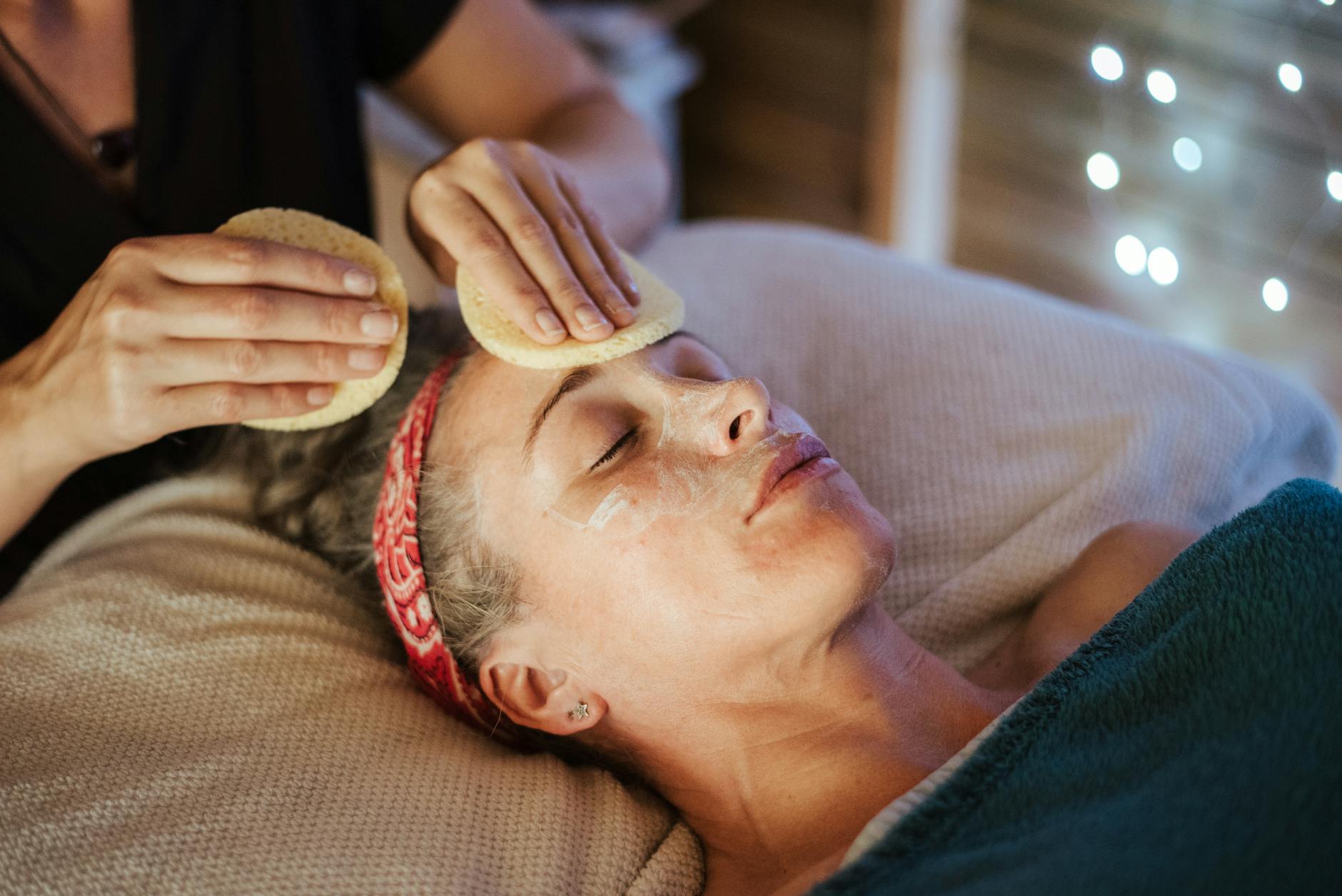
The celebrity influence has created a ripple effect throughout the beauty industry. High-end spas in Beverly Hills, Manhattan, and Miami now offer specialized facial cupping menus. The treatment has evolved from a niche Traditional Chinese Medicine practice to a mainstream beauty service with waiting lists stretching months.
Professional training programs for aestheticians now include facial cupping modules. The American Association of Acupuncture and Oriental Medicine reports a 40% increase in practitioners seeking certification in facial cupping techniques over the past two years.
Professional Integration and Technique Evolution
Modern facial cupping has evolved far beyond its traditional roots. Contemporary practitioners combine the ancient technique with cutting-edge skincare technology and products. Many integrate cupping with other treatments that share similar circulation-boosting benefits, similar to how massage therapists are adding gua sha to professional facial services.
Premium spas now offer “cupping cocktails” – treatments that layer multiple modalities for enhanced results. These might include facial cupping followed by microcurrent therapy, or cupping combined with oxygen infusion treatments. The key is customizing the pressure and technique for each client’s skin type and concerns.
Professional-grade facial cupping requires specialized training and proper equipment. Practitioners must understand facial anatomy, skin physiology, and contraindications. The cups used range from tiny 15mm glass vessels for delicate under-eye work to larger 40mm cups for broad areas like the forehead and cheeks.
Temperature variations add another dimension to treatments. Some practitioners use heated cups to enhance circulation further, while others prefer room temperature applications for sensitive skin. The technique requires precise control – too much suction can damage capillaries, while too little provides no benefit.
Home Versions and DIY Considerations
The celebrity popularity has created demand for at-home facial cupping kits. Beauty retailers now stock silicone cup sets designed for personal use, often accompanied by instructional videos and skincare product recommendations.
At-home kits typically include 2-4 silicone cups in different sizes, along with facial oils or serums designed to help the cups glide smoothly. The silicone material is safer for beginners than glass, as it’s harder to create excessive suction accidentally.
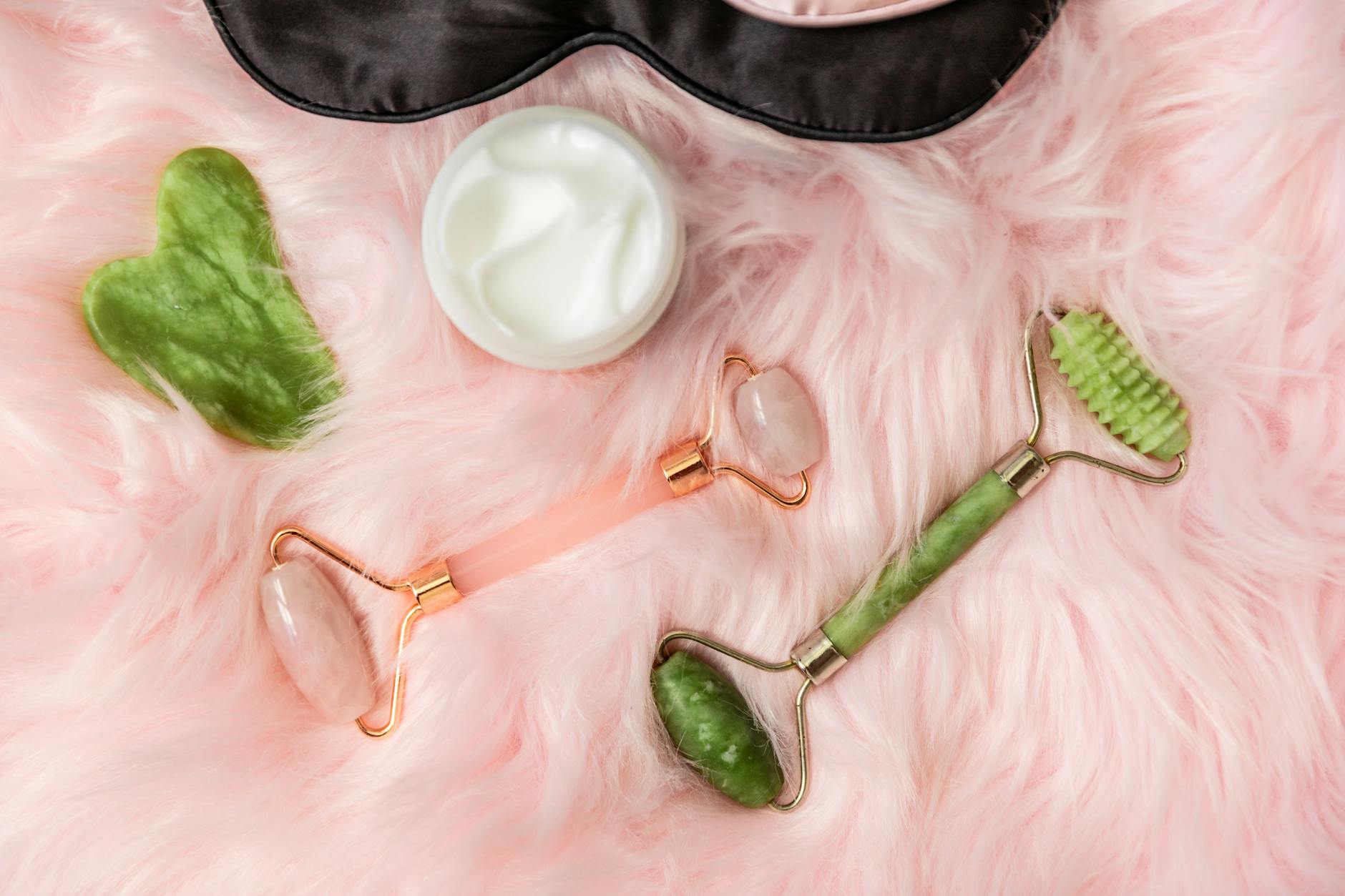
Professional aestheticians emphasize that home cupping requires proper technique and understanding of facial anatomy. The treatment should never be performed on broken skin, active acne, or areas with underlying health conditions. Many recommend professional training sessions before attempting DIY treatments.
The effectiveness of home cupping depends heavily on technique consistency and product quality. While professional treatments can cost $150-300 per session, home kits range from $25-100, making the practice more accessible to non-celebrity budgets.
The Future of Facial Cupping
As facial cupping gains mainstream acceptance, practitioners are developing specialized techniques for specific concerns. Anti-aging protocols focus on lifting and firming, while acne treatments use gentler suction to improve circulation without aggravating breakouts.
Technology integration represents the next evolution. Some spas experiment with electronic cupping devices that provide consistent suction levels and timing. Others combine traditional cupping with LED therapy or ultrasonic treatment for enhanced results.
The treatment’s natural approach appeals to consumers seeking alternatives to injectable treatments and invasive procedures. As celebrity endorsements continue and professional training expands, facial cupping appears positioned to become a standard offering in premium skincare services.
Research into facial cupping’s long-term effects continues, with studies examining its impact on collagen production and skin elasticity. Early results suggest regular treatments may provide cumulative benefits, supporting its adoption as a maintenance therapy rather than just an occasional indulgence.
Frequently Asked Questions
Is facial cupping safe for all skin types?
Facial cupping is generally safe but should be avoided on broken skin, active acne, or sensitive conditions. Professional consultation is recommended.
How often should you get facial cupping treatments?
Most practitioners recommend weekly sessions initially, then maintenance treatments every 2-3 weeks for optimal results.