


Reflexology studios across major cities are quietly revolutionizing anti-aging treatments by incorporating facial pressure point techniques into their traditional foot and hand therapies. What started as an experimental addition at a handful of wellness centers has evolved into a comprehensive approach that combines ancient reflexology principles with targeted facial rejuvenation.
The trend began gaining momentum when established reflexologists noticed clients asking about facial treatments during their regular sessions. Rather than refer them elsewhere, practitioners started researching how reflexology’s core principles could apply to facial pressure points. The result is a hybrid treatment that addresses both systemic wellness and visible signs of aging through precise pressure application.
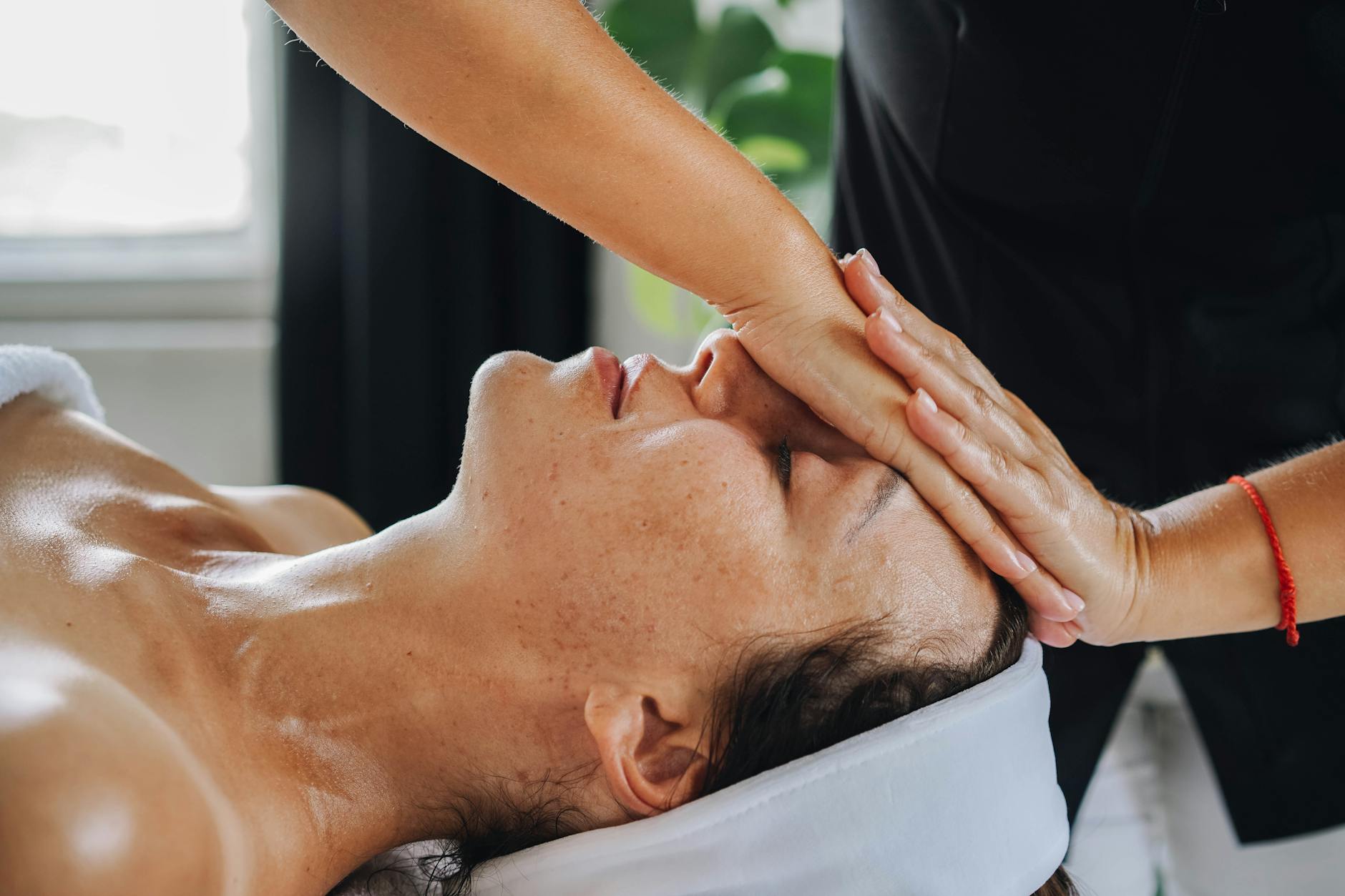
The Science Behind Facial Reflexology for Anti-Aging
Traditional reflexology operates on the principle that specific points on the feet and hands correspond to different organs and systems throughout the body. Facial reflexology extends this concept, mapping pressure points across the face that reportedly stimulate circulation, promote lymphatic drainage, and encourage cellular renewal.
Certified reflexologist Sarah Chen, who practices at several Los Angeles wellness centers, explains the methodology: “We focus on pressure points around the temples, jaw line, and under-eye area that correspond to lymphatic pathways. The goal is to reduce puffiness, improve skin tone, and create a natural lifting effect through targeted pressure techniques.”
The facial pressure points most commonly incorporated into anti-aging treatments include the temple area for tension release, the jaw line for contouring effects, points along the cheekbones for lifting, and specific areas around the eyes to address fine lines and dark circles. Practitioners typically spend 15-20 minutes on facial work during hour-long sessions that still include traditional foot reflexology.
Research from wellness institutes suggests that consistent pressure point stimulation can improve blood flow to facial tissues, though practitioners are careful to present these treatments as complementary rather than medical interventions. The appeal lies in the non-invasive nature and the immediate relaxation benefits clients experience.
Integration with Existing Beauty Treatments
The reflexology industry’s move into facial treatments comes as beauty professionals across disciplines expand their service offerings. Similar to how massage therapists are adding gua sha to professional facial services, reflexologists are finding that clients appreciate the convenience of multiple treatments in one session.
Many reflexology practices now offer combination packages that include traditional reflexology with facial pressure point work, aromatherapy, and guided meditation. The treatments typically last 75-90 minutes and cost between 20-40% more than standard reflexology sessions, reflecting the additional training and time investment required.

Spa industry reports indicate that multi-service treatments are increasingly popular among clients seeking comprehensive wellness experiences rather than single-focus appointments. Reflexologists report that adding facial components has increased client retention and attracted new demographics, particularly women aged 35-55 who are interested in natural anti-aging approaches.
The integration process requires additional certification for reflexologists. Most pursue specialized training through recognized reflexology institutes, learning facial anatomy, appropriate pressure techniques, and contraindications specific to facial work. The training typically involves 20-40 hours of instruction plus supervised practice sessions.
Client Results and Professional Standards
Reflexologists offering facial pressure point treatments report that clients most commonly notice improved skin texture, reduced facial tension, and a general sense of rejuvenation immediately following sessions. Long-term clients often mention that regular treatments help maintain a more relaxed facial expression and may contribute to fewer tension-related lines around the eyes and forehead.
Professional reflexology associations have developed guidelines for practitioners incorporating facial work into their services. These standards emphasize proper sanitation protocols, client consultation procedures, and clear communication about treatment expectations. Practitioners must also maintain liability insurance that covers facial treatments.
The treatment protocols typically begin with a brief consultation to identify areas of concern and any contraindications. The facial portion usually starts after the traditional reflexology work when clients are already in a relaxed state. Practitioners use clean hands and may incorporate essential oils or specialized tools designed for facial pressure point work.
Quality control measures include ongoing education requirements and peer review processes within reflexology professional organizations. Many practitioners also seek additional certifications in related fields such as lymphatic drainage or facial massage to enhance their expertise and credibility.
Market Growth and Future Applications
The wellness industry’s embrace of integrated treatments has created opportunities for reflexologists to expand beyond their traditional scope while maintaining their core expertise. Industry analysts note that consumers increasingly seek practitioners who can address multiple concerns in single appointments, driving innovation across various wellness disciplines.
Current market trends show growing demand for natural anti-aging alternatives, particularly among clients who prefer non-chemical approaches to skin care. Reflexologists report that their facial pressure point services attract clients who might not otherwise try reflexology, introducing them to the broader benefits of the practice.
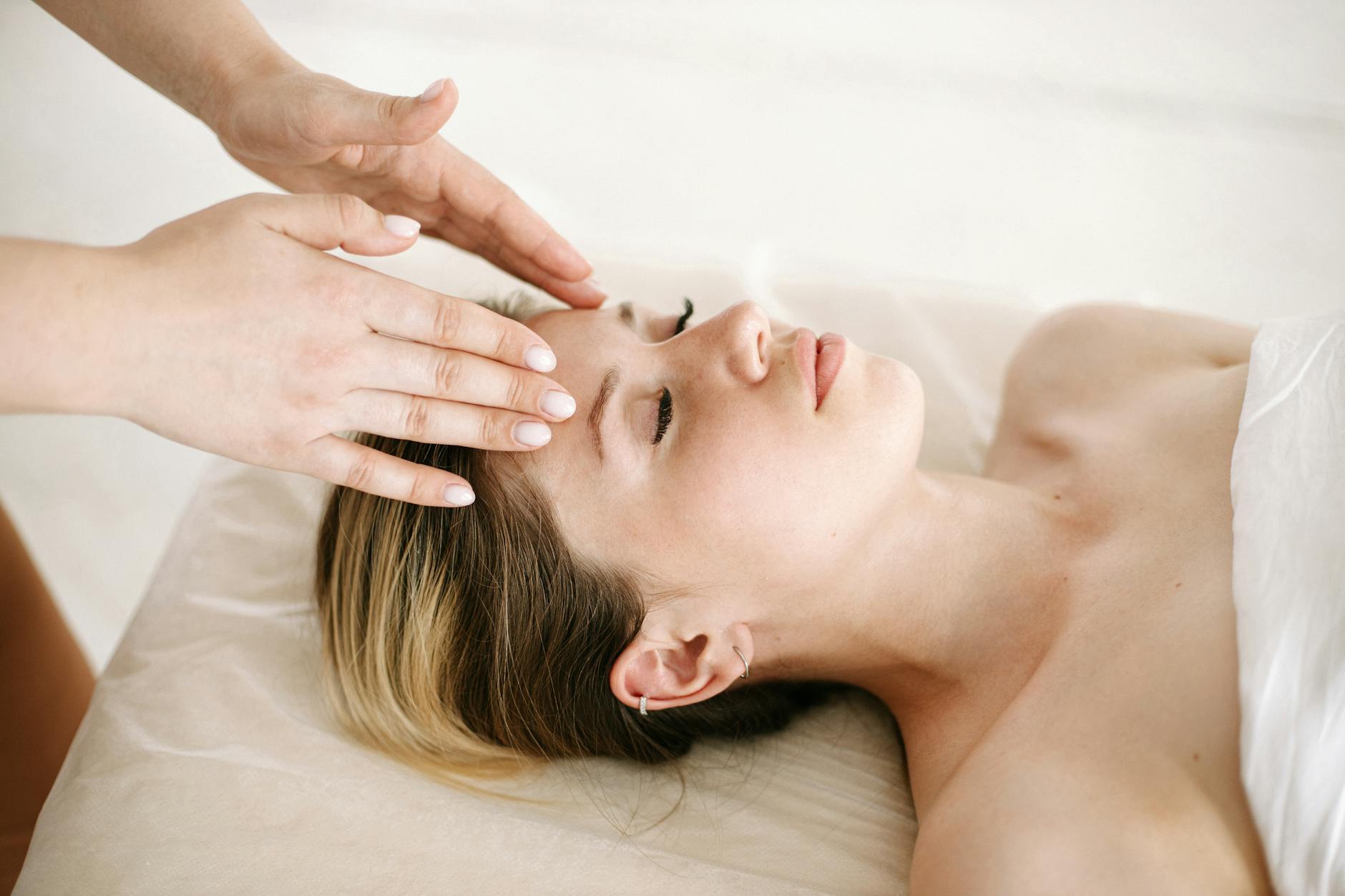
Looking ahead, some reflexologists are exploring partnerships with aestheticians, acupuncturists, and other beauty professionals to create comprehensive treatment protocols. These collaborations could lead to more sophisticated anti-aging programs that combine multiple therapeutic approaches under professional supervision.
The trend also reflects broader changes in how wellness professionals define their scope of practice. As clients become more educated about holistic health approaches, practitioners are finding ways to meet demand while respecting professional boundaries and maintaining safety standards.
The integration of facial pressure points into reflexology treatments represents a natural evolution of an ancient practice meeting modern beauty concerns. As more practitioners complete specialized training and establish protocols, this hybrid approach may become a standard offering in reflexology practices nationwide. The key to success lies in maintaining the therapeutic integrity of reflexology while effectively addressing clients’ anti-aging goals through evidence-based pressure point techniques.
Frequently Asked Questions
How do facial pressure points work for anti-aging?
Facial pressure points stimulate circulation and lymphatic drainage, potentially reducing puffiness and improving skin tone through targeted pressure techniques.
What training do reflexologists need for facial treatments?
Practitioners typically complete 20-40 hours of specialized training in facial anatomy and pressure techniques through recognized reflexology institutes.