

From the Polo Field to the Jewellery Box
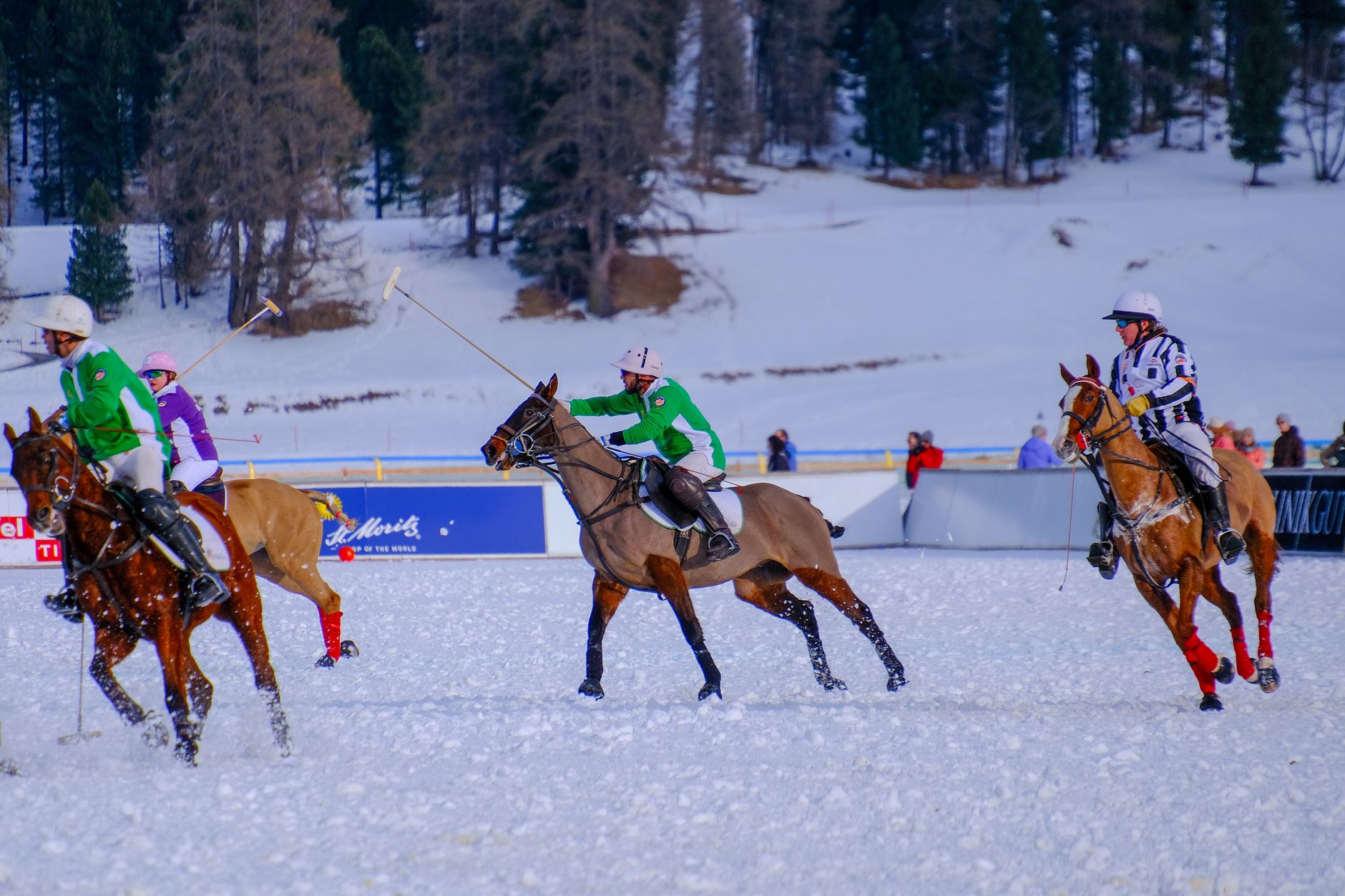
The browband plait has lived quietly in the world of equestrian sport for well over a century. Riders at polo clubs thread narrow braids across the crown of the head to keep hair controlled under helmets – functional, repetitive, precise. The technique demands tension and pattern, and those two qualities are now drawing the attention of hair stylists who work far outside the paddock.
What is happening now is not a costume moment or an aesthetic borrowed whole from the sport. Browband plaiting is being pulled apart, rebuilt, and set with actual hardware – pins, wire, gilded thread, semi-precious beads – until the braid itself functions less as a hairstyle and more as a piece of jewellery worn on the scalp. The plait becomes the setting. The head becomes the display case.
The Anatomy of the Browband Plait
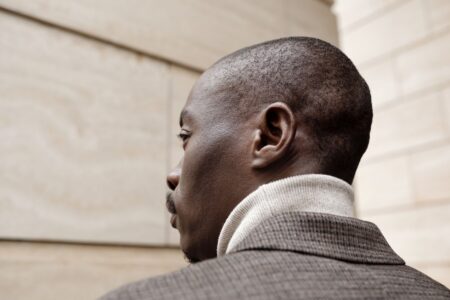
In traditional equestrian practice, the browband plait runs horizontally across the hairline from temple to temple, sitting just above the ears. It is usually tight, flat, and uniform – a French braid variant that prioritizes grip over decoration. The defining characteristic is its lateral orientation, which makes it visually distinct from vertical plaits or crown braids. That horizontal axis is exactly what makes it interesting as a jewellery base: it follows the same line as a tiara, a headband, or an ear cuff run across the skull.
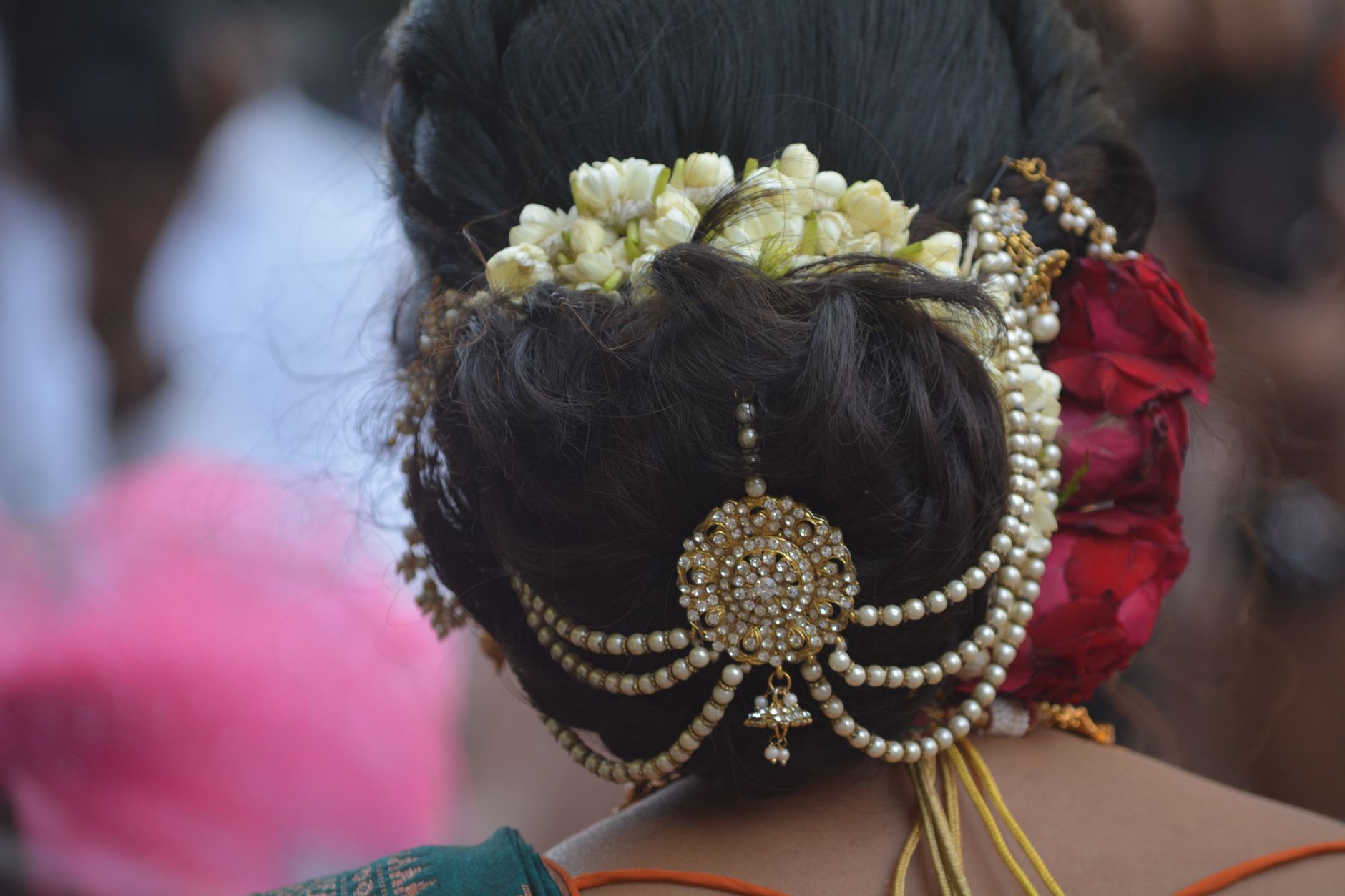
Hair stylists working in editorial and bridal contexts have started treating that axis as a foundation layer. Instead of letting the braid sit flat against the scalp, they are lifting sections, creating open lattice-work within the plait, and threading metallic cord or fine chain through the gaps before finishing. The result holds the structural memory of the original technique while adding dimension that catches light the way fabric with woven-in thread does. It reads as jewellery at a distance and reveals itself as hair up close.
Where the Technique Meets the Trend
The timing connects to something happening in accessories broadly. Sculptural hair pieces – rigid hair combs, architectural clips, chandelier pins – have been building momentum for several seasons. The move toward treating the head as a serious accessory zone rather than an afterthought has made clients and stylists more willing to commit time and budget to hair that functions as an object.
Browband plaiting slots naturally into that appetite because it requires the same deliberate attention as placing a piece of jewellery. It takes time. It has visible craft. And unlike a clip or comb that can shift or fall, a plait woven with hardware is anchored to the hair itself, which means it moves with the person instead of against them. That stability has made it particularly attractive for occasions where the look needs to hold for hours.
The materials being introduced into the plaits follow the same logic as fine jewellery. Thin gold wire is the most common addition – it integrates without adding significant weight and oxidizes slowly enough to stay bright throughout an event. Some stylists are using freshwater pearls threaded on invisible elastic and knotted between braid crossings, which creates the appearance of pearls embedded in the hair rather than draped across it. A small number of editorial looks have gone further, incorporating raw gemstone chips or hand-hammered metal shapes as focal points within the braid’s structure.
The colour story matters as much as the material. Against dark hair, gold wire reads as a sharp graphic detail. Against lighter or silver hair, the wire nearly disappears, leaving only the shadow and texture of the braid itself. That adaptability makes the technique usable across a wider range of clients than a single-finish accessory, and it gives stylists room to calibrate how visible the hardware reads depending on the setting.
Bridal and Editorial as the Testing Ground
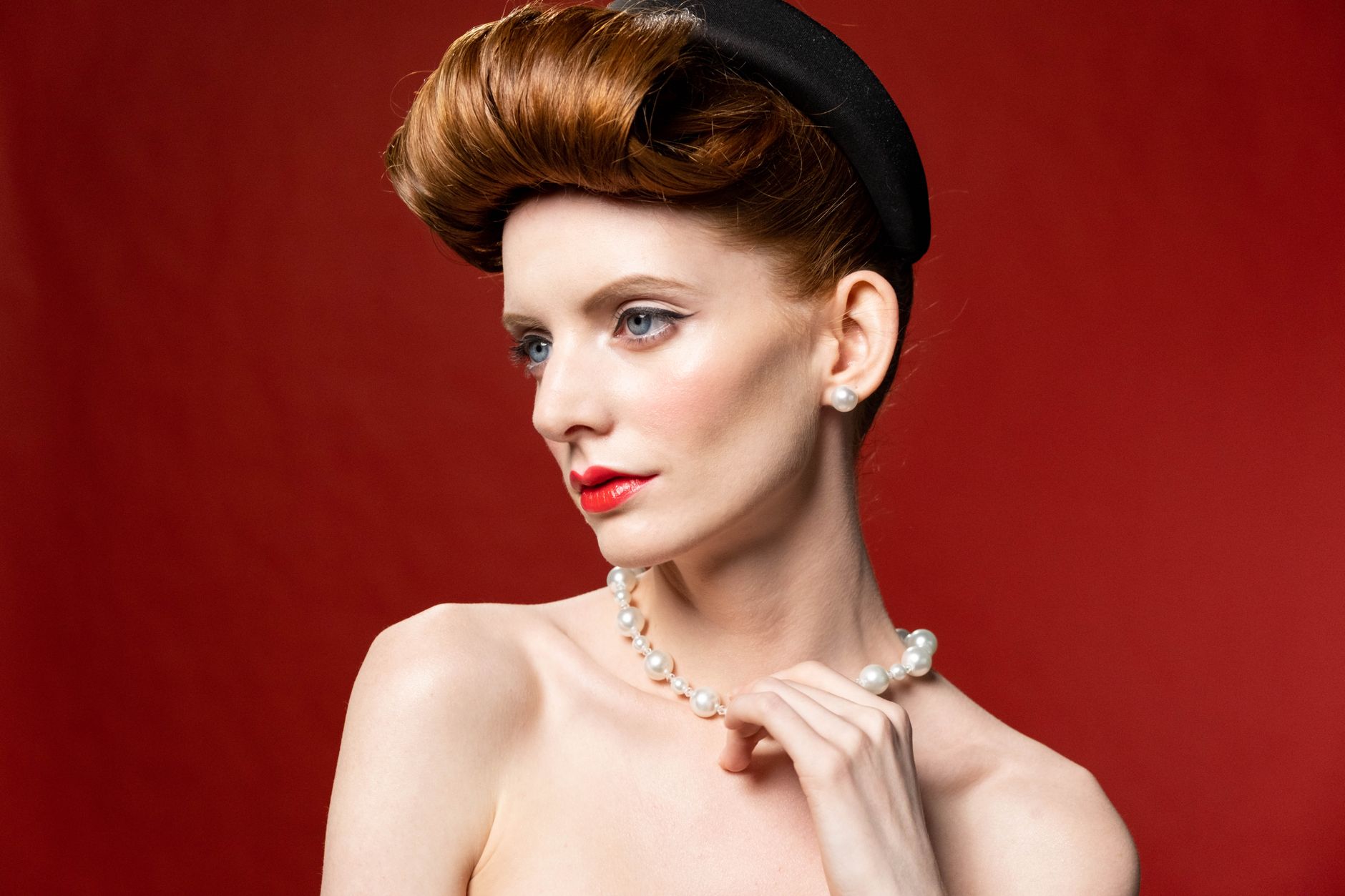
Bridal styling has absorbed this direction faster than almost any other context, which makes sense given that bridal clients are already primed to consider hair as part of the overall jewellery story. A browband plait set with pearls or gold thread sits alongside earrings and a necklace rather than competing with them, and it resolves the perennial bridal question of whether to wear a veil, a crown, or nothing at all. The plait offers a middle register – more intentional than leaving hair unadorned, less formal than a headpiece.
Editorial work is where the technique gets pushed to its structural limits. Runway and magazine shoots have produced versions where the browband plait is built up into relief, almost like repousse metalwork, with sections lifted off the scalp and held by pin structures underneath. At that scale, the piece stops being wearable in any conventional sense and functions more as a proof of concept – a demonstration that the plait’s geometry can carry weight, height, and complexity far beyond what polo field practicality ever demanded.
The Craft Question
Not every stylist is equipped to execute this well. The browband plait requires a clean, even tension from the first crossing, because any irregularity in the braid base becomes more visible once metallic elements are added. The hardware integration happens during the plaiting itself, not after the fact, which means the stylist needs to plan the placement before starting and cannot easily correct errors mid-process. It is a technique that rewards practice over improvisation.
Training has started to appear in specialist workshops aimed at bridal and event stylists. The skill set borrows from both braiding technique and jewellery construction – the understanding of how wire behaves when bent repeatedly, how to secure beads without creating pressure points on the scalp, and how to finish a hardware-threaded braid so the ends do not snag on fabric. That crossover between craft disciplines is part of what makes the result look different from anything a standard hair course would produce.
The price point for a finished browband plait with hardware reflects that skill gap. Stylists who have developed the technique are quoting it separately from a full bridal look, treating it as a specialty service the way extensions or keratin treatments are priced outside a standard service menu. The hardware materials themselves are generally inexpensive relative to the labour involved, which puts the real cost in the hands and the time of the person doing the work – a dynamic that applies to most fine jewellery as well. Whether clients outside bridal will pay for that time in a salon context, where the expectations around appointment length and service pricing are set differently, is still an open question.
Frequently Asked Questions
What is a browband plait?
A browband plait is a horizontal braid running temple to temple across the hairline, traditionally used in equestrian sport to keep hair secure under a riding helmet.
How is hardware added to a browband plait?
Gold wire, pearls, or gemstone chips are threaded through the braid during the plaiting process itself, not added after, which requires planning placement before the stylist begins.