

The Cravat Makes Its Move
The polo club cravat has always occupied a specific corner of menswear history – associated with country estates, equestrian afternoon events, and a kind of leisure that felt deliberately removed from everyday dressing. But something has shifted in how designers and stylists are treating this particular accessory. Rather than keeping it locked inside heritage costume territory, a growing number of tailoring drops are pulling the cravat into contemporary suiting contexts where the rules around formality are looser, the silhouettes are wider, and the overall mood is studied nonchalance rather than stiff tradition.
What makes this moment different from the occasional throwback styling seen on editorial shoots is the consistency of the placement. The cravat is appearing not as a costume note but as an actual alternative to the necktie – tucked into single-button blazers, folded softly inside open-collared shirts worn under unstructured suits, or left deliberately loose against the chest with only a waistcoat holding the look together.
It works because the fabric choices have changed.
How the Knot Got Relaxed
Traditional polo cravats leaned on heavy silk, often in bold equestrian prints – crossing mallets, horse heads, heraldic crests. The newer iterations arriving in suiting drops are working with lighter, more pliable materials: washed silk, linen blends, even soft cotton voile. The lighter weight allows the cravat to sit against the chest without creating visual bulk, which was always the central styling problem when heavier versions got paired with modern suiting. A dense silk cravat against a slim-cut suit jacket reads as costume. The same silhouette in washed linen reads as considered.
The knotting style itself has also loosened. The classic ascot fold – centered, symmetrical, almost architectural in its precision – has given way to something more approximate. One side slightly longer than the other. The fold slightly off-center. Fabric tucked rather than pinned. This casual approach to construction is exactly what connects the accessory to the current tailoring mood, where suits are cut with more room, shoulders are left soft, and the overall effect aims for ease rather than authority. The cravat, worn this way, becomes less a statement of status and more a texture choice within a carefully assembled outfit.
Suiting drops leaning into this tend to style the cravat against earth tones – caramel blazers, off-white trousers, warm olive separates. The neutral ground lets the accessory carry the print or color without fighting everything else in the look. A cravat in a muted burgundy stripe against a sand-colored suit is a very different proposition from the same piece worn against a charcoal pinstripe, where it would immediately read as costume drama rather than modern dressing.
Where the Suiting Context Matters
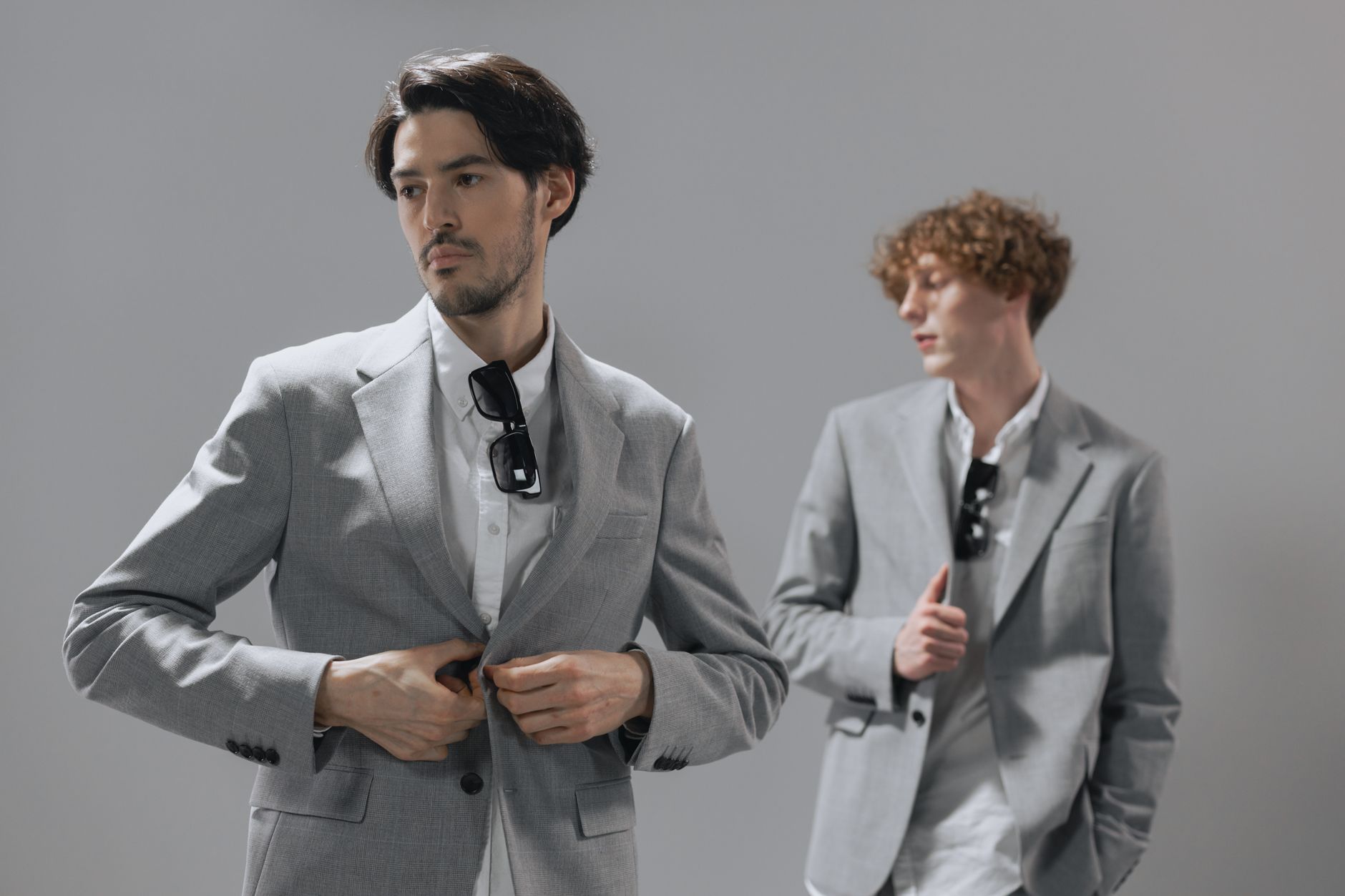
The specific suiting silhouette doing the most work here is the relaxed two-piece: slightly dropped shoulder, a single-button front, trousers with a high waist and clean break at the ankle. This shape has been cycling through menswear collections for a few seasons now, and it happens to provide the ideal structural frame for the cravat. The open collar created by a single-button jacket with no tie gives the cravat room to be visible without being crowded. It fills the chest without the neck constriction of a traditional necktie, which is part of why it’s appealing to dressers who want the visual complexity of a layered look without the physical formality that usually comes with it.
The polo club reference point matters more than it might initially seem. The polo aesthetic carries a particular set of cultural associations – old money, outdoor elegance, a certain Anglophone confidence in dressing that never looks like it’s trying too hard. Pulling that reference into modern suiting drops allows brands to access that language without committing to full heritage costuming. The cravat is a single piece, portable enough to lift a look without demanding the rest of the outfit reorganize itself around equestrian tradition. This is also why the polo club cricket sweater has found similar traction in off-duty tailoring – both pieces carry the aesthetic shorthand without requiring total commitment to the source world.
The styling also opens up differently depending on layering. A cravat under a waistcoat worn without a jacket has a very different register from the same piece under an open blazer. Under a waistcoat, the polo reference is front and center, and the look leans into the heritage reading intentionally. Under an open blazer with no additional structure, the cravat becomes more of a neckwear detail that happens to have an interesting shape, rather than a direct reference to any particular tradition. That flexibility is what’s driving its presence across drops that aren’t explicitly positioned as heritage collections.
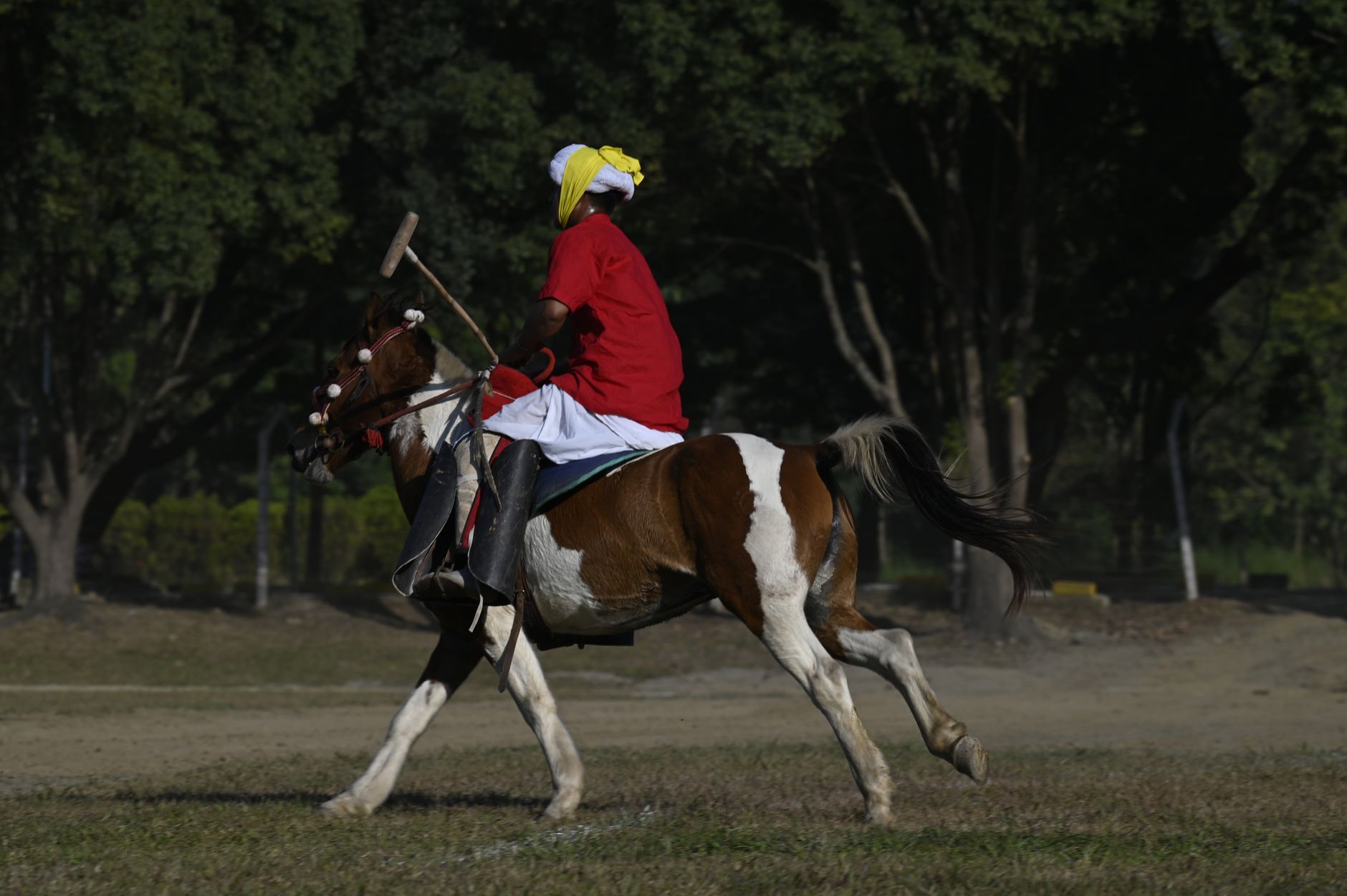
The real question hovering over this trend is whether it can survive styling outside of controlled editorial and lookbook contexts – because the cravat’s margin for error is narrow. Worn with the right proportions and the right looseness, it reads sharp. Worn slightly too formally, slightly too precisely knotted, or against the wrong suit weight, it tips immediately into fancy dress territory, and that line is much less forgiving than anything a necktie or open collar would ask of you.
Frequently Asked Questions
How do you wear a polo cravat with a modern suit?
Fold it loosely and slightly off-center inside an open-collared shirt under a single-button blazer. Avoid symmetrical, architectural knotting – the relaxed fold is what keeps it from reading as costume.
What fabrics work best for a cravat in a suiting context?
Washed silk, linen blends, and soft cotton voile all work better than heavy traditional silk, which creates too much bulk against modern suiting silhouettes.