


The crupper dock loop – a small, functional ring found on polo tack designed to anchor a horse’s tail strap – has almost nothing to do with fashion on paper. In practice, it has become a quiet obsession for a specific set of accessories designers who are borrowing its proportional logic to rethink how belts sit, arch, and terminate at the body.
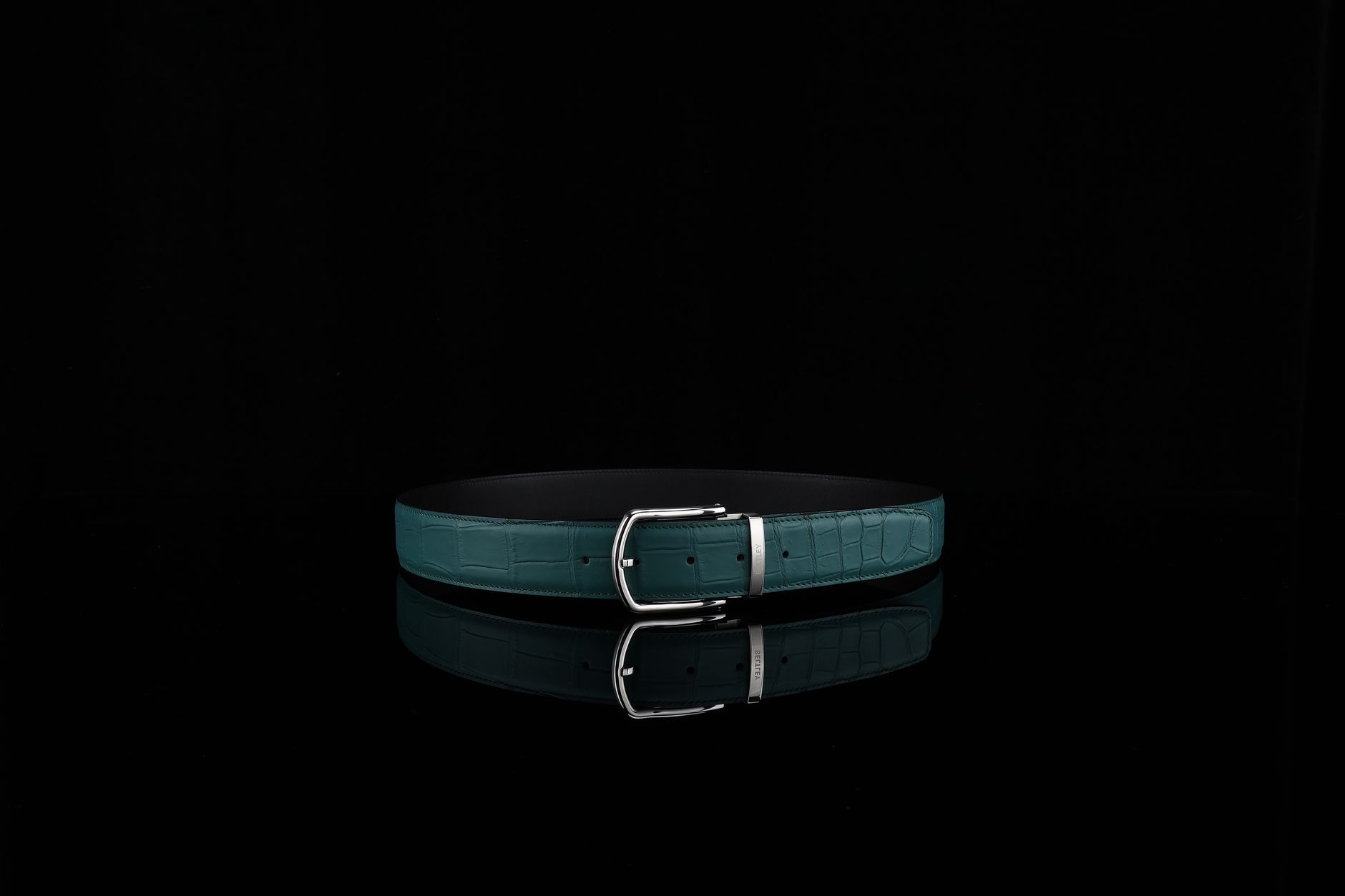
Where Equestrian Hardware Meets the Minimalist Belt
The crupper dock loop’s defining characteristic is restraint. It is a fixed, often D-shaped or oval ring that does one job – hold tension at a precise point – without decorative ambition. That functional purity is exactly what makes it useful as a design reference. Minimalist belt designers working in the arch silhouette category have started incorporating loops with identical proportional geometry: narrow gauge, tight curvature, and a clean weld or stitch point that leaves no excess material.
The arch belt itself is not new. Structured belts that bow slightly away from the body at the front panel, creating a gentle curved lift rather than lying flat, have circulated through accessories collections for several seasons. What changes with the crupper dock influence is where the loop hardware sits and how it reads visually. Traditionally, belt loops and hardware are centered on function – they hold a buckle, thread a strap, or anchor a slider. The dock loop placement logic pulls hardware toward the lateral edge of the belt, closer to the hip point, which shortens the visual arc and draws the eye along the curve rather than straight across.
This is a structural shift with aesthetic consequences. When the anchoring point moves laterally, the arch of the belt reads tighter and more intentional. The waist appears more defined without aggressive boning or rigid interfacing. A growing number of accessories labels working in vegetable-tanned leather and matte-finish hardware have started testing this placement in small production runs, and the result is a belt that looks almost architectural – something between a body corset and a saddle component.
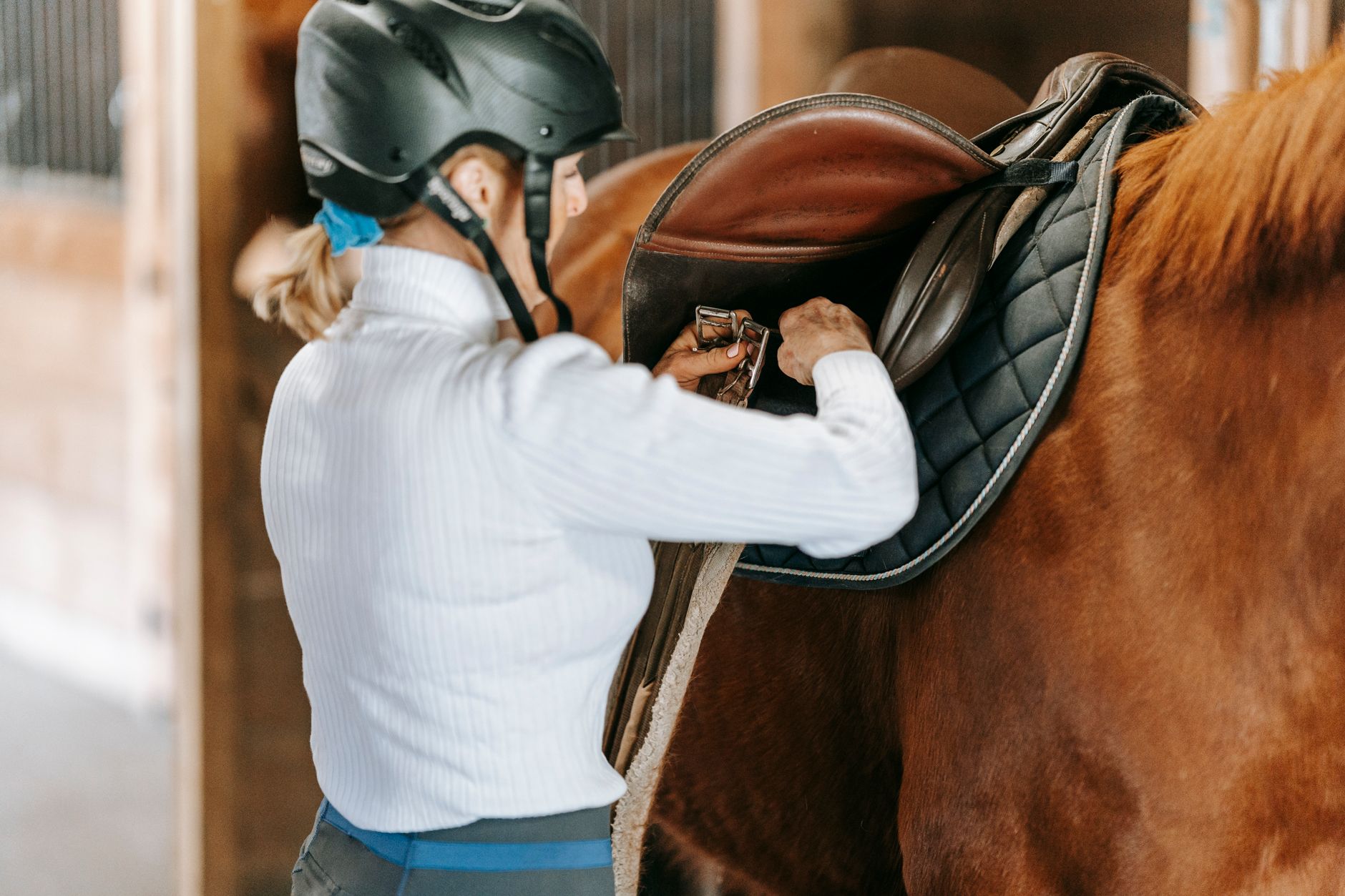
The polo context matters more than it might seem. Polo tack is engineered for movement under pressure, which means every hardware piece is designed to hold its geometry even when force is applied at an angle. That engineering logic translates directly into how a dock-loop-influenced belt behaves when worn. The loop does not migrate or distort the leather around it. It holds its position, which keeps the arch shape consistent throughout the day – something that standard center-bar buckle systems struggle to maintain on softer leather constructions.
How the Arch Silhouette Gets Its Shape
Understanding the arch belt’s appeal requires thinking about how the human torso is read in profile. A flat belt bisects the waist horizontally and creates a clean, understated line. An arched belt does something more complex – it follows the natural forward curve of the lower rib cage and upper hip, which means it appears to float rather than clamp. The effect is body-conscious without being restrictive, structured without being stiff. This is why the silhouette has attracted designers working in the minimalist tradition: it does a lot of visual work with almost no ornamentation.
The crupper dock loop contributes to this effect by solving a persistent technical problem with arched belt construction. When a belt curves away from the body at its front panel, the leather on the inside of the curve compresses slightly and the leather on the outside stretches. Over time, this stress can cause the belt to warp or lose its arch. The dock loop, placed at the point of maximum lateral tension, acts as a tension anchor – it stabilizes the leather on both sides of the curve without requiring the full internal boning structure that corset-adjacent belts typically need. Designers working on structured welt seam techniques will recognize this logic immediately: the stitch or hardware at the edge point is doing more structural work than it appears to.
Material choice amplifies the effect considerably. The dock loop’s visual language – minimal, almost industrial, with a smooth finish and no decorative engraving – reads cleanly against vegetable-tanned leather in natural or undyed tones, against matte black, and against the slightly waxy surface of bridle leather. These are the same materials that dominate the current minimalist accessories conversation. The hardware and the leather end up in a dialogue that looks considered rather than decorative, which aligns with the broader appetite for pieces that feel engineered rather than embellished.
Placement variation is where individual designers are finding their own expression within this reference. Some position the dock loop flush with the belt’s lateral edge, making it almost invisible from the front. Others allow the loop to sit just proud of the edge, creating a small shadow line that reads as a deliberate detail when the belt is worn with a tucked shirt or a bodysuit. A few are working with pairs of loops – one on each hip point – which creates a symmetrical frame for the arch and gives the belt a faintly harness-like quality without crossing into overt fetish-wear territory.
The buckle system itself often stays completely conventional in these designs. A simple bar buckle or a single-prong center-bar in the same matte finish as the loop. This restraint is intentional. The dock loop is not meant to be the focal point – it is a supporting structural element that makes the focal point (the arch itself, the clean leather surface, the waist definition) work better. When designers resist the temptation to add more hardware, the loop reads as a sign of technical confidence rather than decorative timidity.
What Comes Next for the Arch Belt Conversation

The crupper dock loop’s influence is still operating at the margins of the accessories market – in small-batch leather goods studios, in equestrian-adjacent brands expanding their lifestyle range, and in a handful of ready-to-wear labels whose accessories directors have equestrian backgrounds. It has not crossed into mass production yet, which means the design language is still coherent and specific. Once a reference this niche gets scaled up and simplified, it tends to lose the technical precision that made it interesting in the first place.
The more pressing question for designers working in this space is whether the arch belt, as a silhouette, has enough runway to justify the structural investment the dock loop approach requires. A conventionally constructed belt takes minutes to cut and finish. A properly arched belt with lateral tension anchoring takes considerably longer and demands more precise leather selection. The margin between a belt that holds its arch beautifully and one that slowly collapses into a flat strap is narrow – and it lives almost entirely in the quality of that small loop placement.