

Where Sport Gear Meets Street Tailoring
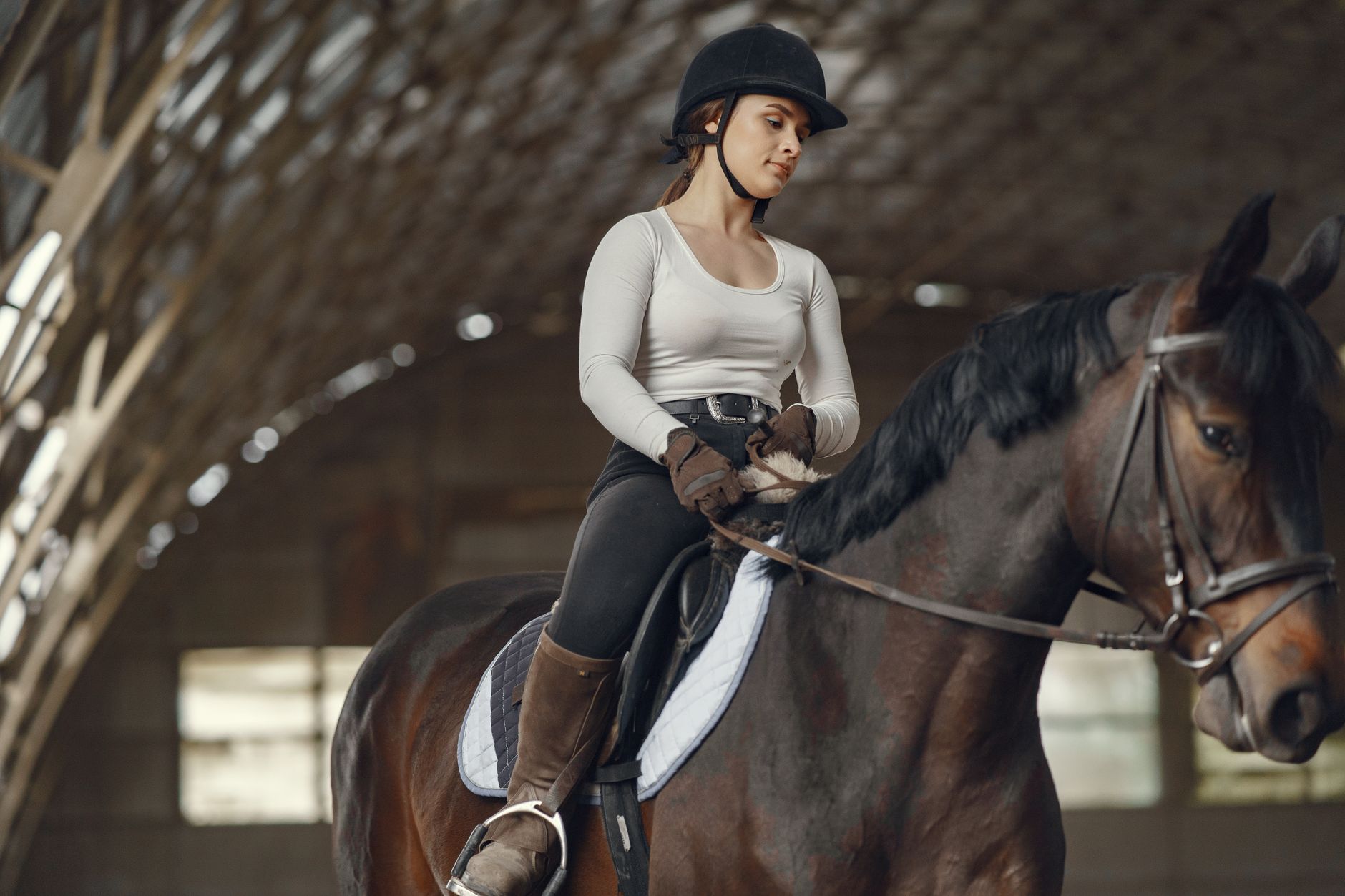
Polo knee pads were never meant to be fashionable. Strapped over riding breeches and worn through chukkas of hard-contact sport, they exist to protect, absorb impact, and take abuse from leather mallets and dirt. That’s precisely why designers are obsessed with them right now. The gap between protective sporting equipment and considered fashion has narrowed considerably over the past few seasons, and knee pads – long confined to the polo field and the skate park – are becoming a structural reference point for a new generation of trouser silhouettes.
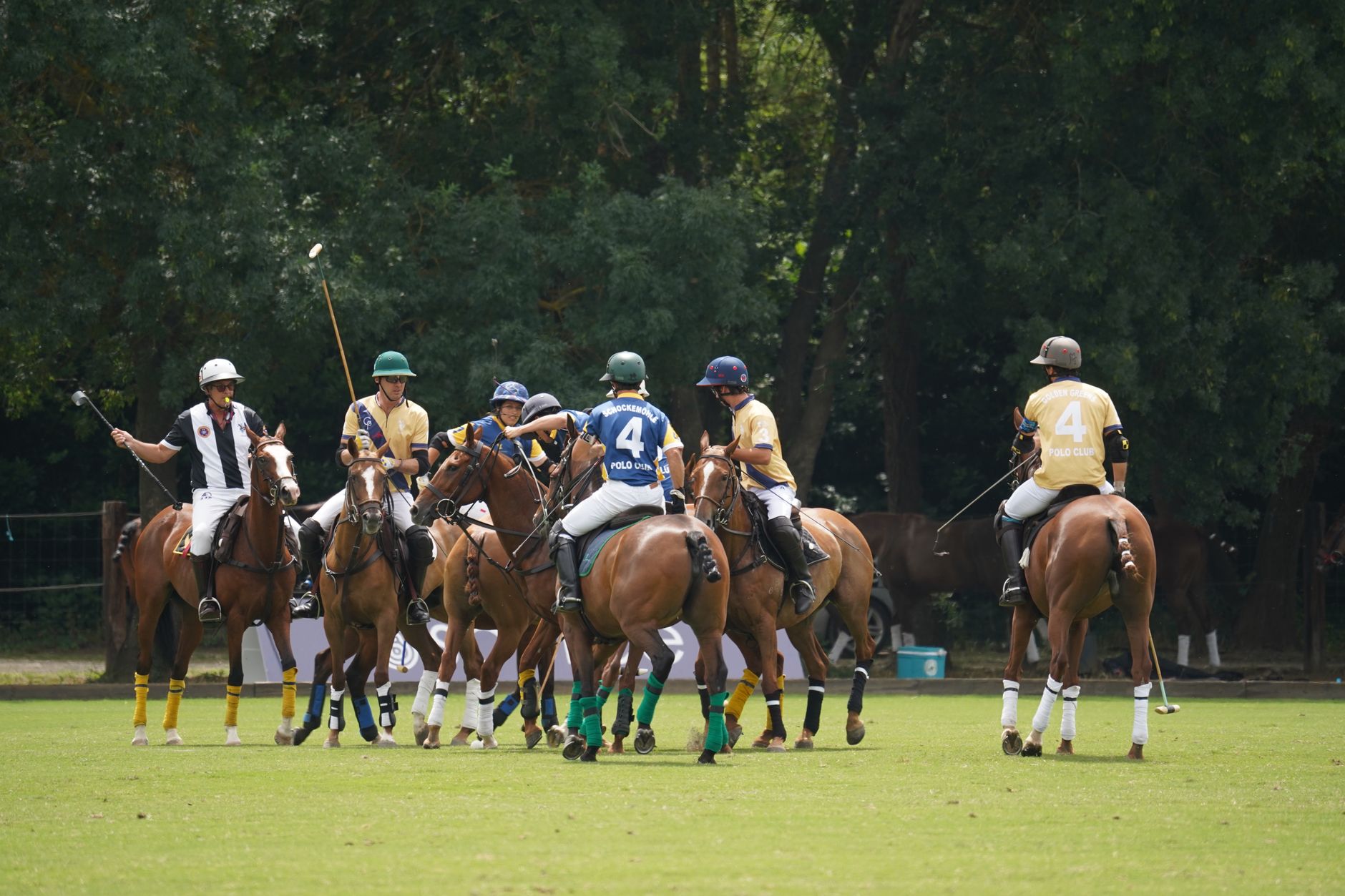
The specific aesthetic pull comes from polo club gear in particular, not the skateboard variety or the construction site variety. Polo knee protection carries a distinct visual language: molded panels, horizontal strap closures, contrast stitching against pale or neutral base fabric. It reads as both aristocratic and utilitarian, which is an unusual combination that fashion consistently finds irresistible.
This is workwear vocabulary filtered through equestrian heritage, and it is landing on some of the most forward-leaning trouser designs currently circulating in concept stores and runway previews.
The Structural Logic Behind the Trend
What makes polo knee pad detailing work as a fashion gesture is that it doesn’t sit on top of the garment as decoration – it is built into the construction. Designers working in this territory are integrating paneled sections at the knee, often in a contrasting fabric weight, to suggest protection and padding without the bulk of actual athletic gear. The result is a trouser that reads as purposeful. Every seam has a reason. Every panel has a history.
The silhouettes appearing most frequently pair a relaxed or wide-leg cut through the thigh with a visibly reinforced knee section, sometimes featuring horizontal seaming, press-stud tabs, or a slightly stiffer fabrication at the joint. In heavier iterations, quilted panels appear at the knee – referencing the padded strapping of real polo protection while landing somewhere between a technical outdoor trouser and a structured luxury piece. The palette tends toward cream, stone, olive, and deep navy: colours borrowed from the polo wardrobe itself rather than from sportswear conventions.
There is also a gender fluidity to how this detail is being adopted. Menswear-coded construction elements – reinforced knees, utilitarian tabs, functional-looking paneling – are appearing across womenswear lines without being softened or feminized. The knee pad reference is landing as-is, carried by the credibility of its sporting origin rather than adjusted for any particular market.
How the Polo Field Became a Design Archive
Polo club aesthetics have been quietly feeding fashion for a while. Polo club cricket sweaters have already made their way into off-duty tailoring, bringing that same collision of English countryside formality and genuine athletic function into everyday dressing. The knee pad moment follows a similar logic: take something designed for performance under pressure, strip it slightly of context, and reframe it as a considered design choice.
What polo gear specifically offers that other sporting references don’t is its class coding. It arrives pre-loaded with associations: manicured grounds, riders in white breeches, the kind of club membership that requires a waiting list. When that visual language gets pushed into accessible or ready-to-wear territory, the contrast does a lot of work. A trouser with molded knee paneling in a technical fabric doesn’t just look functional – it looks like it belongs to a world with its own rigorous dress code, which is exactly the kind of aspirational specificity that drives fashion interest.
The trend is also connecting with a wider appetite for garments that look like they have been designed for something, even if the wearer never does that thing. Hiking trousers worn through offices, sailing jackets worn through airports – the logic is consistent. Polo knee pad detailing adds to this vocabulary a note of old-money sport rather than high-altitude adventure, which gives it a distinctly different social register to play with.
Where the Silhouette Is Heading
The most interesting question around polo knee pad detailing isn’t whether it will spread further – it will – but how far the construction logic can be pushed before the garment becomes costume rather than clothing. Right now, the details read as subtle enough to function in everyday contexts: a reinforced knee panel in a matching fabric barely registers as a reference at all. Once the strap hardware becomes visible, once the contrast panels get bolder, the trouser starts announcing itself as a statement. That line between considered and theatrical is where this trend will either settle into the mainstream or burn out as a niche design gesture. For now, it is sitting in the most interesting place: legible enough to intrigue, restrained enough to wear.