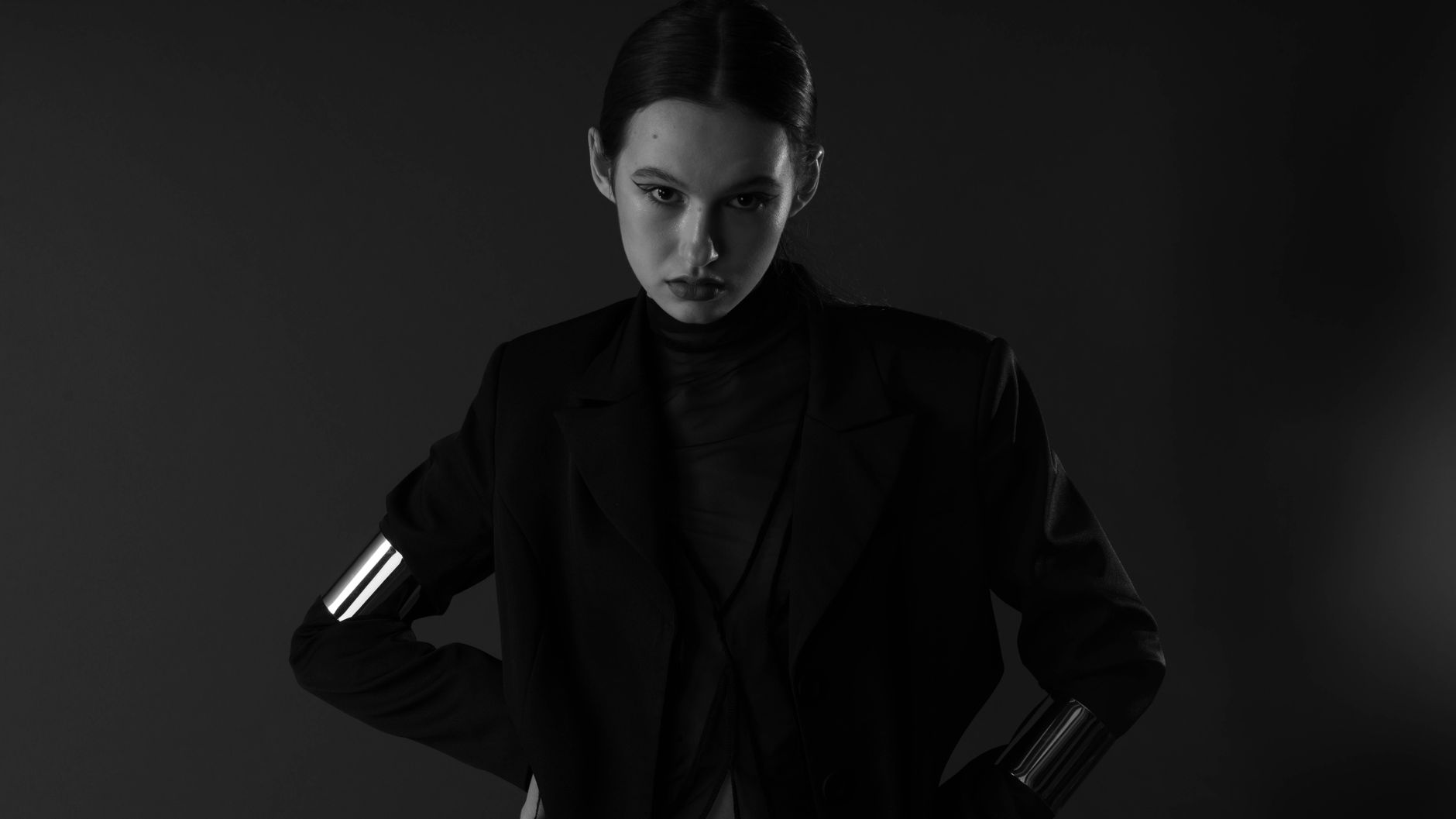


Welt seams have been a technical detail for decades – present on tailoring, riding jackets, and workwear – but their current appearance on structured midi skirts signals something more deliberate. The polo club saddle flap silhouette, with its pronounced horizontal seaming and layered panel construction, is moving from equestrian heritage into everyday suiting and occasion wear, and the crossover feels genuinely earned rather than trend-chased.
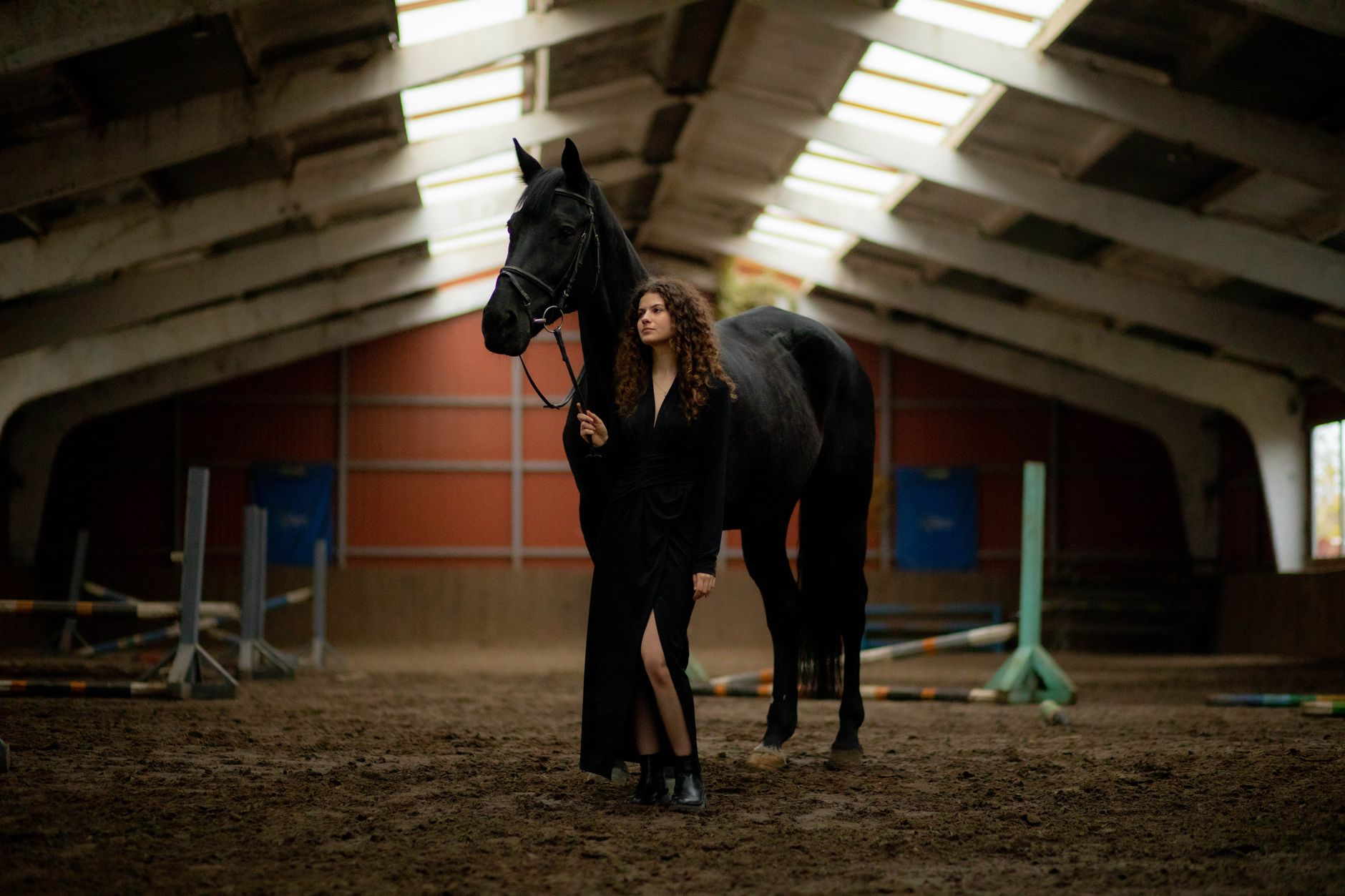
Where the Saddle Flap Detail Comes From
The saddle flap is a functional element from equestrian dress. On riding breeches and polo jodhpurs, the flap reinforces the inner leg panel, protecting the rider from saddle friction while giving the garment a clean, finished edge. The welt seam – a seam finished with a sewn strip of fabric on the outside rather than tucked away inside – runs along the flap’s perimeter, creating a raised, visible ridge that defines the panel boundary. Both details exist because they work mechanically, not because they were designed for aesthetics.
That functional origin is exactly what makes the translation to skirt construction interesting. When a designer pulls the saddle flap logic – a distinct horizontal panel sitting below the waistband, separated from the main skirt body by a welt seam – they are borrowing a structural grammar that already has a visual vocabulary built around it. The seam reads as intentional, not decorative. The panel reads as reinforced, not ruffled. There is nothing soft or approximate about the silhouette it produces.
The midi length matters here too. Knee-length skirts absorb seaming details differently because the eye moves quickly across shorter hemlines. At midi length, the eye has more surface to read, which means architectural details like welt seams register as design choices rather than incidental construction. The saddle flap placement – sitting roughly at hip level, with the welt seam running front to back – divides the skirt body in a way that echoes the proportions of a well-cut riding coat.
The historical reference point is specific enough to give the trend real visual authority. Polo club dress has long operated in a register somewhere between formal sport and casual prestige – the kind of wardrobe that implies access and athleticism without being flashy about either. Bringing that reference into structured midi dressing pulls the silhouette toward that same register: composed, slightly aloof, not trying particularly hard.
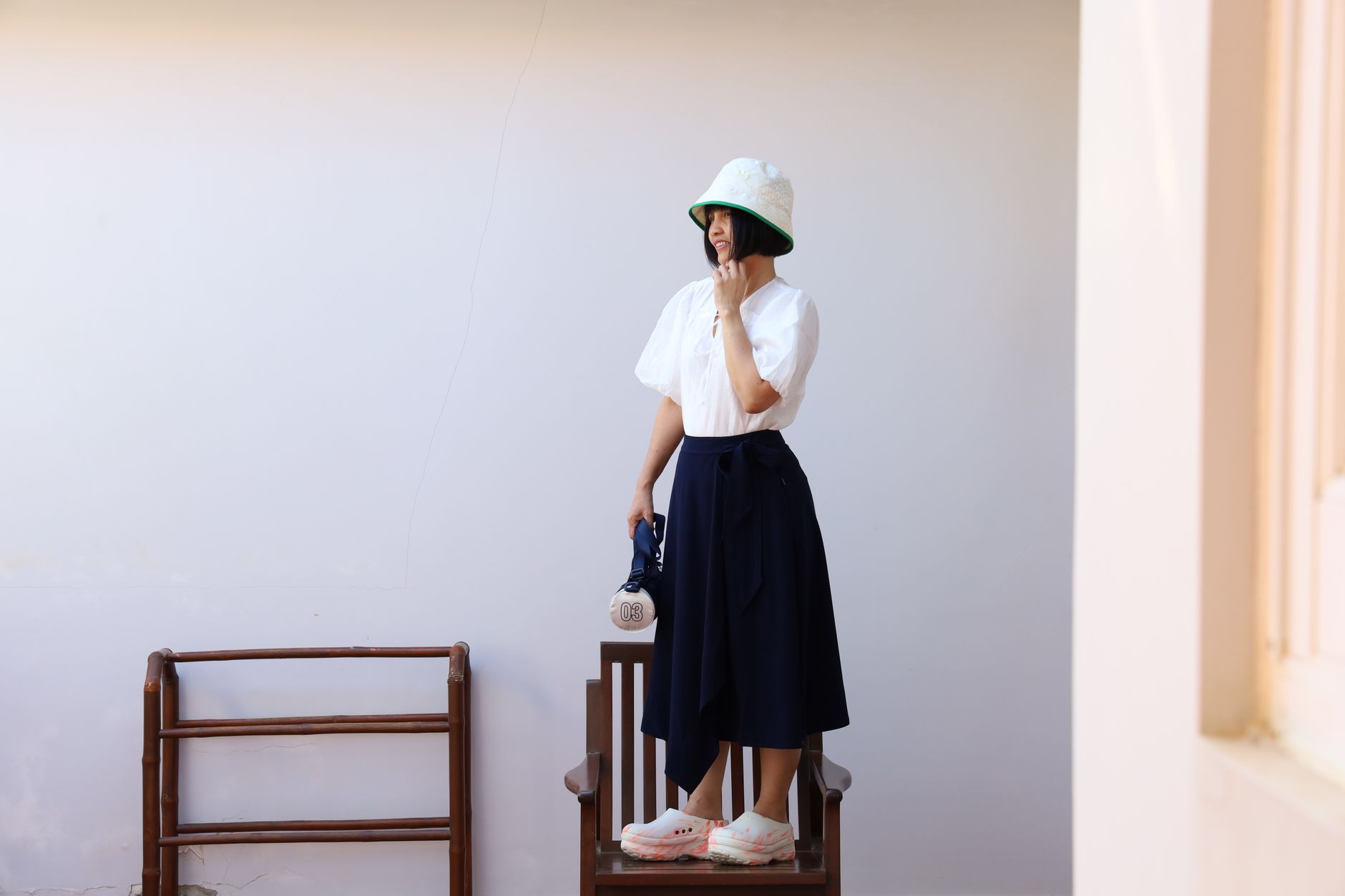
How the Construction Actually Changes the Silhouette
The welt seam is doing significant structural work in these skirts. Because it sits on the outside of the garment, it adds a layer of fabric to the seam line, which creates a subtle ridge. On a structured fabric – a heavy crepe, a bonded wool, a stiff cotton twill – that ridge holds its shape through the day without needing interfacing or boning to support it. The skirt maintains its architecture through the weight of its own construction.
This distinguishes the trend from the wave of pleated midi skirts that dominated recent seasons. Pleating creates structure through volume – extra fabric is folded into the waistband, generating fullness and movement. Welt seam construction creates structure through tension and weight, without adding volume. The result is a skirt that sits close to the body through the hip and upper thigh while still carrying clear graphic definition on the surface. It reads as both fitted and architectural, which is a technically difficult combination to achieve.
The saddle flap panel itself typically sits as a separate piece stitched onto the skirt body at the welt seam line rather than cut as part of the main pattern. This means the panel can be cut in the same fabric as the skirt for a tonal, textural effect, or in a contrasting material – a leather flap on a wool body, a satin flap on a matte crepe – for a more overt visual contrast. Both versions are appearing in current collections, though the tonal approach tends to read as more directional and less costume-adjacent.
Fabric choice is the variable that most determines whether the detail reads as fashion or equestrian cosplay. On a stiff English wool or a structured ponte, the welt seam becomes part of the garment’s overall architectural language. On something lighter or shinier, the detail can tip into novelty. The strongest executions are happening in neutral and earth-toned heavyweights – camel, tobacco, forest green, slate – where the seaming has room to read without competing against color or sheen.
Styling is leaner than the silhouette might suggest. The skirt’s structure means it carries an outfit on its own; over-dressing around it tends to flatten the detail rather than complement it. A close-fitting ribbed knit, a simple tucked button-down, or a cropped blazer all work because they let the skirt’s seaming remain the visual anchor. Footwear is landing at two poles – either a clean block-heel boot that extends the equestrian reference, or a flat loafer that grounds it in something more everyday.
The Broader Shift in Structured Midi Dressing
Structured midi hemlines have been building for several seasons, but the construction details driving that structure have been evolving. Early iterations leaned on stiff fabrics and A-line cuts to create shape; more recent versions are turning to internal architecture – boning, horsehair hem tape, heavy interfacing – to produce the same effect with more control. The saddle flap welt seam skirt sits in a third category: garments that achieve structure through seam construction and panel layering rather than through hidden support or extreme fabric weight. That approach tends to produce pieces that feel more wearable across different body proportions because the structure is distributed across the garment surface rather than concentrated at the hem or waistband.
The question now is whether the detail scales beyond the collections where it first appeared. Welt seaming is technically demanding and adds cost to production, which typically limits how quickly a construction detail filters from directional pieces into broader availability. A simpler skirt can fake a saddle flap panel with topstitching, and some brands are already doing that – a flat seam dressed up with double-needle stitching to approximate the ridge a true welt seam produces. Whether that shortcut satisfies the same eye that is drawn to the real construction detail is, at this point, genuinely unclear.