

When Equestrian Hardware Meets High Fashion
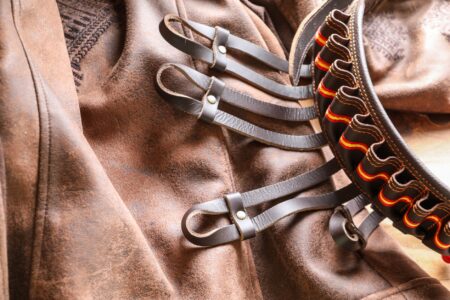
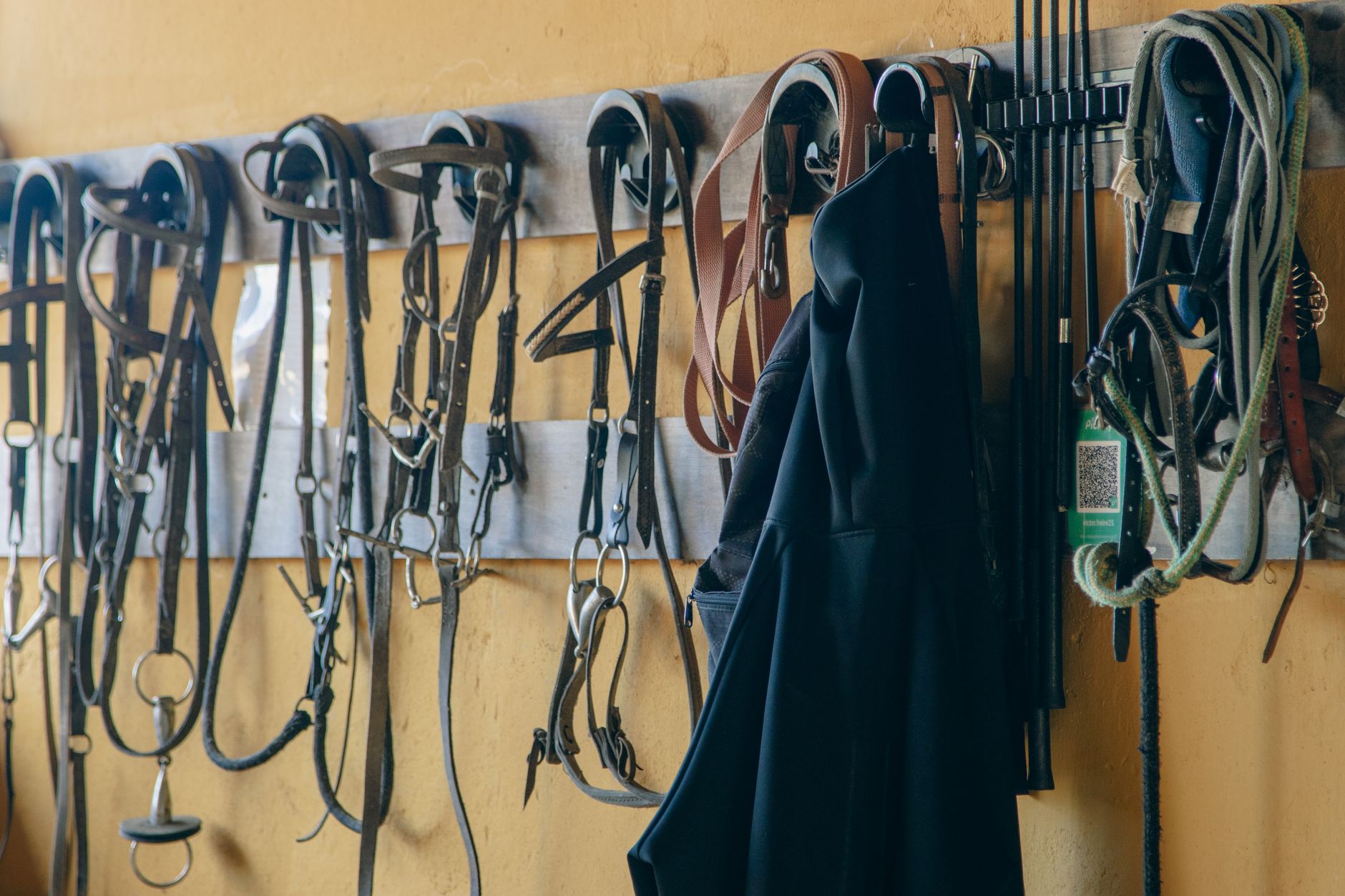
The saddle girth billet hook – a small, load-bearing slot cut into leather strapping to anchor a horse’s girth buckle – has spent well over a century doing purely functional work in polo clubs and riding stables. It holds tension. It distributes pressure. It keeps a saddle from sliding. Nobody designing accessories in 2024 was supposed to be thinking about it. And yet, structured belt tabs on ready-to-wear and luxury accessories are starting to carry its exact geometry: a narrow rectangular slot, reinforced at the edges, positioned with deliberate offset spacing along a stiff leather or canvas base.
This is not a coincidence engineered by a single brand.
What is happening instead is something more diffuse and more interesting – a category of designers working independently who have landed on equestrian hardware as a source language for structured accessories. The billet hook slot, specifically, offers something that conventional belt tab construction does not: an inherently architectural profile. Where standard belt tabs are punched or stitched as afterthoughts on a waistband, the billet-influenced tab carries visible structure, edge reinforcement, and a slot geometry that reads as intentional even before a belt is threaded through it.
The Geometry That Is Doing the Work
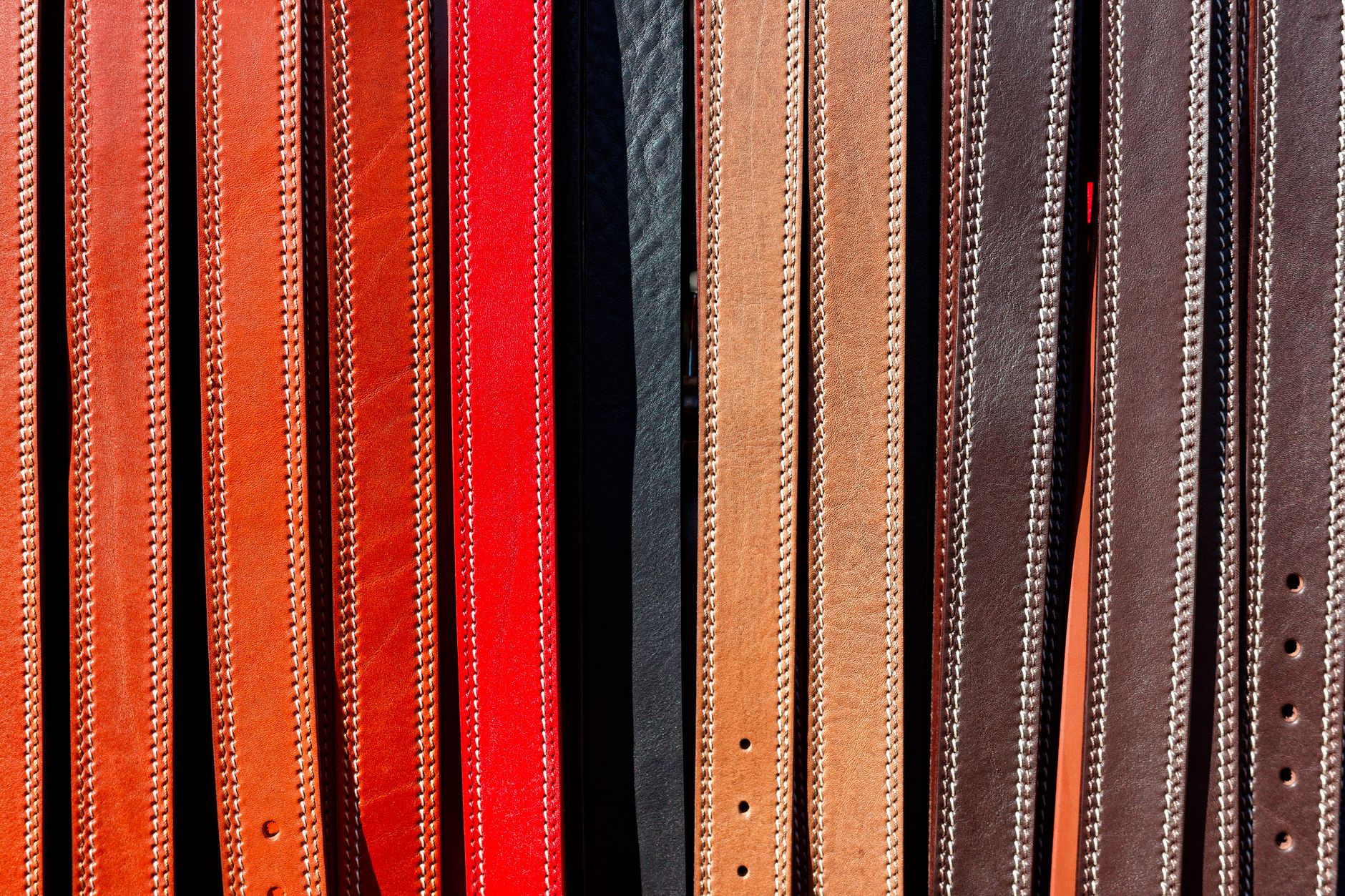
To understand why this particular equestrian detail is migrating into fashion, it helps to look at what a billet hook slot actually does to the surface it occupies. In saddlery, the slot is cut clean through a layered leather panel, with the edges either burnished or bound to prevent fraying under repeated stress. That edge treatment creates a visible border around the slot – a frame within a frame – that communicates durability before anything is buckled into it. On a fashion belt tab, that same visual logic produces something that feels more considered than a standard loop or tunnel construction.
Designers working in structured leather goods have noted that consumers increasingly read hardware details as signals of construction quality. A billet-style slot, with its bordered geometry and stiff surrounding panel, satisfies that read even on pieces that are not under any real mechanical stress. The slot becomes decorative through the same process that made rivets and grommets decorative – by borrowing the visual authority of a functional original.
The spacing of multiple slots along a tab also carries equestrian logic. In saddle fitting, billet straps are positioned with precise offset intervals to allow micro-adjustment. When that spacing pattern transfers to a belt tab with two or three slots arranged vertically rather than a single centered opening, the result is a tab that looks like it was designed with adjustability and longevity in mind – regardless of whether both slots are ever actually used.
Where the Trend Is Landing
The clearest expression of this direction is appearing in structured trouser waistbands and wide leather belts positioned as statement accessories rather than functional closures. Waistbands on tailored trousers – particularly in heavier wool blends and coated canvas constructions – are picking up billet-style tabs at the side seams and center back, positions borrowed directly from riding breeches construction. The tabs on these pieces are stiffer than conventional waistband loops, often interlined or backed with a secondary leather layer, and the slot edges are finished with binding tape or edge paint in a contrasting tone.
Wide statement belts are running a parallel track. Where a conventional wide belt might close with a prong buckle through a standard series of punched holes, billet-influenced versions are incorporating the slotted tab as the closure point itself – the buckle anchors to a fixed bar, and the tab with its billet slots slides over the bar tongue, echoing the actual mechanics of girth attachment. The silhouette this produces is flatter and more graphic than a traditional prong-and-hole closure because the slot distributes the visual weight of the fastening across a wider panel.
Outerwear is picking this up as well, specifically on belted coats where the half-belt or back belt passes through tabs at the side seams. When those tabs are constructed with billet slot geometry – rigid, bordered, offset – they read as architectural details rather than simply functional loops. That is exactly the kind of subtle elevation that moves a coat from commodity outerwear into something that holds its price point in a crowded market.
Craft Logic Behind a Quiet Shift
Part of what makes this particular equestrian reference durable is that it does not require any visible branding to communicate its provenance. A polo logo or a printed equestrian motif reads as theme dressing. A billet slot, correctly executed, reads as construction knowledge. The consumer does not need to identify the reference consciously – they register the stiffness of the tab, the clean slot edge, the offset spacing, and conclude that the garment or accessory was made by someone who understood what that hardware was for.
That is a meaningful distinction in a market where decoration and construction are constantly confused for each other. Billet-influenced tabs succeed because they sit on the construction side of that line. The craft logic is embedded in the detail itself, not applied on top of it. Saddlers have been producing this geometry under real mechanical demands for generations, and that accumulated craft logic is exactly what gives the detail its weight when it moves into fashion contexts.
It is worth comparing this trajectory to what happened with structured gaiter hem construction borrowed from sport legging straps – another instance where a load-bearing, repetitively stressed hardware detail from an athletic or equestrian context migrated into fashion precisely because its construction logic was visible and readable without explanation. Both cases point to the same underlying pattern: when a detail has been stress-tested in a demanding physical context, it carries credibility that purely decorative details cannot manufacture.
The polo field is not a mood board. But the hardware it has refined over a century of saddle fitting – proportioned for tension, built for repeated stress, finished to resist wear – is now answering questions that fashion construction has been asking about structured belt tabs for years. The slot that holds a girth in place at speed is, it turns out, exactly the right shape for a waistband that needs to look like it means business.