

Quilted textile has long carried the weight of function over form – padding for protection, insulation for warmth, structure for utility. But the saddle panel quilting borrowed from polo club apparel is doing something different on the backs of contemporary structured jackets. It arrives not as padding but as architecture, tracing the shoulder blade region and upper back in tight, precise stitched grids that add visual depth without adding bulk.
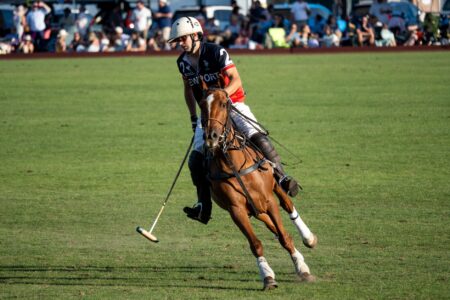
The reference point matters here. Polo club jackets, particularly the reinforced panels on riding wear designed to absorb impact and stabilize movement in the saddle, feature quilting that follows the body’s load-bearing zones rather than decorating the surface evenly. That functional logic – quilting placed where stress concentrates – is exactly what gives the aesthetic its current appeal when applied to tailored outerwear. It reads as considered rather than decorative.

Why the Back Panel Is the New Design Canvas
For decades, jacket backs were treated as the afterthought of construction – a surface to get right structurally but rarely to elevate visually. The front carried all the design intent: lapels, buttons, pocket placements, collar treatments. The back existed to drape correctly and disappear. That logic is shifting, and polo-derived saddle panel quilting is part of what is driving the change.
The silhouette read from behind has gained attention as tailoring has moved away from purely frontal dressing. Street photography, social media framing, and the general rise of 360-degree outfit consideration have made the jacket back a viable statement surface. Quilted saddle panels – typically running from just below the collar to mid-back, flanking the spine – give that surface a focal point that works within structured tailoring’s existing visual language rather than fighting it.
The Construction Logic Behind the Look
What makes saddle panel quilting different from decorative quilted linings or puffer-style surface texturing is its placement precision. The panel follows the trapezius and upper back region, mirroring how equestrian wear distributed reinforcement across areas of physical contact and repetitive motion. On a structured jacket, that same zone happens to be where fabric pulls, where seams take stress during movement, and where the garment’s structural integrity most visibly holds or fails.
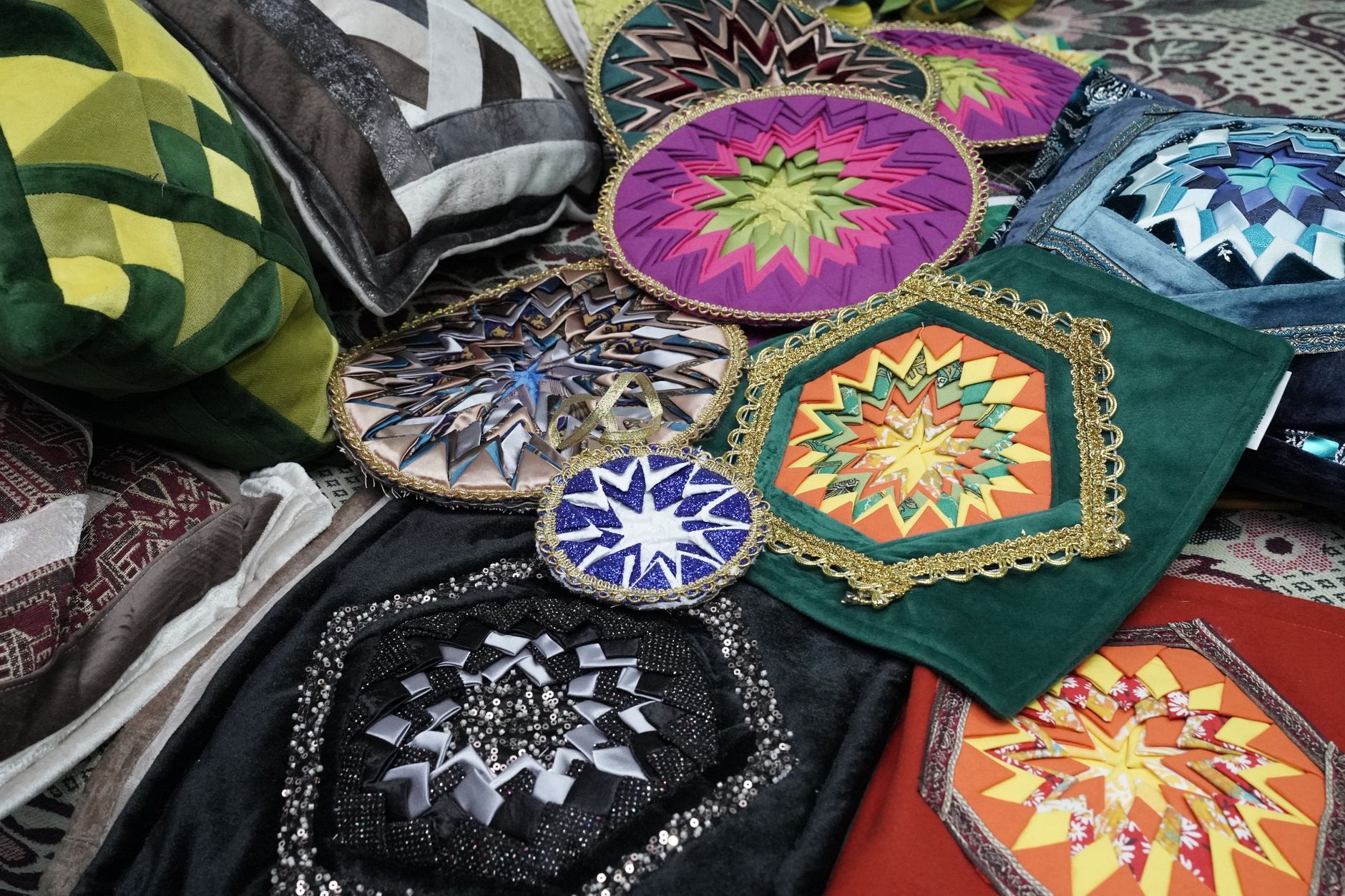
The stitching patterns in current interpretations tend toward tight diamond grids or horizontal channel quilting rather than the looser baffled stitching associated with outerwear. This keeps the surface flat and controlled, which is essential for maintaining the sharp silhouette that structured jackets require. A quilted panel that puffs even slightly will read as sportswear crossover rather than tailoring refinement – the difference in outcome comes down to stitch density and the weight of the interlining used beneath.
Many of the strongest executions are using a micro-quilted face fabric bonded to a very thin batting, sometimes as minimal as a single layer of compressed wool felt. The goal is texture that catches light rather than dimension that changes the jacket’s profile. When done correctly, the saddle panel reads as a surface shift – almost a tonal change – rather than an added layer, and the silhouette from the side remains clean and unbroken.
The choice of base fabric also determines whether the quilting reads as equestrian reference or contemporary tailoring. Cavalry twill and compact wool flannels hold the stitching crisply and reinforce the polo club provenance. Smoother wools and technical fabrics push the detail toward a more directional interpretation that distances itself from the sporting origin – neither reading is wrong, but they communicate to different audiences.
Color and Contrast as a Quilting Variable
The most restrained approach runs the quilted panel in the same fabric and color as the jacket body, letting the texture alone create the distinction. This works particularly well on mid-tone colors – navy, camel, olive – where the shadow created by the stitched channels reads clearly without requiring contrast to announce itself. On black, the effect can disappear entirely unless the stitch density is high enough to create visible relief.
A growing number of designs are introducing tonal contrast – a slightly darker or lighter version of the base color within the saddle panel – to give the detail more definition. This approach is closest to how polo club garments actually handled the distinction between reinforced and unreinforced zones, where the functional panel was often a visually distinct piece rather than a matched continuation of the jacket body. The two-tone reading adds the most visual weight of any approach, and it works best when the panel’s boundaries are clean and purposeful rather than blended.
How the Trend Is Being Worn
The quilted saddle back is appearing most frequently on blazer-cut jackets worn over fine-knit turtlenecks and tailored trousers, where the equestrian undertone of the detail connects naturally to the layering aesthetic. It also works well over structured shirts in Oxford cloth or poplin, where the collar visible above the jacket back provides a secondary texture that frames the quilted panel without competing with it.
Outerwear is picking up the detail alongside tailored jackets, with overcoat backs featuring extended saddle panels that run further down toward the waist to cover more of the visible back when worn open. This longer version pulls the reference further from tailoring and closer to riding coat territory, which suits the aesthetic for anyone drawn to the more explicit equestrian connection rather than the quieter architectural application.
The question the detail raises – and does not fully resolve – is how far the panel can extend before the equestrian origin overwhelms the tailoring context. A quilted upper back reads as sophisticated texture. A quilted back that reaches the hem reads as costume. The tension between those two readings is exactly where the detail currently lives, and that unresolved boundary is what keeps it interesting rather than settled.
Frequently Asked Questions
What is saddle panel quilting on jackets?
Saddle panel quilting refers to tight, structured stitching applied to the upper back of a jacket, following the shoulder blade region. The reference comes from reinforced panels on polo and equestrian riding wear.
How is saddle panel quilting different from regular quilted jackets?
Unlike puffer-style quilting that adds volume, saddle panel quilting uses high stitch density and thin interlinings to create surface texture without changing the jacket’s silhouette or adding bulk.