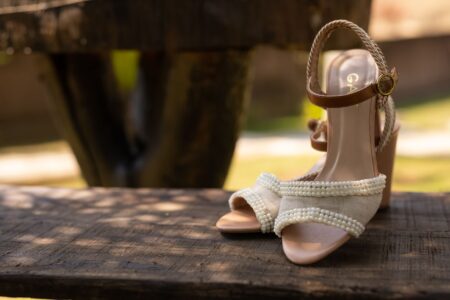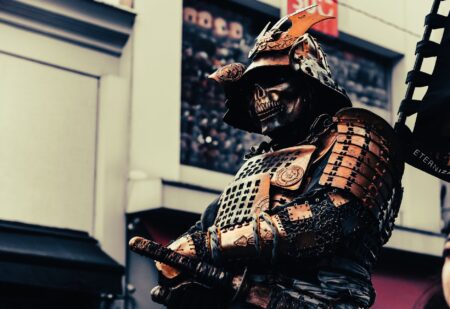


The saddle pommel – that distinctive forward-arching curve at the front of an English polo saddle – has spent centuries perfecting the art of structural support without sacrificing freedom of movement. Now that same geometry is showing up in fashion, quietly informing how designers approach the bodice seam.
Where the Curve Comes From
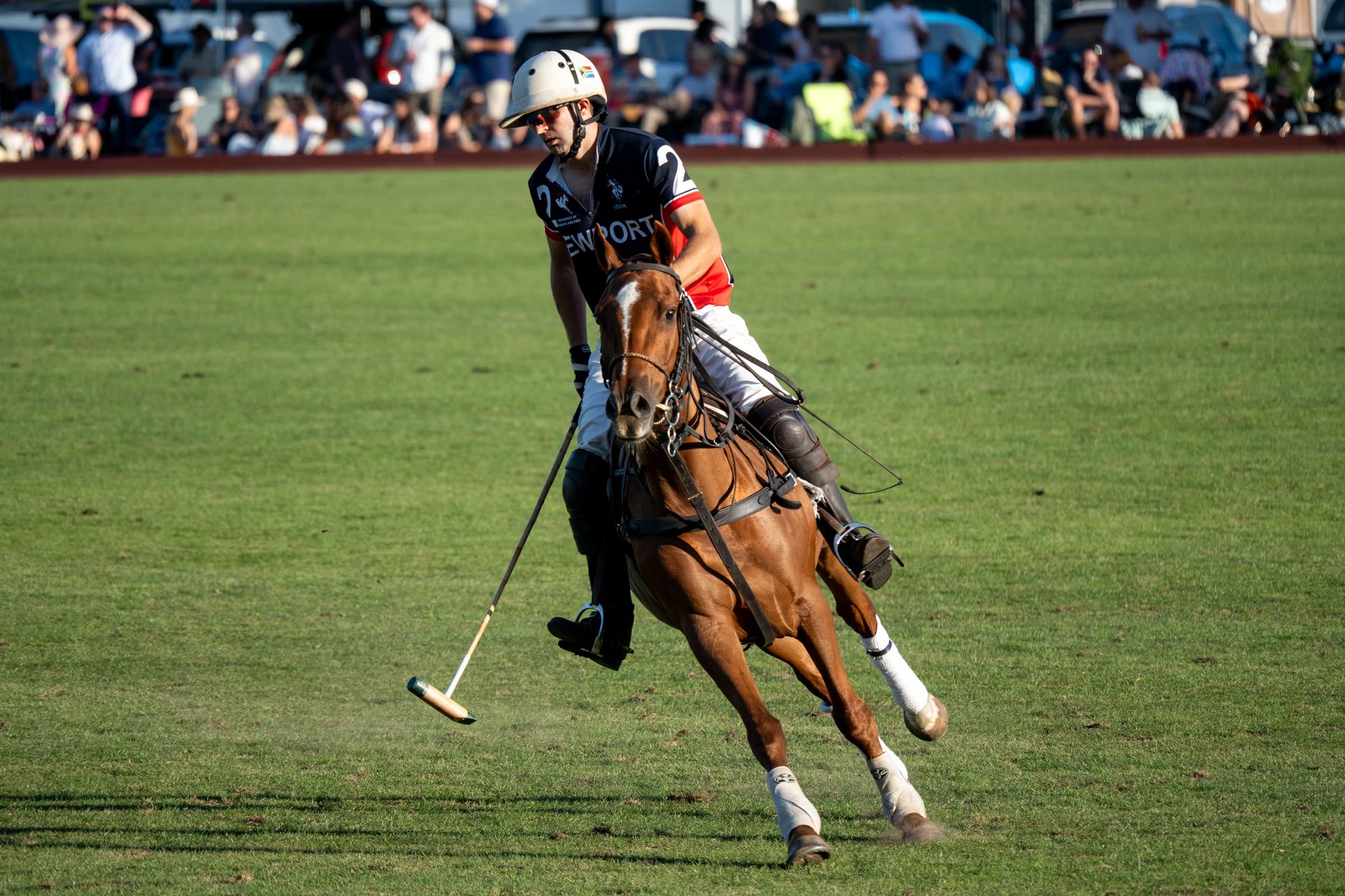
A polo saddle’s pommel arch is not decorative. It exists to hold a rider in position during rapid directional changes, distributing pressure along a curved line rather than a single point. The arch rises, curves forward, and descends in a shape that is simultaneously rigid and ergonomic – built to cradle rather than constrain. When translated into fabric, that same principle produces a seam line that wraps the torso with intent rather than simply dividing it into panels.
Equestrian sport has long fed fashion with structural ideas. The boning traditions borrowed from riding habits, the tailored waist stays that migrated from stable to drawing room – these movements happen slowly and without announcement. The pommel arch curve is following that same quiet path. It is not a trend born from a runway moment or a single designer’s statement collection. It is a construction idea that keeps appearing because it solves a genuine problem: how to give a bodice shape without relying on stiffening alone.
The geometry of the arch matters precisely because it works in three dimensions. A straight horizontal seam across a bodice operates on a flat plane. A curved seam that mimics the pommel’s forward sweep creates a cone-like tension that pulls fabric around the body rather than across it. The result is structure that feels anchored to the wearer rather than imposed from outside. Tailors who work in equestrian-influenced clothing have understood this intuitively for generations; what is changing now is that the logic is being applied to womenswear bodices far removed from any riding context.
The appeal is partly technical and partly visual. On a dress or structured top, a pommel-curve seam sits lower at the sides and rises toward the center front, echoing the arch’s natural path. That line does something interesting to the eye – it draws attention upward and inward, creating the impression of a narrower waist without any actual cinching. It is shaping through line rather than through compression, which makes the garment more wearable across a wider range of body types.

How Designers Are Building With the Arch
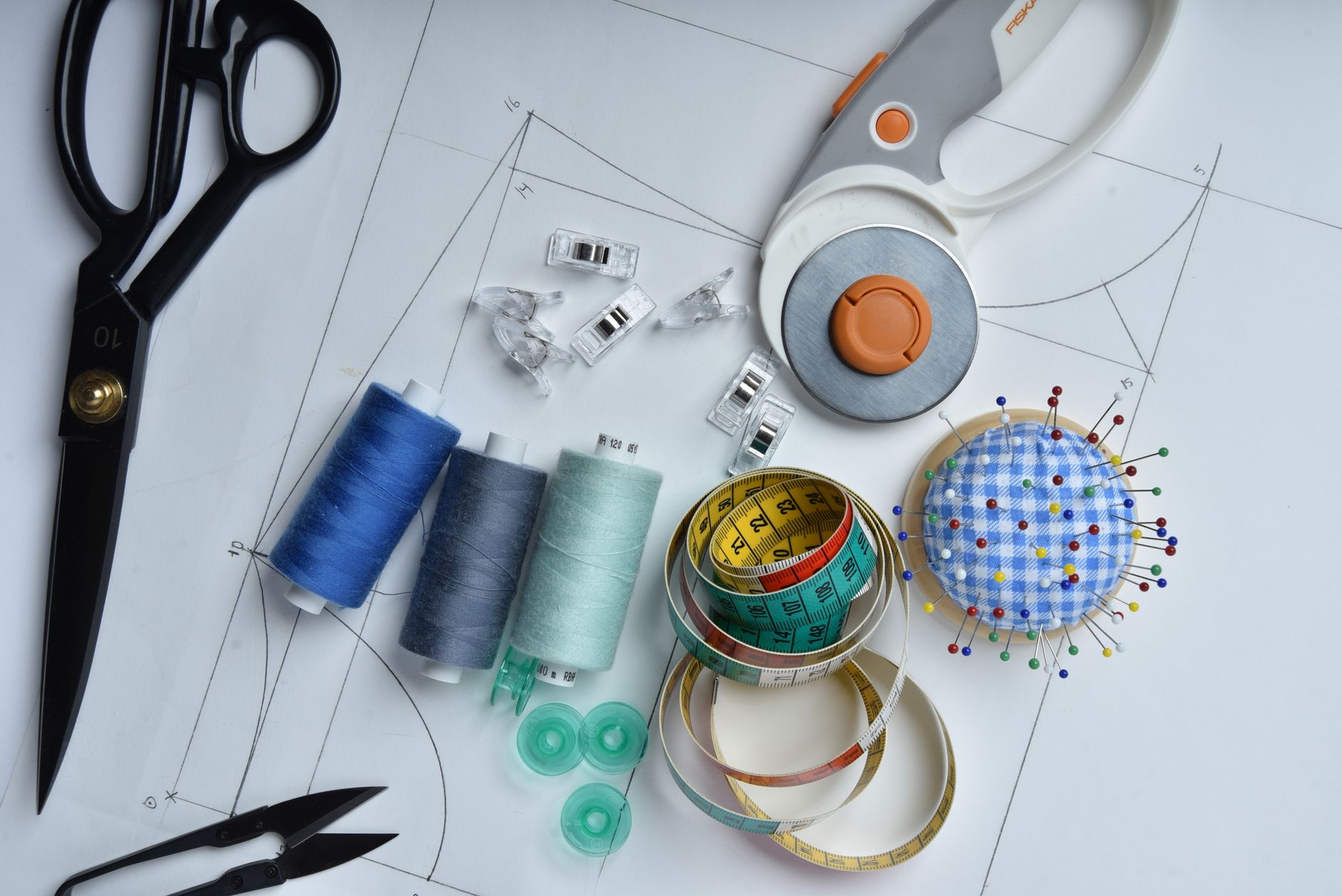
The practical application starts at the pattern stage. A bodice front that incorporates a pommel-arc seam requires the pattern cutter to treat the curve as a load-bearing line – the same way a saddler treats the pommel as the primary structural element of the saddle’s tree. Fabric above the seam and fabric below it behave differently, pulled in subtly different directions, and the seam itself becomes the point where that tension is managed. When cut precisely, the result is a bodice that holds its shape without boning, without heavy interfacing, and without the kind of rigid internal structure that makes a garment stiff to wear.
Seam placement is everything. Move the arch too high and it reads as a simple empire line, losing the specific tension that gives the pommel curve its character. Place it too low and it functions more like a peplum seam, creating separation rather than structure. The sweet spot sits just below the fullest point of the bust, curving upward at center front – close enough to the body’s natural architecture that the seam feels inevitable rather than imposed. That subtlety is what separates structured bodice work from the more obvious corsetry revival that has dominated fashion conversation for the past few years.
Fabric choice interacts directly with how the curve performs. Stiff duchess satin or heavy wool crepe holds the arch with minimal internal support, letting the seam do most of the work. Softer materials – silk charmeuse, lightweight jersey – require a narrow stay tape or a shaped underlining to maintain the curve’s integrity over the course of a full day’s wear. Some designers working in this space are experimenting with partial boning restricted entirely to the arch seam itself, treating it the way a saddler reinforces the pommel’s base: concentrated structure exactly where the stress is greatest, and nothing more.
Color and contrast stitching along the arch seam amplifies the effect. A tonal seam lets the structure speak quietly. A contrasting topstitch draws the eye deliberately along the pommel’s path, turning the construction detail into a design statement. A growing number of ready-to-wear labels are using the latter approach, particularly in outerwear and tailored jackets, where the arch seam replaces or supplements the traditional princess seam. The visual result is similar – vertical shaping through curved lines – but the specific geometry is different enough to read as something new rather than a variation on a familiar technique.
Tailored structured blazer bodies offer perhaps the most direct application. When the pommel arc replaces or modifies the standard front seam, the jacket loses that boxy quality that plagues even well-made garments when they are not cut with enough thought for the body’s forward projection. The curve accommodates the chest’s natural shape without adding volume, and the lower sweep of the arch at the sides creates a subtle waist illusion that conventional princess seaming sometimes fails to achieve. For anyone who follows the intersection of equestrian construction and contemporary tailoring, the relationship between this technique and waist seam stays used in formal coat construction is worth considering – both approaches treat the bodice seam as a structural system rather than a decorative division.
The Fit Question Nobody Is Asking Loudly Enough
Structure in fashion tends to get framed as a question of aesthetics – what does the garment look like, what silhouette does it create. The pommel arch curve forces a different question: what does the garment do, and how does its construction serve the person inside it. That reorientation toward function-first structure is what makes this particular equestrian borrowing feel different from the broader trend of sport-influenced design. This is not about branding or athletic aesthetics. It is about whether a seam is in the right place for the right reason.
The challenge for mass production is obvious. Pommel-arc seaming requires more precise cutting than a standard horizontal or princess seam, and slight variations in placement change the garment’s behavior entirely. At scale, that precision is difficult to maintain. Which is why, for now, the technique lives primarily in made-to-measure tailoring, small-batch production, and among the kind of obsessive patternmakers who find saddle construction genuinely interesting source material. Whether that changes depends entirely on whether the effect can be systematized without losing the specificity that makes it work in the first place.
Frequently Asked Questions
What is a saddle pommel arch curve in fashion terms?
It refers to the forward-sweeping curve of a polo saddle’s pommel, adapted as a seam line across a bodice to create three-dimensional structure without heavy internal support.
Does a pommel-arc bodice seam replace boning?
In many cases yes – when cut precisely in the right fabric, the arch seam manages tension across the bodice so that boning or heavy interfacing is not needed.