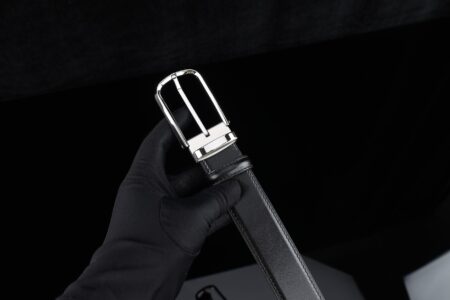
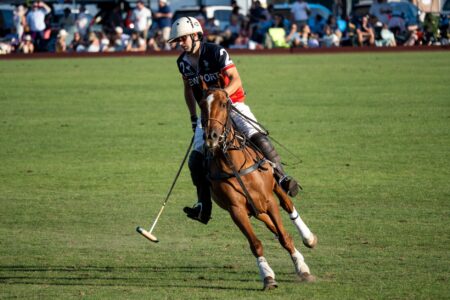
When Equestrian Hardware Meets Couture Architecture
Polo club saddle craftsmanship has a vocabulary all its own – tight, load-bearing, purposeful stitching that follows the pommel arch in curves designed to hold form under real pressure. That same logic is now showing up in structured bodice yokes, and the crossover is more precise than it first appears.
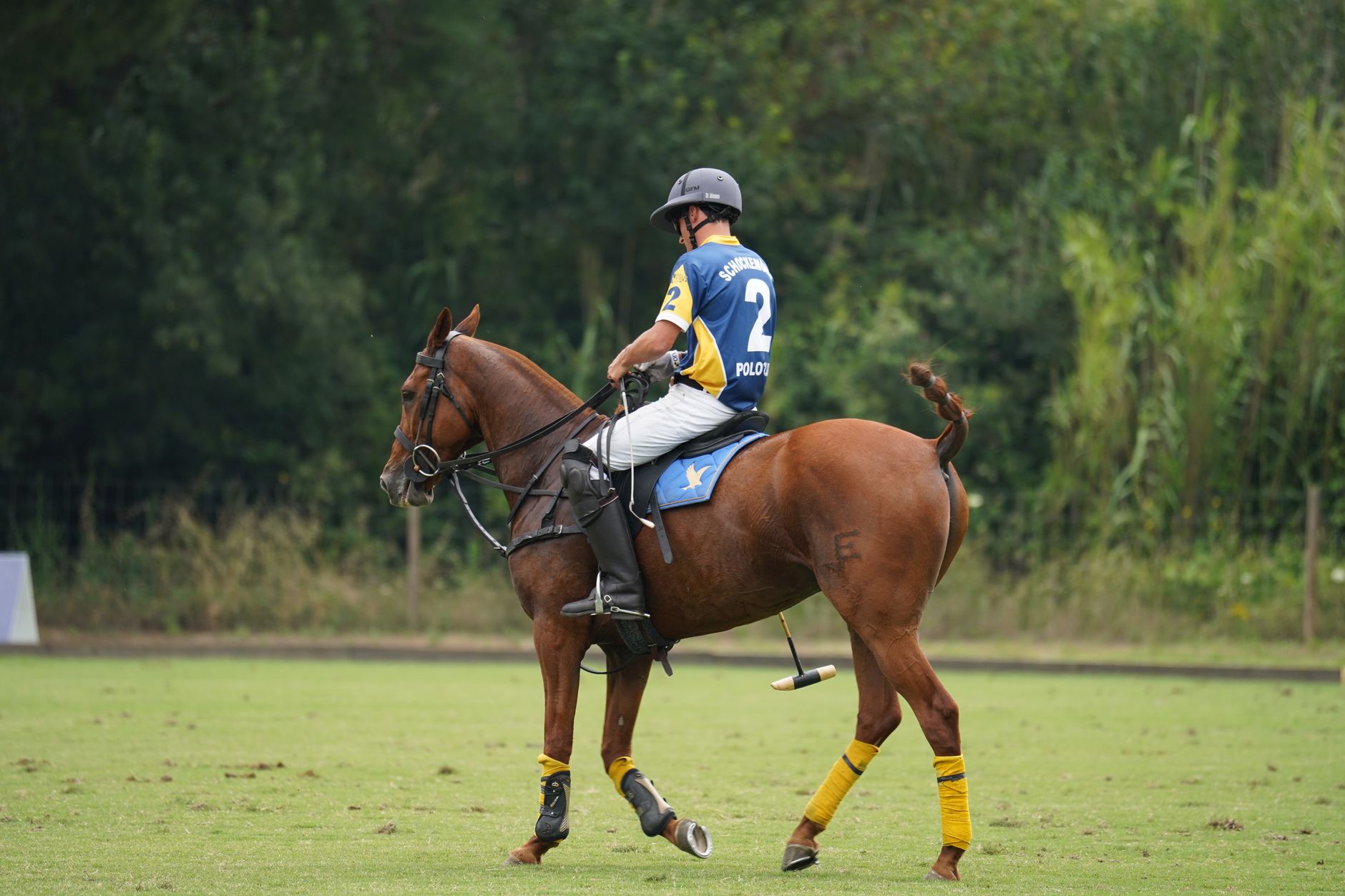
The Anatomy of Pommel Arch Stitching and Why It Translates
The pommel arch on a polo saddle is the front rise of the seat, a curved structural element that distributes weight and maintains shape across the entire panel. The stitching that reinforces it runs in tight, parallel lines that follow the arc exactly, each row adding rigidity without adding bulk. It is functional geometry – and that is precisely what makes it so visually interesting when applied to fashion.
Structured bodice yokes face a surprisingly similar engineering problem. A yoke is the horizontal panel that sits across the chest or shoulders, and its job is to anchor the rest of the garment’s shape. When a bodice needs to hold structure without boning or rigid underlining, the stitching itself has to carry that load. Saddle pommel arch stitching offers a direct solution: curved rows that travel the contour of the body the way they travel the contour of the saddle, building strength through repetition and line.
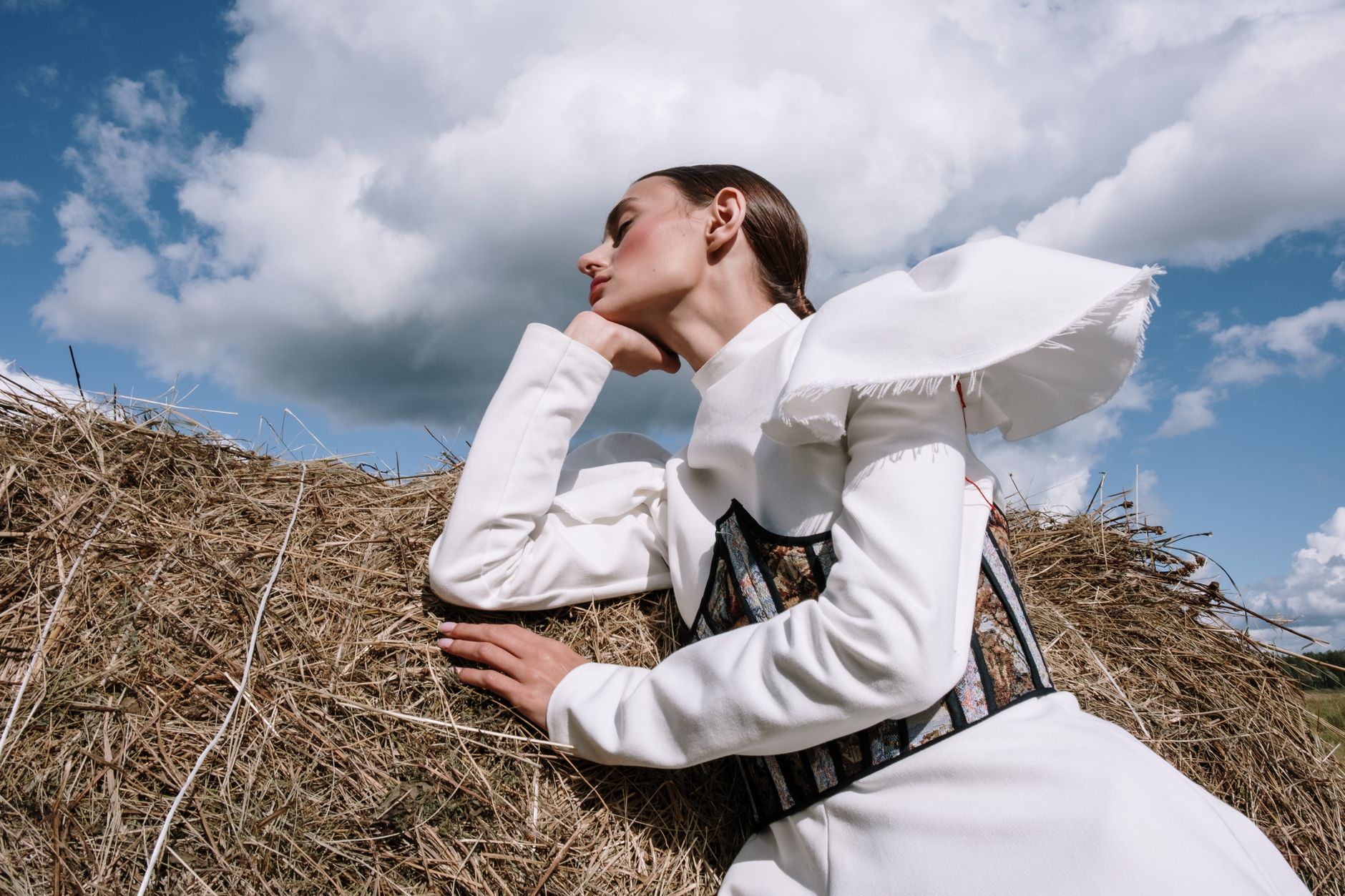
The aesthetic payoff is that this kind of topstitching reads as ornamentation first. Rows of stitching in contrasting thread – or even tonal thread at the right weight – create a ribbing effect across the yoke that draws the eye upward and across the chest. It structures the silhouette without announcing itself as technical construction. Shoppers and wearers see a beautiful surface detail. What they are actually looking at is a load-bearing architecture borrowed from equestrian gear.
The connection between polo club aesthetics and structured fashion is not new, but most previous borrowings focused on surface codes: the polo collar, the grosgrain trim, the club stripe. Pommel arch stitching goes deeper. It is a structural loan, not a decorative one, and that distinction matters for how durable and intentional the resulting garment feels on the body. Cantle binding details from polo saddles are already edging structured collar stays in a parallel movement, suggesting that the wider language of saddle construction is finding its way into tailoring more broadly.
How the Ribbing Effect Works on Structured Yokes
The ribbing that pommel arch stitching produces is different from the ribbing you would find in a knit – it is harder, more architectural, and directional. When applied to a woven bodice yoke, the stitched rows create a subtle raised texture that catches light differently across the chest, giving the garment visual depth without added volume. This is especially effective in cotton twill, canvas, and structured linen, where the thread sits proud of the surface and the rows hold their spacing with precision.
The direction of the arc is what separates this from basic topstitching. On a pommel arch, the stitching curves upward toward the center front, which on a bodice yoke translates to rows that mirror the natural curve of the collarbone and sweep toward the neckline. The effect is inherently flattering because the lines do what a skilled tailor does manually – they direct the eye toward the face and draw the shoulders back visually. Straight-row topstitching cannot do this. The curve is the whole point.
Thread weight is where most garments either commit to the effect or lose it entirely. Polo saddle stitching is done with heavy-duty waxed thread at high tension, which is what creates the defined ridge. Fashion applications tend to step down in weight, but the principle holds: a thread that is too fine disappears into the fabric and reads as seam stitching rather than surface architecture. A thread at medium-heavy weight, especially in a slightly contrasting color – ivory on cream, rust on tan, navy on chalk – makes each row legible and intentional.
Some designers working in this space are treating the stitching as a standalone bodice feature rather than an allover pattern. A single cluster of pommel arch rows across the upper chest, left bare at the shoulders and waist, concentrates the structural effect in the most expressive zone of the garment. It also reduces production complexity without sacrificing impact. The result looks more deliberate than a fully covered yoke, and wears more easily across body types because the emphasis is specific rather than diffuse.
Fabric backing matters more than most people expect. Pommel arch stitching on a saddle has an underlying panel to push against, which is what allows each stitch to create that slight surface ridge. On a bodice yoke, interfacing – specifically a sew-in woven interfacing rather than a fusible – replicates that relationship. Fusible interfacing compresses the fabric surface and flattens the stitching effect. Sew-in leaves the top fabric free to respond to the thread tension, allowing the ribbing to lift slightly the way it does on the original saddle component.
The Broader Shift This Detail Signals
What is happening with pommel arch stitching in bodice yokes is part of a larger appetite for construction details that do real structural work while also functioning as surface design. The fashion conversation has spent years on fabrics and silhouettes, and a growing number of designers are returning to the seam, the stitch, and the join as the actual site of creativity. Equestrian saddlery is a rich source for this because saddle construction has not been softened or abstracted – it remains brutally functional and visually direct.
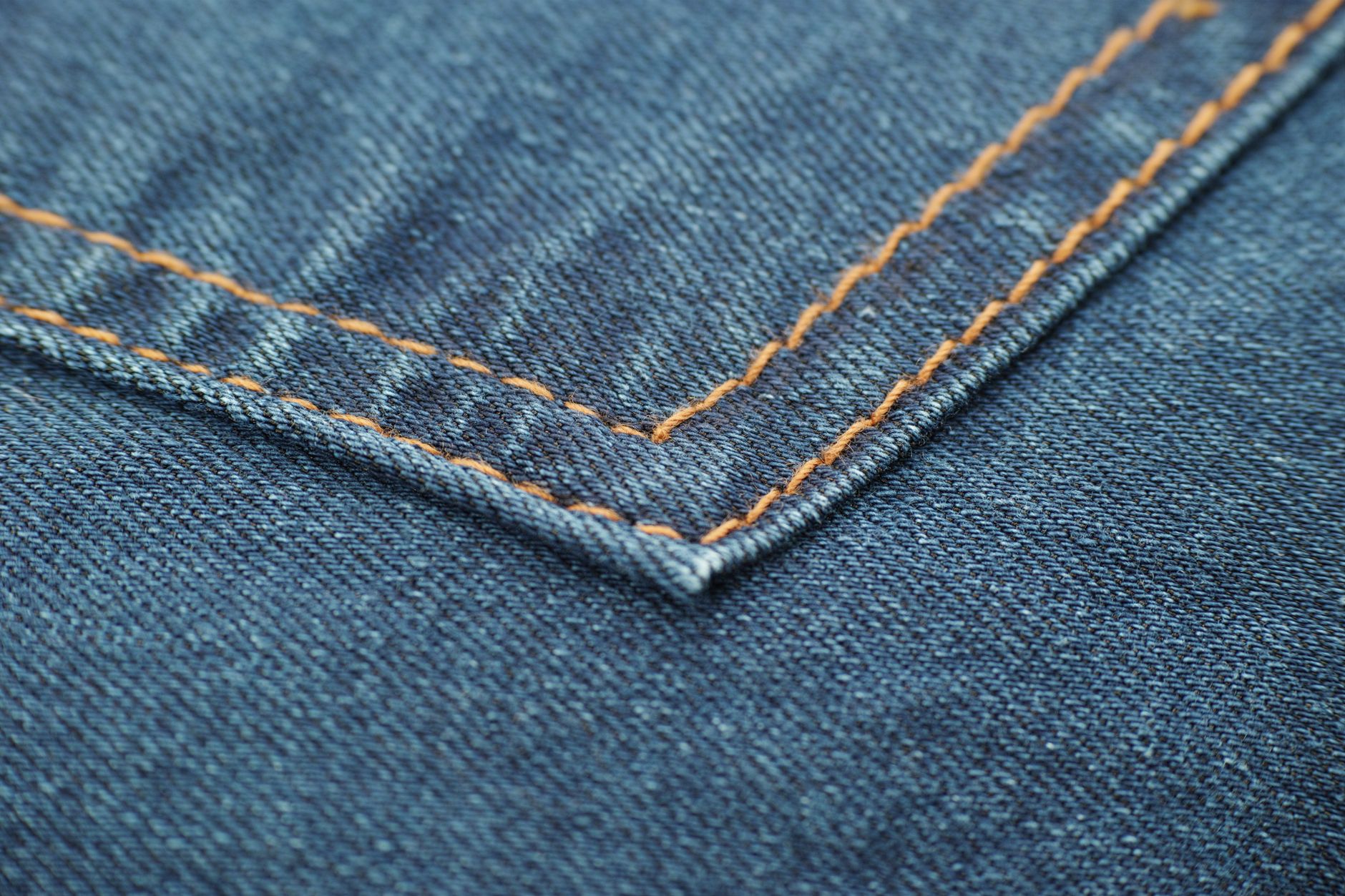
The real test for this detail is longevity. Trends built on surface decoration tend to cycle out quickly because once the novelty fades, there is nothing structural holding the garment’s appeal. Pommel arch stitching does not have that problem. A bodice yoke built with properly tensioned, curved topstitching will hold its shape across dozens of wears in a way that a comparable unstitched yoke simply will not. Which raises a reasonable question for anyone designing or buying structured tops right now: if the detail also happens to be beautiful, why would you build it any other way?