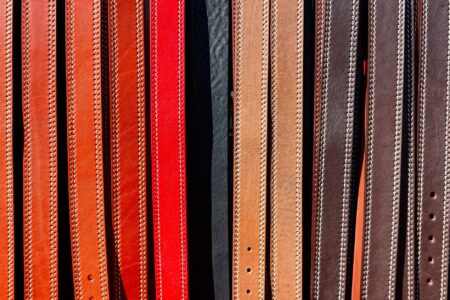


The Equestrian Detail That Fashion Keeps Borrowing
Polo club saddle stirrup leather has a very specific hole pattern – evenly spaced, reinforced at the edges, punched cleanly through thick bridle leather to allow precise buckle adjustment under pressure and motion. That functional logic, developed for sport and survival in the saddle, is now showing up in a surprising place: the minimalist belt, stripped of all ornamentation except for those quietly deliberate perforations.
The crossover is not accidental. Accessories designers have been pulling from equestrian hardware for decades, borrowing the D-ring, the snaffle bit, the girth buckle. But the stirrup leather hole – its spacing, its depth, its clean circular punch – is a more subtle lift. It does not announce its origins. It simply makes a belt look considered, restrained, and oddly purposeful in a way that standard punched leather rarely achieves.
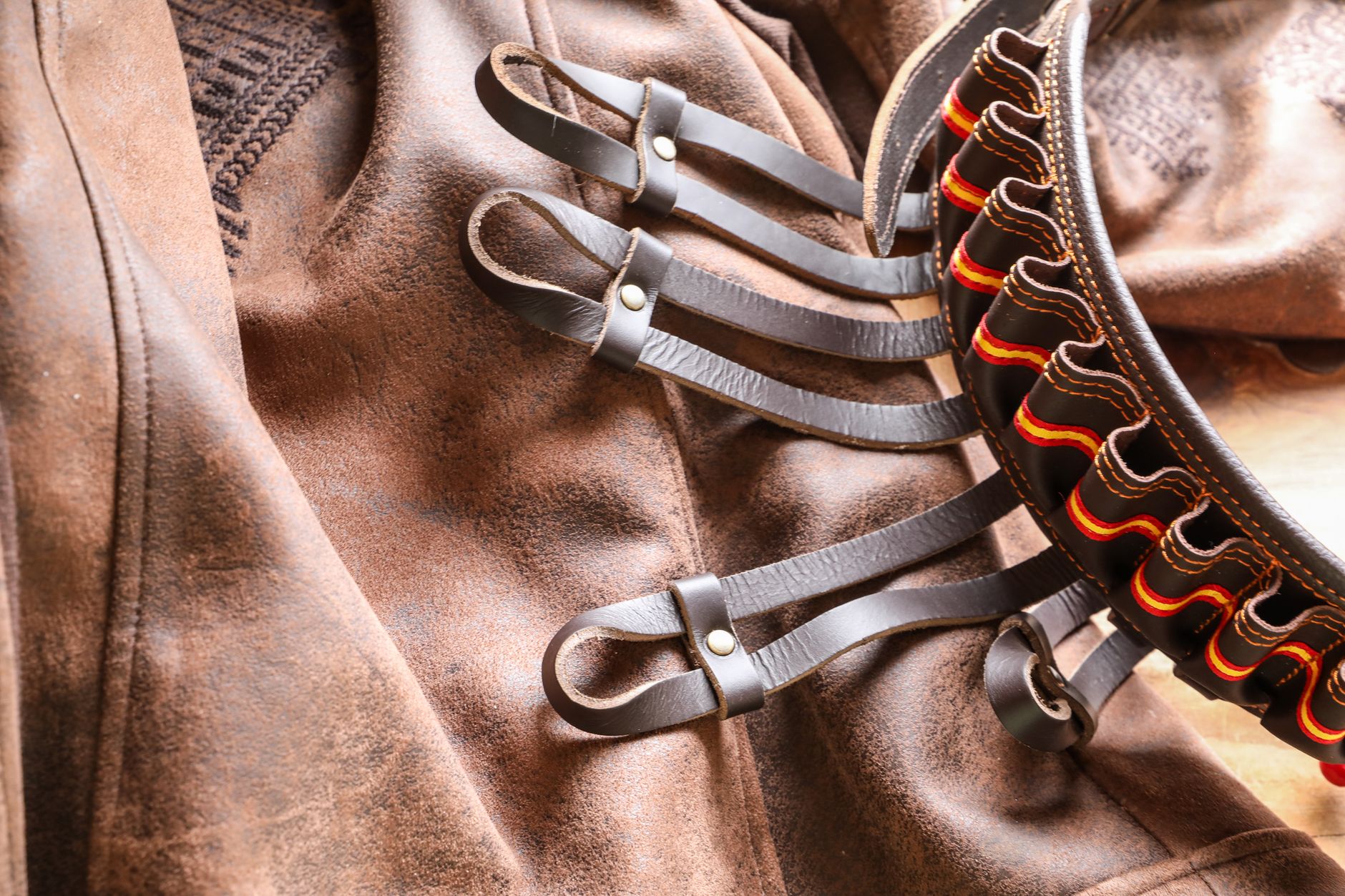
Why Stirrup Leather Holes Read Differently
Standard belt holes are punched for function alone. Five holes, evenly spaced, centered on a strip of leather – the whole operation optimized for manufacturing speed and basic sizing. Stirrup leather holes follow a different logic. They are typically fewer, often just three or four, positioned with wider spacing and punched through leather that is visibly thicker at the edges. The result is a hole that looks deliberate rather than default, more like a design decision than a production step.
That visual difference carries weight in minimalist fashion, where restraint is the primary language. A belt in a clean, unembellished outfit cannot rely on color or hardware to carry interest. The hole pattern becomes the only detail available, which means its proportion, spacing, and finish do real visual work. Stirrup leather geometry – with its wider intervals and clean, almost architectural punch – gives that detail somewhere specific to land.
Some leather goods houses working in the quieter end of the accessories market have started treating hole placement as a design variable rather than a manufacturing constant. Wider spacing between three holes rather than the standard five. A slightly larger diameter punch. Edge finishing that leaves a rim rather than a raw cut. None of these choices read as equestrian to the uninitiated, but collectively they produce a belt that feels like it was made with actual intention.
The Minimalist Belt’s Ongoing Detail Problem
Minimalist belts have a structural challenge that louder accessories do not face. Remove the stitching, the texture, the logo hardware, and the color contrast, and what remains is essentially a strip of leather with holes in it. The difference between a belt that looks expensive and one that looks cheap often comes down entirely to how those holes are cut and finished. This is where the stirrup leather influence becomes genuinely useful rather than merely referential.
The equestrian world solved this problem out of necessity long before fashion was paying attention. Stirrup leathers take serious mechanical stress – the weight of a rider pressing through a buckle, repeated adjustment in wet conditions, constant flexion through the holes themselves. The holes had to be reinforced, cleanly punched, and precisely spaced to prevent tearing and misalignment. That engineering discipline, applied to a dress belt, produces something that looks controlled and durable even when nothing else about the design calls attention to itself.
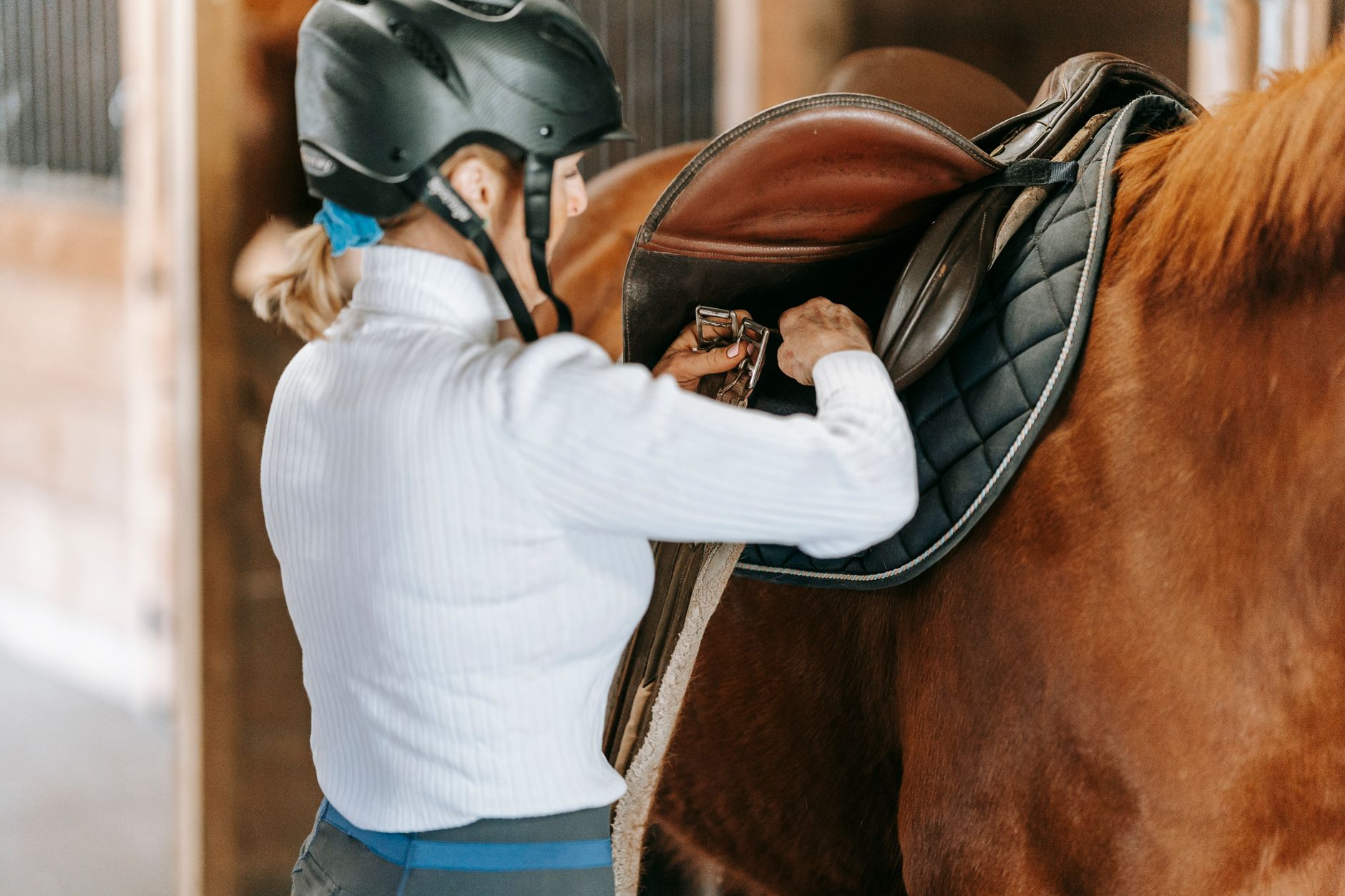
How the Detail Is Moving Through the Market
The stirrup-inspired hole pattern is appearing across a range of price points, which is itself a signal about how widely the aesthetic has spread. At the higher end, small leather goods studios are working with English bridle leather and specifying hole diameters and edge beveling with the same care a saddle maker would apply. At the accessible end, some brands are simply widening their hole spacing and reducing the total count, capturing the visual rhythm without the material investment.
What holds the trend together across those price points is the shared commitment to restraint. This is not a maximalist moment in accessories – the direction running through runway bags, shoe hardware, and belt design alike leans toward fewer elements, each one more precisely executed. The stirrup leather hole fits that logic exactly. It is a detail that works by being less, not more. Three holes instead of five. A cleaner punch. More leather between each one.
The appeal also connects to a broader appetite for accessories that carry a legible reference without wearing it on their surface. A belt with stirrup-spaced holes does not require a polo motif or a horse bit buckle to communicate equestrian heritage – the geometry does it quietly, in a way that rewards close attention. That layered quality – functional on its face, referential to those who know – is exactly the register that fashion’s quieter consumers have been gravitating toward. The same instinct drives the interest in sport-derived minimalist hardware details more broadly, where the reference is embedded in structure rather than decoration.
The practical question is whether belt makers will continue to treat hole placement as a genuine design variable or whether the detail gets flattened into a trend shorthand – wider spacing applied without the corresponding attention to leather thickness, edge finish, or buckle proportion. Stirrup leather works as a whole system. Pull one element out and apply it to inferior materials with careless finishing, and the visual logic collapses. The hole spacing that looks deliberate on eight-ounce bridle leather looks random on thin split leather. That is the tension the trend has not yet resolved.