

The Hoop Arrives in Fine Jewellery
The croquet hoop – that narrow wicket hammered into a lawn for a ball to pass through – is not an obvious starting point for a jewellery collection. Yet a growing number of independent designers are pulling exactly that shape into their work: rigid arcs, tunnel-form rings, and open-top bangles that borrow the hoop’s geometry and carry its particular kind of composed, aristocratic tension. The reference is oblique enough to read as purely abstract to most wearers, but deliberate enough to give the pieces a conceptual backbone that separates them from generic minimalism.
Polo and croquet have been feeding fashion’s appetite for old-money codes for several seasons now, and jewellery is simply the latest category to absorb the vocabulary. Where the sport once influenced collar shapes, quilted vests, and mallet-inspired hardware on luxury bag straps, the aesthetic has now refined itself down to something wearable at the scale of an earring or a ring stack. The hoop – as a form – turns out to carry a surprising amount of design information.
What the Shape Actually Does
A croquet hoop is defined by two vertical posts bridged at the top by a tight arc. That configuration, when translated to jewellery scale, produces something with structural clarity that a standard circle or oval does not have. The “legs” of the form create a base reference even when the piece is floating at the ear or sitting on the finger, giving the wearer an orientation – a top and a bottom – that most abstract shapes refuse. It is architectural in the way that much contemporary jewellery aspires to be, but rarely achieves without becoming heavy or unwearable.
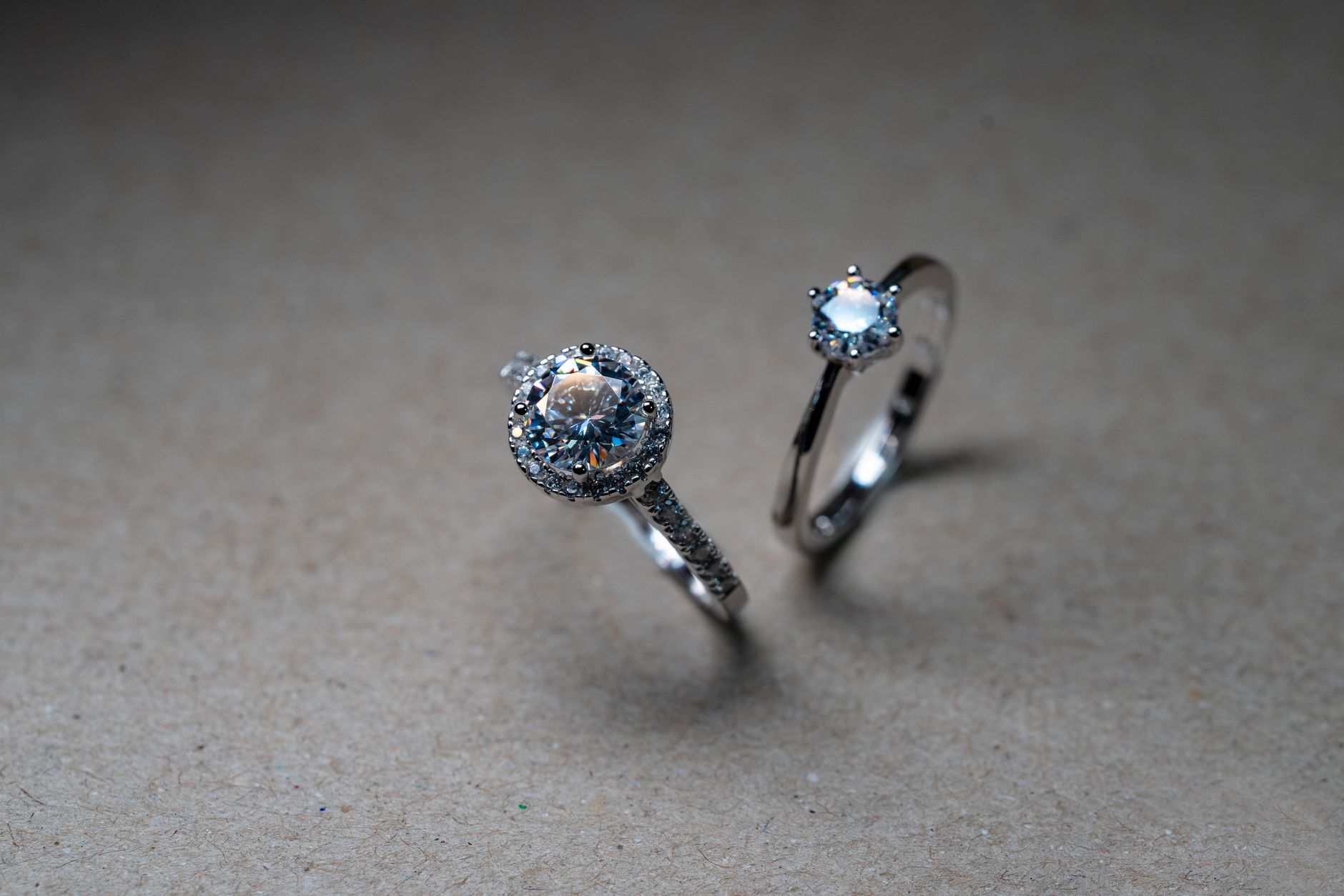
Several designers working in this space are experimenting with the tunnel-ring variation, where the band passes completely through an arched form rather than simply sitting flat on the finger. The effect is a ring that appears to pass under a bridge, the stone or polished metal arc rising above the band like a wicket waiting for a ball. It photographs extraordinarily well – which, in an era where jewellery is discovered primarily through editorial imagery and social posts, is not a trivial advantage.
The earring interpretation is even more direct. Drop earrings built from a single elongated hoop, closed at the bottom and open at the top where the post exits, create a kind of framed negative space against the neck. The opening at the top is what makes the croquet reference legible – a standard hoop earring is continuous, a closed circuit, while the croquet-derived form is intentionally incomplete, interrupted. That gap carries visual weight disproportionate to its size.
Material choices are reinforcing the sport-adjacent reading rather than softening it. Brushed yellow gold with no stone settings, oxidized silver that mimics aged metal, and white enamel inlay on the arc’s inner surface all point toward a utilitarian origin without committing to literal sport styling. The pieces feel less like costume jewellery referencing a game and more like objects that have absorbed the sport’s visual language the way a well-worn leather boot absorbs the shape of the foot.
How Luxury Positioning Fits the Concept
The croquet and polo world has always operated in a register that luxury fashion finds easy to reference: private land, inherited codes, dressing that is rigorous without being ostentatious. For jewellery, this is an almost perfect tonal match. Fine jewellery at the high end is already about restraint – about wearing something that communicates taste and resources without announcing them loudly. The hoop shape, with its clean geometry and sport-adjacent confidence, slots into that positioning without friction.
Pricing tends to reflect this alignment. Pieces in this category, particularly from independent studios working in solid gold or sterling with fine stone setting, are not entry-level. The concept commands a margin because it arrives with a narrative – a provenance story that connects the piece to a specific world of leisure and land – and narratives are exactly what the contemporary fine jewellery buyer is paying for alongside the material weight.
Who Is Actually Wearing This
The customer for these pieces is not someone who has ever played croquet. She is, almost certainly, someone who has stood at a garden party and understood intuitively the social grammar of the event – who plays, who watches, who is there purely to be seen, and what all of it means. The jewellery signals membership in a kind of aspiration that is less about sport participation and more about cultural fluency. You wear the hoop because you understand the reference, and because understanding it places you somewhere specific.
Younger buyers, particularly those who discovered this aesthetic through fashion editorial rather than personal experience of the sport, are wearing the forms in stacked combinations: multiple croquet-arc rings on one hand, or a hoop drop earring paired with a simple stud, mixing the architectural statement piece with something quieter. The stacking approach softens the severity of the individual piece while multiplying the visual interest. It also makes the jewellery more accessible as a daily wear proposition rather than something reserved for occasions where the reference would actually land in context.
Stylists working on fashion shoots have noticed the hoop’s particular quality of framing the face and neck – the open top of the drop earring draws the eye upward in a way that elongates, while the brushed metal picks up ambient light without flashing it back. On set, that kind of quiet luminosity reads beautifully without requiring retouching, and pieces that behave well under camera tend to move quickly from editorial placements into actual consumer demand.
Where the Drop Lands Next
The category still has room to push further. The croquet hoop is, structurally, also a bracelet waiting to happen – a rigid cuff with an open top, held on the wrist by the compression of the two posts against the skin. A few studios are prototyping exactly this, moving the form from the scale of an earring up to the wrist, where the reference becomes more visible and the structural challenge of keeping a wicket-shaped cuff on the arm adds a problem worth solving. Early versions apparently require precise sizing, the gap at the top calibrated against the wrist’s widest point.
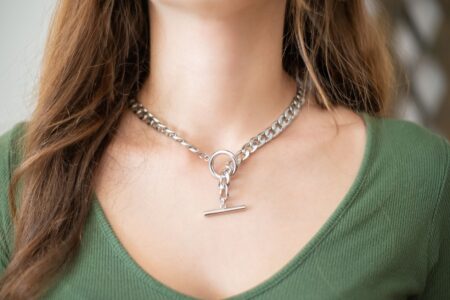
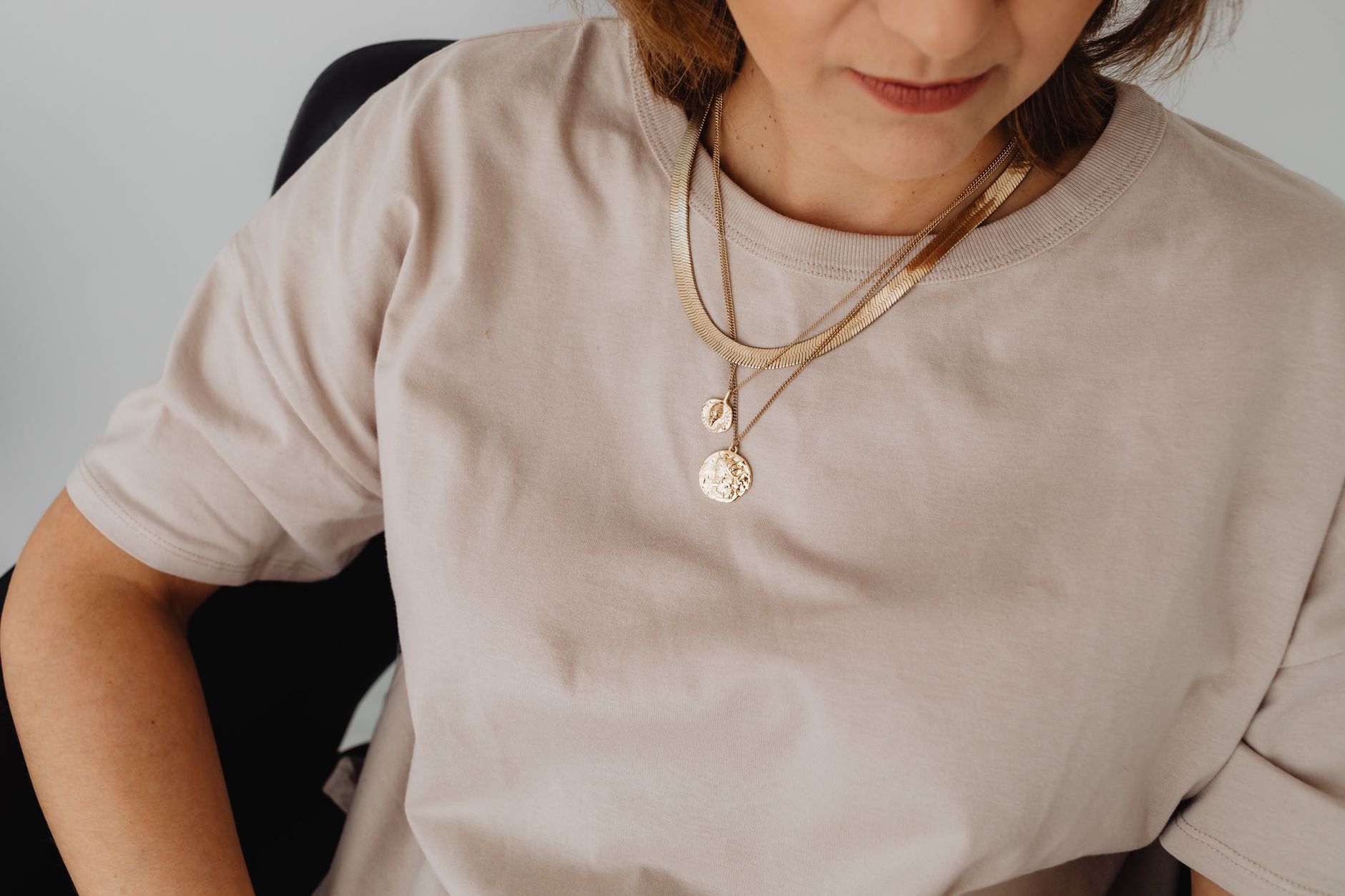
The necklace is the harder translation. A croquet hoop suspended from a chain loses the structural tension that makes it interesting – it just becomes a pendant with an arch. The pieces that have worked at that scale tend to build the hoop directly into the chain itself, so the neckpiece is effectively a series of interconnected arcs rather than a single hoop hanging from a link. It is a more ambitious construction, and it reads more abstractly, which may be what allows it to sell outside the circles where the sport reference resonates.
Whether the trend consolidates into a lasting jewellery vocabulary or cycles out after another season or two depends largely on whether designers find ways to keep developing the form. Right now, the hoop still has enough variation unexplored – scale, material combination, construction method – that it does not feel exhausted. The bracelet problem alone could sustain another year of interesting work.
Frequently Asked Questions
What is the croquet hoop jewellery trend?
It refers to fine jewellery pieces – rings, earrings, and bangles – designed around the open-arch geometry of a croquet wicket, borrowing the sport’s structured, aristocratic aesthetic.
Who is the target customer for croquet-inspired fine jewellery?
Primarily younger, culturally fluent buyers who connect with old-money aesthetic codes through fashion editorial rather than actual sport participation, often wearing pieces in stacked combinations.