

A keratin smoothing treatment used to be sold as a clean break from frizz: a few hours in the chair, a flat iron pass at high heat, and months of hair that dried sleek no matter the weather. For years, that pitch landed hardest with anyone who spent their mornings coaxing waves, curls, or coils into submission. At a growing number of salons, the appointment book now tells a different story, with those slots going to cuts, glosses, and treatments built around the hair a client already has. The change is gradual rather than dramatic, and it shows up less in announcements than in what quietly drops off the service menu.
Straight hair is not out; being expected to have it is.
Part of the pullback is simple fatigue. Keratin treatments demand commitment: a long appointment, a strict aftercare routine, and a result that grows out unevenly as roots return to their natural pattern. Clients who once saw that regrowth as a flaw to be corrected increasingly see it as a texture to be styled. Feeds full of curl routines, wash-and-go tutorials, and unfiltered frizz have made natural hair look like a choice rather than a problem to fix. Add the ongoing conversation about the ingredients used in some smoothing formulas, and the treatment loses much of its easy appeal. Stylists who once recommended it by default now tend to start with a different question: what does this person actually want their hair to do?
Why the Smoothing Chair Is Emptier
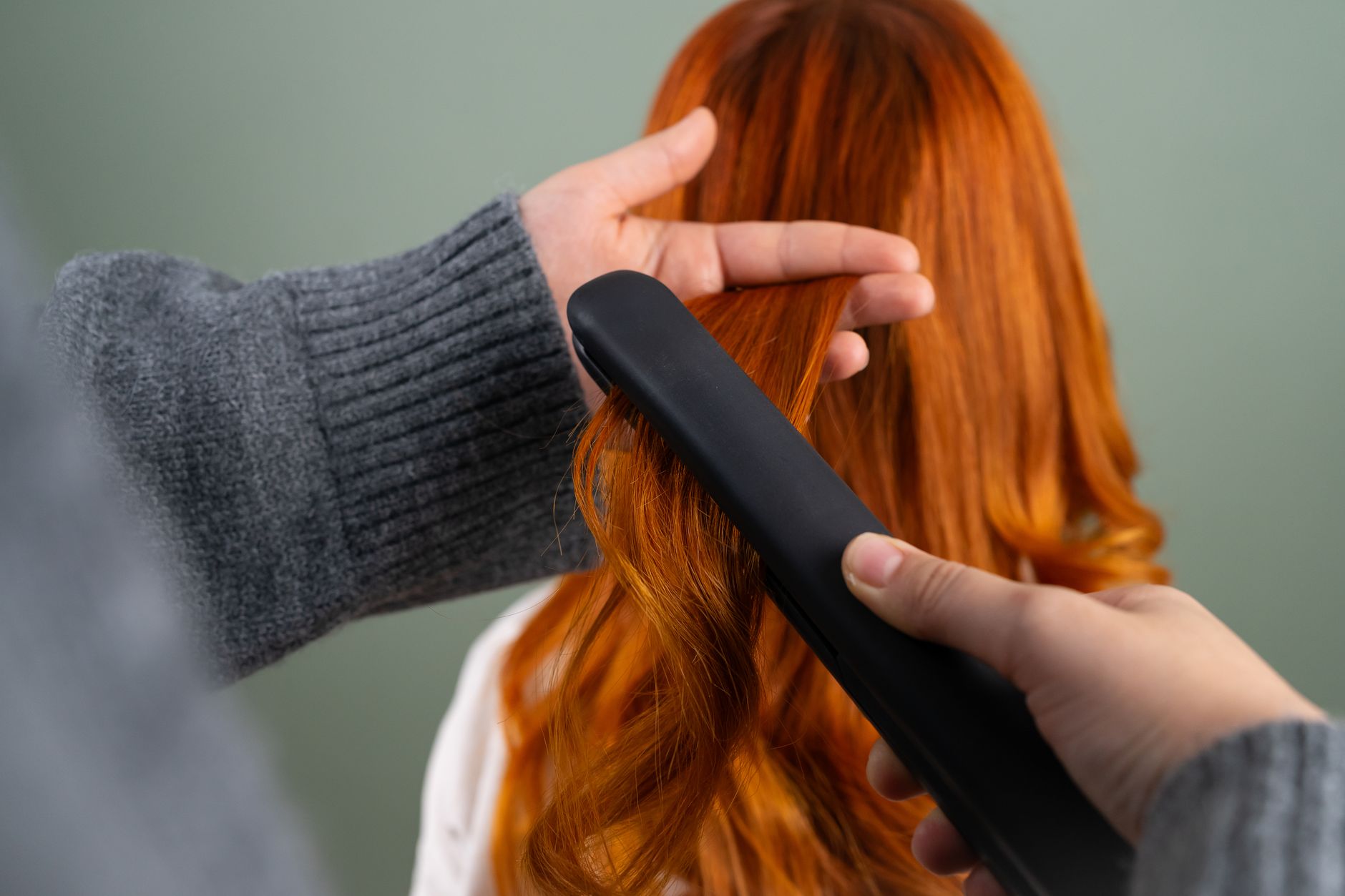
To understand the slowdown, it helps to look at what a keratin treatment actually does. The formula coats the hair shaft and is sealed in with heat, which relaxes the natural pattern and cuts down on frizz and volume for a few months. On straight or slightly wavy hair, the result looks polished and uncomplicated. On curlier hair, it loosens the curl, sometimes more than the client expected, and as the treatment fades the hair lives in two textures at once. That in-between stage, with smooth lengths meeting regrowth that wants to curl, is the part many clients never loved and few were warned about.
Then there is the practical math. Smoothing services take hours, cost more than most routine appointments, and ask for upkeep that includes gentler shampoos and careful heat habits. For a client who just wants to stop dreading humidity, that is a lot of effort for a look that is, by design, temporary.
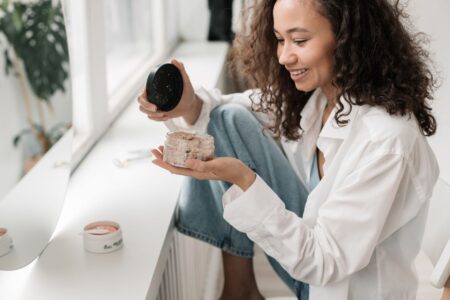
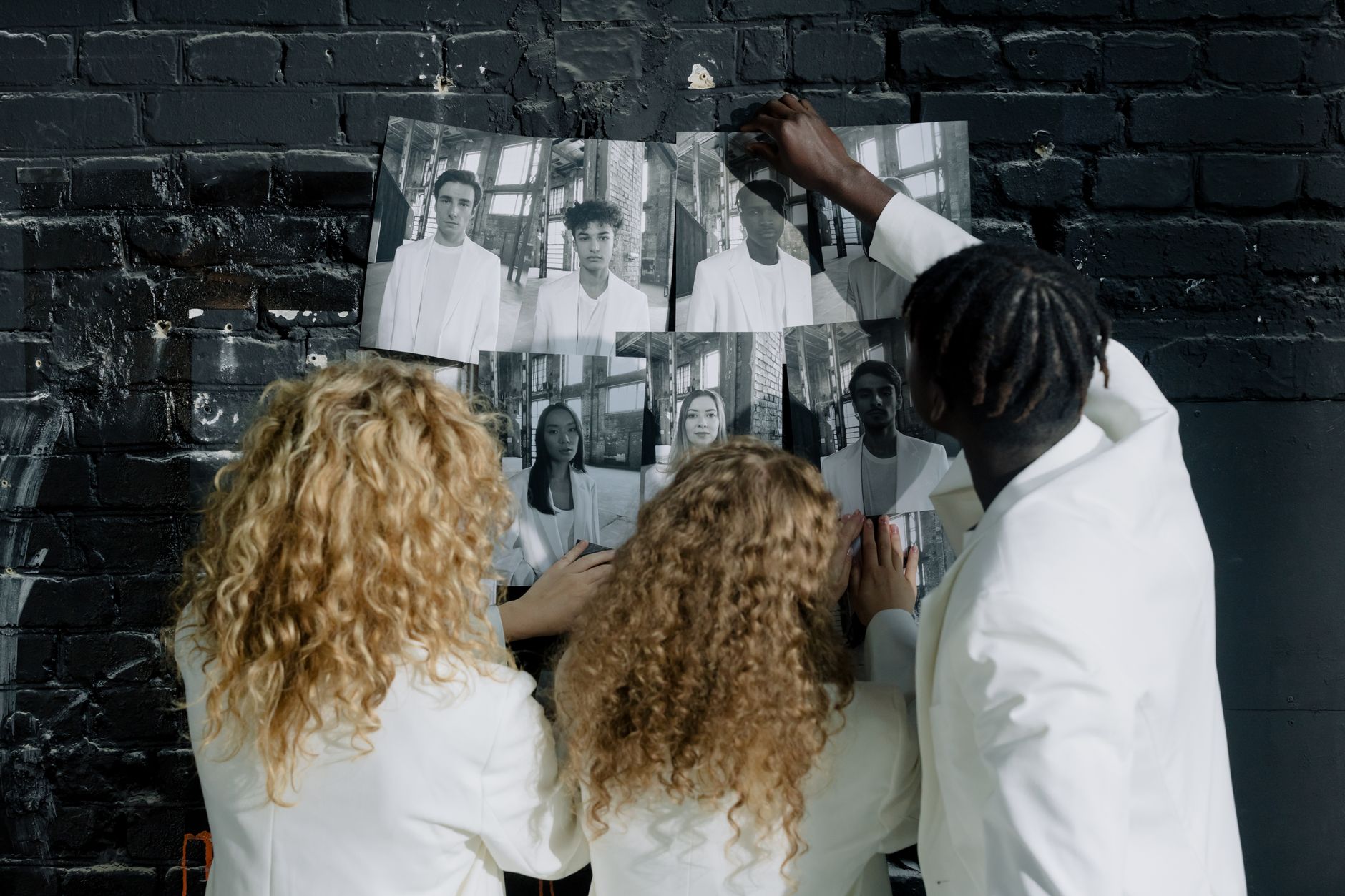
Education has also moved. More stylists now train specifically in cutting and shaping textured hair, including cutting curls dry so the shape is judged the way it will actually fall. Once a client sits in a chair and sees a good cut transform their curl pattern, the argument for chemically relaxing it gets harder to make. Products built for definition, moisture, and frizz control have improved too, which means the daily fight that pushed people toward keratin in the first place has become more manageable at home. A client who leaves a salon with a shape that works and a routine that makes sense has less reason to book a smoothing service three months later.
What Is Taking Its Place
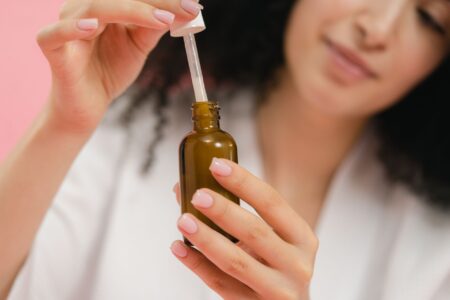
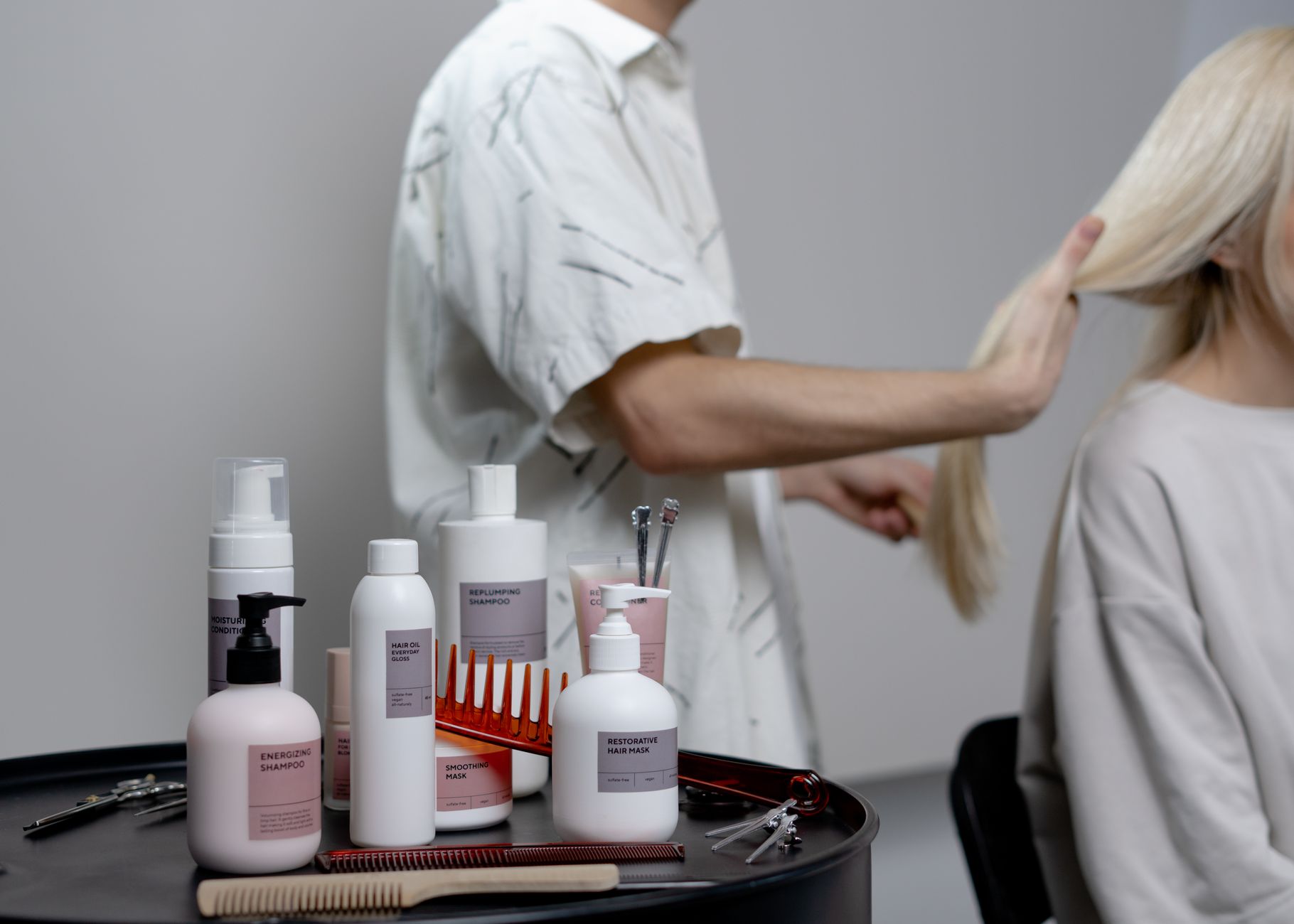
The replacements are quieter, and they tend to work with the hair rather than against it. Glossing services add shine and calm the surface without changing the pattern. Bond-building and deep conditioning treatments repair the damage that heat and color leave behind, which often is the real cause of frizz. Lighter smoothing options aim to soften and tame rather than flatten, leaving movement intact. Scalp and strand treatments such as hair oiling are showing up on menus as well, pitched as care rather than correction.
The language around these services has changed along with the menu. Where a smoothing appointment promised to eliminate frizz, newer services promise to manage it, a small difference in wording that signals a different relationship with the hair. Imagine a client with fine, wavy hair who once would have asked for the sleekest result available. Today she is more likely to leave with a layered cut, a gloss, and a short list of products, and she may never feel she was denied anything. The consultation has become the real service, because it decides what the next three months of her hair will look like.
None of this means keratin is disappearing. Clients in humid climates, or those with hair that simply feels unmanageable in its natural state, still have good reasons to want a smoother finish, and formulas continue to evolve, including options that skip the ingredients people worry about most. The difference is in how the treatment is offered. It is increasingly presented as one option among several, with an honest explanation of what it will do to a curl pattern, rather than the answer to every question about frizz. That honesty may cost salons a few bookings, but it also spares them the client who returns upset that her waves are gone.
The Frizz Question
A smoothing treatment can still make hair sleek for months; what it can no longer do is pass as the default answer to the word “frizz.”