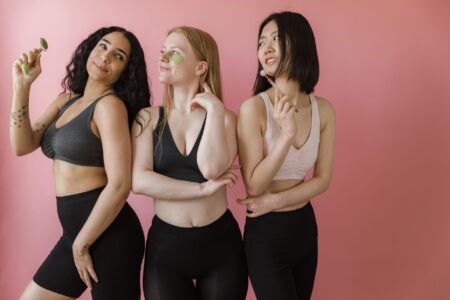


The sharp, shadowed cheekbone had a long run. For years, a defined hollow beneath the cheek signaled a finished face, built with a stick, a brush and a patient blending sponge. This spring, the energy has moved up and out. Blush, applied soft and diffused, is doing the work contour used to claim, and it does it with warmth instead of shadow.
Soft-focus blush is less a product category than a method. The color is sheer, the edges blur until they disappear, and the placement sits higher on the face than the classic “apple of the cheek” or the draped-under-the-cheekbone look. The result reads as a flush that arrived on its own, not a shape drawn on with a brush. Cream, liquid and powder formulas all work, which is part of why the look is moving so quickly through everyday routines.
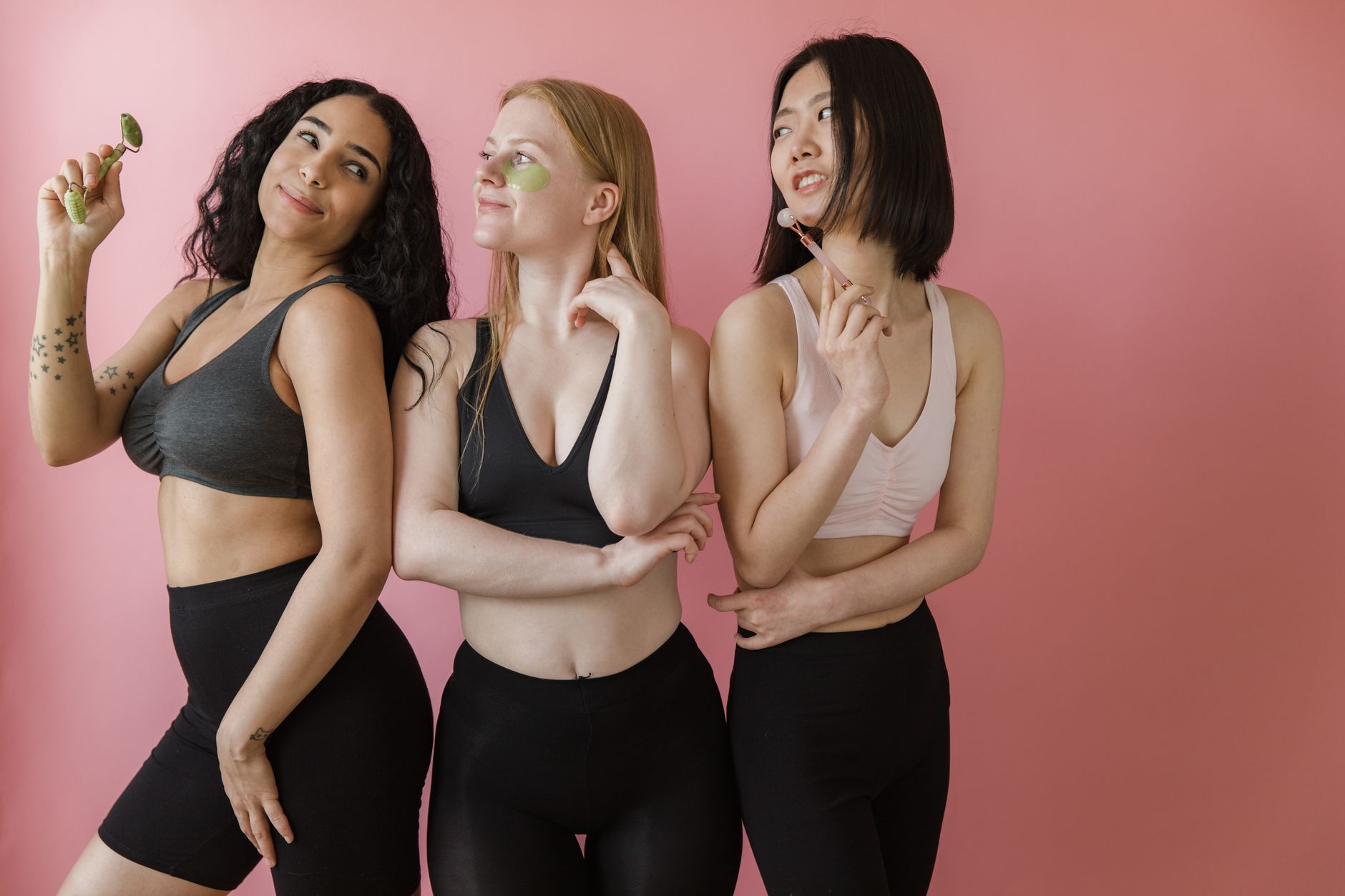
How the Soft-Focus Method Works
The technique starts with placement. Instead of aiming color at the hollow of the cheek, the blush goes on the high point of the cheekbone and travels toward the temple, with a trace touching the bridge of the nose. That sweep mimics the way skin colors after a brisk walk or a warm room, and it lifts the face without casting a shadow. Fingertips and damp sponges are the favored tools for cream and liquid formulas because body heat helps the pigment melt into the skin. The motion is a tap, not a swipe. Swiping drags product and leaves a line, while tapping builds color in thin layers that have no visible beginning or end.
Order matters too. Blush goes on right after base and before any setting powder, so the pigment sits within the skin finish instead of on top of it. A well-matched base helps enormously here, which is one reason cosmetic chemists are formulating custom foundations with AI color matching. When the base disappears into the skin, a sheer wash of color looks like circulation rather than makeup. A powder blush can still join the routine, dusted lightly with a fluffy brush over a cream layer to hold it in place without flattening it.
Shade choice is forgiving. Peach, soft rose and muted berry cover most undertones, and the sheerness means a misjudged color fades gracefully instead of fighting the skin.
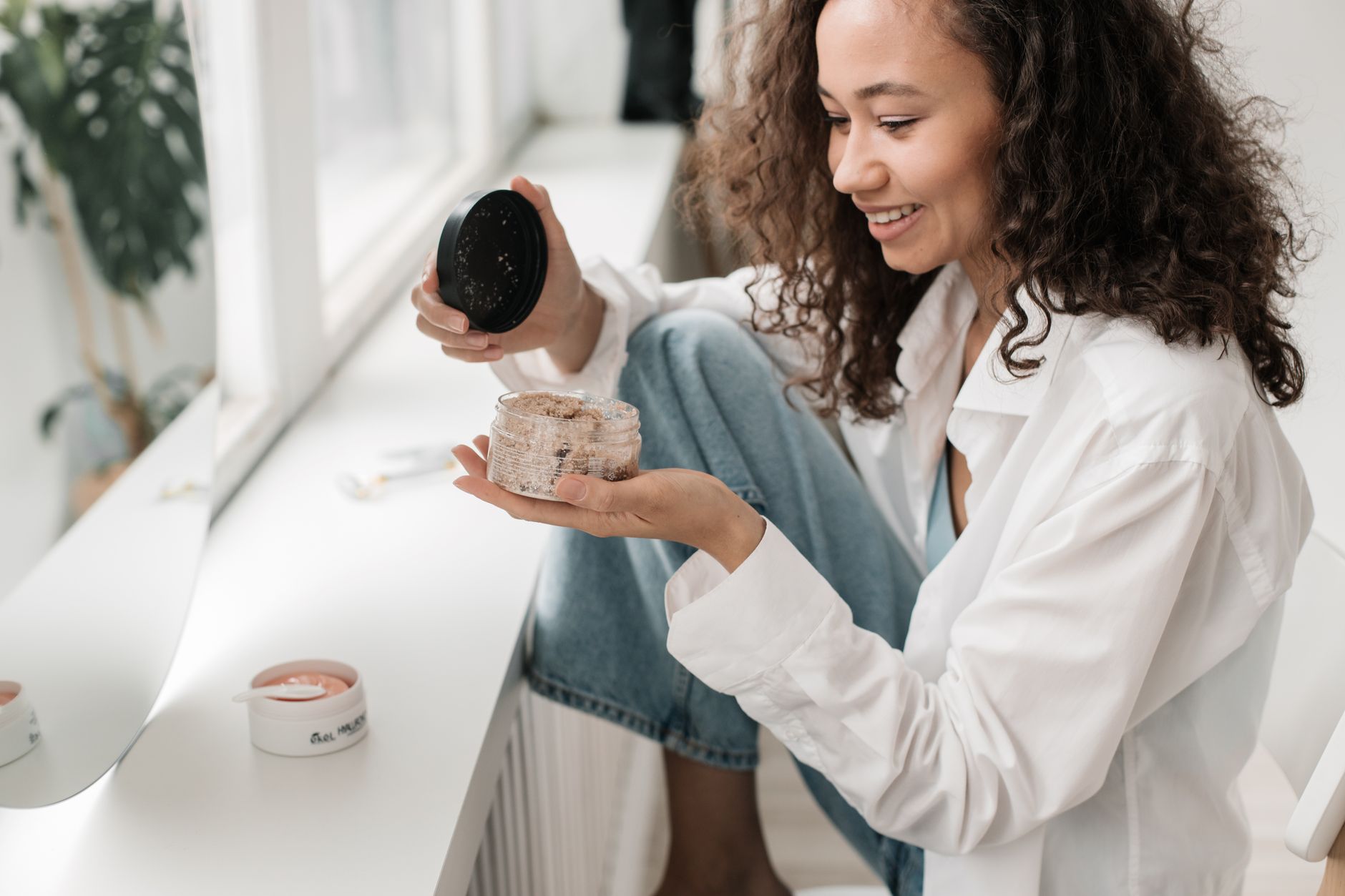
Where Contour Fits Now
Contour is not vanishing, but its job description has shrunk. The carved-out cheek has given way to a whisper of warm bronzer along the hairline or a small drop of cream shadow under the jaw, used only when a face wants a little extra definition. Plenty of makeup bags now hold one multitasking product where a three-step sculpting kit used to sit.
The cool brown contour stick is the item most likely to be gathering dust. Gray-leaning shadows rarely look natural in daylight, and spring is nothing if not daylight.
Why Warmth Is Winning
Light is the first reason. Contour was designed to hold its shape under studio lamps and flash, where shadows get washed out and need exaggerating. Take that same product to an outdoor table, a sunlit office or a walk to the train, and the shadow can look like a stripe resting on the skin instead of a contour built into it. Blush behaves differently because color moves with light instead of competing with it. It catches the sun, softens under overcast skies and holds up when the face is in motion. As the days lengthen and more of life happens near windows and patios, makeup that was built for harsh artificial light begins to look overworked.
Skin is the second reason. The last several years of beauty have been organized around skincare-first thinking, with lightweight tints, visible texture and a finish that looks like skin on a good day. Heavy sculpting sits awkwardly on top of that kind of base, because it asks the face to look engineered. Blush is the one product that adds life without covering anything up. There is also a practical logic to placing color high: shadow under the cheekbone can emphasize hollows, while a lifted flush draws the eye upward and makes a face look rested.
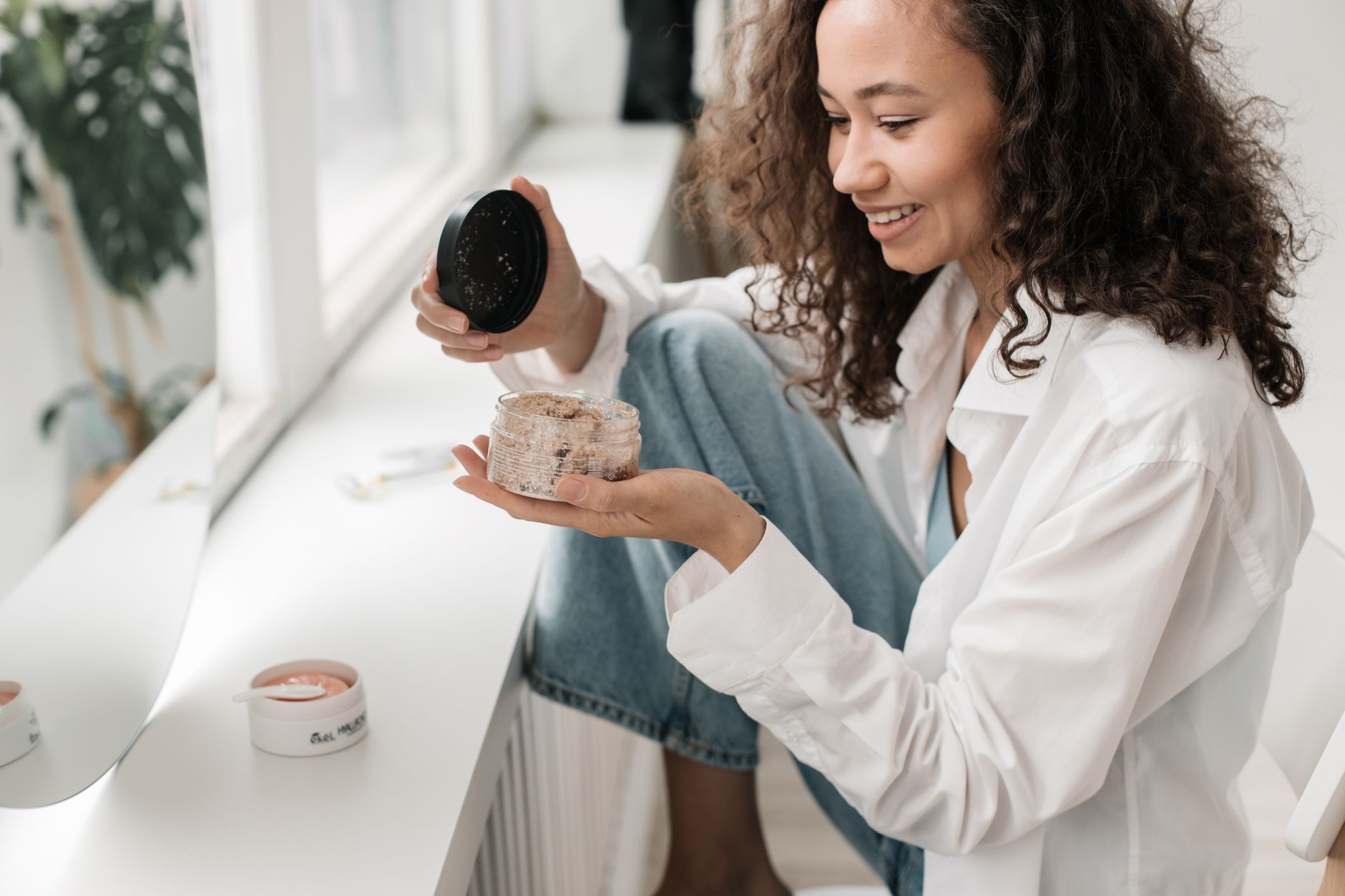
Ease may be the quiet driver behind the whole thing. Contour rewards skill, and a misplaced line takes real blending to correct. Blush is tolerant, and a mistake can be fixed with a fingertip and a few taps. The same cream formula can tint the lips and the lids, which makes a monochrome face possible with a single pot and no brush at all. For anyone who has ever stood in front of a mirror trying to blend two shades of brown into something believable at 7:45 in the morning, that simplicity is hard to argue with.
The softness comes with a catch, and it is not a small one. Sheer blush depends on pigment that shows up against the skin, and on deeper complexions many delicate peaches and pinks simply disappear. A blush that vanishes on deeper skin is not soft focus. It is just absent.