

Retinol has the strongest résumé in skincare and one of the worst reputations among people who have actually tried it. The pitch is familiar: smoother texture, softer fine lines, fewer breakouts, more even tone. The experience, for a lot of users, is a week of tightness, flaking around the nose and mouth, and a moisturizer budget that quietly doubles. Plenty of people quit before the benefits show up, then spend months wondering whether they failed the ingredient or it failed them.
Bakuchiol is stepping into that gap. Its pitch is simple: retinol-style results without the retinol-style penalty.
What Bakuchiol Actually Is (and Isn’t)
Bakuchiol is a compound extracted from the seeds of the babchi plant, which has a long history in traditional medicine systems. Despite the way it’s often marketed, it is not a plant-based version of retinol. Chemically, the two molecules are unrelated. Retinol is a form of vitamin A that the skin converts into retinoic acid, while bakuchiol has a different structure entirely. What has drawn attention is that it appears to influence some of the same skin pathways, which would explain why it can produce similar visible effects through a different route.
That difference in chemistry has practical consequences. Retinol is notoriously fragile, breaking down when exposed to light and air, which is why it so often arrives in opaque pumps and tubes and gets restricted to nighttime routines. Bakuchiol is generally considered more stable, so formulators have more freedom to use it in lightweight serums, daytime moisturizers, and even products designed to sit under makeup. None of that replaces sunscreen, which remains non-negotiable with either ingredient, but it does make the routine less fussy.
The research that most often gets cited is a small, 12-week clinical trial published in the British Journal of Dermatology in 2019. It compared bakuchiol applied twice daily with a modest retinol concentration applied nightly. Both groups showed improvement in wrinkles and pigmentation, and the retinol group reported more scaling and stinging. That result is the foundation of nearly every “bakuchiol versus retinol” headline since. It is also a modest foundation: the trial was short and small, and one study, however tidy, does not amount to the decades of evidence behind retinoids.
The Appeal of Skipping the Adjustment Period
The reason skeptics are paying attention has less to do with laboratory results than with behavior. Retinol demands a ritual: start two nights a week, buffer with moisturizer, avoid certain acids, wait weeks to see anything. That is a lot to ask of someone who just wants their skin to look a little better. Bakuchiol asks almost nothing, and an ingredient people will actually use every day can outperform a stronger one they abandon after ten days.
There is also a quieter factor at work, which is trust. People with reactive skin, rosacea, or a history of barrier damage have often been told to simply push through the irritation, and many have stopped believing that advice. A gentler option that doesn’t require pain as proof of progress lands differently with them. It feels less like a treatment plan and more like a routine they can keep.
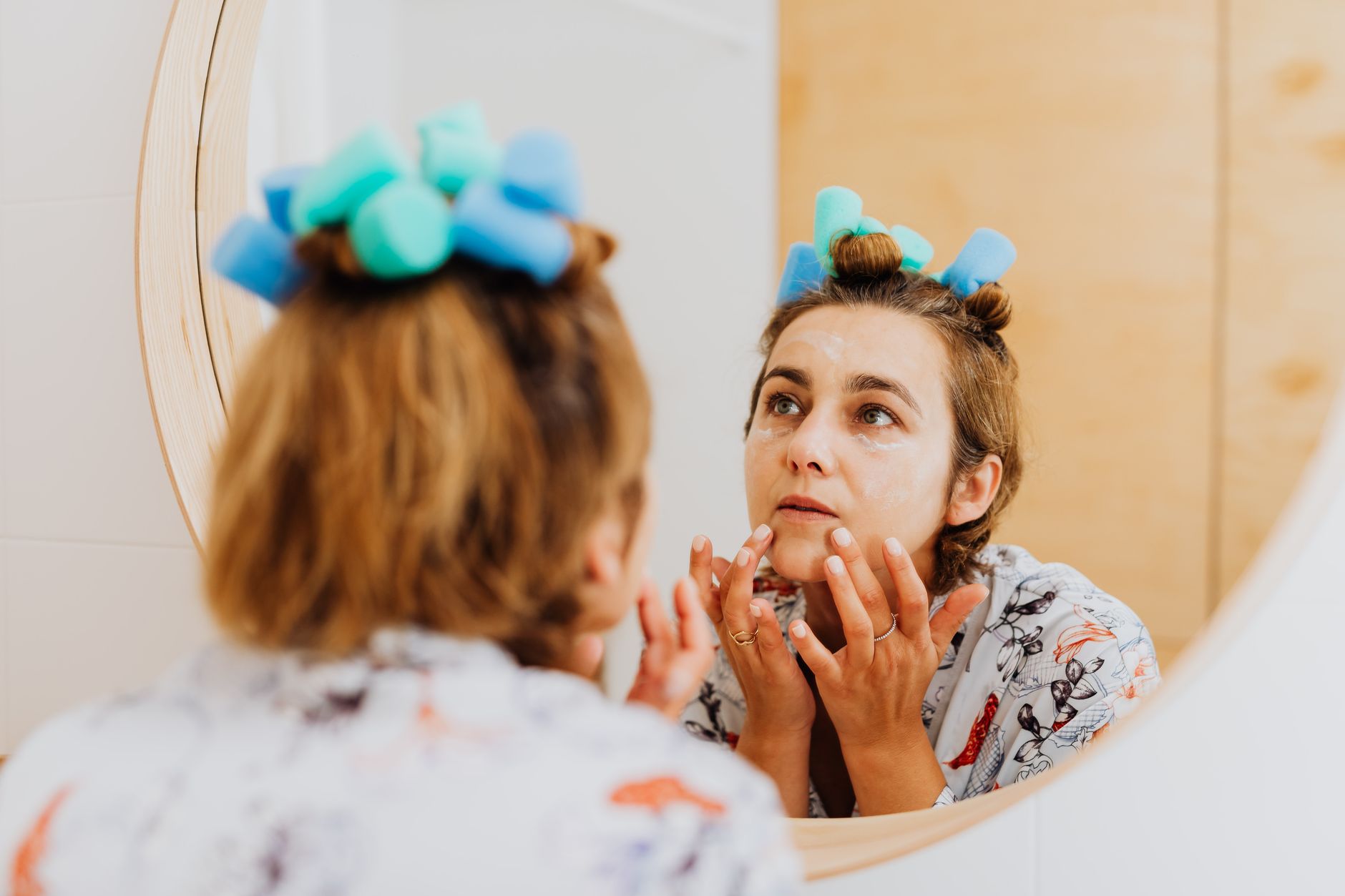
Where the Hype Outpaces the Evidence
The honest comparison is lopsided. Prescription retinoids such as tretinoin have been studied for decades across acne, sun damage, and aging, and their track record is hard to match. Bakuchiol has a handful of trials, most of them short, many of them small, and some funded by companies with a stake in the outcome. That doesn’t make the ingredient ineffective. It means the confident claim that bakuchiol “works just as well” rests on thinner ground than the marketing suggests, especially for people whose main concern is moderate to severe acne or significant sun damage.
Labels add another layer of confusion. A product that lists bakuchiol doesn’t reveal how much is in the bottle, and concentration matters. Many formulas also combine it with peptides, niacinamide, hyaluronic acid, or plant extracts, so when skin improves, it’s hard to say which ingredient deserves the credit. The word “retinol alternative” on the front of a jar is a marketing description, not a guarantee of dose or performance.
The “natural” halo deserves some skepticism too. A plant origin does not make an ingredient automatically gentle, and isolated reports of irritation and allergic contact reactions to bakuchiol exist. Pregnancy is another area where assumptions run ahead of data. Retinoids are typically avoided during pregnancy, and bakuchiol is often pitched as the safe swap, but the research on its use in pregnancy is limited. Anyone pregnant or nursing is better off checking with a doctor than trusting a product page.

The most useful reading of the trend may be the least dramatic one. Some people use bakuchiol in the morning and a retinoid at night, treating them as complements rather than rivals. Others find that the irritation they blamed on retinol was really a matter of strength and frequency, and that a low-dose retinoid applied twice a week would have worked all along.