

The claw clip is a spring, a hinge and a row of plastic teeth. In its simplest form it costs less than a latte, and it has done something heated tools and elaborate updos never quite managed: it turns a finished hairstyle into a four-second task. Twist, fold, clamp. The result looks deliberate even when the morning was anything but. That mix of speed and polish explains why an accessory many people filed under 1990s bathroom counters and mall kiosks is showing up again on commuter platforms, at brunch tables and in the back rows of every group photo.
Hair salons have noticed. Stylists no longer treat the clip as something clients put in after they leave the building. A growing number are building it into the appointment itself. They think about how a cut will behave when it is twisted up, how color will read at the crown when hair is gathered, and whether to send a client out of the chair with a clip already in place. What was once a throwaway accessory has become part of the consultation.
Why the Clip Came Back
Nostalgia is the obvious answer, and it is only part of one. Fashion has a habit of recycling the accessories of two decades ago, and the clip arrived on schedule alongside low-rise denim and baby tees. But plenty of revived trends fade within a season. The claw clip lasted because it solves a real problem. A tight elastic pulls at the roots, leaves a crease and can bring on a dull headache by mid-afternoon. A clip distributes the hold across a wider surface, sits flat against the head and lifts the crown slightly, so hair looks fuller on top while the ends fan out below.
The clip also suits how hairstyles now travel. A look that can be shown in a ten-second video and copied in the time it takes to watch it has an obvious advantage. The undone, slightly imperfect finish that clips produce fits the current taste for hair that looks lived-in rather than sprayed into place. Many people are also giving hot tools a rest, and a heat-free way to get hair off the neck without flattening it fills a gap that curling irons and flat irons cannot.
How Salons Are Adapting
Cutting for a clip is a different exercise from cutting for a loose, blown-out finish. Very short layers around the crown tend to slip out of the clamp within an hour, leaving the wearer with a scruffy look they did not choose. Stylists who work with this in mind are leaving more length through the back and nape, and shaping face-framing pieces so they fall softly when the rest of the hair is gathered. The goal is a haircut that looks intentional both up and down, rather than one that only works when it is worn loose.
The finish is changing too. Some stylists now end a blowout by clipping the hair up in the chair, partly as a styling choice and partly as a lesson. A client who watches the twist-and-clamp motion in the mirror is far more likely to repeat it at home than one who is handed a clip in a paper bag. The consultation has shifted with it. Questions about how a client wears their hair on a typical weekday are now as routine as questions about length, and the honest answer is increasingly “up, in a clip.”
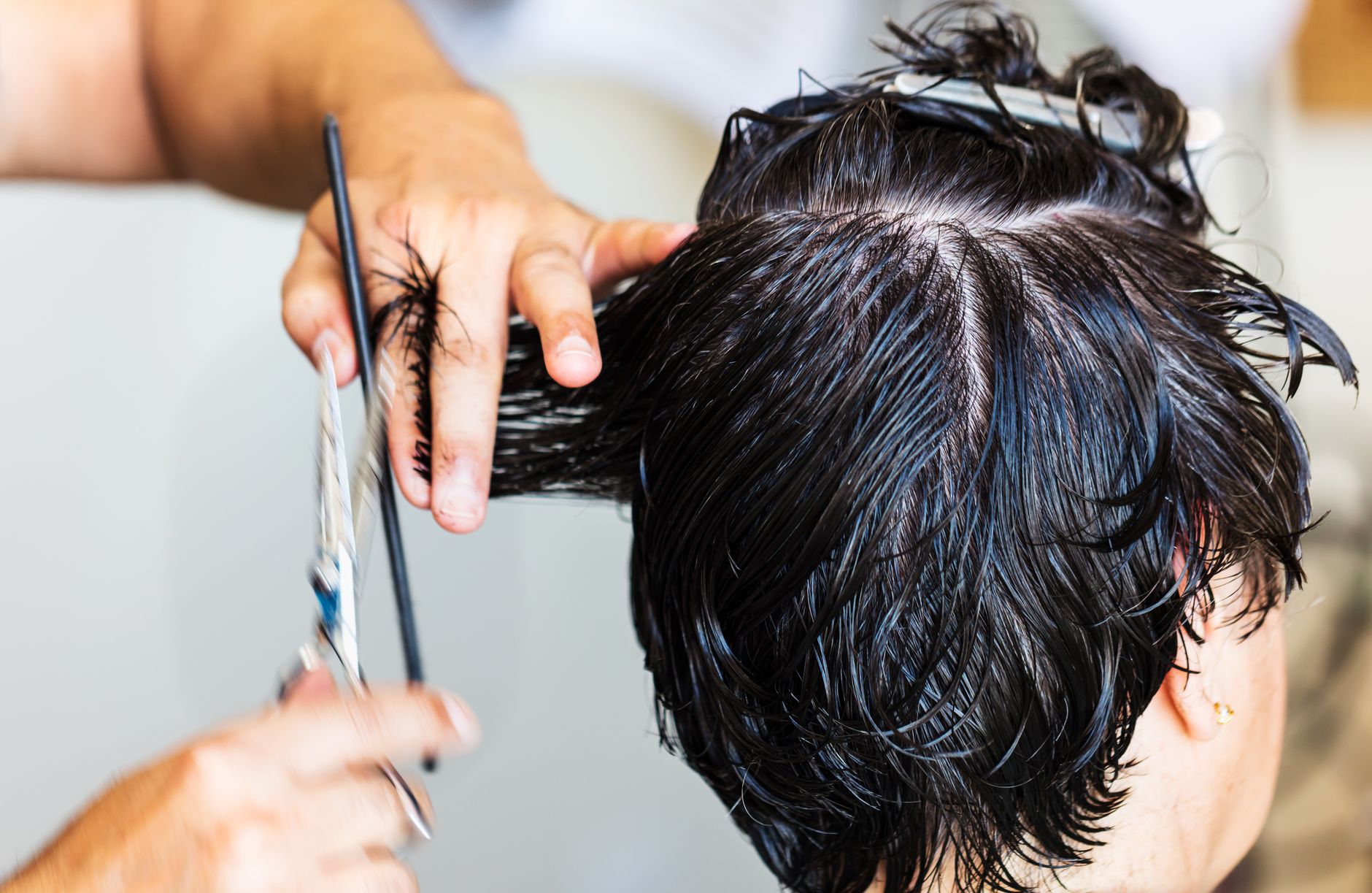
Colorists have their own set of considerations. Gathering hair into a clip exposes parts of the head that stay hidden when it hangs loose: the nape, the hairline behind the ears, the underlayers beneath the top section. A color that looks seamless down can reveal a stark line of regrowth or a patch of mismatched tone once it is lifted. Dimension placed underneath the surface, soft contrast at the nape and carefully blended face-framing pieces all earn their keep in a clipped-up style. Some colorists now check the result both ways before the client leaves.
Then there is the retail shelf. A number of salons have started stocking clips beside the shampoo and styling cream, often in sturdier materials than the drugstore multipacks, such as cellulose acetate with a polished finish or metal with a stronger spring. For a salon, a clip is an easy add-on at checkout, small enough to feel like an impulse buy and visible enough that clients see it being used in the chair. It is a modest line item, but it gives stylists a reason to talk about hold, tooth spacing and size rather than simply selling another bottle.
The Damage Question
The clip’s reputation as the gentle option comes with fine print.
Anything that holds hair in the same place day after day can cause trouble, and clips are no exception. A cheap clip with rough seams or sharp teeth can snag strands as it closes. A heavy section of hair gripped by a small clip puts concentrated weight on a few points near the crown, which strains the roots. Clamping the clip in the identical spot every morning creates a pressure line where breakage can build up over weeks. Wet hair is more vulnerable to stretching, so clipping up straight out of the shower is riskier than waiting until it is mostly dry. Stylists tend to give the same advice: vary the placement, avoid cranking the clip down tight and match the size to the amount of hair.
Wearing It Well
Size is the first decision, and it is the one most people get wrong. A clip that is too small for thick hair will strain, slide and eventually snap, while an oversized clip on fine hair swallows the whole style and tilts to one side. A good rule is that the teeth should span the width of the twisted hair with a little room to spare, so the spring closes without forcing the hair into submission. Curly and coily textures often hold a clip beautifully because the hair grips itself, but they need wider teeth and a gentler hand to avoid disturbing the curl pattern.
Technique matters nearly as much as the clip. The classic approach is to gather the hair at the back, twist it upward, fold the ends over and then open the clip, angling the teeth toward the scalp before closing it so it catches both the twist and the tucked ends. Placing it higher gives a more polished, lifted look, while low on the nape it reads softer and more relaxed. Pulling a few strands loose around the face or at the temples adds the deliberately casual finish that makes the style recognizable.
The biggest limitation is hair texture. Fine, silky or freshly washed hair slips out of a clip no matter how well it is placed, which is why stylists often suggest a dusting of texturizing spray or dry shampoo at the roots and along the twist before clamping. That small bit of grip is the difference between a style that lasts through lunch and one that collapses on the walk to the train.